Fostering Marine Conservation: Kenya and Tanzania Teams Unite for Peer Learning in Kwale County
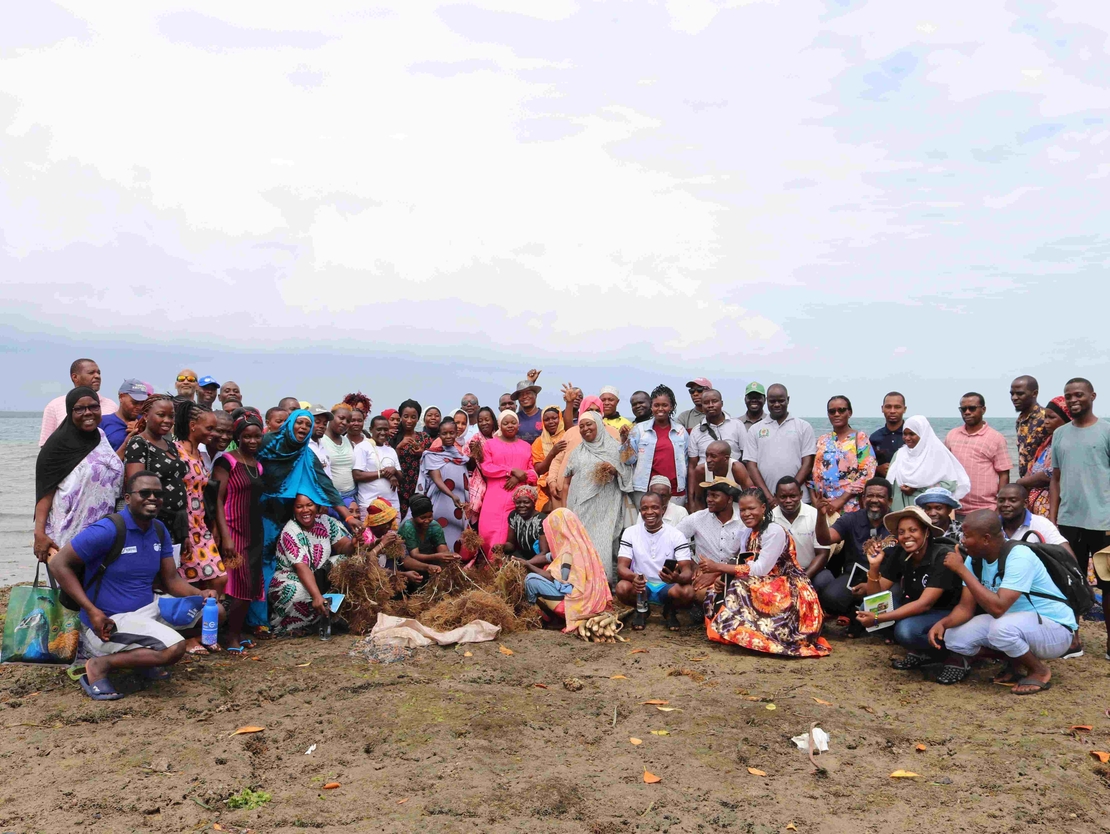
The Kenya and Tanzania ReSea Project teams recently brought together 65 stakeholders from the Kilifi and Tanga-Pemba seascapes in Kwale County, Kenya, for an exchange of ideas, knowledge, and shared purpose. The event provided an opportunity for collaboration and learning, a testament to the power of peer-to-peer connections in driving meaningful change.
This gathering was part of the ReSea and Bahari Mali projects, led by Francis Okalo, IUCN Kenya’s Coastal and Ocean Resilience Programme Manager, and Joseph Olila, IUCN Tanzania’s Coastal and Ocean Resilience Programme Manager. The goal was clear: to promote collaboration and enhance sharing of knowledge and best practices on marine area-based management and governance, ecosystem restoration and regenerative blue economy.
Throughout the week, participants from a diverse array of organizations—including Marine Protected Areas (MPAs), Forest Services, Fisheries Departments, Local Managed Marine Areas (LMMAs), Beach Management Units (BMUs), Community Forest Associations (CFAs), and community groups—immersed themselves in insightful discussions and site visits.
Site visits
Participants explored the stunning Kisite Mpunguti National Marine Park and Reserve, where they witnessed the harmonious relationship between conservation and tourism, expertly managed by the local communities in partnership with the Kenya Wildlife Service.

Photo Credit: ReSea Project
The visit continued to the Kibuyuni seaweed farms and the Gazi Women Mangrove Boardwalk, where women and youth entrepreneurs demonstrated how blue entrepreneurship is driving socio-economic development in their communities. At the Mikoko Pamoja mangrove restoration site, and through the coral reef restoration work by REEFolution, attendees gained a deep appreciation for the hands-on efforts that are restoring these vital ecosystems.
Knowledge sharing
Beyond the physical visit, the exchange was a rich platform for sharing knowledge. Participants engaged in discussions about the ecological changes affecting their regions, the common threats they face, and the crucial role that women and youth play in conservation.
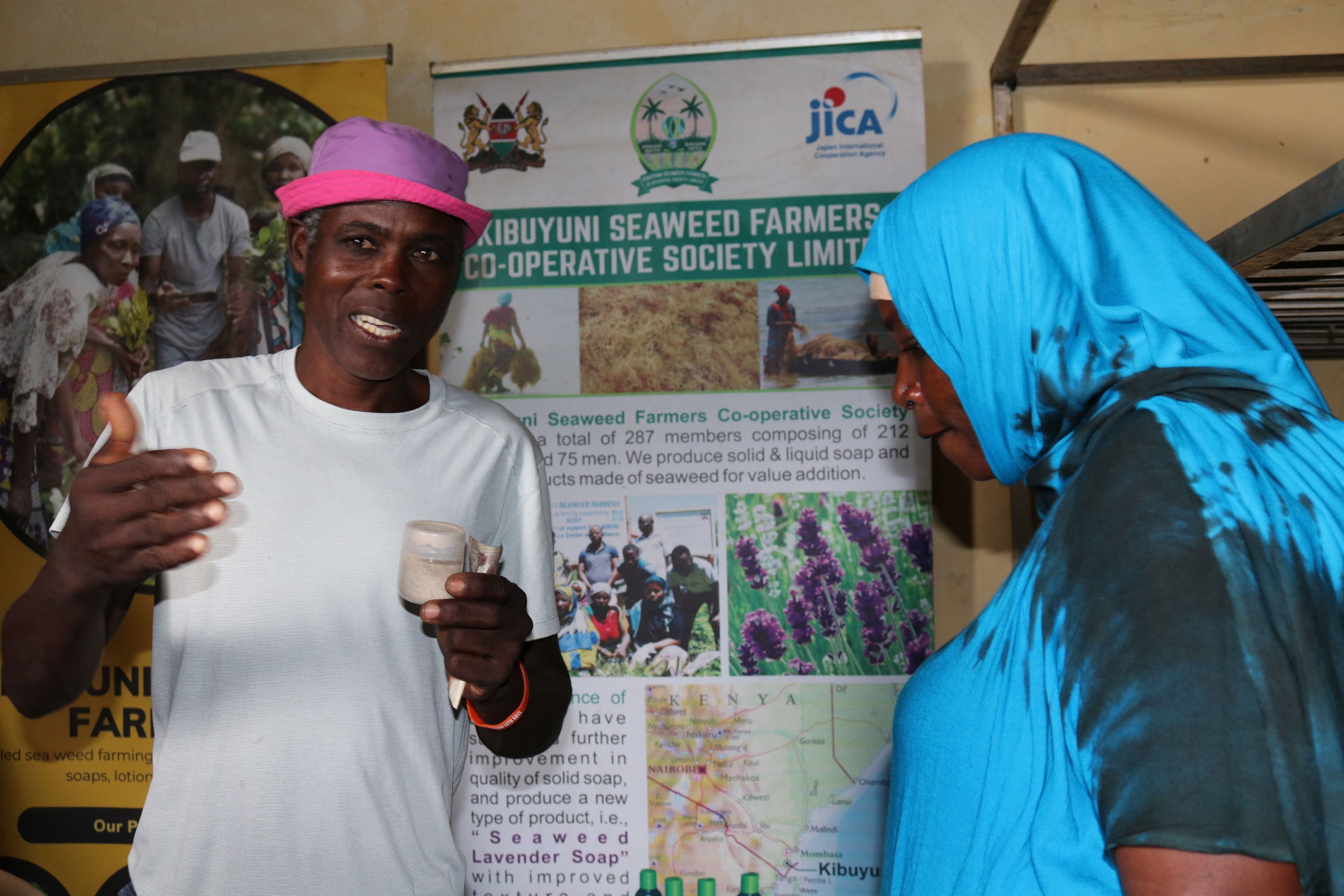 Photo Credit: ReSea Project
Training on the IUCN Green List Standard
Representatives were introduced to the IUCN Green List Standard, a tool aimed at enhancing management effectiveness of marine Protected and Conserved Areas. This exchange aimed to deepen ecological understanding, promote sustainable management practices, and empower local communities in marine conservation.
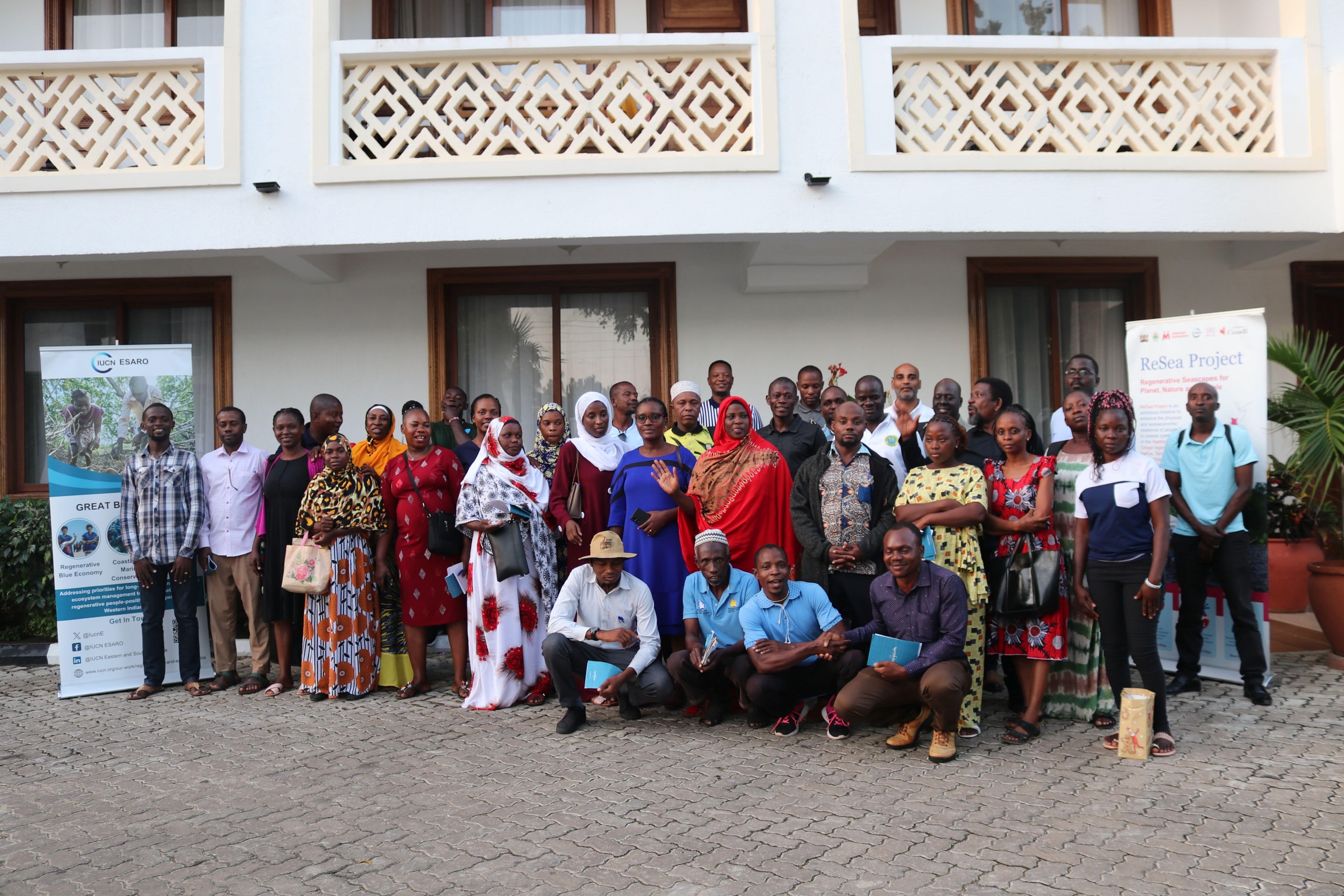
Photo Credit: ReSea Project
As the week came to a close, there was a palpable sense of achievement among the participants. The exchange had not only deepened their ecological understanding but also inspired a renewed commitment to sustainable management practices. We are enthusiastic about the progress achieved and anticipate continued collaboration and innovation in the protection of our invaluable marine resources.


The Bangladesh Forest Department (BFD) and IUCN Bangladesh, with support from Agence Française de…

Each year, International Women's Day is an opportunity to recognise the women advancing change in…

On 14 January 2026, in Dhaka, the Bangladesh Forest Department and IUCN Bangladesh formally signed…