Youth uniting for nature: Leading Asia’s conservation dialogue at the 8th RCF
From 3-5 September, IUCN convened the 8th Regional Conservation Forum (RCF) in Bangkok, Thailand, under the theme ‘Reimagining Conservation in Asia: A Nature Positive Future’. Held every four years, the RCF is a leading platform for conservation knowledge and partnerships, bringing together stakeholders from across Asia, including governments, NGOs, academic institutions and the private sector. One of the main highlights of this RCF was youth engagement, ensuring their voices were included in the development of IUCN's 20-Year Strategic Vision, Programme 2026-2029 and the Global Youth Strategy 2022–2030.
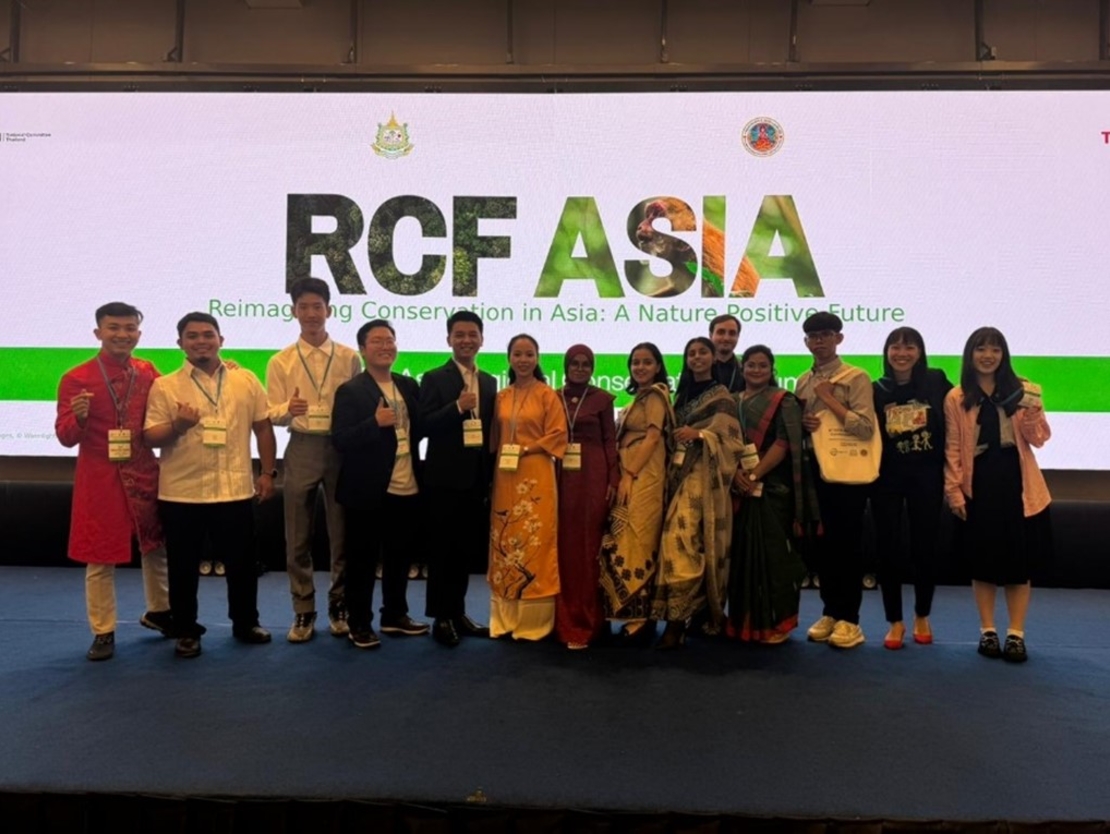
RCF Youth Committee members at the 8th IUCN Asia Regional Conservation Forum
18 youth, including 10 women and eight men from nine countries (Bangladesh, Cambodia, China, India, Indonesia, Myanmar, Republic of Korea, Thailand and Viet Nam) collaborated to develop the RCF youth engagement strategy. Forming the RCF Youth Engagement Committee, they designed technical sessions and created the ‘Youth Oasis’, a dedicated space for youth networking, intergenerational dialogue and exhibition of artworks and posters.
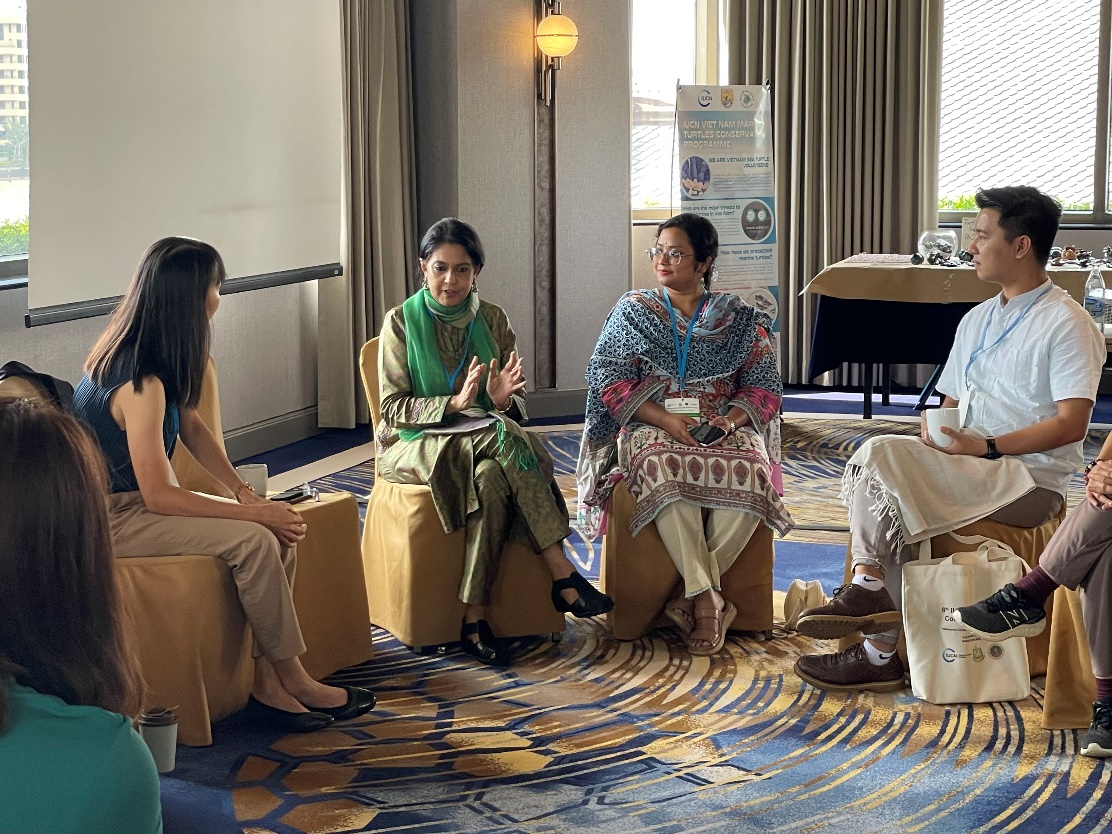
Photo: Youth Oasis Room - Intergenerational Dialogue, Ms Rizwana Hasan (second from left), Advisor, Ministry of Water Resources, Bangladesh interacting with members of the IUCN RCF Youth Committee.
The RCF provided youth with opportunities to network with representatives from various sectors working on conservation and development across Asia. The Forum emphasised the need to move beyond ‘tokenism’ and genuinely engage youth in conservation.
A highlight of this effort was the plenary session titled ‘Youth Leaders Forum’, where youth conservation leaders were on stage to provide their feedback on the future of the Union. Among the panelists was Ms Brigitta Maria Andrea Gunawan, Founder of 30x30 Indonesia, who pointed to the power of storytelling and social media in bringing out community voices and ground-level issues. She added: “While youth bring energy and innovative ideas to the table, it may take time for them to understand and respond, therefore be patient with youth.”
Aside from the plenary, Ms Brinda Kashyap, member of the Youth for Meghna (Y4M) Network, came up on stage as a speaker at the thematic session on Water and Wetlands. Emphasising the role of youth in water diplomacy and river conservation, she introduced the 2011 Framework Agreement on Cooperation for Development between India and Bangladesh, which promotes joint understanding of climate change impacts and the need for cooperative governance of the rivers shared by the two countries. This agreement, therefore, provides opportunities for youth from Bangladesh and India to contribute to cooperative water diplomacy.
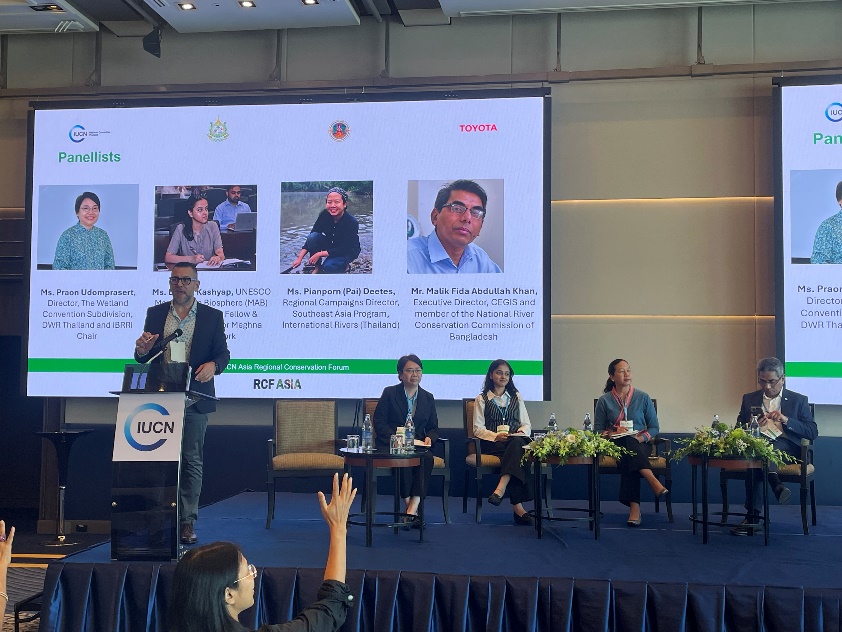
Photo: Ms Brinda Kashyap (centre) participating as panelist in the Water and Wetlands session
The youth delegates also participated in an IUCN Instagram takeover, enabling young influencers to amplify their voices. They interviewed conservation leaders and experimented with cutting-edge social media tools to connect with a wider youth audience across Asia. The Instagram takeover demonstrated the potential of social media to engage youth, amplify their voices and foster networking.The Asia RCF demonstrated the potential and strategy for youth engagement in the design and implementation of Asia’s conservation agenda. Youth are diverse, and their energy and creativity need to be harnessed.. For long-term sustainability and youth leadership development, it is essential to engage youth in designing and implementing conservation projects.
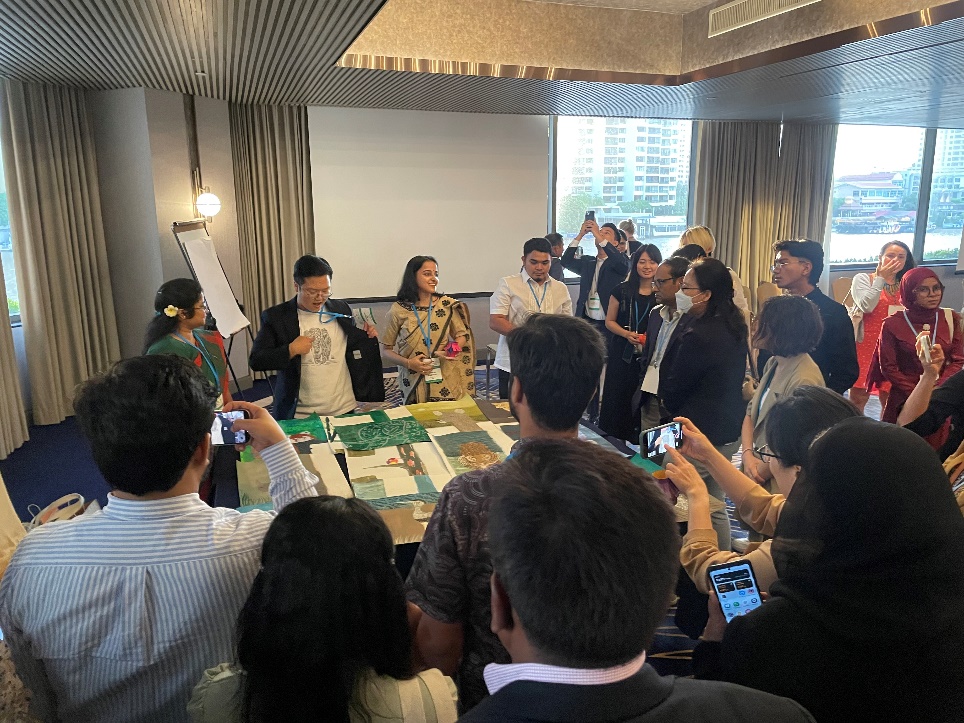
Photo: Youth Oasis - Youth Sharing their voices through Artwork and conservation painting
Specific recommendations for youth engagement at RCF included i)promoting education and raising awareness about the ecological importance of rivers and the threats they face through campaigns and community events, ii) supporting youth leadership by developing programmes that equip youth with skills in leadership, communication and problem-solving , iii) encouraging innovation through grants for youth-led projects addressing conservation challenges and community engagement by involving youth in local dialogues and citizen science initiatives.
The Asia RCF underscored the importance of meaningful youth engagement in conservation. By providing platforms for youth to interact with diverse stakeholders the Forum highlighted the potential of youth and the need for their active involvement in achieving a nature-positive future for Asia.

The Bangladesh Forest Department (BFD) and IUCN Bangladesh, with support from Agence Française de…

Each year, International Women's Day is an opportunity to recognise the women advancing change in…

On 14 January 2026, in Dhaka, the Bangladesh Forest Department and IUCN Bangladesh formally signed…