Designing agricultural NbS for climate resilience in the Mekong Delta.
The Mekong Delta is Vietnam’s largest agriculture hub, playing a vital role in national food security and exports. However, the delta is now facing urgent threats from climate change, severely affecting agricultural production. Drought, sea-level rise, and saline intrusion are becoming increasingly acute, significantly impacting the local communities’ lives.
Photo: Mr. Vu Thanh Liem - DDG of ICD/MAE delivered an opening remark at the workshop © IUCN Viet Nam

Photo: Participants joined group discussion at the workshop © IUCN Viet Nam
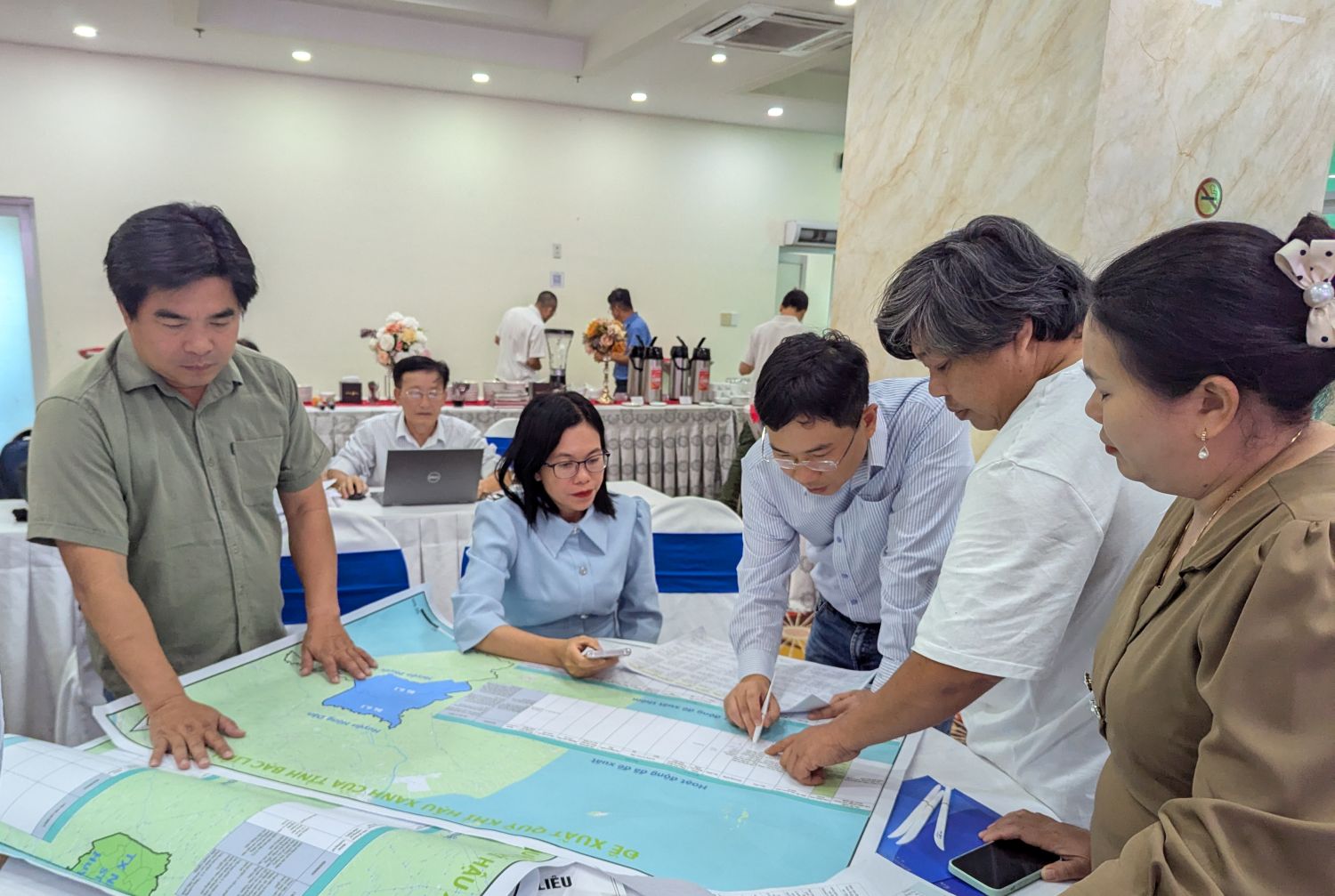
Photo: Dr. Andrew Wyatt - Deputy Head of LMS delivered a closing remark at the workshop © IUCN Viet Nam
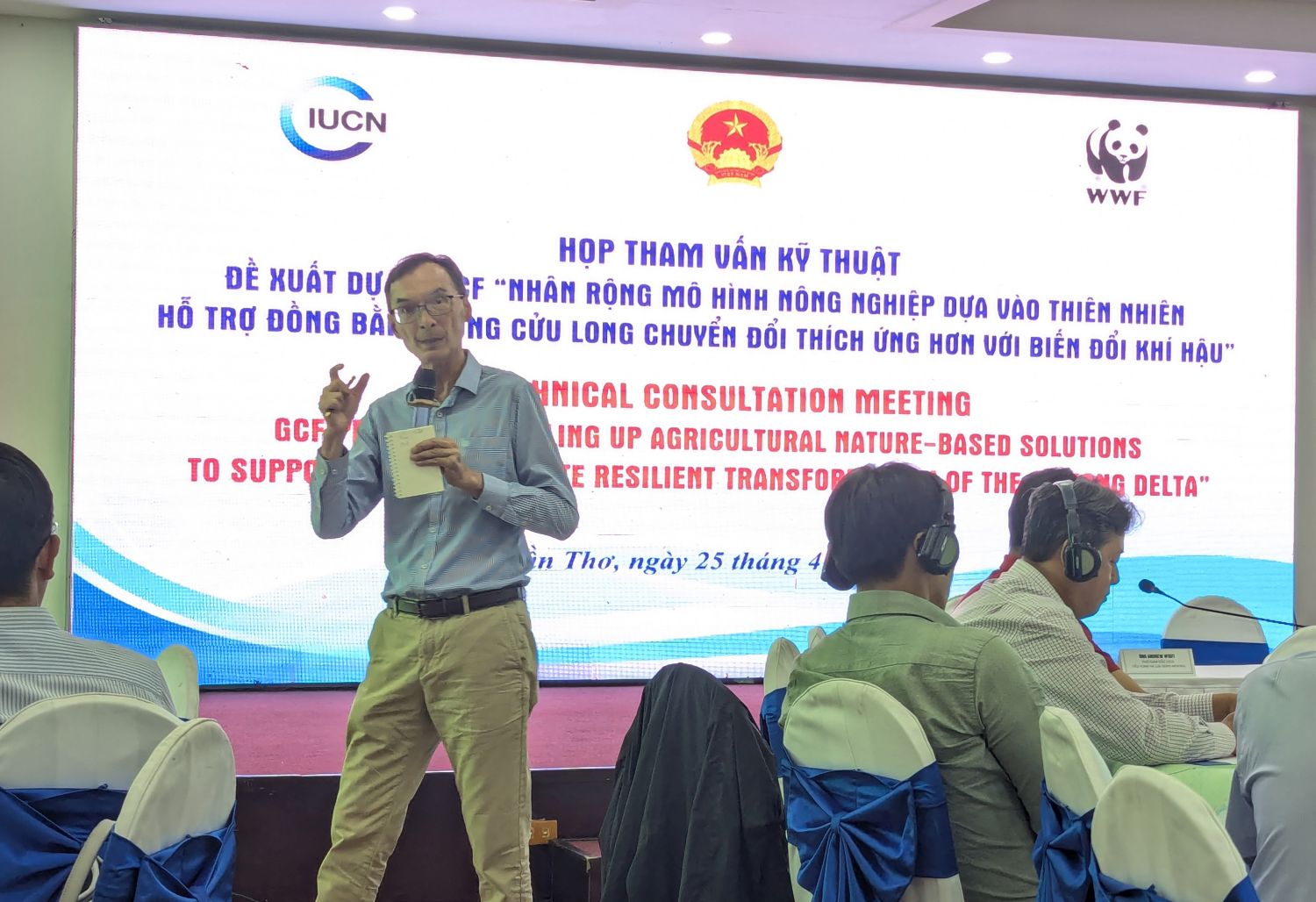
Photo: Participants discussed in breakout groups at the workshop © IUCN Viet Nam
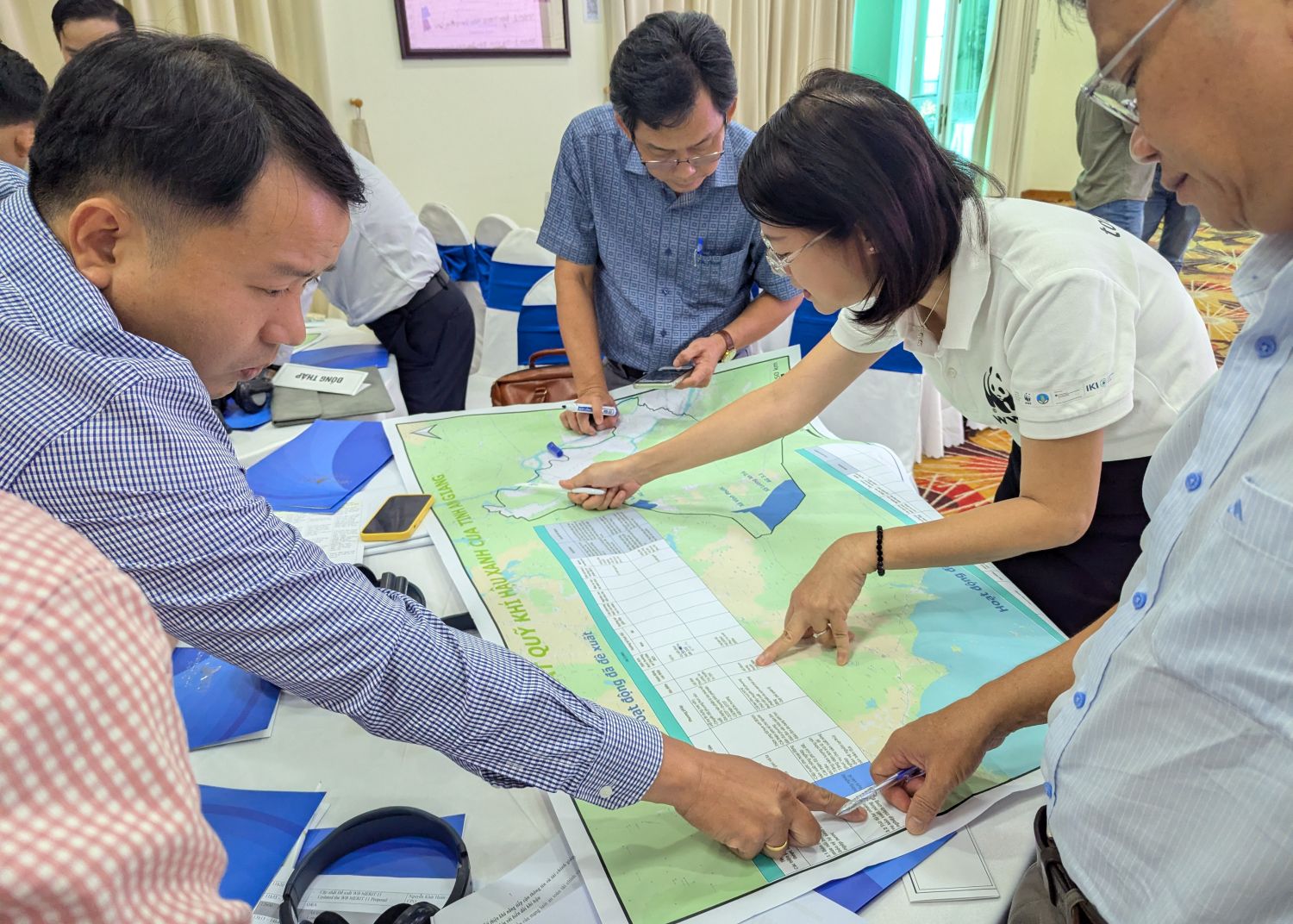
Photo: Group photo of the consultation workshop © IUCN Viet Nam
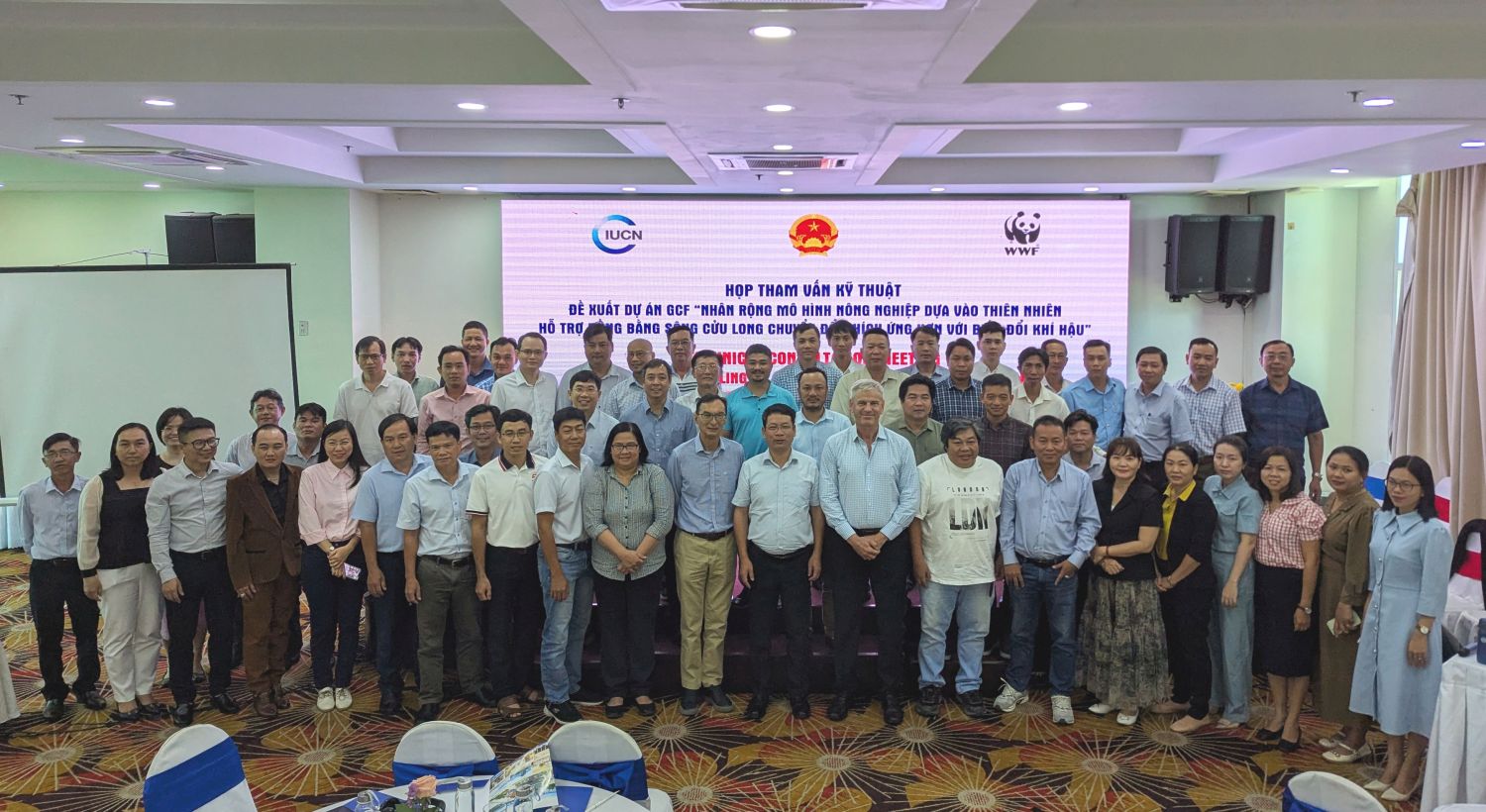
Photo: Group discussion at the workshop © IUCN Viet Nam

On 25 April 2025, the Ministry of Agriculture and Environment (MAE) in collaboration with IUCN and WWF Viet Nam organised a technical consultation on project proposal “Scaling up Nature-based Agriculture Models to Support the Mekong Delta’s Climate-resilient Transition” with 120 participants. This is a follow up to the first consultation workshop in August 2024 in Can Tho and aimed to get feedback on the draft proposal for submission to the Green Climate Fund (GCF) later in 2025.
The proposal will seek US$25 million grant from GCF to match a US$350-450 million loan from World Bank for the Mekong Delta Climate Resilience and Integrated Transformation Project (MERIT) Project. While the loan includes both soft and hard infrastructure investments, the GCF grant will finance soft engineering solutions needed for NbS to enhance climate resilience agriculture in 11 provinces in the Mekong Delta (soon to be six), institutional and information system capacity building, and improved access to financing.
The consultation was co-chaired by MAE, IUCN, and WWF. IUCN presented the GCF design; list of the provincial proposals and NbS criteria analysis; potential investment for ecosystems services. With the financial support from WWF Viet Nam, a pre-feasibility study for the GCF MERIT was conducted and its results were shared for comments. WWF presented private sector opportunities, potential investment modalities, and barriers for NbS investment. MAE Central Project Office representative updated World Bank MERIT project progress.
The afternoon session was divided into four groups to discuss the following:
Beneficiaries: direct/indirect beneficiaries, intervention for these groups
Forms of private sector investment: the potential and effective modalities
Pre-feasibility study: comments on the findings and recommendations
Ecosystem Investment: potential opportunities and applicability such as Biosphere Reserves and biodiversity corridors (e.g., between Tram Chim and Lang Sen); soil health monitoring framework and Other Effective Area-Based Conservation Measures (OECMs)
More interventions: new activities based on the first consultation meeting and their alignment with World Bank MERIT
The group discussions addressed both the strengths and shortcomings of the proposal. They highlighted the need for additional investment, especially in possible Biosphere Reserves such as the proposed “Dong Thap 10”, which requires further pre-feasibility work. Additional livelihood activities should be included in the revised proposal. It is necessary to clearly identify funding sources so provinces must confirm the target areas in the final proposal.
IUCN and WWF Viet Nam will finalise the proposal. IUCN will continue with internal and external coordination, working with MAE and partners to on the submission of the proposal to the GCF.
-
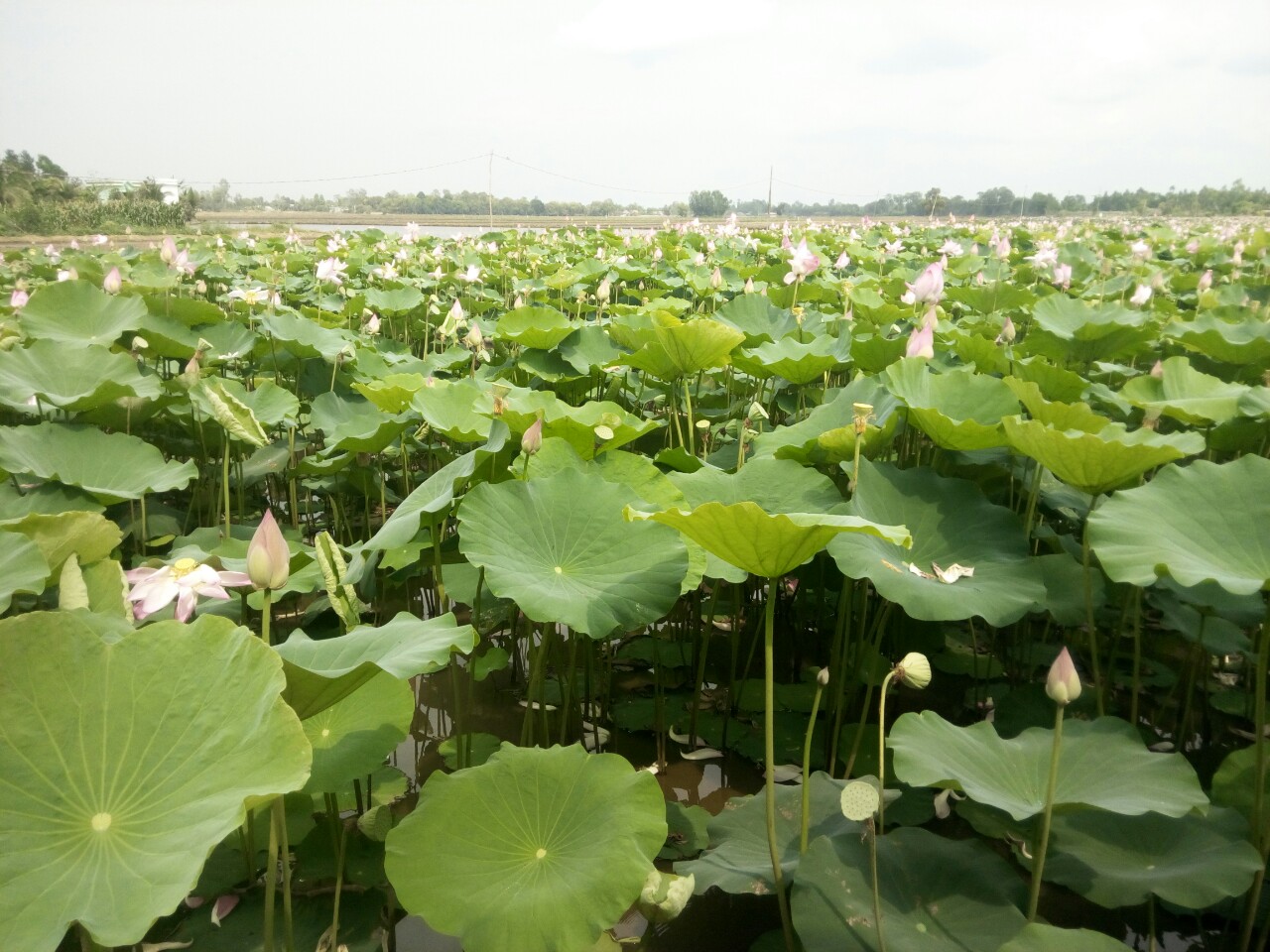 A Nature-based agriculture model combining lotus and aquaculture in the Mekong Delta © IUCN Viet Nam

The Bangladesh Forest Department (BFD) and IUCN Bangladesh, with support from Agence Française de…

Each year, International Women's Day is an opportunity to recognise the women advancing change in…

On 14 January 2026, in Dhaka, the Bangladesh Forest Department and IUCN Bangladesh formally signed…