SUSTAIN Eco project pushes for stronger water resources conservation in Sumbawanga, Rukwa region
SUSTAIN Eco project convened a three days workshop in Sumbawanga district, bringing together basin water board officers and water user association leaders from the district, officers and leaders from multiple wards and the district focal officers to explore better means for coordination and enforcement of water resources conservation for the basin sub-catchment in their district.
Photo: SUSTAIN Eco Project
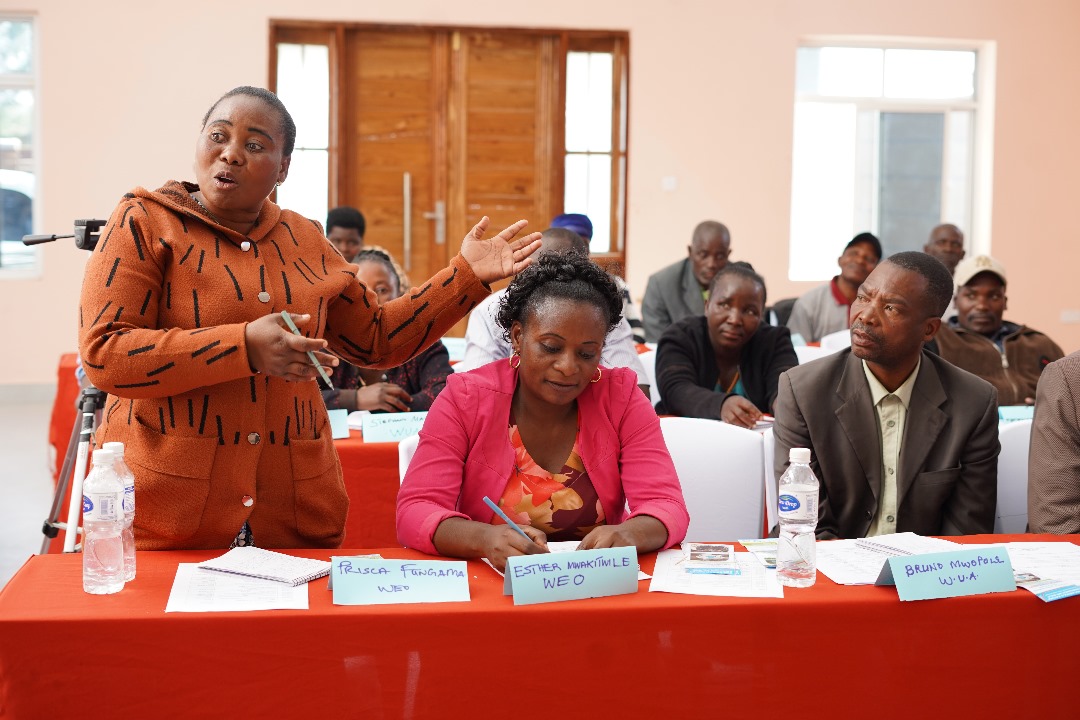
Photo: SUSTAIN Eco Project

Photo: SUSTAIN Eco Project

From 30th June - 2nd July 2025, SUSTAIN Eco project-funded by SIDA, supported a 3-day capacity-building workshop in Sumbawanga, bringing together Lake Rukwa Basin water board- LRBWB, Lwiche Water User Association (WUA) leaders, Division Officer- on behalf of District Commissioner, Ward Executive officers, and District Environmental Officer to explore better means for coordination and enforcement of water resources conservation.
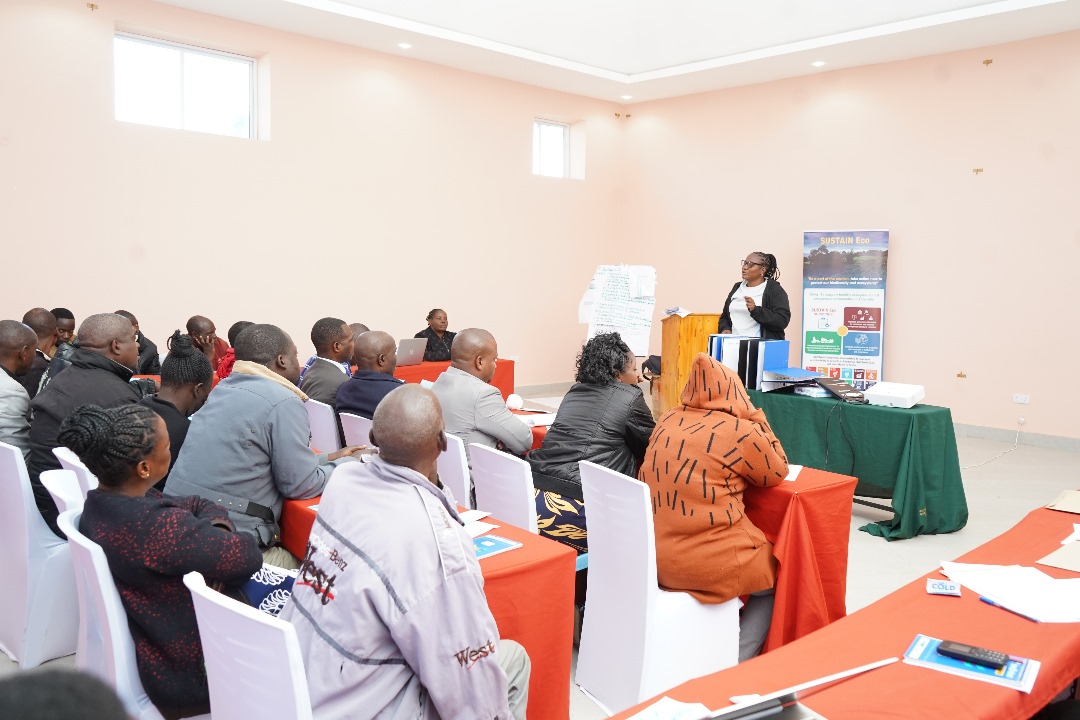
The workshop aimed at strengthening the capacity of WUA leaders in key areas including understanding and implementation of the National Water Policy (2002) and Water Resources Management Act No. 11 of 2009, leadership and good governance practices, financial management (with focus on budgeting, record keeping and report writing), Fundraising strategies and Resource mobilization, biodiversity conservation within sub-catchments, and participatory law enforcement.
The sessions were interactive and practical, allowing participants to reflect on their roles, share experiences, and draft action plans tailored to their local contexts. Tools such as quarterly reporting formats were introduced and adopted. Files, counter books, and rim papers were provided to support record keeping and thus enhance transparency. Participants expressed commitment to applying agreed actions to improve accountability, transparency, and conservation efforts in their respective areas.
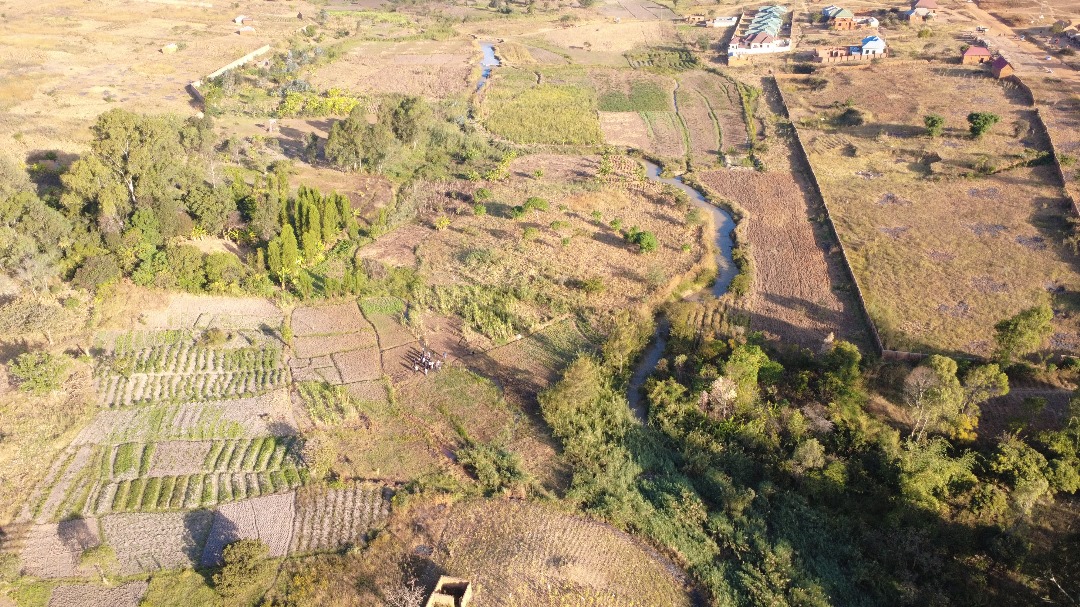
Field session was also conducted where participants visited the site to observe and learn how to conduct 60 M buffer zonation and witness how river channels are being destroyed. This field visit acted as a wake-up call for WUAs to start implementing their responsibilities.


