Building local institutions and sustainable financing
In Cambodia as in other developing countries, lasting conservation depends critically on local leadership and financial self-reliance so communities can manage their resources when external funding disappears. A goal of the UK DEFRA funded Biodiverse Landscapes Fund (BLF) Project and many other biodiversity conservation projects is to leave behind community-led organizations with the capacity to effectively manage their natural resources, raise funds independently, and take advantage of new economic opportunities.
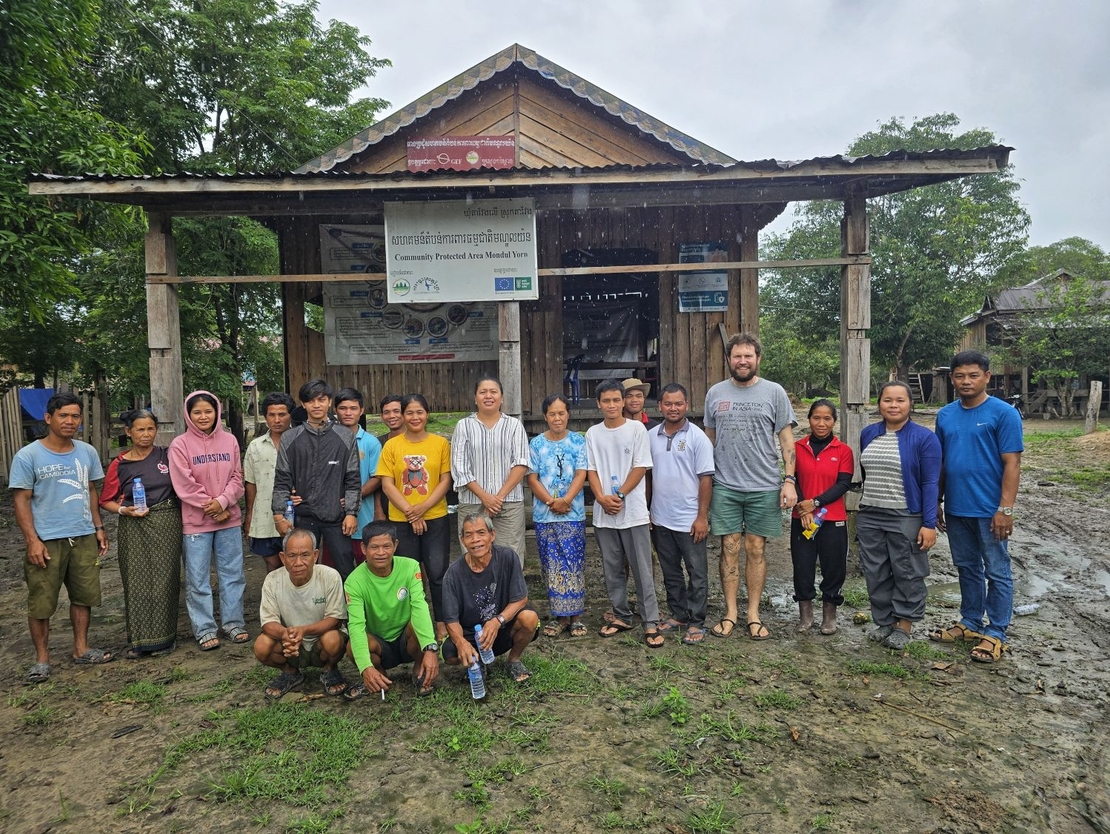
This is a significant challenge. In Cambodia, committees responsible for community fisheries and community protected areas (CPAs) are recognized in law. However, a 2022 assessment found that less than one-third of community fisheries committees are operational, and the same could be true for CPAs.
In Cambodia, BLF works in Virachey National Park (VNP), which is home to five CPAs covering a total of 20,000 hectares, by far the largest CPA area in any protected area in Cambodia. This reflects VNP’s importance as a homeland for Indigenous Peoples, such as Brao, Kavet, and several others who have depended on the park’s natural resources for their livelihoods and cultural identity for hundreds of years.
CPA legislation grants local communities access, use, and management rights within protected areas, but does not establish full land ownership. CPAs are an attempt to achieve a win-win situation for both the managers and resource users.
CPAs could form the institutional basis for inclusive tourism characterized by both natural and cultural diversity and other business ventures. But institutional capacities remain weak. Leadership roles within community organizations are often tempting opportunities for individuals to pursue personal interests or benefits. In the context of poverty and limited economic opportunities, it is understandable: these roles may represent the only chance for someone to improve their own or their family's prospects. However, while this dynamic is human and predictable, it creates serious challenges for the credibility and sustainability of community-based management. When leadership becomes a pathway to private gain rather than collective benefit, trust erodes, participation drops, and conservation or development goals are undermined.
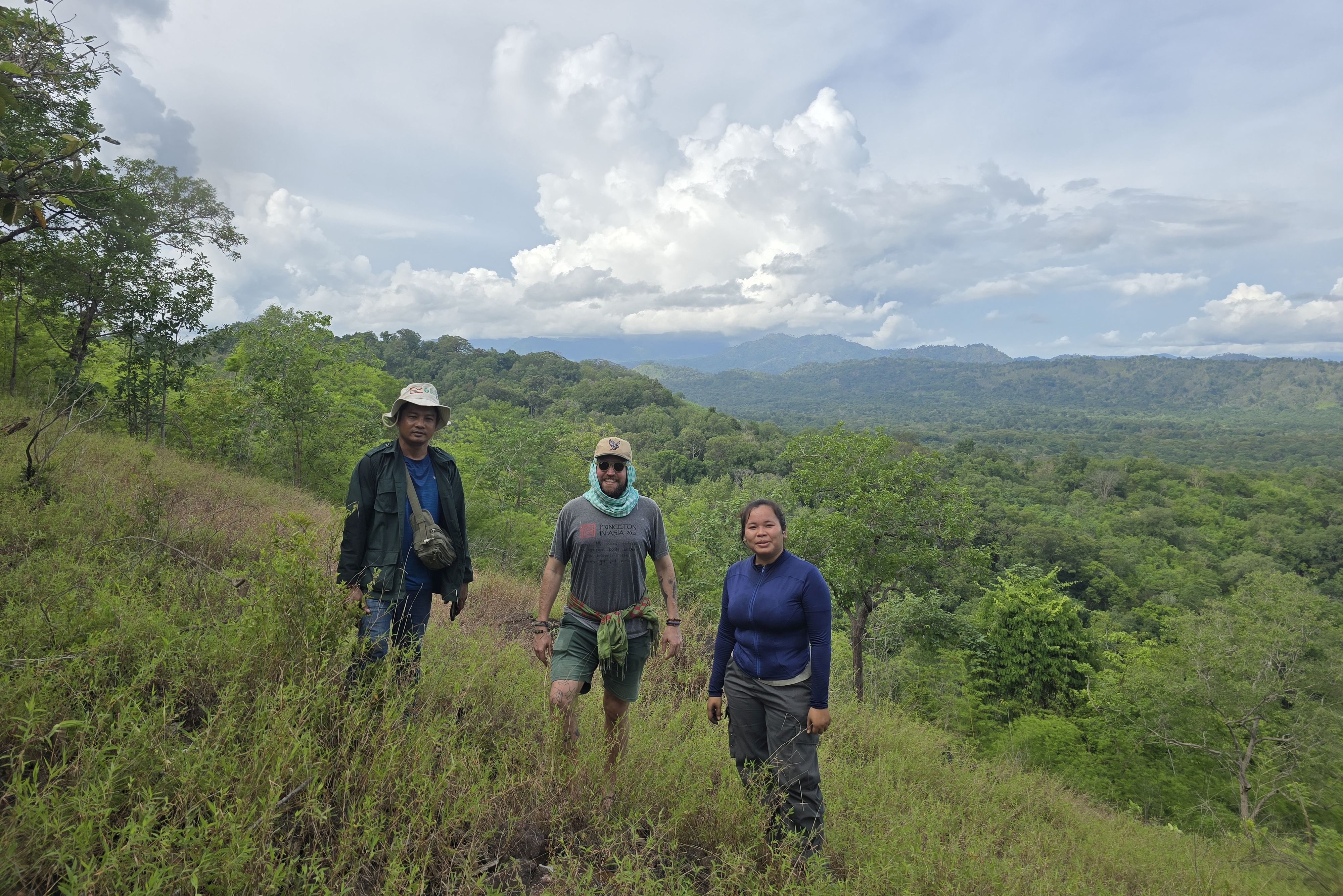
Starting in 2015, the financial model for CPAs in VNP relied on monthly membership fees collected by CPA committee members from each household. But this system faced significant challenges. In several cases, funds went missing, leading to a loss of trust among community members. The fee collection process was labour-intensive and time-consuming. And because profitable NTFP collection, such as malva nuts and mushrooms, only occurred a few times per year, many households questioned the value of paying membership fees year-round. They were also required to pay separate access permits and NTFP harvesting fees. As a result, the perceived benefit of monthly membership was low, undermining community buy-in.
One reason why membership fees and other forms of sustainable financing are often underappreciated by NGOs is the long-standing availability of grants to subsidize local communities. This has reduced the incentive to encourage self-financing and community self-reliance. However, with ODA budgets shrinking and donor support becoming less predictable, this approach is no longer sustainable. Financial sustainability can no longer remain a vague aspiration, often cited but rarely implemented; it must become a fundamental pillar of our conservation strategies moving forward.
In Cambodia’s freshwater fisheries sector, sustainable financing has boosted community self-confidence and management capacity. This success is related to the characteristics of the resource: fish populations can be effectively protected by establishing fish conservation areas, and, when left undisturbed, stocks rebound quickly, resulting in improved catch size, diversity, and value. And as livelihoods have improved, the proportion of fishers paying monthly membership fees has increased. Sustainable financing has helped trigger a virtuous circle.
By contrast, in terrestrial ecosystems such as those in VNP, ecological recovery is far slower. Key NTFPs, like malva nut trees, take several years to yield fruit and decades to reach maturity, and their scattered distribution across CPAs makes them difficult to protect. Economic incentives sometimes encourage harmful short-term actions, such as cutting down trees to harvest nuts, benefitting individual collectors at significant cost to the broader community.
Nonetheless, indigenous cultural values provide powerful conservation mechanisms that parallel formal ecological protections. In many CPAs, communities ascribe sacred values to certain places, including groves where malva nut trees grow. Within these sacred areas, resource harvesting is forbidden, and the trees are left untouched. As a result, malva nut trees thrive and regenerate in abundance.
Furthermore, as awareness grows about the damaging effects of cutting down malva nut trees, CPAs are becoming more proactive. They increasingly focus on community education, informing collectors about the long-term consequences of tree cutting, and are strengthening patrols to reduce this and other unsustainable practices.
Replicating the sustainable financing model used by community fisheries may offer a practical pathway for funding CPA management in VNP. In the fisheries sector, development partners seed a fund, typically $5,000, into a communal bank account, with the committee using the monthly interest (about $40) to cover recurring costs. Some communities have used this income to start higher-risk, higher-yield saving and loan schemes.
For VNP, given the larger area and greater patrolling needs, the initial endowment would need to be about $20,000 to generate enough income to cover a meaningful share of management costs. Importantly, visible improvements in CPA management would build confidence, making it easier for committees to encourage families to pay their membership fees.
As experience from the fisheries sector shows, the effectiveness and credibility of local committees are key to sustainability. When communities perceive their leadership as transparent, competent, and accountable, engagement increases. For this reason, external support should prioritize strengthening governance and enhancing the technical, financial, and leadership capacities of committees.