Harmonising Nature and People: National Parks and Rangers in Japan
In the early part of December 2025, we were invited to Japan to, amongst other topics, learn about and exchange views on Japan’s national park policy. Japan's national park system is a highly unique system that has protected the nation's invaluable natural environments for over 90 years by harmonising nature and culture. We also experienced the world-famous Japanese warmth and hospitality.
Article by Hana Matsuzaki and Jennifer Kelleher
Setting the scene: National Park Discovery Centre:
The Protected, Conserved and Heritage Areas (PCHA) Team alongside the IUCN World Commission on Protected Areas (WCPA) and the IUCN Asia Regional Office (ARO) were invited to a three-day visit packed full of experiences.
Our visit began with a short visit to the Shinjuku Gyoen National Garden, with its interactive and innovative National Park Discovery Centre, which serves as a gateway to Japan’s national parks. Japan’s 35 National Parks host a variety of landscapes, from drift ice to coral reef, reflecting to the country’s geographical feature extending north to south. The centre's exhibitions introduce the features of national parks from both natural and cultural perspectives in a stimulating and exciting way, allowing the visitor to experience the national parks through immersive light, video and photo installations and exhibitions.

Photo: Participants receiving a brief at the National Park Discovery Centre © Ministry of the Environment, Japan
Natural Park System in Japan and the Unique Role of Rangers
Three types of natural parks, including national parks, are designated, governed and managed with the aim of conserving beautiful biodiverse landscapes and their ecosystems, and contributing to the health, recreation, and culture of the people through promoting their use.
The “zoning system” characterizes the uniqueness of Japan's national park system. Many of Japan’s national parks display characteristics of shared governance with park plans carefully formulated and implemented in collaboration with key stakeholders.
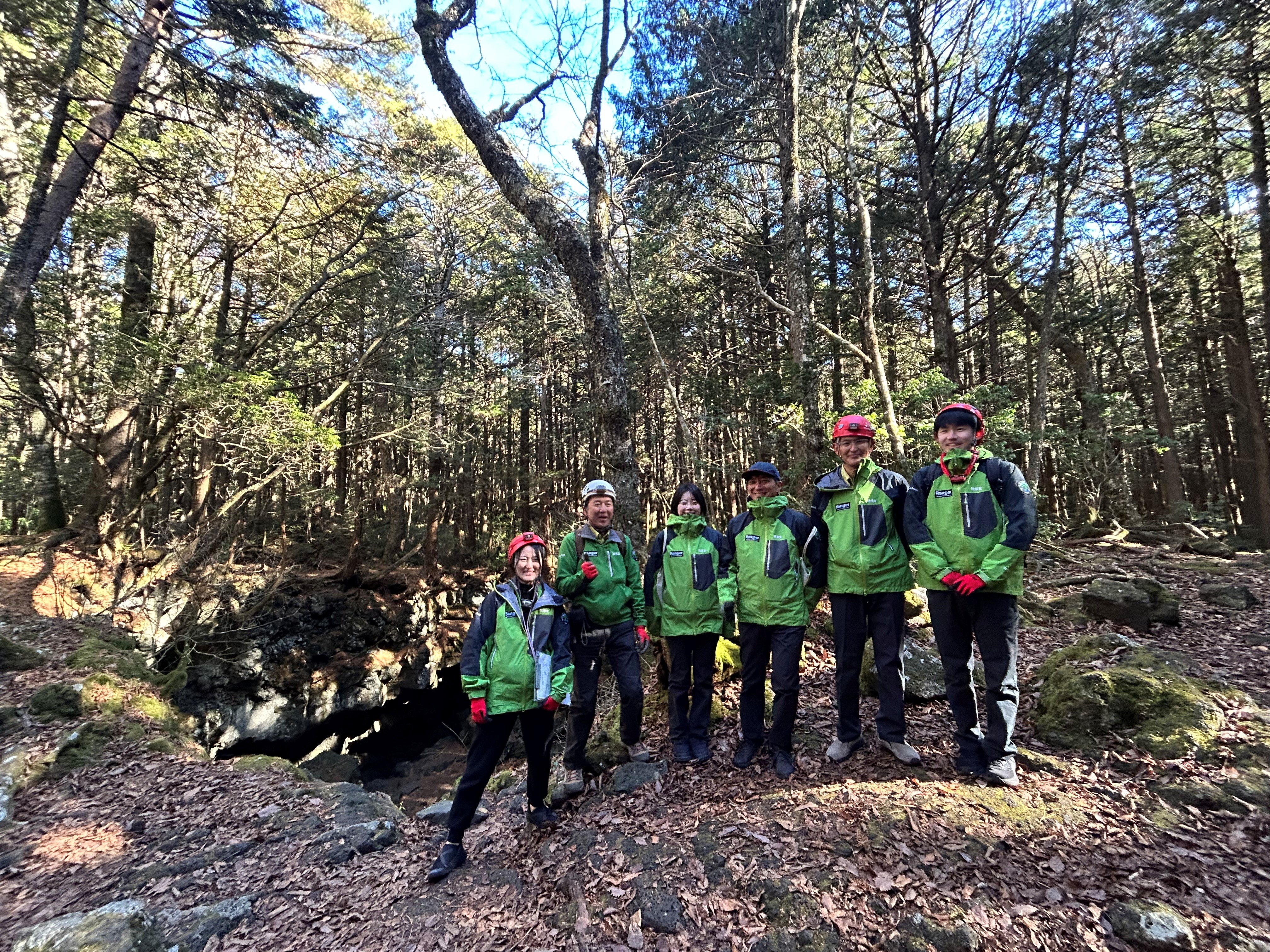
Photo: Japan's National Park Rangers in the Fuji Fuketsu (Wind Cave) © Jennifer Kelleher
Collaboration with key stakeholders is emphasized not only in park planning but also in the activities of park rangers. The primary activities of rangers encompass not only “typical” ranger’s activities such as park management and wildlife protection /management, but also collaboration with communities and administrative coordination with various stakeholders. For example, organising consultation meetings with communities are part of their important activities and other things like maintaining and managing footpaths through cooperation with local stakeholders.
A visit to Fuji-Hakone-Izu National Park
As can be seen in most of the national parks, nature conservation is deeply rooted in Japan's cultural background. This visit demonstrated how cultural factors, including mountain worship, have profoundly influenced why nature relatively close to urban areas has been preserved for so long.
The importance of collaboration with key stakeholders was deeply reflected in the visit programme as well. The IUCN delegation received briefings not only from nationally appointed park rangers, but also from the prefectural government, prefecturally appointed rangers, a local tour guide, a ryokan (Japanese traditional accommodation) owner, and a local NPO. All stakeholders, from their respective positions, aimed to achieve harmony with the national park and fulfilled their respective roles in its conservation.
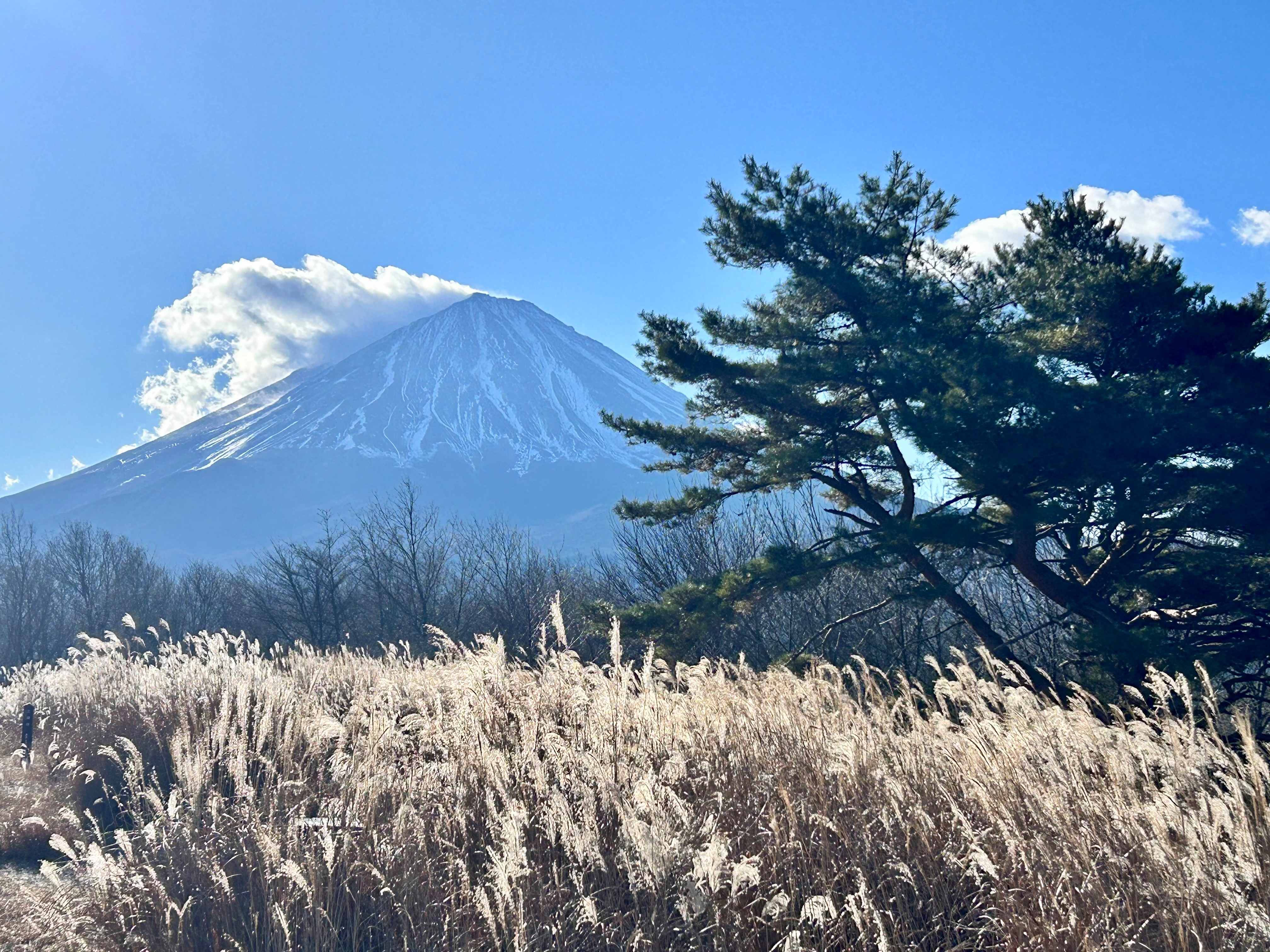
Photo: Japan's Mount Fuji © Jennifer Kelleher
Strong partnership with IUCN
The relationship between the Japanese national park sector and IUCN is a long-standing one, and since the launch of the Asia Protected Areas Partnership in 2014, this collaboration has grown even closer. Japan has strong IUCN presence with an IUCN councillor, WCPA members and the Japan Committee for IUCN.
This visit provided an invaluable opportunity to learn about the unique harmony between Japan’s nature and culture, and to foster mutual understanding for the strengthening of our cooperative relationship towards 2030 and beyond. We look forward to continuing our good relationship.
これからもよろしくお願いします。