25th National Coordinating Body Meeting on Coastal and Marine Issues Held in Karachi
The 25th meeting of the National Coordinating Body (NCB) was held on February 6, 2026, in Karachi, bringing together key stakeholders to review progress and deliberate on priority coastal and marine conservation issues in Pakistan.
25th National Coordinating Body Meeting on Coastal and Marine Issues
Photo: IUCN Pakistan

25th National Coordinating Body Meeting on Coastal and Marine Issues
Photo: IUCN Pakistan

The meeting was attended by representatives from government line departments and agencies, as well as academia, civil society, private sector, representatives from Pakistan Navy and Ministry of Defence.
In his welcome remarks, Mr Mahmood Akhtar Cheema, Country Representative, IUCN Pakistan, acknowledged the collective efforts of participating organizations. Mr Cheema noted the NCB’s continuity and value as a multi‑stakeholder platform sustained through collaborative commitment. He recalled the NCB’s evolution from the Mangroves for the Future (MFF) platform and acknowledged the support and contributions of member institutions – particularly provincial departments and the Pakistan Navy – towards advancing coastal and marine conservation priorities.
The meeting was chaired by Ms Aisha Humera Chaudhary, Federal Secretary, Ministry of Climate Change & Environmental Coordination (MoCC&EC), Government of Pakistan. The Chair appreciated the role of IUCN Pakistan in convening the NCB forum and supporting coastal and marine conservation efforts, including progress on the Astola Island Marine Protected Area (MPA), identification of potential new MPA sites, and implementation of community-level small grants initiatives. The Chair observed that much of the progress on Marine Protected Areas in Pakistan could be attributed to the NCB platform, which has helped maintain coordination among key stakeholders, and noted that the forum continues to provide an important mechanism for shared decision-making on coastal and marine ecosystem protection and restoration.
While acknowledging Engro Foundation for facilitating regular NCB meetings and for its continued commitment to the conservation of Pakistan’s coastal and marine resources, the Chair emphasized that the NCB remains a vital forum for coordinated action and continues to support Pakistan in meeting its national and international commitments, including those related to the Convention on Biological Diversity (CBD) and the Global Biodiversity Framework.
The agenda included a review of the minutes of the previous NCB meeting, followed by detailed discussions on ongoing initiatives and emerging challenges in coastal and marine governance. Also attending the meeting was Prof. Dr. Syed Moazzam Nizami, Inspector General Forests (IGF) and Secretary of the NCB, who presented compliance status on the decisions and recommendations of the previous NCB meeting.
The meeting featured a progress presentation on the implementation of the Astola Island Management Plan, Pakistan’s first MPA, highlighting conservation actions undertaken to protect Pakistan’s first designated Marine Protected Area. Participants discussed achievements, gaps, and the way forward to strengthen on-ground implementation.
Mr. Riaz Ahmed Wagan, Chief Conservator of Forests, Sindh Forest & Wildlife Department presented a feasibility study on two new proposed MPAs – Dabbo and Patiani Creeks – in the Indus Delta. The presentation outlined the ecological and socio-economic significance of the proposed area, highlighting the presence of mangrove ecosystems and associated biodiversity, the role of the creeks as breeding and nursery grounds for fish and shrimp, and their importance as habitat for migratory birds and other marine fauna.
A presentation by the Pakistan Navy showcased its ongoing mangrove plantation initiatives, outlining the number of mangroves planted to date and their role in coastal protection and climate adaptation. The initiative was appreciated by participants as a strong example of institutional contribution to ecosystem restoration.
The 25th NCB meeting concluded with a shared commitment to enhance collaboration, accelerate implementation of agreed actions, and continue collective efforts toward the sustainable management of Pakistan’s coastal and marine resources.


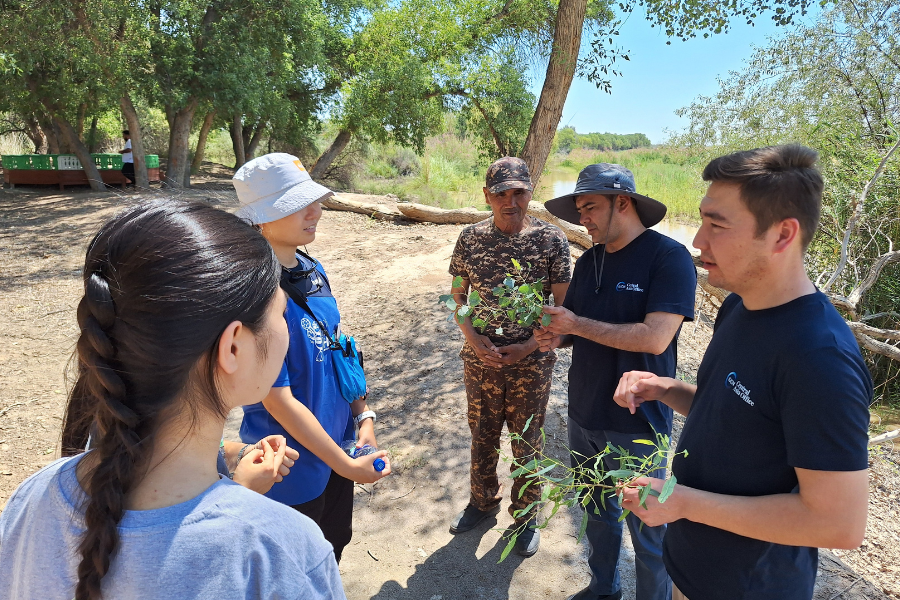
In Kashkadarya, Khorezm and the Republic of Karakalpakstan, local communities are helping turn…
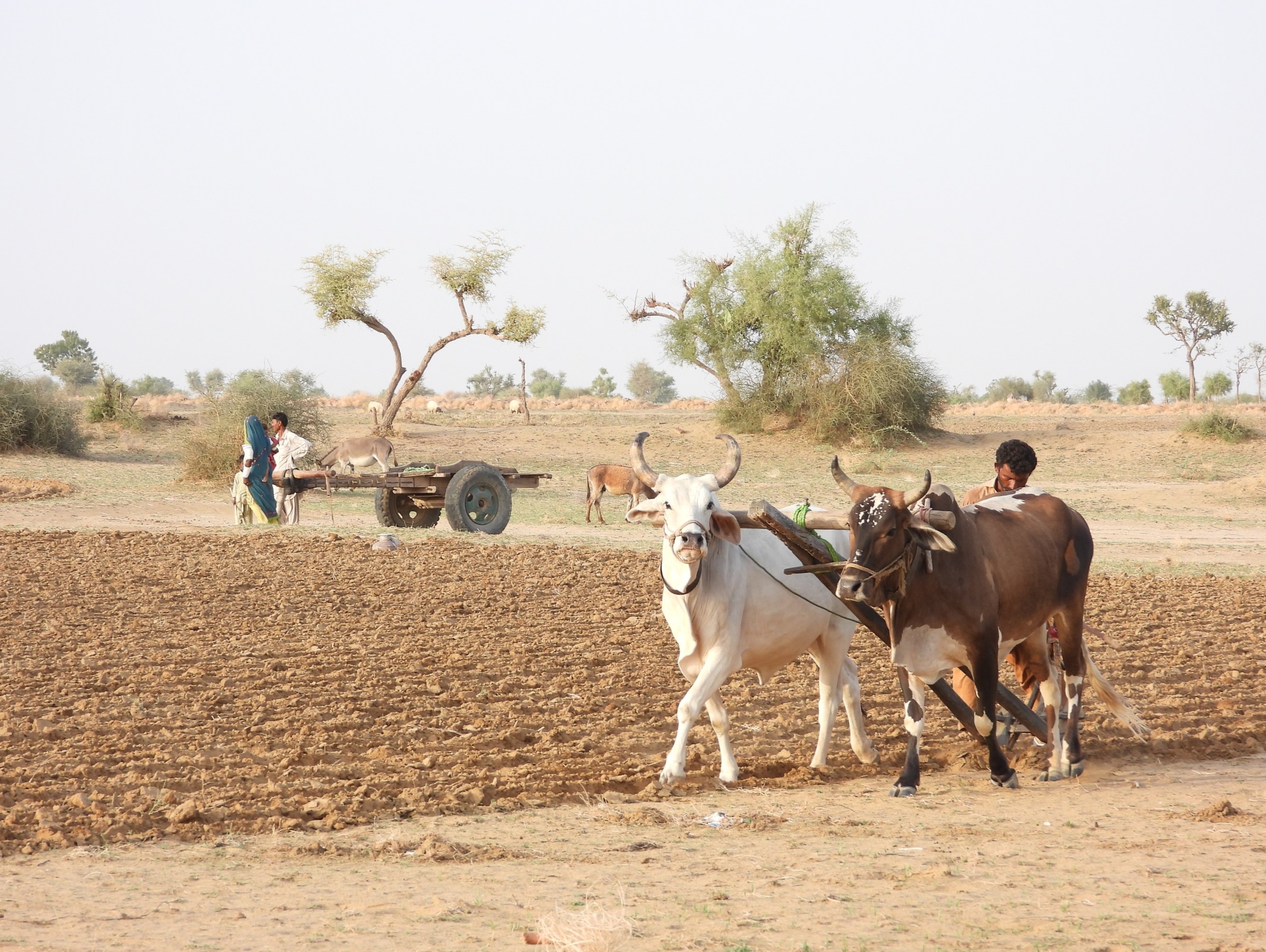
The third in a five-part series, this webinar brought together speakers from across West and…

This week, the Yerevan Municipality hosted the inaugural ceremony marking the establishment of the…