Supporting One Health and wetland conservation
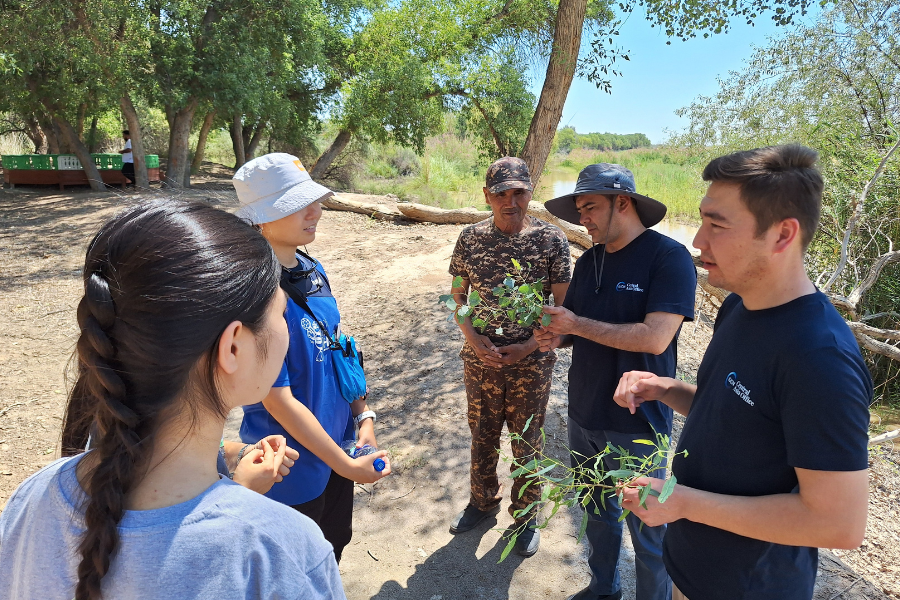
Wetlands also play a crucial role in regulating interactions between wildlife, livestock and human populations. Through the One Health in Nature Conservation in Central Asia project, IUCN supports conservation action in Ramsar-listed wetlands in Kyrgyzstan and Kazakhstan, including Lake Issyk-Kul, Son Kul, Chatyr-Kul, and the Alakol - Sasykkol Lakes system.
Working with national authorities, scientists and local communities, the project strengthens protected area management, wildlife monitoring and inclusive governance in line with the IUCN Green List Standard. By improving ecosystem health and management practices, these efforts help reduce zoonotic disease risks while sustaining the natural resources communities depend upon.
Community-driven conservation in the Western Balkans
In the Western Balkans, wetlands also carry deep cultural and historical value. At Lake Ohrid, one of Europe’s oldest and most biodiverse freshwater ecosystems, a World Heritage and Ramsar site, IUCN supported national authorities in North Macedonia in strengthening legal protection through the preparation of a Valorisation Study and management planning, helping secure long-term conservation of this unique ecosystem.
Further west, the Buna River–Velipoje wetland system, shared between Albania and Montenegro, demonstrates how community engagement drives conservation success. Through the Living Buna project, local initiatives in sustainable tourism, water management and agriculture were supported, empowering communities to actively participate in managing the landscapes that sustain their livelihoods.
The creation of Vjosa River National Park in Albania shows how protecting ecosystems also safeguards heritage and community connections to rivers and landscapes that have shaped local life for generations. IUCN is currently supporting park management through the implementation of the IUCN Green List Standard to help effective conservation and management, while stories documented in photographer Jutta Benzenberg’s Vjosa Lifeblood series capture how protecting the Vjosa is not only about nature, but also about people, identity, and heritage.
Bridging knowledge systems for future generations
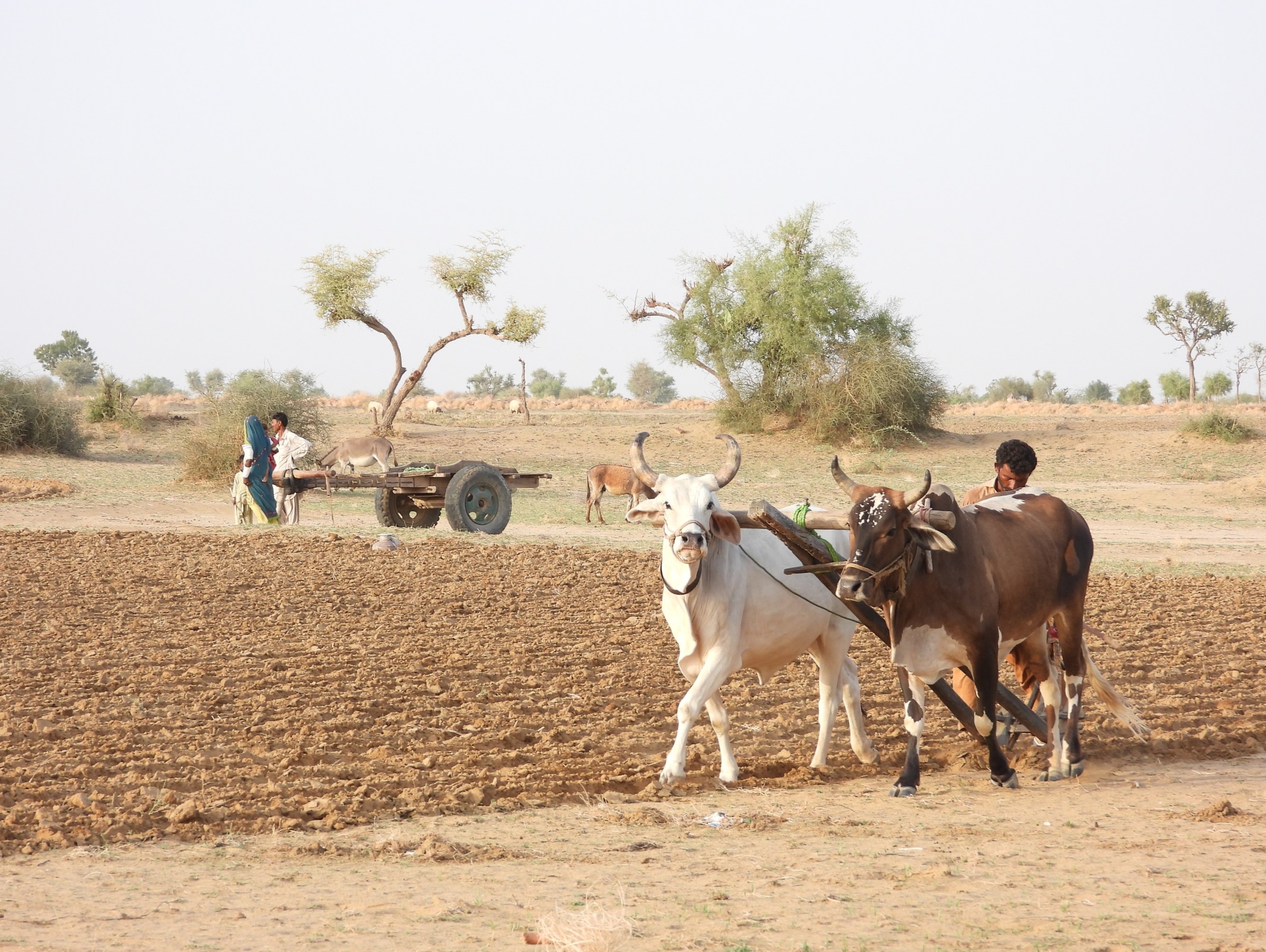
Across these diverse landscapes, a common lesson emerges: wetlands thrive where conservation action integrates both scientific knowledge and local experience. Traditional land and water management practices often provide valuable insights into sustainable use, resilience and adaptation, knowledge increasingly vital in the face of climate change and environmental pressures. Through partnerships with the Ramsar Convention and regional stakeholders, IUCN continues to bring together science, policy and community knowledge to advance the wise use of wetlands across Eastern Europe and Central Asia.
As we celebrate World Wetlands Day, we are reminded that protecting wetlands is not only about conserving biodiversity, it is about preserving culture, strengthening resilience and ensuring that future generations inherit landscapes where nature and people continue to flourish together.