From Cork Oak to Atlas Cedar - five iconic trees showcasing the diverse values of Mediterranean forests
The theme of this year’s International Day of Forests - Forests and Economy - emphasises the essential role of forests in driving economic prosperity, ensuring healthy economies and sustaining the livelihoods of local communities while providing a wide range of benefits to people.

Forests and trees tell us the story of the communities who interact with them, who shape their customs but are also shaped by their management practices and uses. On #ForestDay, we present five iconic trees which are rooted in Mediterranean societies, highlighting their economic, cultural and ecological significance together with the initiatives deployed by IUCN Med and Members in the region to protect, restore and sustainably manage these multifunctional landscapes.
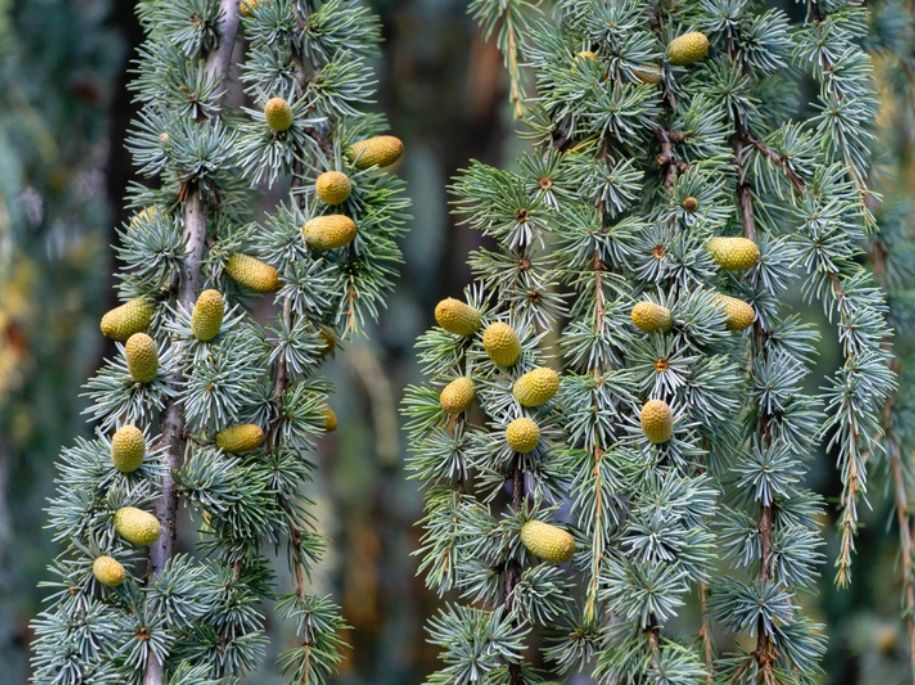
Atlas Cedar
From the Atlas Mountains and Rif in Morocco to the Tell Atlas in Algeria, the Atlas Cedar (Cedrus atlantica) is scattered across several mountainous areas of North Africa. In the region, this native tree is considered a guardian of economic activity in rural areas, including agriculture, beekeeping or tourism and holding special significance for the mode of life of Amazigh communities. Due to its high resistance to insects, the wood of the Atlas Cedar has been traditionally used in carpentry, in the construction of buildings, palaces and mosques. Despite its high resistance to adverse weather conditions, the combined effects of warming, droughts, wildfires and unsustainable human activities have led to a dramatic decline of the Atlas Cedar in North Africa in the last decades.
In Morocco, where cedars serve as headwaters for rivers supplying cities like Casablanca or Rabat, the development of forest management schemes in certain protected areas has been instrumental in increasing revenue for local communities. An example of this can be found in the Ifrane National Park, where over 1000 livestock breeders collectively receive 2,053,750 MAD (over $200,000 USD) annually in compensation for protecting regenerated cedars.
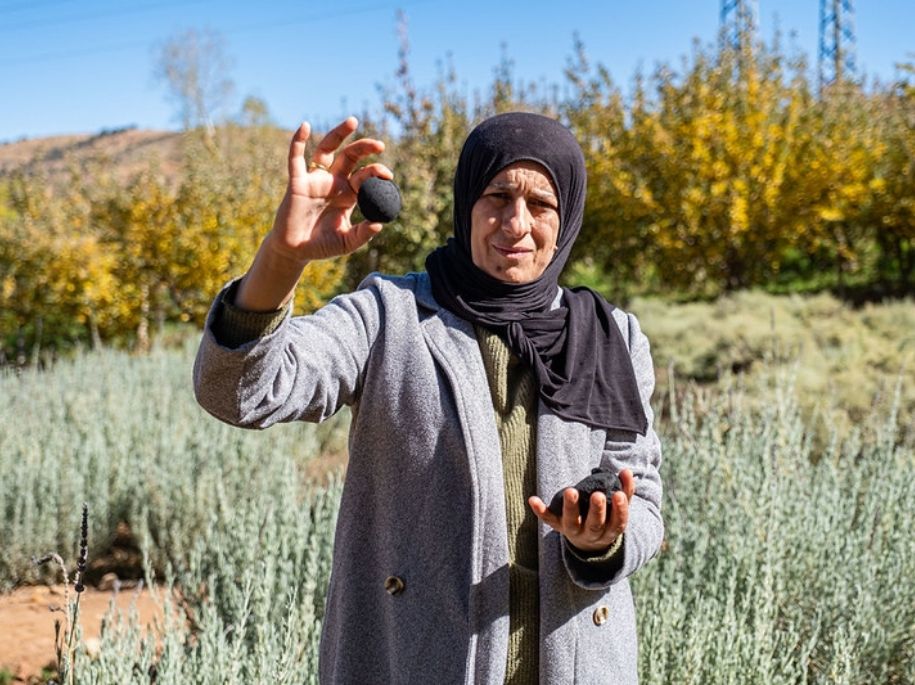
Further south, in the Khénifra National Park, IUCN Med is contributing to the restoration of cedar forests in as part of FERMA - Femmes Résilientes au Moyen-Atlas - a project led by SOCODEVI and funded by Global Affairs Canada in cooperation with the Moroccan National Water and Forestry Agency - a Member of the IUCN since 1958. One of the main goals of this project is to strengthen the participation of local communities in forest management plans, focusing on the role of women, while fostering the sustainability of women’s cooperatives and improving the profitability of Non-Wood Forest Products (NWFP). In addition to benefiting 1,500 women and a total of 2,650 people, FERMA promotes best management and governance practices supporting the integration of the park in the IUCN Green List of Protected and Conserved Areas.
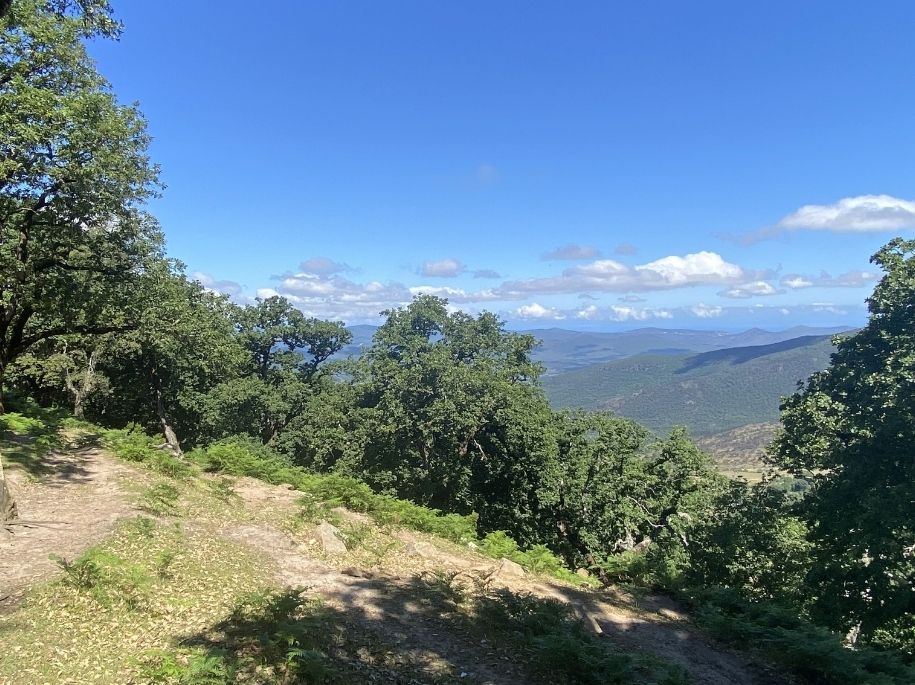
Cork Oak
The Cork Oak (Quercus suber), a native tree from the Western Mediterranean, is considered globally the only species enabling the sustained production of cork for economic purposes. Most of this production originates in the Iberian Peninsula, France and Italy, besides generating key income for rural communities in the North of Africa, especially in marginalised areas with limited opportunities for employment. The spongy bark layer of the cork oak can be removed without felling, which makes it an example of a sustainable cultural practice shared across generations in the Mediterranean. Bottle stoppers, house insulation and flooring or decorative items are some of the most common marketable products of cork.
In Tunisia, the Cork Oak is key to the economic valuation of biodiversity-rich areas, such as the National Park of Oued Ezzen - one of the pilot sites of the RESCOM project implemented through the Mediterranean Biodiversity Consortium, co-founded in 2021 by IUCN Med and another five Mediterranean organisations. One of the members of this Consortium - the International Association for Mediterranean Forests (AIFM) - is currently offering key support to the Tunisian Directorate General of Forests and its local forest services in the Aïn Draham region on technical aspects for implementing an innovative and integrated participatory Management Plan. The technical approach followed at this site aims to improve the management of visitor flows and promote responsible ecotourism, ensuring the conservation of the park’s exceptional biodiversity while generating sustainable income for local communities. Beyond site-level actions, these practical experiences are expected to support Tunisian authorities in adapting existing legislative and regulatory frameworks - often considered outdated or restrictive - to better reflect current environmental, social and economic challenges.
Moreover, by considering the interactions between the forests and other natural habitats (notably riparian forests, wetlands and peatlands) the initiative seeks to enhance ecological connectivity following an integrated “multi-ecosystem” approach to power multi-functional Nature-based Solutions.
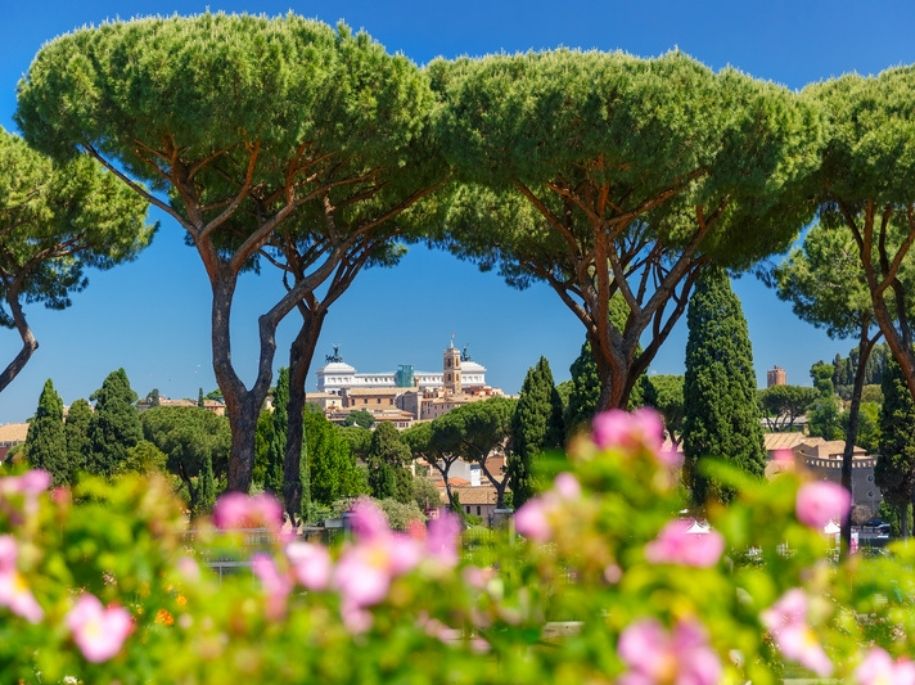
Italian Stone Pine
In addition to being a prominent symbol of the ancient Roman civilisation, the Italian stone pine (Pinus pinea) has been widely cultivated in the Mediterranean since the Palaeolithic era for its nutritious nuts, representing one of the few pine trees producing marketable nuts worldwide. Pine nuts are an essential ingredient of Mediterranean cuisine, including pesto, local varieties of traditional pastry, desserts or salads.
Despite the high value attributed to the nuts of the Italian pine tree, Mediterranean countries have seen cone productivity half since 2012 for this species, linked to dry cone syndrome and the spread of the invasive pest Leptoglossus occidentalis. Additional economic uses include the extraction of resin, cone shells for fuel or bark to produce tannin. In Mediterranean coastal areas, stone pines are frequently incorporated in ecological restoration projects both to protect dunes and stabilise the soil.
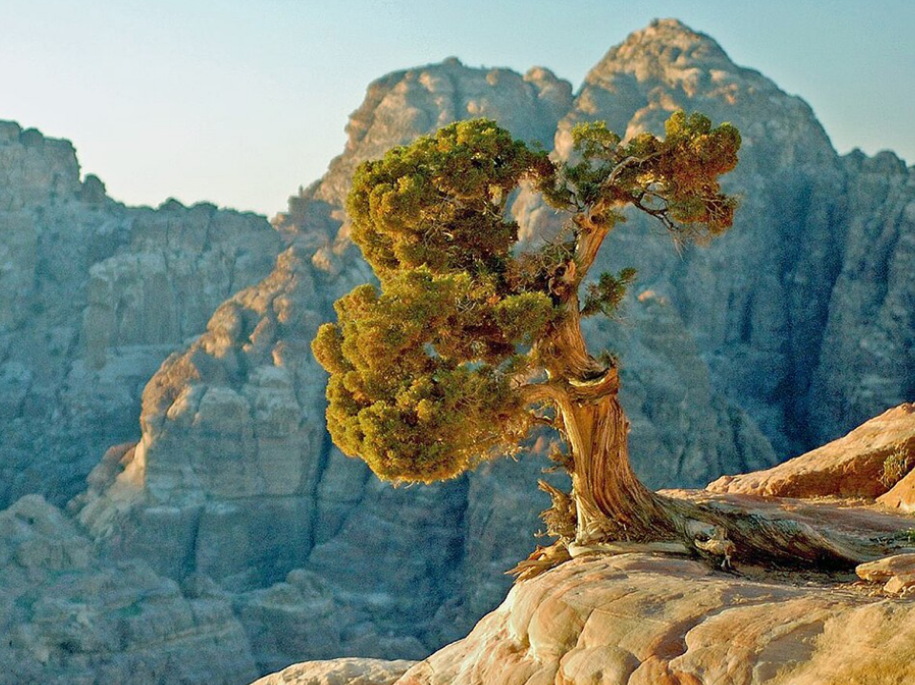
Mediterranean Juniper
The Mediterranean juniper (Juniperus turbinata) is an emblematic tree of the dunes and hills of North Africa and the Eastern Mediterranean. The diverse economic and cultural uses of junipers in the Mediterranean range from the production of aromatic wood, essential oils and cosmetics to traditional medicine, including respiratory and digestive remedies. Although it has a wide distribution, increasing fragmentation and loss of natural coastal habitats, mainly due to urbanisation, pose major challenges to the Mediterranean juniper, currently classified as ‘Near Threatened’ on the IUCN Red List of Threatened Species.
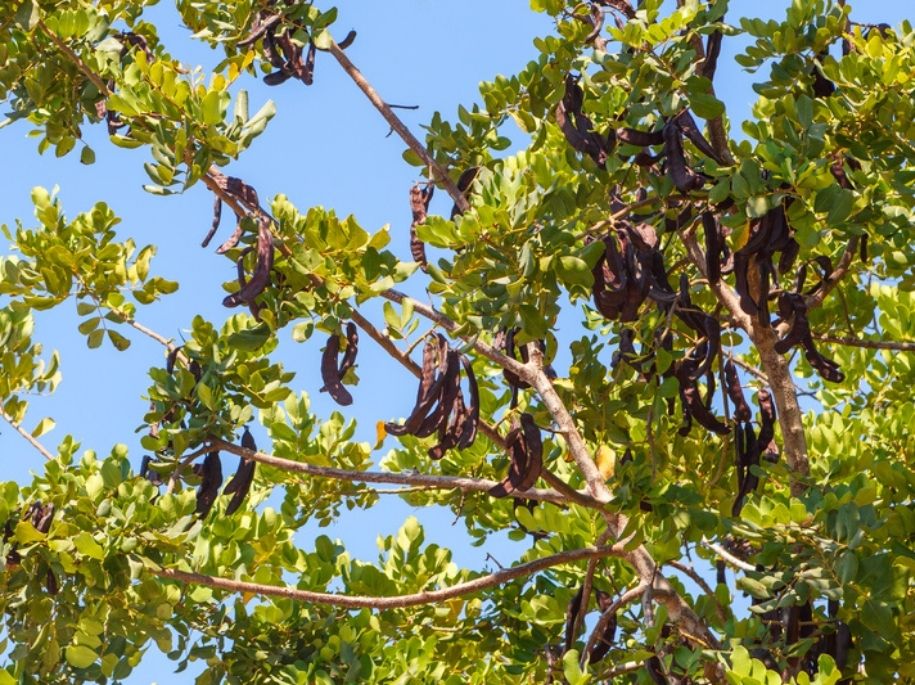
Carob Tree
Although once considered by farmers a low-value crop for subsistence and animal feed, research from recent years has helped boost recognition of the multiple values of the Carob Tree (Ceratonia siliqua), not only for food production, but also to promote local resilience against climate change. Nowadays, the most valued product extracted from carob seeds is locust beam gum, a natural thickener used in the production food, cosmetics and synthetic stabilisers.
Furthermore, given its low maintenance cost and outstanding capacity to grow in water-scarce areas, the carob tree has emerged as a key ally of Mediterranean farmers, particularly of those operating in drier regions. Where high temperatures challenge species survival, the generous shade provided by the carob tree helps create climatic refuges for microfauna and flora. In Tunisia, the Association Les Amis du Capte Tunisie with the support of the “Mubadarat IUCN” platform, has placed the carob tree at the centre of various agroforestry projects implemented with local farmers, enabling ecological corridors that benefit biodiversity and promote climate change adaptation.
IUCN’s commitment towards preserving Mediterranean forests
Conserving and sustainably managing Mediterranean forests is paramount to ensure that these iconic tree species and many others continue to sustain human well-being and local economies. Nonetheless, at least 16% of Mediterranean forest animal and plant species are threatened with extinction according to the State of Mediterranean Forests, jointly published in 2018 by FAO and Plan Bleu.
This figure illustrates the urgent need for coordinated action to protect forests in the region, promoting integrated management approaches that harness the various values and Nature’s Contributions to People of forests, while empowering the communities to become leaders of new initiatives.
The IUCN Centre for Mediterranean Cooperation supports these goals through partnerships and regional gatherings such as the Mediterranean Forest Week, capacity building activities on the use of the Restoration Opportunities Assessment Methodology (ROAM) and the development of restoration projects and Nature-based Solutions involving forest ecosystems.
Sources
Chenchouni, H., Abdelkrim, S.B. & Athmane, B. 2008. The deterioration of the Atlas Cedar (Cedrus atlantica) in Algeria. In Proceedings of international conference “Adaptation of forests and forest management to changing climate with emphasis on forest health: a review of science, policies, and practices”, pp. 25–28. Umeå, Sweden, Swedish University of Agricultural Sciences (SLU), FAO & IUFRO.
Haut Commissariat aux Eaux et Forêts et à la Lutte contre la Désertification (HCEFLCD). Compensation for set-asides for Atlas Cedar regeneration. PANORAMA Solutions for a Healthy Planet from https://panorama.solutions/en/solution/compensation-set-asides-atlas-cedar-regeneration
Varela, M. C. (n.d.). Cork and the cork oak system. Food and Agriculture Organization of the United Nations. https://www.fao.org/4/x1880e/x1880e08.htm
Vitisphere. (n.d.). Sealing wine for centuries: Portugal accounts for 50% of the world's cork production. https://www.vitisphere.com/news-63490-sealing-wine-for-centuries-portugal-accounts-for-50-of-the-worlds-cork-production-exclusive.html
El Khoury, Y., Noujeim, E., Bubici, G., Tarasco, E., Al Khoury, C., & Nemer, N. (2021). Potential Factors behind the Decline of Pinus pinea Nut Production in Mediterranean Pine Forests. Forests, 12(9), 1167. https://doi.org/10.3390/f12091167
FAO and Plan Bleu. 2018. State of Mediterranean Forests 2018. Food and Agriculture Organization of the United Nations, Rome and Plan Bleu, Marseille.
FAO. 2025. The status of Mediterranean forests 2025. Rome. https://doi.org/10.4060/cd6921en


The Bangladesh Forest Department (BFD) and IUCN Bangladesh, with support from Agence Française de…

Each year, International Women's Day is an opportunity to recognise the women advancing change in…

On 14 January 2026, in Dhaka, the Bangladesh Forest Department and IUCN Bangladesh formally signed…