New Publications Highlight Opportunities to Strengthen Conservation in the Kanchenjunga Landscape
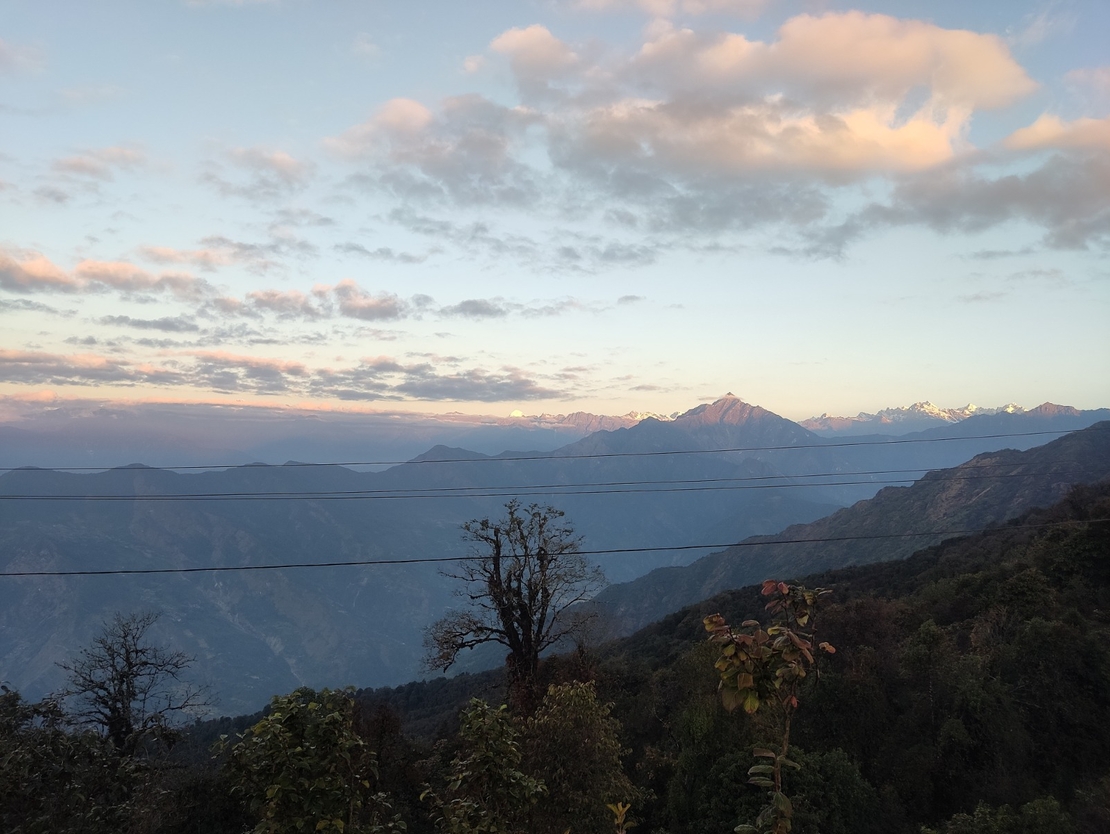
Two new publications highlight how conservation efforts in and around the Kanchenjunga Conservation Area can be strengthened. Produced by IUCN Nepal in collaboration with the UNESCO Office in Kathmandu, the studies were developed under the project Strengthening Community Engagement for Biodiversity Conservation in the Kanchenjunga Conservation Area, supported by the Kunming Biodiversity Fund.
Assessing Conservation Effectiveness

The publication IUCN Green List Assessment for Kanchenjunga Conservation Area evaluates how effectively the conservation area is governed and managed using the IUCN Green List framework.
The assessment used focus group discussions, key informant interviews, community consultations, field observations, and official records to measure performance. Results show that 22% of the indicators fully met the standards, while others were partially or nearly aligned. In total, about 44% of indicators show a positive level of progress.
However, important gaps remain. Performance was weakest in successful conservation outcomes and aspects of effective management. The study also identified concerns related to data quality, highlighting the need for stronger monitoring systems, institutional capacity, and sustainable financing.
Improving these areas would support global commitments such as SDG 15: Life on Land and SDG 13: Climate Action, as well as targets under the Kunming-Montreal Global Biodiversity Framework.
Expanding Conservation Beyond Protected Areas

The second publication, Identification of Potential Other Effective Area-based Conservation Measure (OECM) Sites Adjoining the Kanchenjunga Conservation Area, explores landscapes outside the protected area that already support biodiversity conservation.
The study assessed 2,599 km² of connected landscapes above 2,000 meters. About 72% of this area overlaps with biodiversity-important sites such as Important Bird Areas, Important Plant Areas, Key Biodiversity Areas, and wetlands.
A total of 18 potential OECM sites were identified, including community forests, rangelands, wetlands, and forest corridors. Key areas include the Red Panda Corridor linking the conservation area with protected areas in India, and the Tinjure-Milke-Jaljale complex connecting the Makalu-Barun National Park with the Kanchenjunga Conservation Area.
The study highlights the important role of community forest user groups in managing these landscapes. With additional technical and financial support, these areas could be formally recognized as OECMs, helping expand conservation beyond Nepal’s protected area network while strengthening ecological connectivity across the Kanchenjunga landscape.
Click the link below to download the documents-

The Bangladesh Forest Department (BFD) and IUCN Bangladesh, with support from Agence Française de…

Each year, International Women's Day is an opportunity to recognise the women advancing change in…

On 14 January 2026, in Dhaka, the Bangladesh Forest Department and IUCN Bangladesh formally signed…