Beneath our feet: Why soil biodiversity is key to Europe's future
New findings from the EU-funded SOILGUARD project reveal why protecting this invisible world is key to food security, climate resilience and Europe’s environmental future.

A single handful can contain between eight and ten billion living organisms, from bacteria and fungi to mites and microscopic invertebrates. Taken together, soils host an estimated 59% of life on Earth, making them one of the most biodiverse habitats on the planet. Far from being just the ground we walk on, soil is a living system that underpins food production, water regulation, climate stability and human wellbeing.
Yet across Europe, this vast underground ecosystem is in trouble.
More than 60% of soils in the European Union are considered unhealthy, degraded by intensive land use, erosion, compaction, pollution and the accelerating pressures of climate change. Despite its central role in sustaining life, soil biodiversity remains largely invisible in policy and public debate.
Over the past four years, the EU-funded SOILGUARD project has sought to change that. Bringing together 25 organisations, researchers analysed soil biodiversity in agricultural and forest ecosystems across more than 200 sites in eleven countries on four continents. IUCN Med played an active role in the partnership, gathering robust data on soil biodiversity across more than 200 sites in 11 countries on four continents. Its findings highlight the strong variability in soil biodiversity influenced by climate, soil properties, land use, and local conditions, showing that management practices must be tailored to each context. The results offer one of the most comprehensive pictures to date of how soil life responds to climate, land use and management.
“Healthy soils are not uniform,” explains Alberto Martín, biodiversity and agriculture expert at IUCN Med. “What works in a Mediterranean cropland may not work in a temperate forest. Our research shows that soil conservation must be adapted to local ecological realities if we want it to be effective.”
Evidence that change is possible

The project also provides encouraging news. Both conventional and organic farming systems show potential to improve soil biodiversity, ecosystem multifunctionality and productivity when appropriate management practices are applied. Soil life, it seems, can recover when given the right conditions.
Climate emerged as one of the most influential factors shaping soil biodiversity. Agricultural soils in regions with higher aridity and elevated temperatures during the warmest and driest seasons tended to host lower levels of biodiversity. However, moderate short-term droughts had limited impact in croplands and grasslands, suggesting that soil ecosystems may possess a certain buffering capacity against temporary stress.
These findings underline a critical point: while soils may withstand short climatic shocks, long-term aridity linked to climate change poses a more serious threat. Protecting soil biodiversity is therefore inseparable from broader climate adaptation strategies.
Societal benefits
Beyond its ecological complexity, soil biodiversity performs functions essential to society. Soil organisms drive nutrient cycling and the decomposition of organic matter. They contribute to food production, regulate pests and diseases, store carbon, filter water, detoxify pollutants and support hydrological processes that can reduce flood risk and mitigate drought. Healthy soils also carry cultural value, shaping landscapes and sustaining traditions, recreation and local identities.
Despite this, soil-specific legislation in Europe has long lagged behind other environmental domains. The adoption of the Soil Monitoring and Resilience Directive in October 2025 marks a turning point. The Directive establishes a legal framework for regular soil health assessments, monitoring and remediation, requiring Member States to maintain national registers of contaminated sites and systematically evaluate soil condition.
Four indicators to measure a living system
Soil biodiversity indicators are a central component of this new framework. Here, SOILGUARD offers concrete tools.
Researchers from the project identified four key indicators that together explain more than 70% of the variation in soil biodiversity: soil fungal biomass, prokaryote richness, mite abundance and total microbial biomass. Measured in a standardized way, these indicators can form the backbone of a consistent, science-based soil monitoring system across Europe, while allowing flexibility to account for regional differences.
“Without robust data, soil biodiversity remains invisible,” says Alberto Martín. “These indicators give policymakers a practical and scientifically grounded way to track soil life and integrate it into conservation and agricultural policies.”
As Europe moves to strengthen its environmental legislation, the message from beneath the surface is unmistakable. Soil biodiversity is not a marginal concern. It is an irreplaceable natural resource, fundamental to terrestrial life, food security and climate resilience.
The ground beneath our feet is alive.
Links:
Publication: Brochure summary
Project website: SOILGUARD

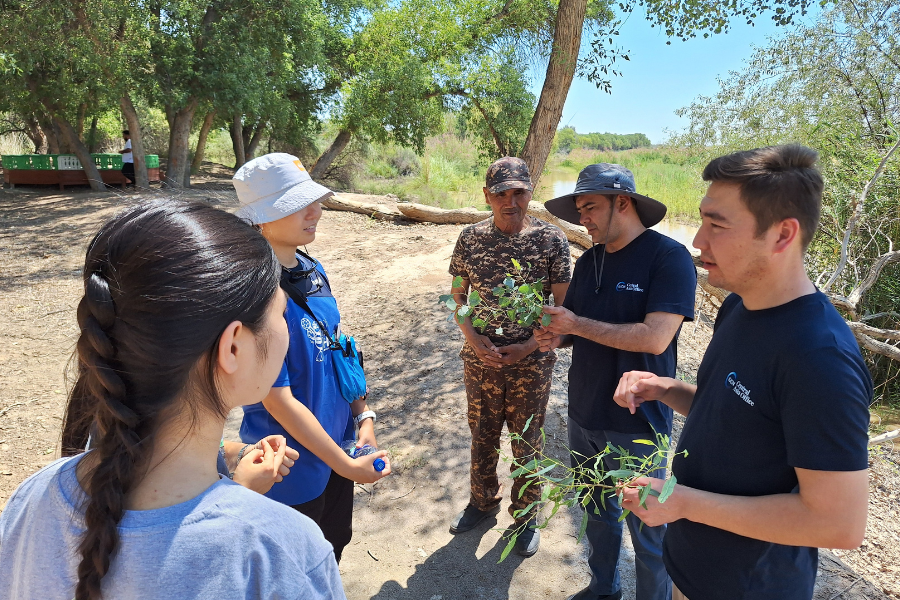
In Kashkadarya, Khorezm and the Republic of Karakalpakstan, local communities are helping turn…
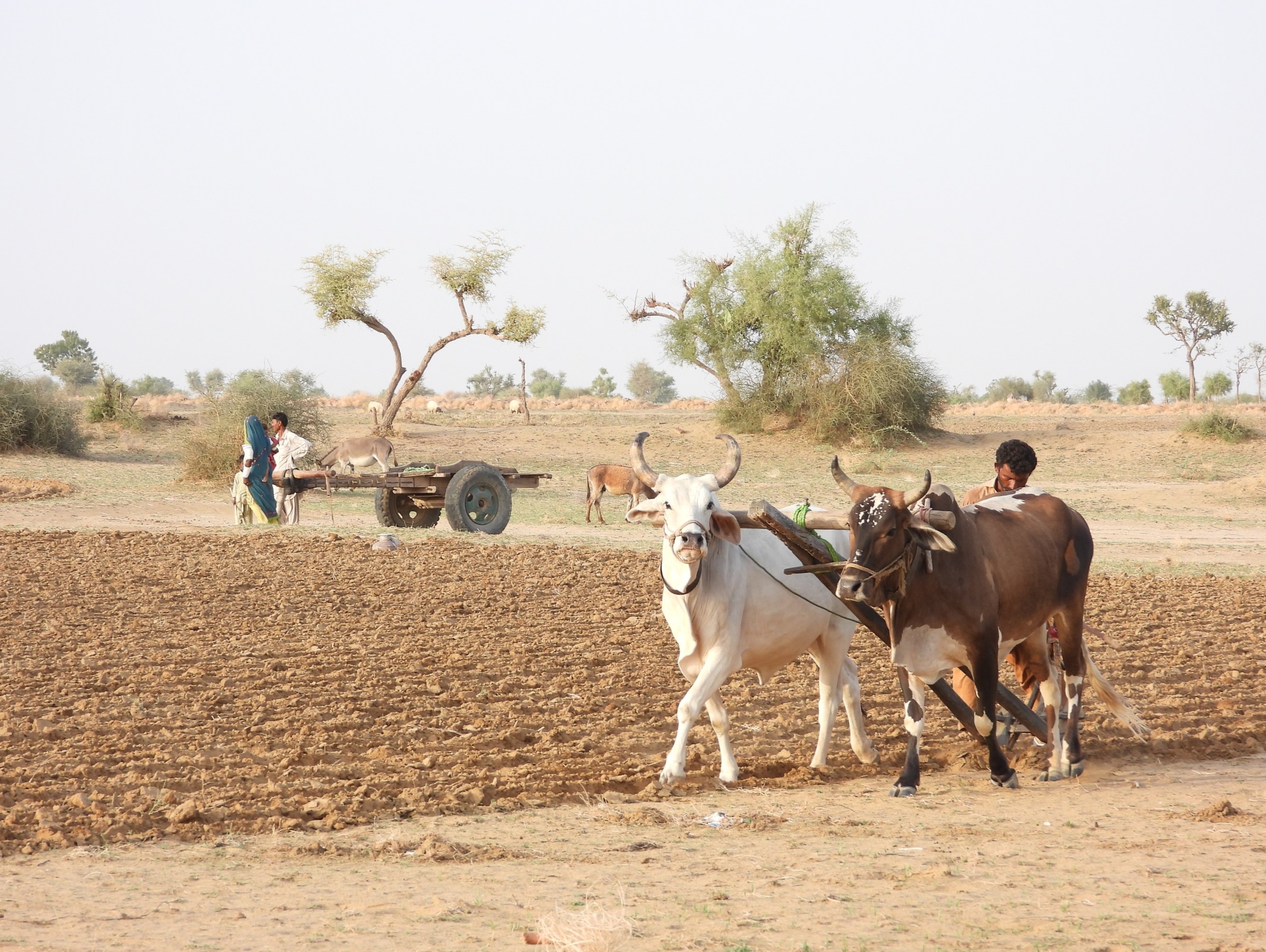
The third in a five-part series, this webinar brought together speakers from across West and…

This week, the Yerevan Municipality hosted the inaugural ceremony marking the establishment of the…