New IUCN report highlights the role of agricultural standards in supporting Nature Positive outcomes
Gland, Switzerland (June 25, 2026) – A new report by IUCN (International Union for Conservation of Nature) explores how voluntary sustainability standards can play a pivotal role in advancing biodiversity conservation and supporting a Nature Positive future.
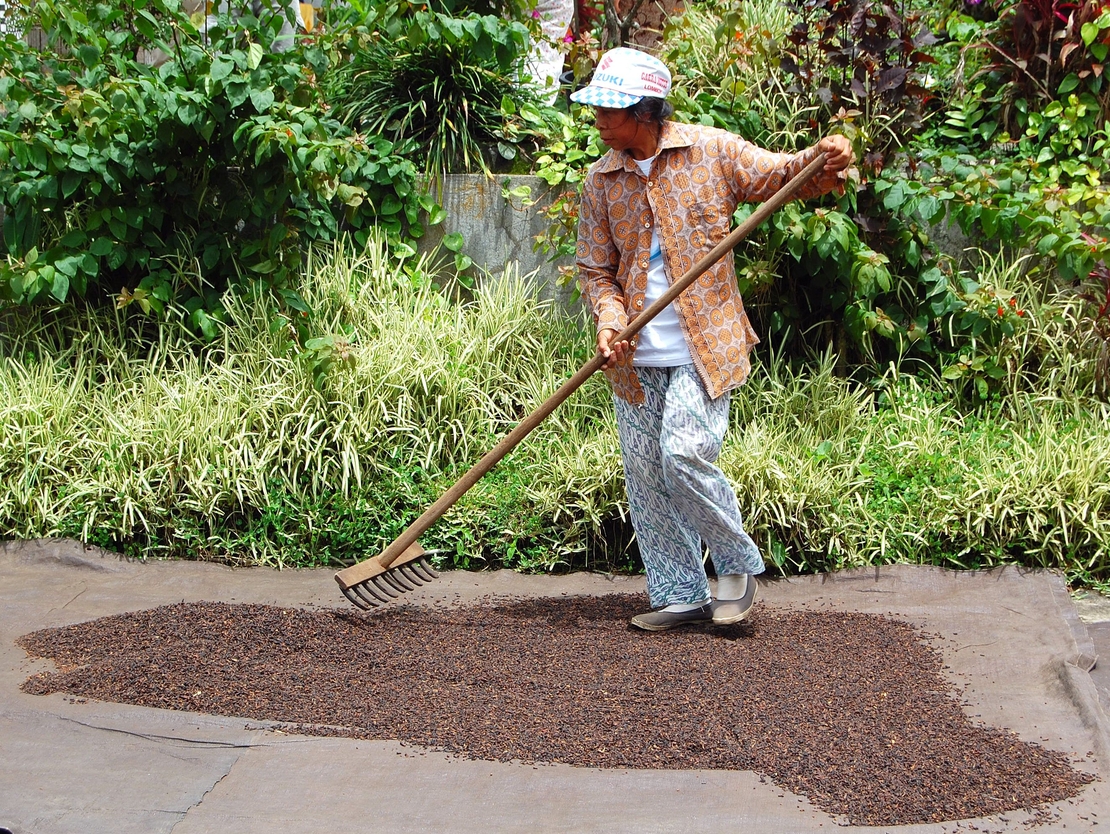
Woman drying cloves in Munduk, Bali, Indonesia
The Agricultural standards and Nature Positive report explores how a range of voluntary sustainability standards align with biodiversity-related criteria and examines their potential to support the Kunming–Montreal Global Biodiversity Framework’s goal to halt and reverse nature loss.
Agriculture is both a major driver of biodiversity loss and a critical lever for its recovery. Standards can help mainstream biodiversity considerations into agricultural practices.
Supporting informed decision-making
By reviewing 11 widely used standards relevant to buyers of natural ingredients across sectors, the study provides a structured overview of how existing approaches incorporate biodiversity considerations. The assessment considers key themes such as habitat conservation, restoration, climate change, legality, and community engagement, offering insights into how standards can support different aspects of biodiversity conservation.
“This report highlights the important role standards can play in supporting the integration of biodiversity considerations into production systems” said Pascale Bonzom, Head of the Food and Agricultural Systems team at IUCN. “Using standards, alongside a broad mix of solutions– from producers capacity strengthening to adopt sustainable practices to enabling policies, economic and financial incentives and landscape partnerships - can help strengthen collaboration among stakeholders and support ongoing efforts towards more sustainable and resilient food systems.”
Strengthening and building on existing approaches
A range of practices already embedded within standards are contributing to biodiversity conservation. These include measures to protect natural ecosystems, support restoration, promote responsible land use, and engage with local communities.
The report also emphasises the importance of combining different approaches - including voluntary standards, policy frameworks and on-the-ground practices - to advance sustainable agricultural systems.
“Businesses have a key role to play in contributing to Nature Positive outcomes through their sourcing decisions,” said Martin Sneary, Director of the Business and Nature team at IUCN. “Standards are an important part of this collective effort, helping to guide practices and support ongoing improvements over time.”
The analysis also highlights opportunities to further strengthen how standards support biodiversity outcomes. These include enhancing the integration of biodiversity and climate considerations, supporting landscape-level approaches, and improving monitoring and governance mechanisms. Strengthened community engagement, access and benefit-sharing, and respect for the rights of Indigenous Peoples and local communities are also critical to ensuring effective and equitable outcomes.
Implications for business and supply chains
Practical recommendations are offered for companies sourcing natural ingredients. These include prioritising high-performing biodiversity-focused standards, combining complementary standards to maximise environmental and social outcomes, and introducing additional internal requirements to address gaps.
A critical tool in a broader transformation
While recognising the important role of standards, they are one of several tools available to support sustainable agriculture. Complementary actions - such as capacity building, legislation and integrated landscape planning - remain essential for delivering lasting outcomes for nature and people.
Ultimately, strengthening standards - and their uptake - will be essential to meeting growing expectations from consumers, companies and policymakers, and to achieving global biodiversity and climate goals.


On the International Day of Zero Waste, observed every 30 March, the world is reminded of the…

In the face of growing climate change–related threats and other increasing pressures from human…
