Safeguarding Sri Lanka’s natural heritage: IUCN, GEF and partners working for nature and people
With support from the Global Environment Facility (GEF), IUCN is working with the Government of Sri Lanka to strengthen the conservation of one of the island’s most important natural landscapes: the Central Highlands of Sri Lanka, a UNESCO World Heritage site. Through science-based tools, inclusive partnerships and leveraging the IUCN Green List Standard to improve protected area management effectiveness, this collaboration is helping to safeguard biodiversity while improving livelihoods for the communities who depend on these ecosystems.
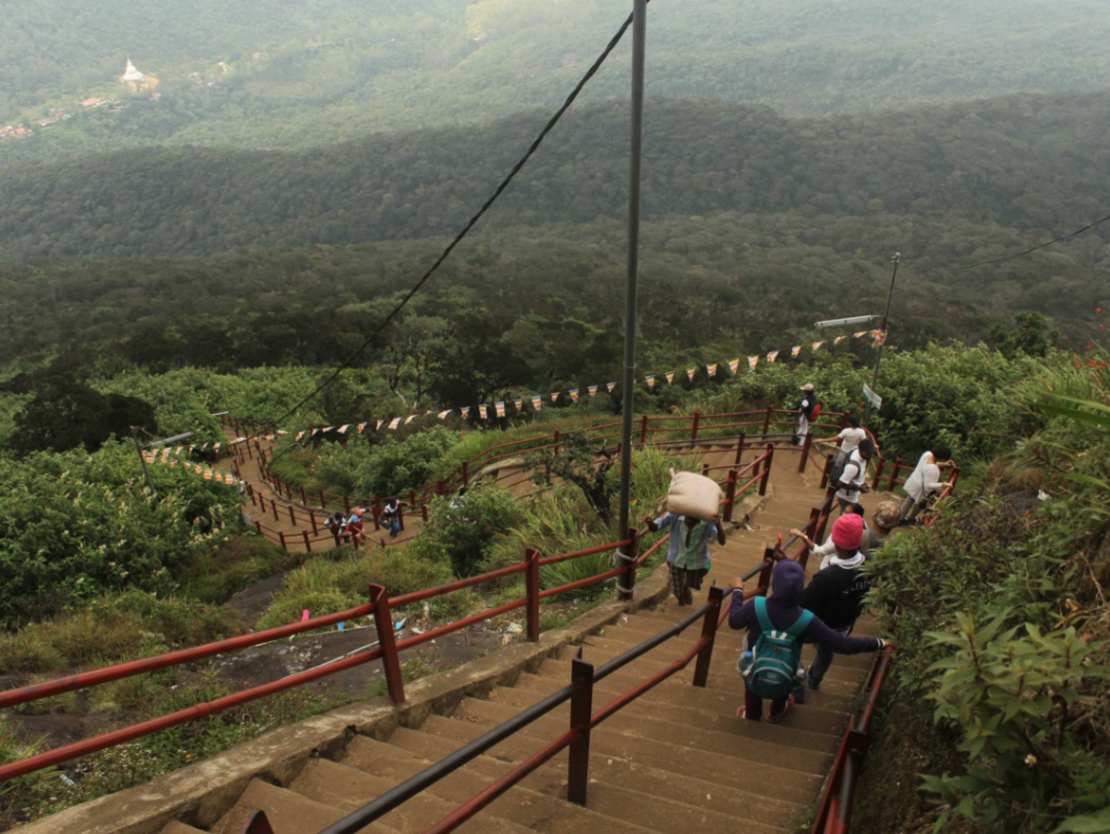
Peak Wilderness Nature Reserve (Sri Lanka).
A landscape of global importance
Rising above 900 metres, Sri Lanka’s Central Highlands are a centre of exceptional biodiversity. Home to nearly 60% of the country’s known species, including hundreds of endemic and threatened plants and animals, the region also provides vital ecosystem services. Forests and grasslands in the highlands feed nine major river systems, supporting drinking water, agriculture and hydropower for millions of people.
Yet this unique landscape is under pressure. Habitat loss, land degradation, unsustainable tourism, climate change and human–wildlife conflict are putting ecosystems and livelihoods at risk. Recognising these challenges, IUCN and the Ministry of Environment are implementing a GEF-supported project that brings conservation, development and community well-being together at the landscape scale.
Using the IUCN World Heritage Outlook to guide action
The Central Highlands of Sri Lanka were inscribed on the UNESCO World Heritage List in 2010 in recognition of their unique biodiversity values. In 2025 IUCN assessed the conservation outlook of this World Heritage sites as of “significant concern”, signalling that its long-term conservation cannot be taken for granted.
This assessment now plays a practical role in guiding project action. By identifying key threats and conservation priorities, the World Heritage Outlook helped partners focus efforts where they are most urgently needed – from tackling invasive species and habitat fragmentation to managing tourism pressure in iconic areas such as Horton Plains National Park and Peak Wilderness. In this way, global monitoring is directly feeding into national and local decision-making.

The 2025 IUCN World Heritage Outlook assessed the conservation outlook of the Central Highlands of Sri Lanka World Heritage site as of “significant concern”, down from “good with some concerns” in 2017. Source: IUCN
Strengthening protected areas with METT and the IUCN Green List
Protected areas remain the backbone of biodiversity conservation in the Central Highlands. Through the project, the IUCN Sri Lanka Country Office is supporting Sri Lanka’s Ministry of Environment, Department of Wildlife Conservation and Forest Department to improve how these areas are managed.
A central tool in this work is the Management Effectiveness Tracking Tool (METT). METT assessments are being used to establish a clear baseline for how well protected areas are functioning and to identify practical steps for improvement. Updated management plans, stronger coordination between agencies, and better engagement with surrounding communities are all part of the response.
Building on this foundation, selected sites such as Horton Plains National Park and Peak Wilderness Sanctuary are being prepared for the IUCN Green List of Protected and Conserved Areas. The Green List sets a global standard for conservation success, recognising sites that achieve effective management, equitable governance and positive outcomes for nature and people. For Sri Lanka, Green List aspirations are helping to raise ambition and demonstrate what excellence in protected area management looks like.
Expanding conservation beyond protected areas
In a landscape dominated by tea plantations and mixed land uses, conservation cannot stop at government-managed protected areas. A key innovation of the project is the introduction of Other Effective Area-based Conservation Measures (OECMs), which recognise areas that conserve biodiversity outside formally protected areas, building on guidelines developed by the IUCN World Commission on Protected Areas.
Working closely with plantation companies, smallholders and local communities, IUCN is helping identify and support conservation areas within working landscapes. Remnant forests inside tea estates, for example, are being managed to protect endemic species while maintaining production and livelihoods. This approach expands Sri Lanka’s network of protected and conserved areas and contributes directly to global goals such as conserving 30% of land by 2030.

Mountain tree frog © IUCN / Naalin Perera.
The Red List at the heart of conservation priorities
Science underpins every aspect of IUCN’s work in Sri Lanka. Data from the IUCN Red List of Threatened Species are being used to identify priority species and habitats across the Central Highlands. Many of the region’s amphibians, reptiles and plants occur nowhere else on Earth and face a high risk of extinction.
By integrating Red List data into land-use planning, restoration efforts and protected area management, the project ensures that actions target the species most in need. This knowledge is also being shared with government agencies, researchers and communities through a new, centralised knowledge management system, supporting evidence-based conservation today and into the future.
Conservation that supports people and livelihoods
Biodiversity conservation in the Central Highlands goes hand in hand with improving lives. Many communities in the region, including tea plantation workers, face economic vulnerability and limited livelihood options. The project promotes nature-based solutions that generate benefits for both people and ecosystems.
Initiatives include restoring degraded lands through agroforestry, supporting sustainable agriculture and home gardens, developing community-based ecotourism, and reducing reliance on fuelwood through cleaner energy options. Special attention is given to empowering women and youth as leaders in conservation and sustainable land management.
A model for inclusive, landscape-level conservation
By combining global IUCN tools with local partnerships, this 3,5 million USD GEF-supported initiative is helping Sri Lanka move towards a more integrated and inclusive model of biodiversity conservation. Protected areas are being strengthened, working landscapes are becoming part of the solution, and communities are actively involved in shaping a sustainable future for the Central Highlands.
As pressures on nature continue to grow, the lessons from Sri Lanka show how international cooperation, strong national leadership and the right tools can deliver real impact – protecting irreplaceable World Heritage sites while supporting the people who depend on it.
**
If you would like to collaborate with IUCN to explore similar work in support of other World Heritage sites (or other internationally designed protected and conserved areas), please contact [email protected].

Yellow-eared bulbul from Horton Plains National Park, a UNESCO World Heritage site.
© IUCN / Naalin Perera


In Kashkadarya, Khorezm and the Republic of Karakalpakstan, local communities are helping turn…
The third in a five-part series, this webinar brought together speakers from across West and…

This week, the Yerevan Municipality hosted the inaugural ceremony marking the establishment of the…