An Giang farmers explore sustainable agriculture models in the Mekong Delta
On 10-11 June 2026, 42 farmers and local officials from Phú Hữu Commune, Tịnh Biên and Châu Đốc Wards in An Giang Province joined a study tour to explore sustainable agricultural models in Đồng Tháp and Tây Ninh Provinces. Early results from these models demonstrate their potential to reduce production costs, increase productivity, and minimise the use of agricultural chemicals. Crucially, they provide compelling evidence that the annual flood season is an opportunity for sustainable development.
Photo: Farmers visited a specialised lotus farming model of Mr. Ngo Van Thong in Tay Ninh Province © IUCN Viet Nam
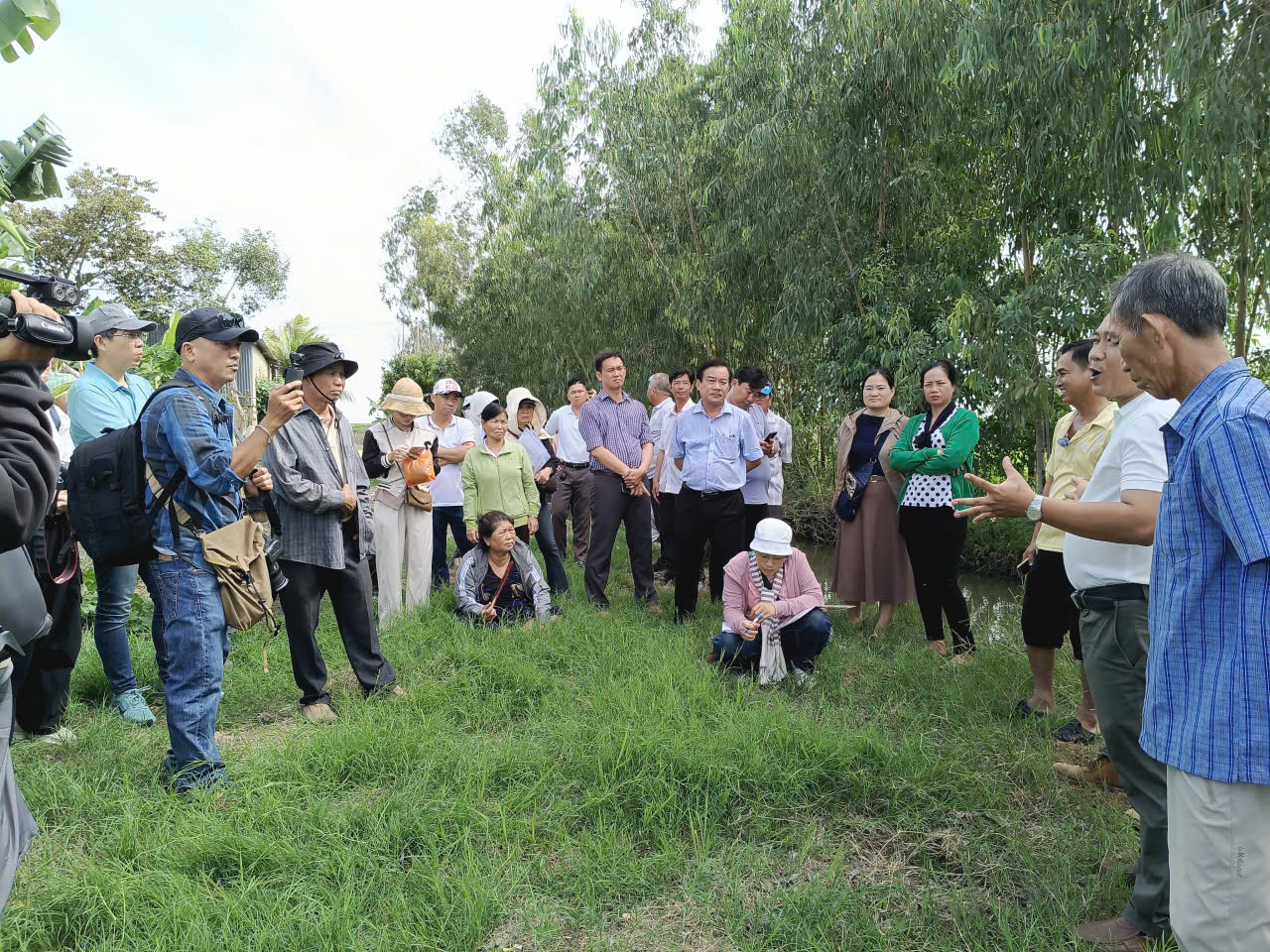
Photo: Farmers exchanged experiences with Mr. Ngo Van Thong at his farm in Tay Ninh Province © TTXVN
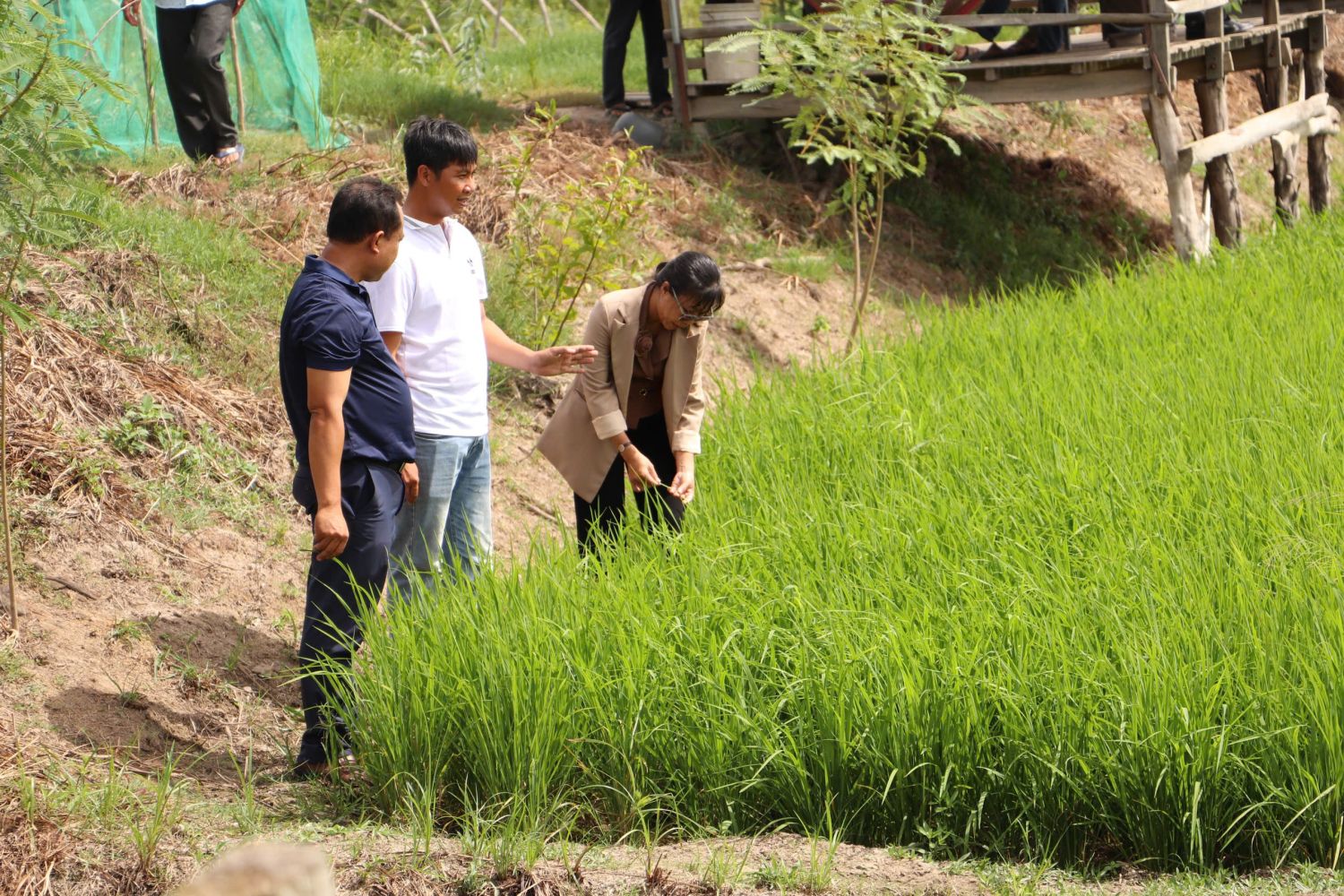
The study tour was jointly organised by IUCN and the An Giang Provincial Agricultural Extension Centre, bringing together 70 participants including farmers, scientists, government officials, and representatives from Coca-Cola Viet Nam. The farmers are expected to implement flood-based livelihood models in 2026 with support from the project “Developing lotus silk value chains to support the Mekong Delta flood retention strategy in Viet Nam, implemented by IUCN with funding from The Coca-Cola Foundation (TCCF).
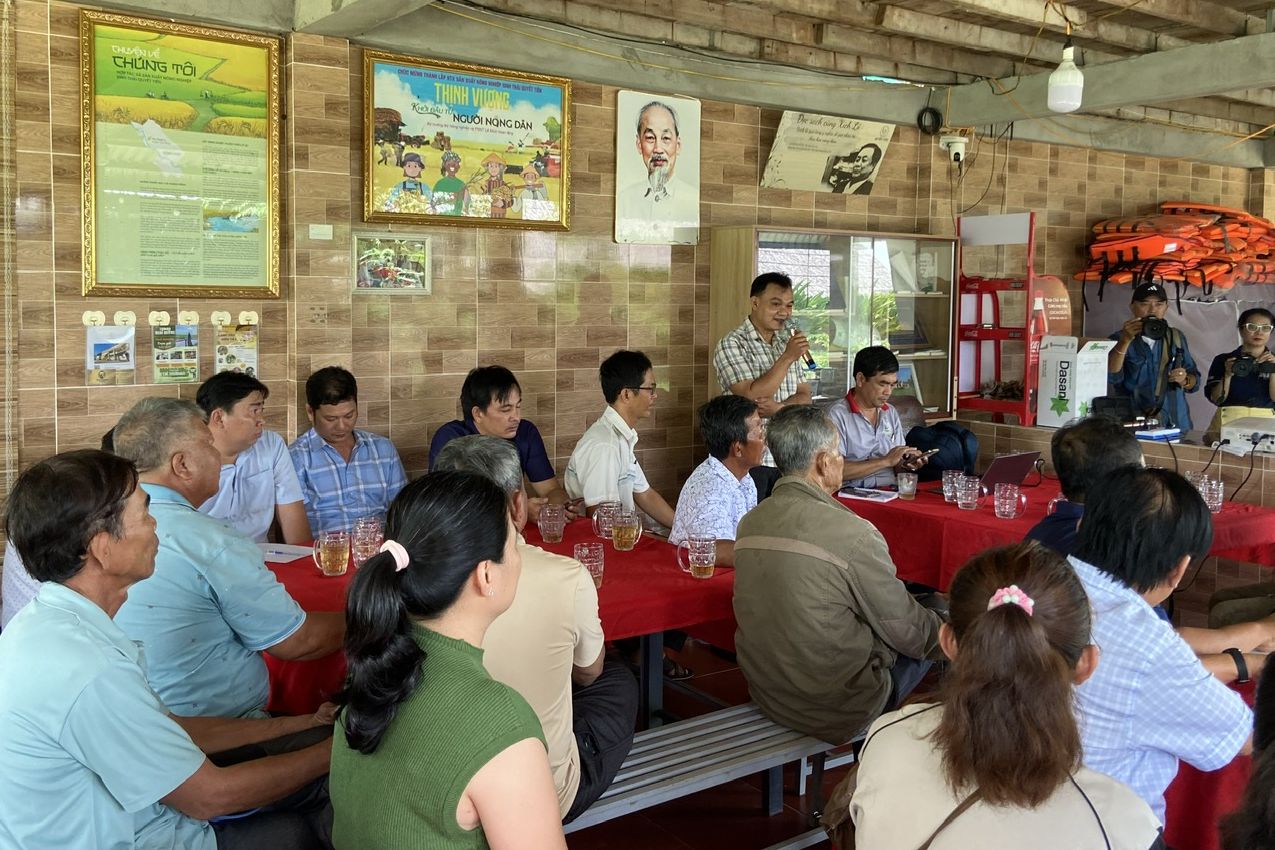
The first stop was Quyết Tiến Ecotourism Cooperative in the buffer zone of Tràm Chim National Park in Đồng Tháp Province. Here, participants learned about the cooperative's establishment, the development of its flood-based fish farming model, and practical experiences in organising production. First-hand stories shared by local farmers helped participants better understand how seasonal floodwaters can be transformed into a reliable and sustainable source of income.
Discussions covered numerous questions about farming techniques, investment costs, economic returns, and the potential for scaling up these models. Representatives from the cooperative, local authorities, and national park provided practical insights and answered questions. The participation of leading experts enriched the learning experience. Dr. Dương Văn Ni from Cần Thơ University, Dr. Lê Phát Quới from Ho Chi Minh City University of Technology, and Mr. Trịnh Phước Nguyên, MSc., from An Giang University shared their perspectives on the ecological, economic, and climate adaptation benefits of the models.
Dr. Lê Phát Quới said "Making use of the annual flood not only helps improve farmers' incomes but also contributes to conserving wetland ecosystems and promoting the sustainable use of natural resources."
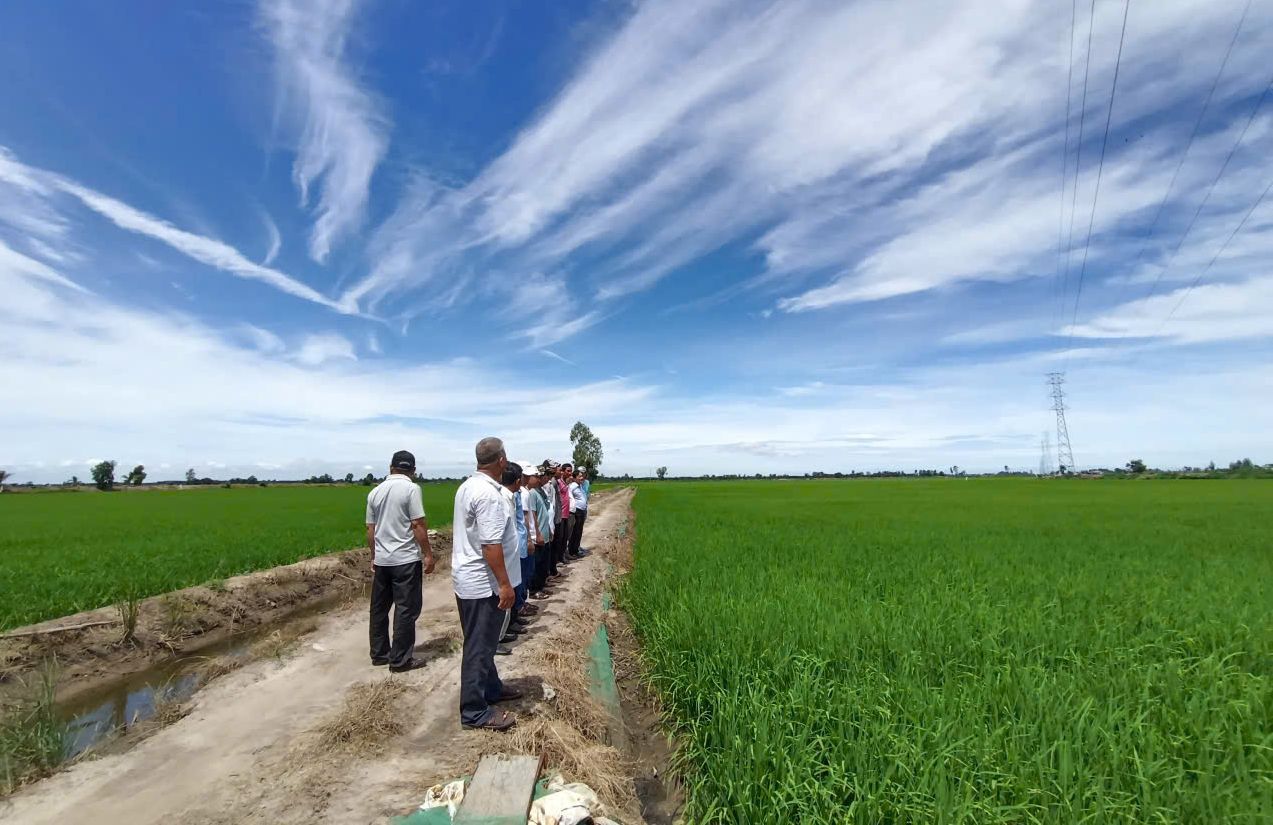
On 11 June, the delegation visited Tân Hưng Commune in Tây Ninh Province to visit two exemplary models: a specialised lotus farming model operated by Mr. Ngô Văn Thống and a lotus-fish integrated model supported by IUCN with TCCF funding and implemented by Ms. Nguyễn Thị Diễm Trinh.
During the visit, Ms. Trinh shared "I don't want just to improve my own livelihood but also want my neighbours to succeed and prosper together."
One year in, both models have delivered tangible economic benefits and have become successful examples of climate-resilient livelihoods in the area. At each site, real-life experiences shared by farmers, the active support of local government, and technical advice from scientists allowed for open and informative discussions. Farmers not only gained valuable technical knowledge but also gained confidence to adopt production practices better suited to the annual flood season.
The study tour was accompanied by journalists to document and share these livelihood models with a wider audience. By the tour ends, participants had gained new knowledge and strengthened connections between farmers, scientists, government, and the private sector.

The Bangladesh Forest Department (BFD) and IUCN Bangladesh, with support from Agence Française de…

Each year, International Women's Day is an opportunity to recognise the women advancing change in…

On 14 January 2026, in Dhaka, the Bangladesh Forest Department and IUCN Bangladesh formally signed…