Guided by ancestral knowledge: indigenous communities in Virachey shape their own ecotourism future
Virachey National Park is one of Cambodia's largest, yet least visited National Parks. Located in the far northeastern corner of the country, the park borders both Lao PDR and Vietnam and is known for its remoteness, deep forests, and unique upland savannahs and grasslands. Many endangered wildlife species are found here including the northern yellow-cheeked crested gibbon (Nomascus annamensis), clouded leopard (Neofelis nebulosa), and Asian elephant (Elephas maximus). The area's human history goes back thousands of years and today more than 85% of the 35,000 people who live within and adjacent to the park identify as indigenous, primarily from the Kavet, Brao, Lun, and Kreung people who share many cultural traditions and beliefs tied to Virachey's mountainous terrain and fast flowing rivers.
Photo: Indigenous Hip Hop artist, Mondet Youn makes music with O’Chay Commune residents on bronze gongs passed down for generations for use in Brao and Kavet cultural traditions © Miguel Jeronimo/Shunsuke Miyatake
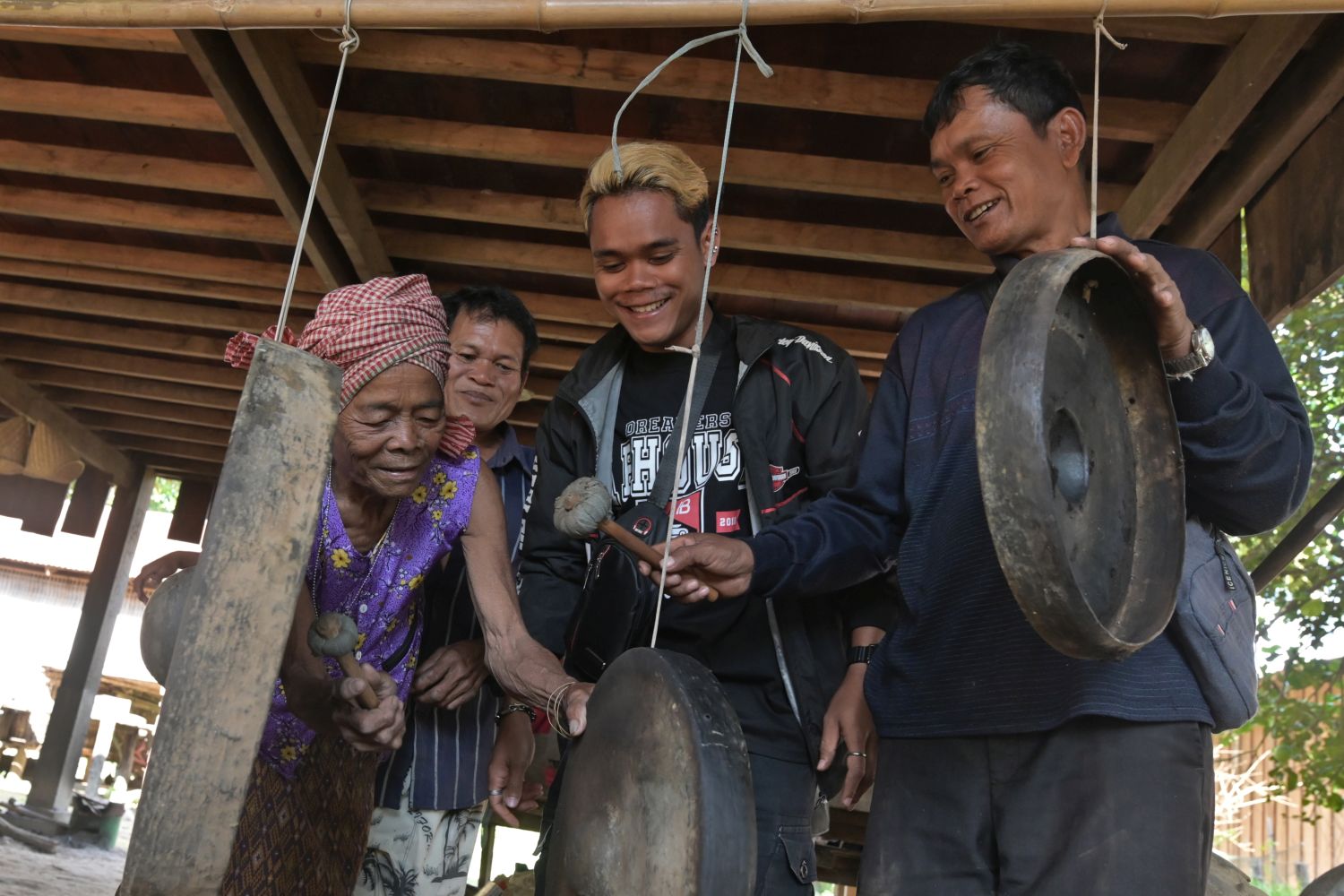
Photo: Making baskets with materials gathered from the forests has been a skill passed down for generations within the Brao and Kavet communities surrounding Virachey NP © Miguel Jeronimo/Shunsuke Miyatake
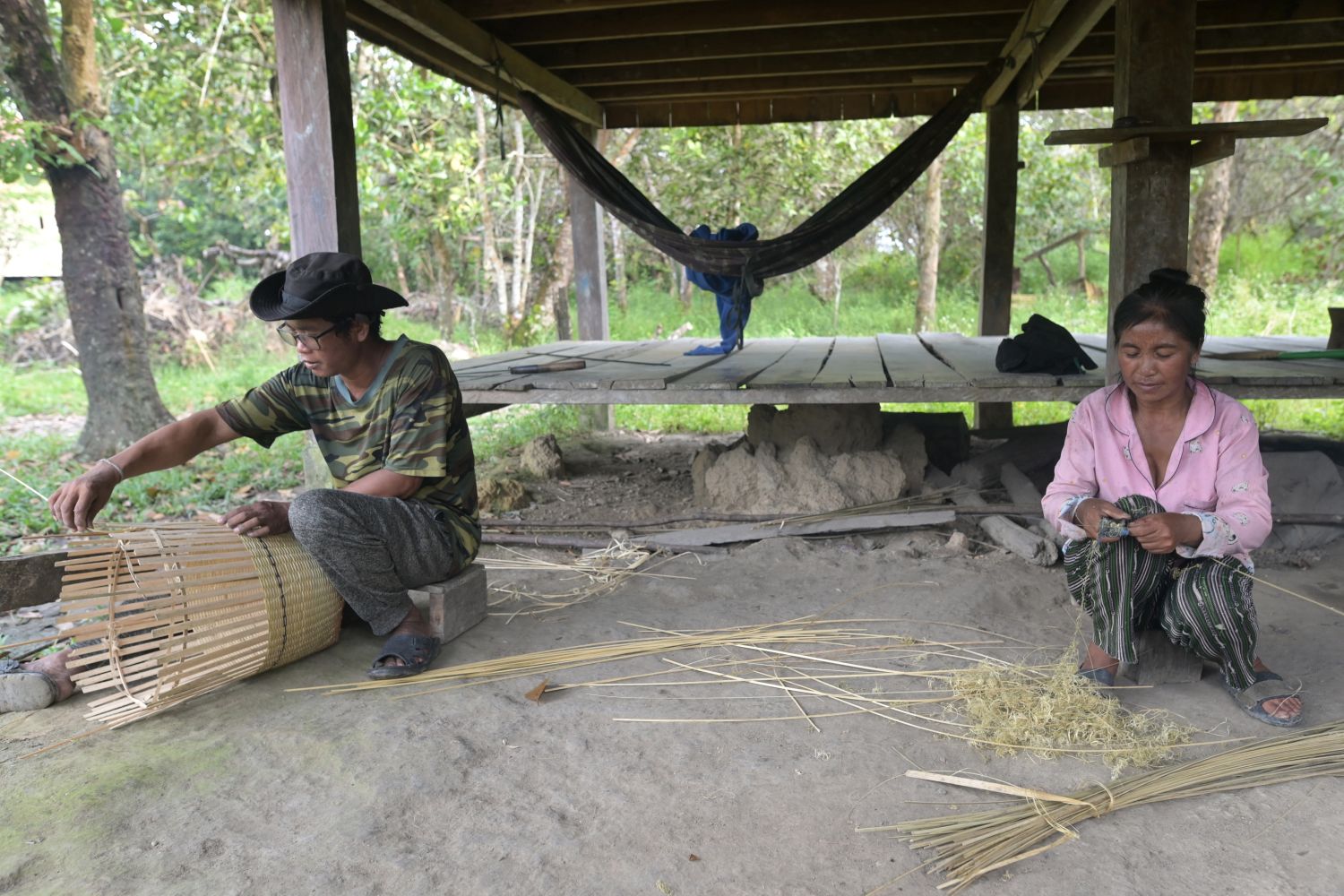
Photo: An elder of O’Chay Commune residents on bronze gongs passed down for generations for use in Brao and Kavet cultural traditions © Miguel Jeronimo/Shunsuke Miyatake
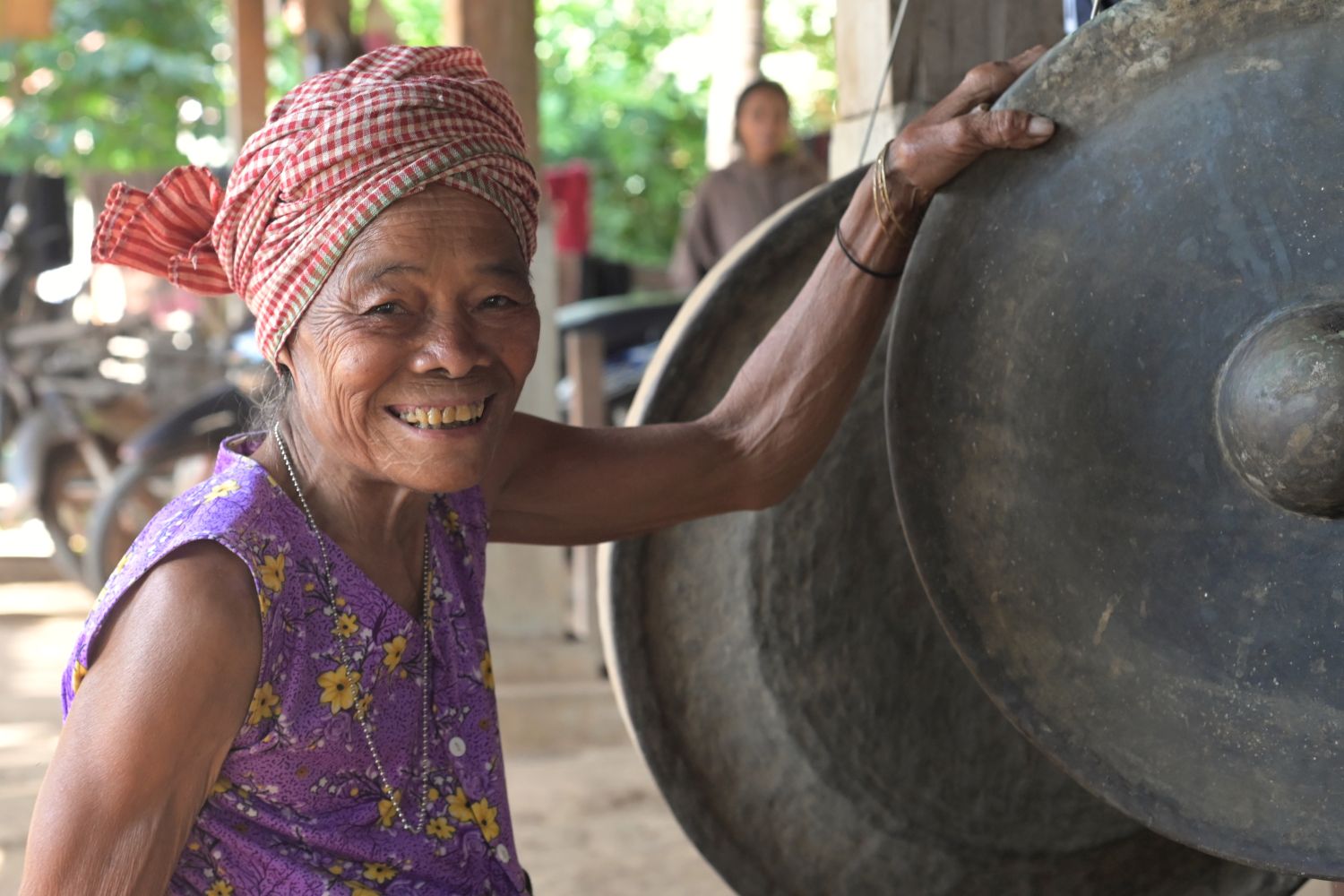
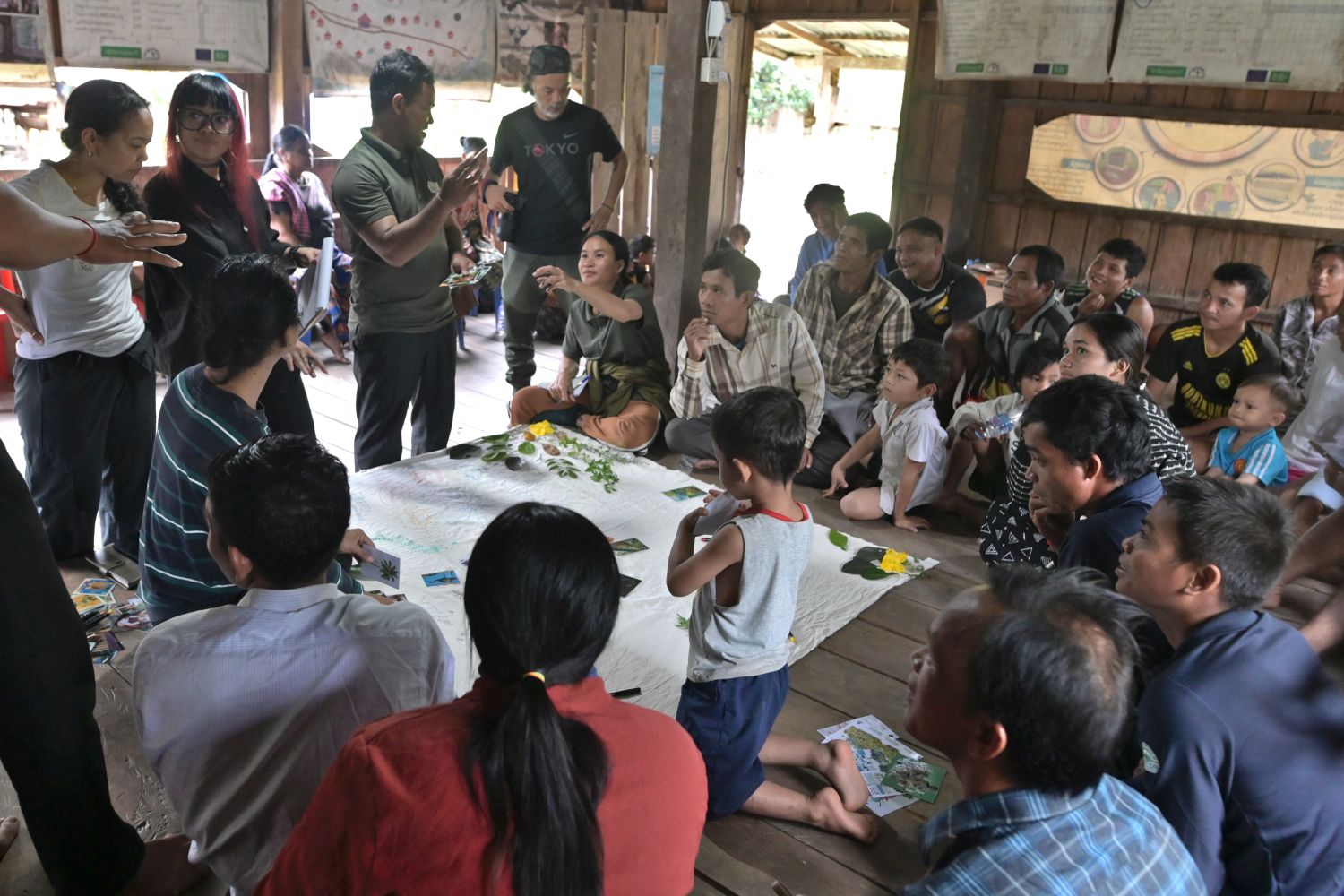
Photo: Representatives from five indigenous community protected areas met with IUCN and itonami, a Phnom Penh creatives © Miguel Jeronimo/Shunsuke Miyatake
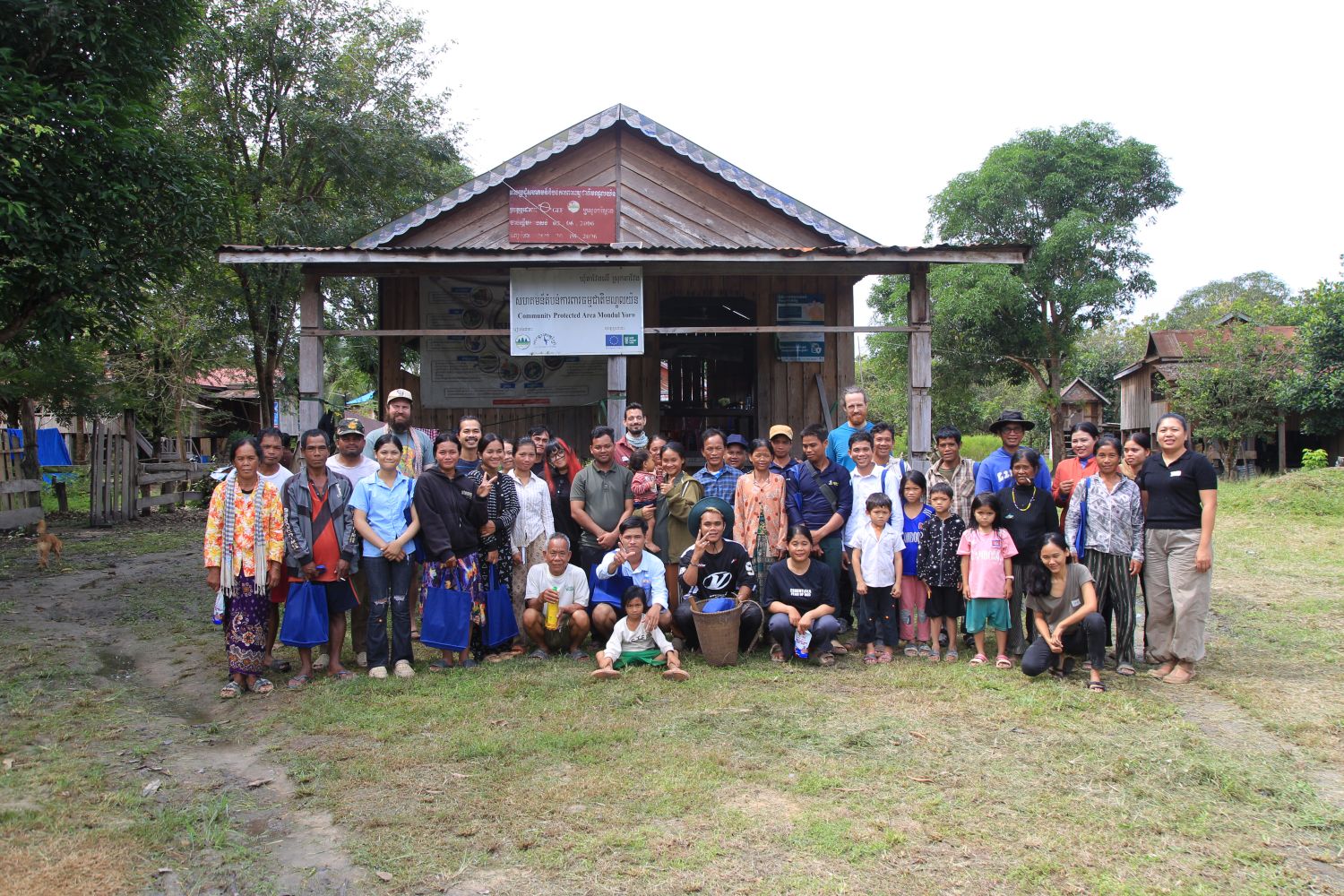
Photo: Agrotourism, providing visitors with lessons in indigenous farming and cooking traditions was a top activity identified by community members for inclusion in ecotourism development © Miguel Jeronimo/Shunsuke Miyatake
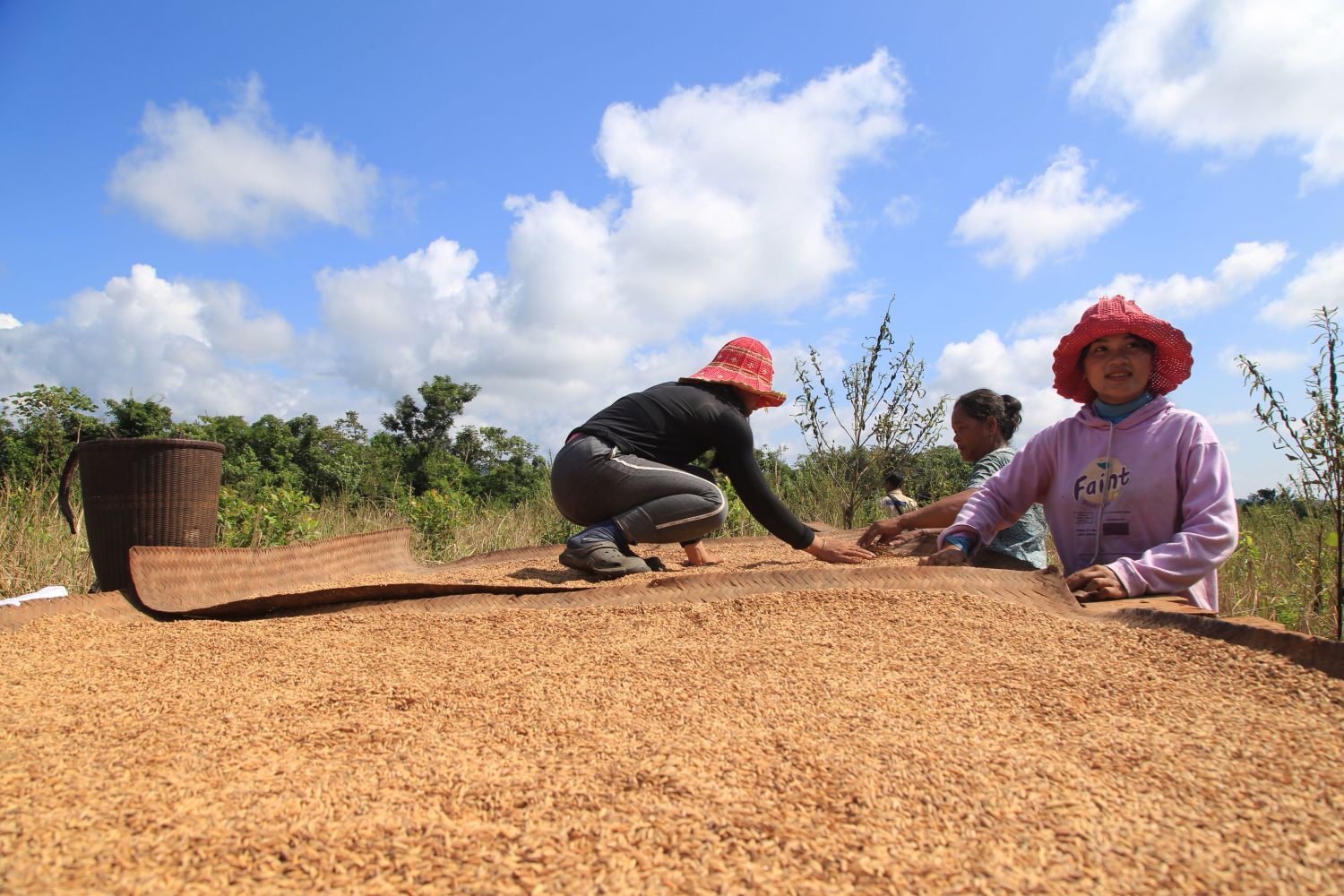
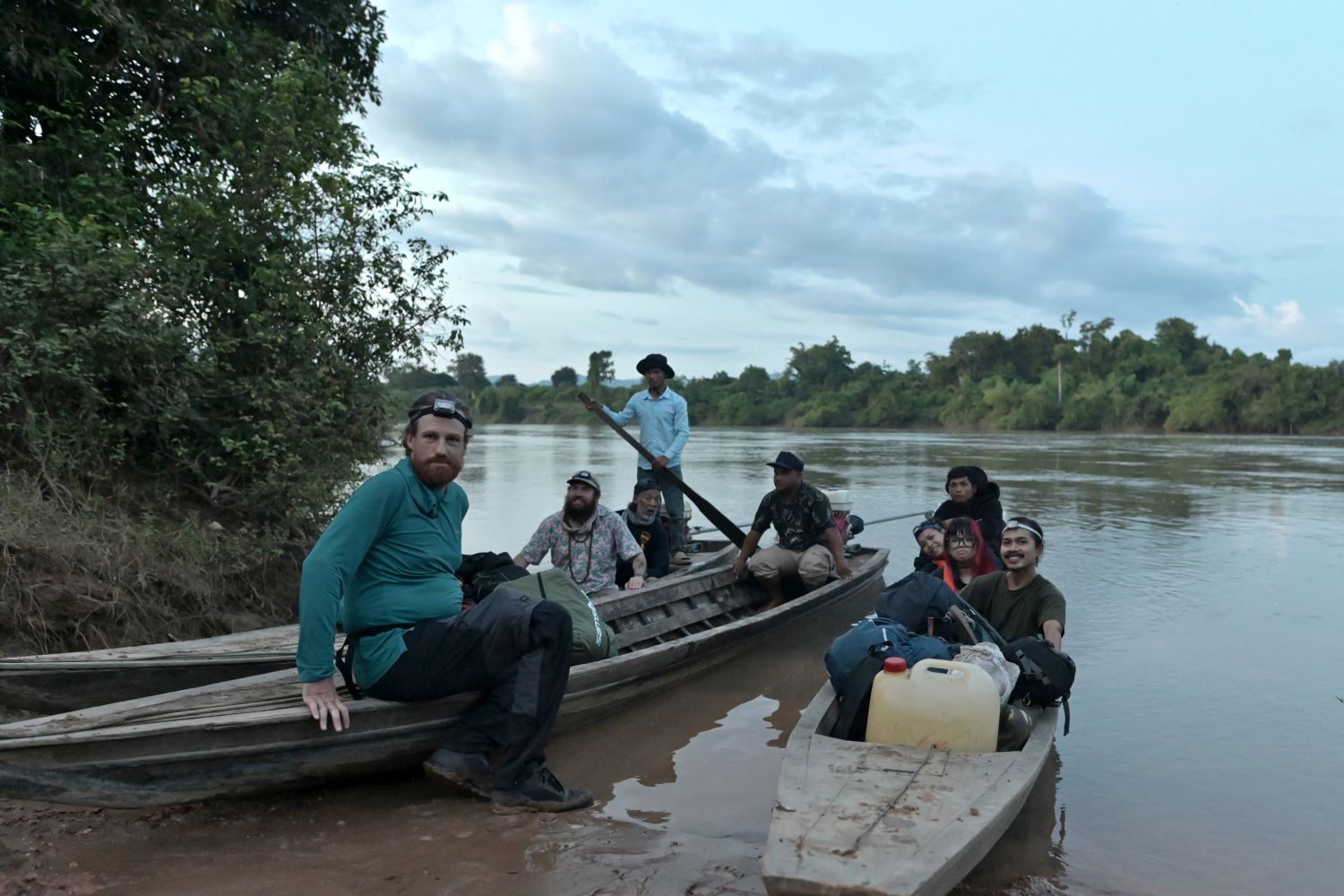
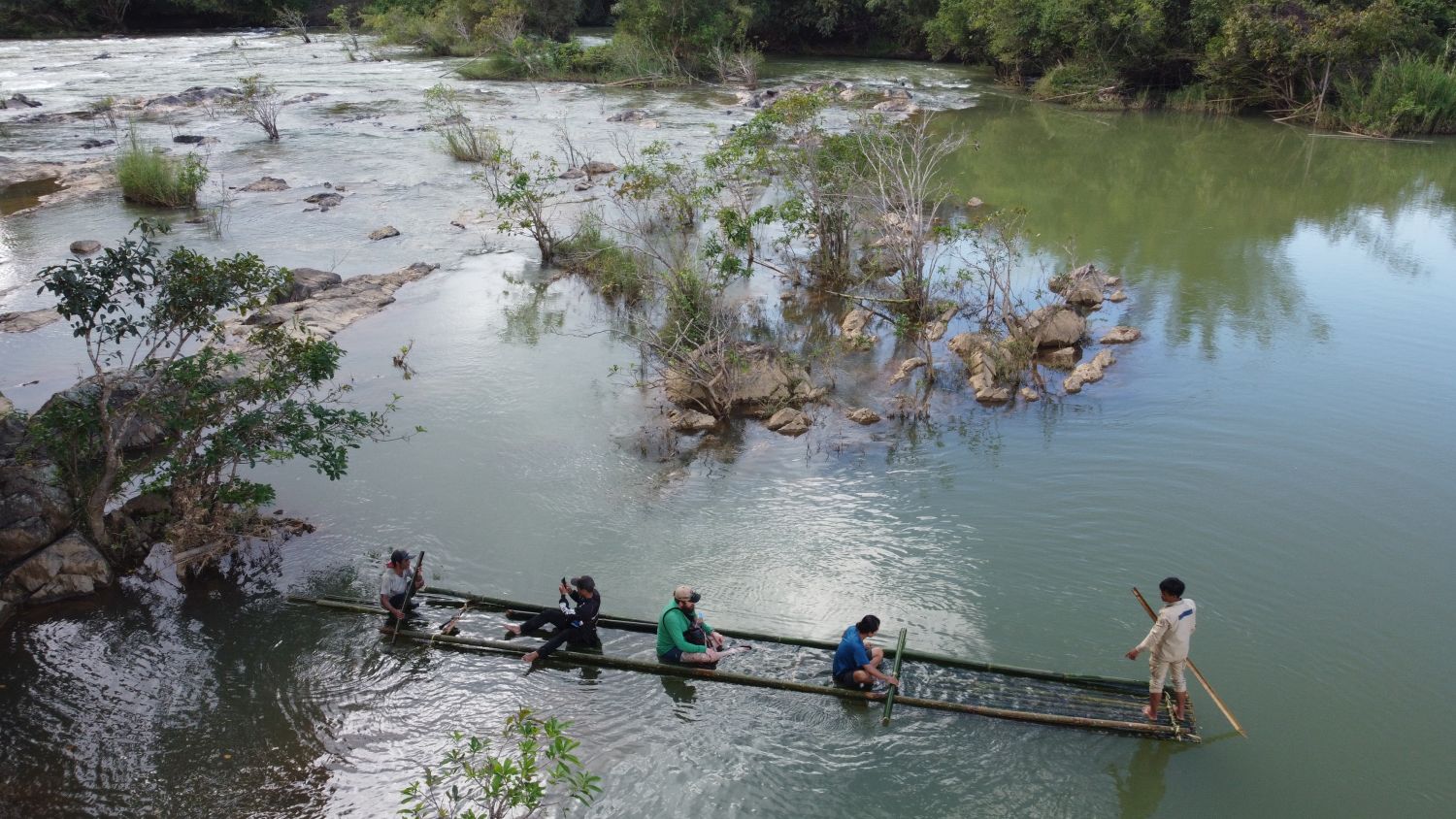
Photo: Travel to many parts of the Krong Yong Trails will require tourists to take many forms of transportation © Miguel Jeronimo/Shunsuke Miyatake
Despite its riches in landscape, biodiversity, and culture, less than 100 tourists visit Virachey each month. Previous ecotourism initiatives have lost momentum once external support ended. With funding from the UK Government's Biodiverse Landscape Fund (BLF), IUCN facilitated a collaborative approach between ecotourism experts and indigenous communities to assess the current values and challenges for community-engaged ecotourism in Virachey and establish a roadmap for future development including the creation of an indigenous envisioned brand identity for the region with tools local communities and ecotourism operators can carry forward independently in the future.
Assessing the potential
IUCN brought together ecotourism experts to conduct field visits, workshops, and stakeholder consultations with the leadership of five Community Protected Areas (CPAs): O'Tung, O'Kham Pha, O'Tabok, Mondul Yorn, and O'Chay. CPAs are legally designated zones within Cambodia's national protected areas where indigenous and local communities hold formal rights to manage, conserve, and sustainably use natural resources. Virachey is home to five of the largest CPAs in Cambodia, together covering around 20,000 hectares of forest, river, and grassland under direct indigenous stewardship. An assessment of ecotourism potential identified over 30 attractions in these CPAs: waterfalls tied to ancestral origin stories, rivers with potential for whitewater rafting, sacred grasslands and forests, and a wealth of living cultural traditions tied to the land which community members wish to share with visitors.
The assessment concluded that while the park's biodiversity values were clear, it was the park's diverse indigenous communities that set Virachey apart from other protected areas in Cambodia. The assessment report concludes, "it is ultimately people, their stories, traditions, hospitality, and stewardship, which give Virachey National Park its unique character and lasting appeal."
A roadmap for community-led tourism
Building on the assessment, the team worked with CPA committees, provincial government, and park authorities to develop an ecotourism road map for the next five years. Signed by each of the five communities' CPA leaders, the roadmap sets targets for establishing Indigenous operated ecotourism enterprises, launching a co-managed Destination Management Company, and increasing the number of visitors to the park through marketing of ecotourism activities that are co-managed by Virachey's indigenous communities. As the CPA leaders wrote in its foreword: "Ecotourism can only succeed when local people are recognized as its rightful custodians and beneficiaries."
The assessment found that few tourists in Cambodia, international or domestic, had heard of Virachey at all, let alone its picturesque landscapes and rich cultural traditions. To address this, the project developed a destination brand identity that centred both nature and indigenous culture, and that communities could own.
A brand born in community
To establish a brand identity, IUCN brought a diverse team of creatives, researchers, and adventurers from the Phnom Penh-based creative collective itonami to Virachey and its communities. The team included Mondet Youn, a Brao hip-hop artist originally from one of the five partner communities, whose music celebrates indigenous culture and promotes environmental stewardship. Mondet facilitated dialogue in Brao and Kavet languages throughout the process, giving the design team direct access to indigenous folktales, values, and ways of seeing the landscape that would otherwise have remained out of reach.
Together with community members, the project explored stories and symbols that could represent the area's natural and cultural heritage. It was found early on in a creation story shared across all four of the area's indigenous groups — the legend of two brothers, Krong and Yong. The resulting brand — Krong Yong Trails, "Ancestral | Natural | Sacred" — connects all five CPAs under a shared identity rooted in their indigenous heritage. Alongside a full visual identity and messaging guidelines, the project produced the Krong Yong Story Trails Trilogy: three community guidebooks in English and Khmer, one for each landscape the brothers crossed including the Forest Chapter, the Mountain Chapter and the Waterfall Chapter.
Long before the park was established, Krong and Yong set out from their village following their grandmother's instruction: "Follow the water. It will teach you how to live." Their journey through waterfall, mountain, and forest shaped the stories of the highlands. At O'Tabok waterfall, a dispute between the brothers brought an elephant crashing through their bamboo fish barriers — its footprints, and the beast itself, are said to have turned to stone and can still be seen today. Reconciled by a chance encounter with a third river traveller whose boat destroyed both their barriers at once, the brothers continued into the mountains, where their struggles on the steep ridges are said to have stained Ratanakiri's soil its distinctive red. Descending finally into the forest, they were welcomed into villages with jar wine and shared food, learning that "what is gathered from the forest belongs to the whole community." These teachings — passed down through generations and still alive in the daily life of Virachey's communities — give the Krong Yong Trails brand its name, its three-chapter structure, and its spirit. Each book weaves together origin stories, field guides, cultural protocols, and ecological knowledge.
"The Krong Yong Trails guidebook project embodies Motion 094 passed at the 2025 IUCN World Conservation Congress, which reads 'Recognising the importance of Indigenous languages, traditional knowledge and cultural heritage in biodiversity conservation'. Co-creating and giving ownership of an Indigenous centred brand identity and guide materials to these communities will help to ensure indigenous participation and co-management within the Community Protected Areas of Virachey National Park." – Samuel Leslie, Senior Technical Officer, IUCN Lower Mekong sub-region.
Materials to inform and inspire
The practical value of community-owned materials has already been demonstrated beyond the project itself. At the end of April, the Krong Yong Trails storybooks were used as primary learning materials during a nature and community immersion programme in the village and CPA of Mondul Yorn. The four-day camp was organised by YEP Academy — a Cambodia-based outdoor education organisation that uses nature-based experiences to foster personal growth, environmental awareness, and connection to local cultures. During the camp, participants stayed with the Brao community, joining elders on forest walks, fishing and gathering vegetables along the river, and visiting the community's ancestral burial forest. Reflecting on the camp, Rathana Hul, lead instructor, recalled: "The guide knew nearly every tree by memory, mourned when one died, and treated the forest as a living community. For many participants, this was the first time they understood that trees age, fall ill, and carry life — much like we do."
Looking ahead
The assessment, roadmap, brand toolkit, and community storybook guidebooks are now complete and in the hands of the CPAs and their government partners — a foundation for ecotourism in Virachey that centres indigenous knowledge, supports community livelihoods, and links conservation directly to local benefit. The strategy and identity to carry that work forward now belong to the communities of Virachey.
 This work was carried out under the UK Government DEFRA-funded Biodiverse Landscapes Fund (BLF), implemented in the Lower Mekong by Fauna & Flora (FFI) in partnership with IUCN and SNV.
In Kashkadarya, Khorezm and the Republic of Karakalpakstan, local communities are helping turn…
The third in a five-part series, this webinar brought together speakers from across West and…

This week, the Yerevan Municipality hosted the inaugural ceremony marking the establishment of the…