Advancing Indigenous Peoples' rights in the implementation of Target 3
Target 3 of the Kunming-Montreal Global Biodiversity Framework—commonly referred to as the "30x30" target—commits to protecting at least 30% of the world's land, inland waters, and oceans by 2030, through equitably governed systems of protected areas and other effective area-based conservation measures, recognising Indigenous and traditional territories where applicable. While this ambitious target presents an opportunity to address biodiversity loss and makes commitments to doing so through more inclusive and rights-affirming approaches, in practice, it also raises critical concerns about the rights and livelihoods of Indigenous Peoples and of local communities.
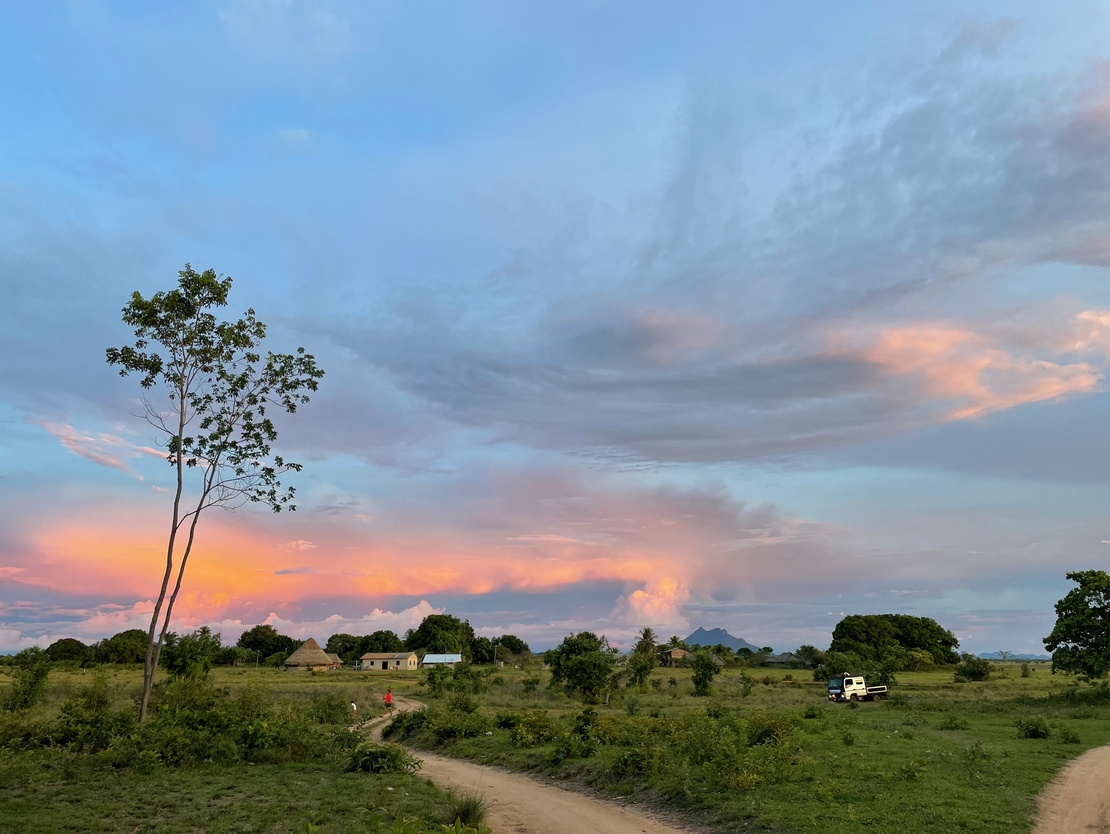
The adoption of the Kunming-Montreal Global Biodiversity Framework (GBF) in December 2022 marked a significant milestone in global conservation commitments. Central to this framework, Target 3—commonly referred to as the "30x30" target—commits to protecting at least 30% of the world's land, inland waters, and oceans by 2030, through equitably governed systems of protected areas and other effective area-based conservation measures, recognising Indigenous and traditional territories where applicable. While this ambitious target presents an opportunity to address biodiversity loss, and makes commitments to doing so through more inclusive and rights-affirming approaches, in practice, it also raises critical concerns about the rights and livelihoods of Indigenous Peoples (IPs) and of local communities (LCs), whose territories often overlap with areas of high biodiversity while at the same time their lands and waters have historically borne the brunt of exclusionary conservation models.
Rather than viewing these territories through the lens of Protected Areas or Other Effective Area-Based Conservation Measures (OECMs) alone, we must centre the recognition of Indigenous and Traditional Territories as distinct and legitimate conservation pathways – rooted in long-standing systems of stewardship, customary governance, and cultural values. It is time to move from conservation on Indigenous Peoples' and local communities' land to conservation by and with IPs and lCs, on their own terms.
Recognising the urgent need for approaches that uphold the rights of Indigenous Peoples and those of local communities while advancing conservation, the Conservation Pathways project was launched to contribute to this shift. This forthcoming article will highlight reflections from the project that can offer insights for advancing self-determined pathways for conservation as a basis for Target 3 implementation.
Interested in the full article? Check out the next issue of Policy Matters, coming October 2025.

Disclaimer
Opinions expressed in posts featured on any Crossroads or other blogs are those of the authors and do not necessarily reflect the opinions of IUCN or a consensus of its Member organisations.

The Bangladesh Forest Department (BFD) and IUCN Bangladesh, with support from Agence Française de…

Each year, International Women's Day is an opportunity to recognise the women advancing change in…

On 14 January 2026, in Dhaka, the Bangladesh Forest Department and IUCN Bangladesh formally signed…