Tauhi Fonua: Weaving Kinship and Ecological Care through the Tongan Creation Story
For Tongans, the ocean isn't just a resource – it's family. Their creation stories reveal the sea as ancestral home, where deities like the guardian shark Hēʻimoana embody sacred ecological duties. This think piece explores how tauhi fonua (caretaking practice) and tā-vā philosophy turn kinship into conservation action – offering urgent wisdom against threats like deep-sea mining.
When the ocean is ancestor, protection becomes fatongia: sacred responsibility.
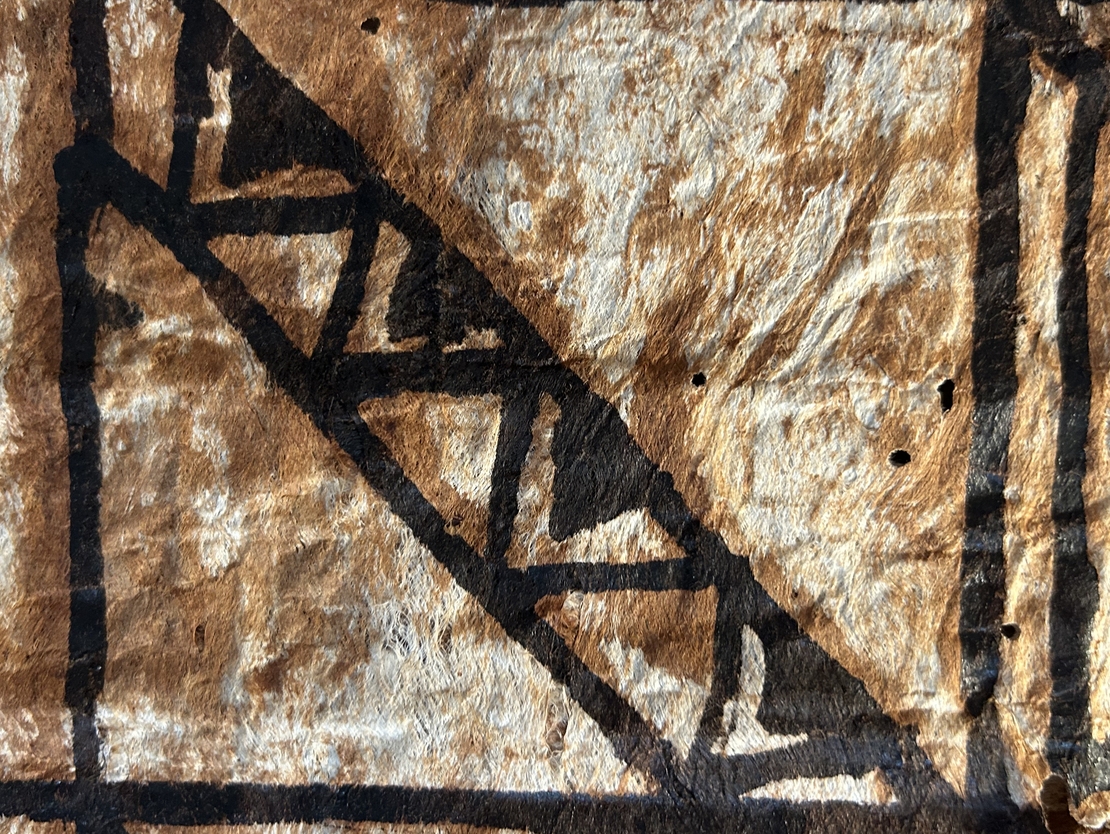
This think piece focuses on the deep-rooted kinship between Tongans and the ocean, drawing upon Tongan cosmogony (creation story) and the Indigenous practice of tauhi fonua (caretaking for the fonua/ecology). The Tongan origin story presents the ocean as an ancestor and an ancestral home, where elements such as Limu (Seaweed) and Kele (Sea Sediment) emerged as primordial ancestors. Through this creation account, Tongans affirm their genealogical and spiritual connections to the sea.
Key ancestors emerge from this oceanic home, including the sea snake and shark Hēʻimoana (lit. Wanderer in the Deep Ocean), a divine protector of marine spaces, along with other deified ancestors (e.g., Tangaloa, Maui, Hina) whose guardianship duties reflect the Tongan moral and ecological imperative of nurturing, conserving, and protecting marine life. This think piece explores how these stories provide a cosmology (worldview) and a moral compass for Tongans, emphasizing their fatongia, sacred responsibility, toward environmental stewardship.
Ultimately, this reflection uncovers the intertwined existence of Tongans with the ocean, rooted in the Indigenous tā-vā philosophy of reality. It advocates for the continued practice of tauhi fonua to honor this kinship and confront present-day threats to marine ecosystems, such as deep-sea mining. By engaging with ancestral voices and responsibilities, the piece calls for reviving this ecological custodianship, which is crucial for sustaining the sea for both present and future generations.
Interested in the full article? Check out the next issue of Policy Matters, coming October 2025.


Disclaimer
Opinions expressed in posts featured on any Crossroads or other blogs are those of the authors and do not necessarily reflect the opinions of IUCN or a consensus of its Member organisations.

The Bangladesh Forest Department (BFD) and IUCN Bangladesh, with support from Agence Française de…

Each year, International Women's Day is an opportunity to recognise the women advancing change in…

On 14 January 2026, in Dhaka, the Bangladesh Forest Department and IUCN Bangladesh formally signed…