
With this purpose, the project aims to produce a novel, robust, transdisciplinary, and diagnostic WEFe Bridging Framework (named WEFeF) to serve the production of context-specific Nexus Bridging Plans (NBPs) tailored to different innovative technologies and its combination (e.g. solar powered water reuse, agrivoltaics, and solar irrigation) and socioeconomic contexts across the MedRegion. The WEFeF combines methods in a context-specific manner, mobilizing transdisciplinary collaboration to go beyond disciplinary silos and integrate system, practice, and transformation knowledge.
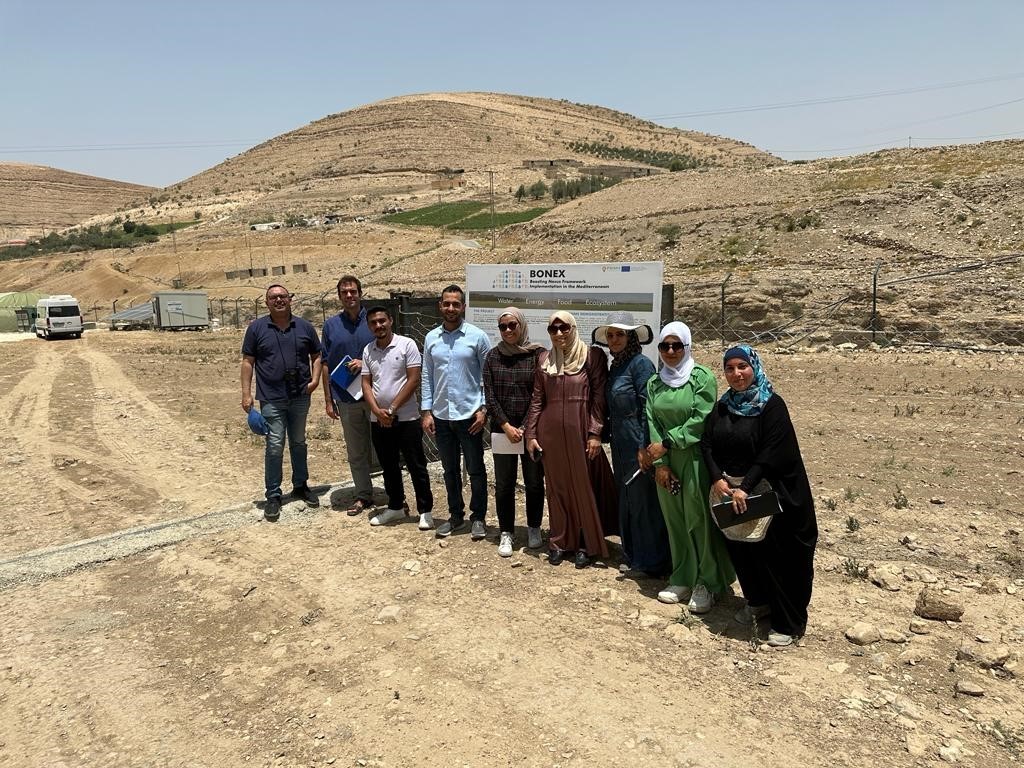
The framework and innovative WEFe Nexus solution approaches will be iteratively developed and tested in 7 carefully selected Demonstration Projects (DP) covering a diversity of MedRegion contexts, challenges, and technologies to ensure that results are truly replicable and that wide socio-ecological and cultural diversity of the MedRegion is considered. WEFeF and NBPs will be developed throughout multi-actor processes, with close collaboration of all value chain relevant actors, such as researchers, farmers’ organizations, businesses in the agro-food chain, public administration, technology providers, civil society organizations, and consumers as much as it will consider the creation of non-market values from the WEFE Nexus. As a result, BONEX will provide policymakers and practitioners with an interactive decision-making tool to evaluate trade-offs and synergies and nexus solutions approaches in a transdisciplinary manner.
Further, it will produce valuable experiences with tailoring innovative WEFe Nexus technologies that provides new business opportunities for SMEs throughout the MedRegion.
BONEX will be focusing on innovate solutions that have already or will have in the short term a large impact in water scarce regions. These technologies and approaches require a WEFe nexus approach to provide evidence to potential users and clients on how its implementation contributes to the sustainability of the agri-food systems and the preservation of ecosystems. For instance, wastewater treatment illustrates the potentials: it contributes to ~ 4% of the EU energy demand but contains up to 12 times more energy than what is needed for its treatment, further, after tertiary treatment it could be used for food production (Espinosa-Tasón et al (2020).
BONEX will pursue the following specific goals:
1. Establish a replicable and adaptive transdisciplinary framework, the WEFe Bridging Framework (WEFeF), as a powerful tool to be used by analysts and experts to develop and scale up WEFE Nexus solution approaches and produce context-specific Nexus Bridging Plans (NBPs).
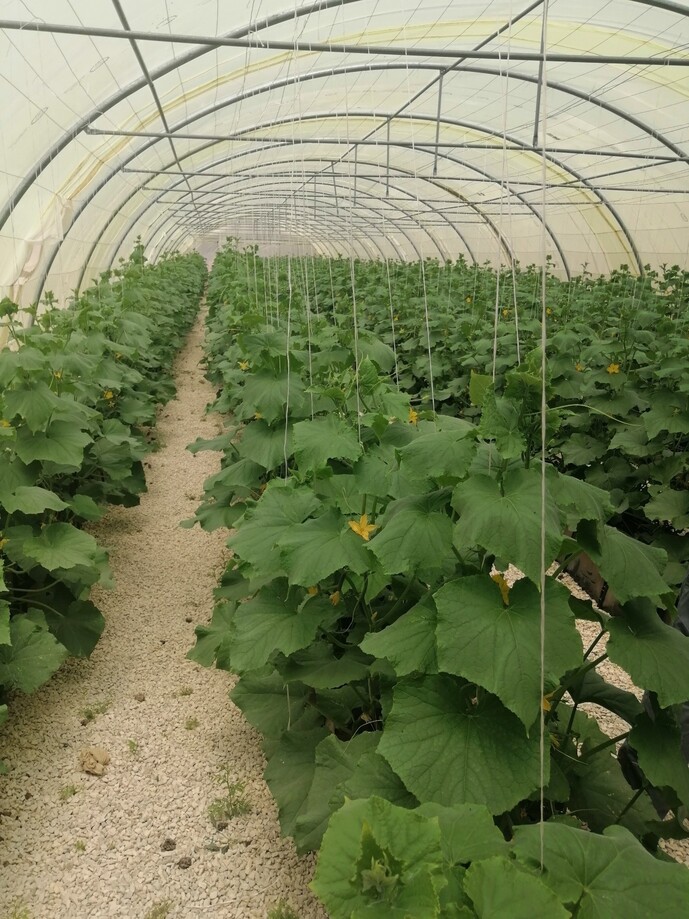
2. Co-create, operationalize, and assess innovative, context specific WEFe solution approaches to address the WEFE Nexus in a transdisciplinary manner in seven Demonstration Projects (DPs) in the MedRegion. Solution approaches include a combination of technological, economics, agricultural science, water, ecological and energy management interventions.
3. Mobilize and test combined application of a set of existing tools and methodological approaches from different disciplines to assess trade-offs and synergies among ecosystem services associated to the different WEFe Nexus solution approaches and the associated economic, environmental, and social implications across multiple scales and under different climate change scenarios.
4. Scale up WEFe Nexus practice through context-sensitive replication and broad dissemination of transdisciplinary WEFe Nexus knowledge and the WEFE Bridging Framework, forming a Community of Practice including diverse key stakeholders.
5. Leveraging knowledge for proactively informing strategic policy processes fostering innovation in technologies, management practices, business models and public policy.
6. Exploitation of results with close involvement of the private sector supporting the transfer of knowledge at the industrial level, promoting inclusive innovation, and scaling-up (from local to international) and catalysing action for its mainstreaming, financing, and implementation in Mediterranean and EU states.
