
Elevating citizen science: How IUCN Members are advancing a global conservation tool
This article shares reflections from an IUCN Member organisation about its efforts to elevate citizen and community science within the global conservation community. We demystify the IUCN motions process and show how it contributes to the IUCN Strategic Vision and Programme through the IUCN World Conservation Congress and its quadrennial cycle. Specifically, we outline the steps to organise support for Resolution 125 'Advancing citizen science to support and democratise conservation'.


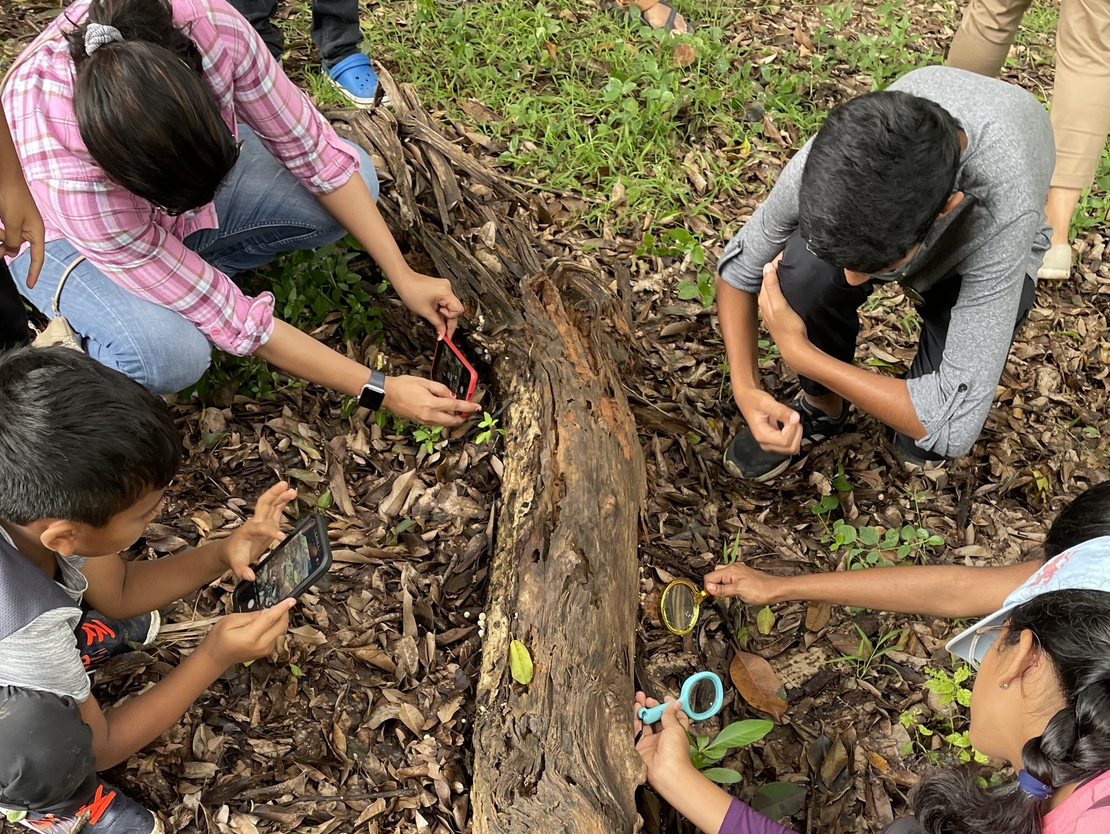
The power of a motion: IUCN Members support citizen science as a conservation tool to democratise conservation
In October 2025 at the IUCN World Conservation Congress, IUCN Members approved Resolution 125, underscoring the widespread consensus of the global conservation community on both the current impact and the future promise of citizen science in conservation monitoring and action.
The IUCN Congress is a once-every-four-years gathering of nature conservation experts, leaders and decision-makers from around the world. It is at the Congress that the quadrennial IUCN Work Programme is approved by Members, after a year-long consultative and collaborative drafting process.
In preparation for the IUCN 2025 Congress, IUCN Member organisations draft and propose motions. For the 2025 Congress, the motion process occurred between November 2024 and October 2025. Motions are the mechanism by which IUCN Members influence and guide IUCN’s policies and Programme. They also influence the global conservation agenda and steer applied conservation actions.
For the IUCN 2025 Congress in Abu Dhabi, 148 motions were proposed, and 144 were approved and became Resolutions or Recommendations, including Resolution 125. This Resolution now forms part of IUCN policy.
Why citizen science?
Citizen science had not appeared as a standalone motion or in the IUCN Work Programme specifically. Adventure Scientists and motion co-sponsors felt the need to get citizen science on the map. We recognised a gap and an opportunity based on the potential of citizen science to advance IUCN’s goals. There were no dedicated IUCN Resolutions or policies that defined or promoted citizen science. However, citizen or community science had been mentioned as a mechanism for collecting data in past motions, and was being applied by IUCN experts, Members and Commissions, such as to assist with species assessments on The IUCN Red List of Threatened SpeciesTM.
Citizen science is an approach to collecting data at large scales that also engages citizens seeking to learn more about the natural world and to actively support conservation in their surroundings and communities. It is also a conservation mechanism that can engage as few or as many citizens as a project allows in person or from afar. As noted in IUCN’s 20-Year Strategic Vision, exploring the greater use of citizen science is a key priority as IUCN expands one of its catalytic roles, guiding conservation with robust science, data and evidence.
Adventure Scientists, an IUCN Member organisation, led the development, sponsorship and submission of a motion calling on the Union to embrace citizen science as an approach to engaging community members, Indigenous Peoples, rangers and other groups in collecting conservation data at large scales.
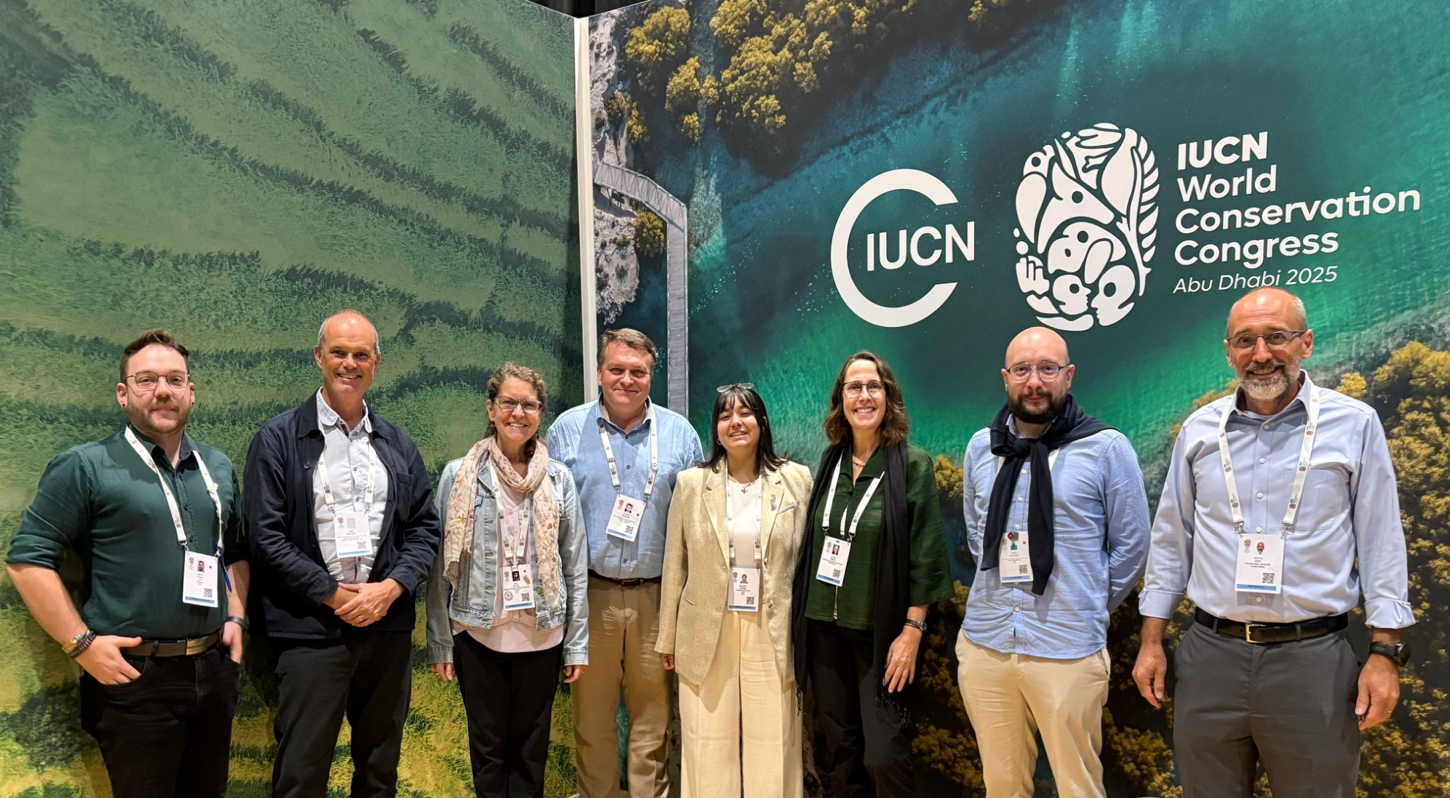
The first step in the process was to develop the motion framework and identify and assemble co-sponsors. Then, the group worked together to craft the motion language according to the prescribed IUCN format and submit it for review by the IUCN Motions Working Group. The motion co-sponsors were the following:
● Fundación Natura Bolivia (Bolivia)
● OneNature Institute (United States)
● Reforestamos México A.C. (Mexico)
● Gallifrey Foundation (Switzerland)
● The Explorers Club (United States)
● Fundación ProAves de Colombia (Colombia)
● National Whistleblower Center (United States)
For this particular motion, the next step was that, rather than being immediately accepted, the motion text was sent to the IUCN Work Programme for consideration. The proposal was to incorporate it directly into the Programme rather than have it stand as a new Resolution concerning IUCN’s policy. The Motions Working Group also noted that the topic was already being covered by the Commission on Education and Communication (CEC). However, the point of the motion was that citizen science should be a cross-Union initiative, involving all Commissions, not just the CEC. Therefore, the decision was appealed for reconsideration.
The appeal text made the case for the role of citizen science, highlighting its value as a recognised scientific tool for non-governmental organisations, governments and industry. The appeal was granted, and the motion was approved for submission to the Congress for consideration, discussion, editing and voting.
In the months leading up to the IUCN Congress, during an open comment period, IUCN Member organisations could make comments on each of the proposed motions, and the edited language was considered either prior to or during the Congress Member voting. There was an electronic vote by IUCN Members in the run-up to the Congress on non-contentious motions. Success! The motion passed. After the Congress, the motion became a Resolution with a call to all of IUCN to activate it.
The Resolution calls on the Union and all Commissions to embrace citizen science. It has also led to the creation of the cross-commission Citizen Science Task Force, hosted within the CEC and comprising representatives from all Commissions. Citizen science is referenced in both the IUCN Strategic Vision and the IUCN 2026-2029 Programme. The Programme calls for “supporting equitable approaches to monitoring through the integration of Indigenous ways of knowing into IUCN guidance and decision-support tools and recognition of the role of citizen science”.
The new Citizen Science Task Force, with representatives from all seven IUCN Commissions, is currently working to implement the Resolution. There are several working groups within the Task Force, covering topics ranging from case studies, technology, definitions and policy to knowledge products and capacity building. Outputs from the task force to date include the following:
● The Task Force created an Explainer Brief about citizen science in preparation for the IUCN Congress.
● A case study was shared on the Panorama – Solutions for a Healthy Planet platform: Kehatiku: Where Wildlife Conservation Pays.
● Ongoing inventory of citizen science case studies from around the world.
What’s next?
Interested experts and IUCN Members are encouraged to join the Citizen Science Task Force by first joining the IUCN Commission on Education and Communication or contacting the authors ([email protected] and [email protected]). Members are encouraged to tap into citizen science resources to collect data at scale and engage their communities in helping advance IUCN’s new Strategic Vision and Programme. If your Member organisation is engaged in citizen science, please remember to post activity reports on the IUCN Resolutions and Recommendations platform.
Suggested resources
- IUCN Explainer brief – Citizen science
- A 2020 ‘citizen-science’ assessment of the state of the world’s wetlands
- Adventure Scientists
- Citizen science and EU regulations – a new approach
- Foundations of citizen science: e-learning course on SciStarter
- Global Biodiversity Information Facility
- iNaturalist resources for educators
- Ten principles of citizen science

Disclaimer
Opinions expressed in posts featured on any Crossroads or other blogs are those of the authors and do not necessarily reflect the opinions of IUCN or a consensus of its Member organisations.

The Bangladesh Forest Department (BFD) and IUCN Bangladesh, with support from Agence Française de…

Each year, International Women's Day is an opportunity to recognise the women advancing change in…

On 14 January 2026, in Dhaka, the Bangladesh Forest Department and IUCN Bangladesh formally signed…