Tatiana Lobato de Magalhães is a research professor at the Universidad Autónoma de Querétaro, an adjunct professor at North Dakota State University, and a visiting researcher at the University of ...
IUCN COMMISSION GROUP
IUCN CEM Wetland Ecosystems Specialist Group

Group leadership

Dr Tatiana LOBATO DE MAGALHAES
Tatiana Lobato de Magalhães is a research professor at the Universidad Autónoma de Querétaro, an adjunct professor at North Dakota State University, and a visiting researcher at the University of Tasmania. Commission Deputy Chair of IUCN CEM Steering Committee, lead of the IUCN-CEM Wetland Ecosystems Specialist Group and former president of the International Chapter of the Society of Wetland Scientists. She has specialised in wetland research and education for nearly 20 years, with a strong emphasis on ecology, landscape genetics, and the distribution of aquatic plants. Her work includes research projects and teaching across the Americas and, recently, in Oceania, covering areas such as the Amazon, the Southern Brazil Highlands, Central Mexico, Tasmania, and the United States. Lobato de Magalhães is an associate editor of the Springer book series Wetlands: Ecology, Management, and Conservation, as well as of scientific journals Wetlands, Aquatic Botany, Marine and Freshwater Researcher, and New Zealand Marine and Freshwater Researcher. She has authored several books, including the World Atlas of Freshwater Macrophytes.

Dr Yasmin QUINTANA
Dr. Yasmin Quintana is a fisheries scientist, ecologist, and conservation biologist with over a decade of experience working across academic, governmental, non-governmental, and international institutions. She holds a Ph.D. in Ecology and Conservation Biology from Texas A&M University, an M.Sc. in Interdisciplinary Ecology with a concentration in Fisheries and Aquatic Sciences from the University of Florida, and a B.Sc. in Biology from the Universidad de San Carlos de Guatemala.
She currently serves as the manager of the Center for Species Survival: Freshwater at Shedd Aquarium in partnership with the IUCN Species Survival Commission. In this role, she leads multi-country initiatives to protect threatened freshwater species in Mesoamerica, builds partnerships with governments, NGOs, and scientists, and develops capacity-building programs to strengthen regional conservation networks. She is the Co-Lead of the IUCN CEM Wetlands Ecosystems Specialist Group and a member of the IUCN SSC Freshwater Conservation Committee, where she has contributed to developing important efforts for freshwater conservation in Mesoamerica.
Her work focuses on the ecology, conservation, and management of aquatic ecosystems. She has led and co-led multiple research projects examining freshwater biodiversity, fish assemblages and their environmental drivers, invasive species, and fisheries management across diverse freshwater and estuarine systems. She has worked in Central America, in the U.S. and in Equatorial Guinea (continental region).
Previously, she served as a Biological Scientist and then as a Wildlife Director at the National Council of Protected Areas (CONAP) in Guatemala, where she contributed to the development of the country’s National Biodiversity Strategy and advised the Executive Secretary on key topics, including the designation of Pacific Ecologically or Biologically Significant Marine Areas (EBSAs) under the Convention on Biological Diversity and the implementation of projects supported by the Global Environment Facility (GEF).
Recognized as one of Crain’s Chicago Business 2024 Notable Latino Leaders and recipient of the Illustrious Guatemalan Award in Science (2023), Dr. Quintana is a committed advocate for freshwater biodiversity, bridging science, policy, and conservation action at national, regional, and global levels.
Dr. Yasmin Quintana is a fisheries scientist, ecologist, and conservation biologist with over a decade of experience working across academic, governmental, non-governmental, and international ...
Wetlands are among the world’s most vital environmental assets, found on every continent and across all latitudes and altitudes. They support diverse biological communities and provide critical economic, social, and cultural benefits, including timber, fisheries, hunting, recreation, and tourism. These ecosystems also provide essential ecosystem services, such as maintaining water quality, protecting shorelines from erosion and wave action, and serving as nurseries for fish and other freshwater and marine species. They are crucial for groundwater recharge, carbon storage, and mitigating the impacts of storms and floods. Additionally, wetlands play a vital role in educating the public about biodiversity and natural processes. Despite these benefits, many wetlands worldwide have suffered severe degradation, adversely affecting biodiversity and local communities, due to threats from human activities such as water management, dam construction, fishing, agriculture, and oil extraction. These losses tend to be greater and occur more rapidly in inland areas than along coastlines, making the conservation of freshwater ecosystems a current global priority. Halting and reversing these losses requires coordinated action across science, policy, and practice. The Wetland Ecosystems Specialist Group mobilizes global expertise to address this challenge, working across disciplines, geographies, and governance levels in coordination with the IUCN’s agenda.
Mision and Overarching Goal
The overall mission of the Wetland Ecosystems Specialist Group aims to build a global network of experts that promotes wetland preservation, restoration, and sustainable use of wetland ecosystems—supporting ecosystem services, biodiversity, ecological processes, resilience, livelihoods, and water, food, and health security for local communities worldwide.
Our goal is to reverse the accelerating loss of wetland ecosystems globally, by connecting science, policy, and practices across communities and international efforts.
To reach this goal, the Wetland Ecosystems Specialist Group pursues the following objectives:
· Inspire specialist groups to build partnerships, collaborations, and networks for large-scale and transboundary wetlands monitoring
· Promote conservation of wetland biodiversity and habitats
· Encourage research on the sustainable use of renewable resources to foster resilient wetlands
· Support an ecosystem-based approach to wetlands management, including stakeholder participation and good governance
· Provide technical guidance to managers and stakeholders (NGOs, CBOs, indigenous and local communities) on assessing and monitoring wetlands
· Educate society at various levels—managers, community leaders, decision makers, the public, children, and youth—on the importance of preserving wetlands' ecological integrity as key to sustaining healthy ecosystems
IUCN Linkage
Because water is a cross-cutting issue, the objectives of the Wetlands Ecosystems Specialist Group are closely connected with CEM groups such as Ecosystem Services, Climate Change Adaptation, Coastal Ecosystems, Peatland Ecosystems, Dryland Ecosystems, Mountain Ecosystems, Resilience, Sustainable Use and Management of Ecosystems, and Ecosystem Restoration. Furthermore, the group's objectives align with tasks from the Commission on Education and Communication, the Commission on Environmental, Economic and Social Policy, the World Commission on Environmental Law, the Species Survival Commission, and the World Commission on Protected Areas. These objectives also span most IUCN programs and are linked to initiatives like Mangroves for the Future and Water and Nature.
Global Partnerships
World Wetland Network (WWN), Society of Wetland Scientists (SWS), IUCN Secretariat, Mesoamerican Alliance for the Conservation of Freshwater Biodiversity.
Expected Activities and Outputs
- Explore potential cooperation with other cross-sectoral and cross-commission partners to address issues of wetland ecosystems
- Support the development of a global freshwater assessment
- Participate in the process of developing the Red List of Ecosystems
- Collaborate with the Freshwater Biodiversity Strategy and the World Wetland Survey’s ongoing activities
- Support the Mesoamerican Alliance for the Conservation of Freshwater Biodiversity and regional activities related to wetlands
- Participate in key events to deliver talks and symposia on wetland matters
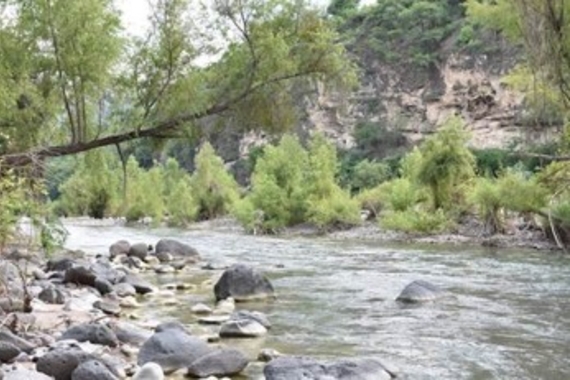
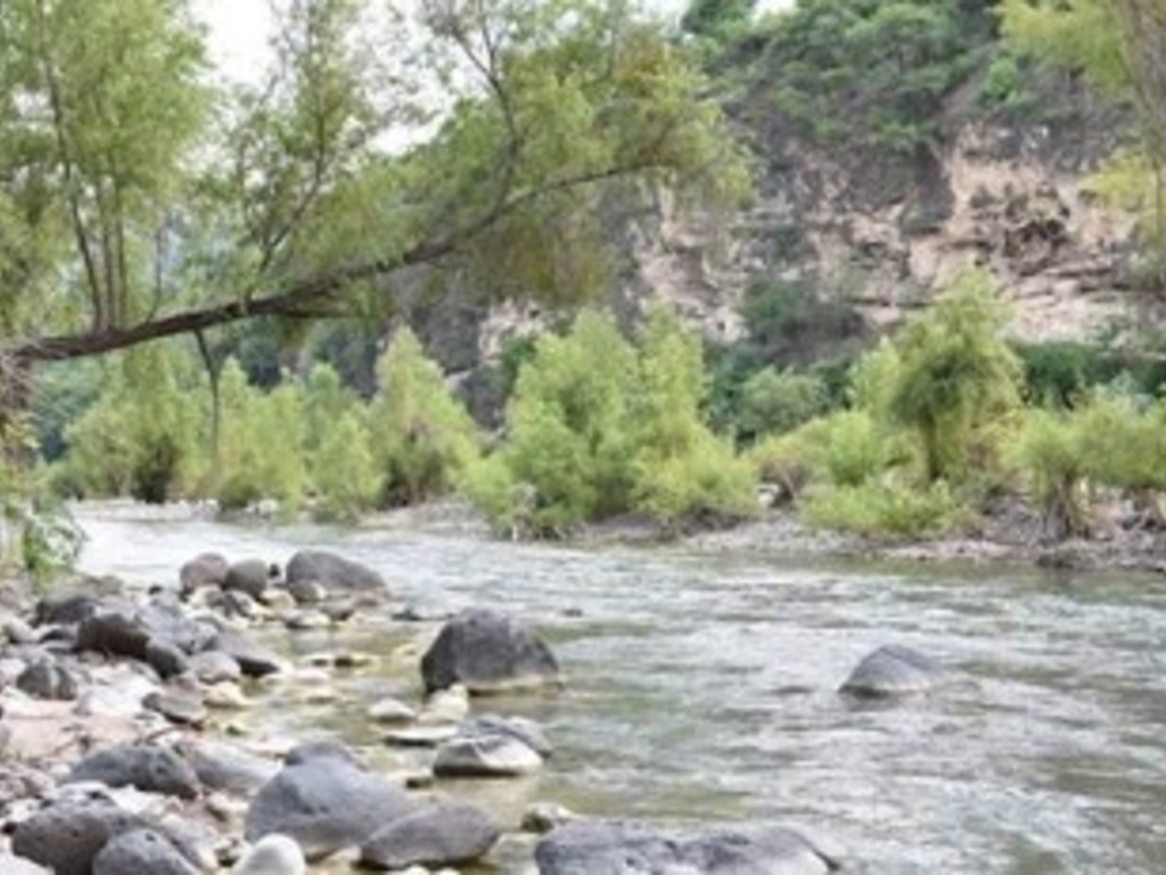
Salix humboldtiana in a riverine wetland, Santa María River, Mexico. Credit: T Lobato-de Magalhães
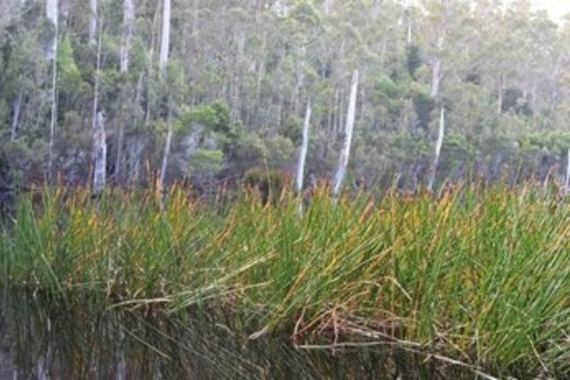
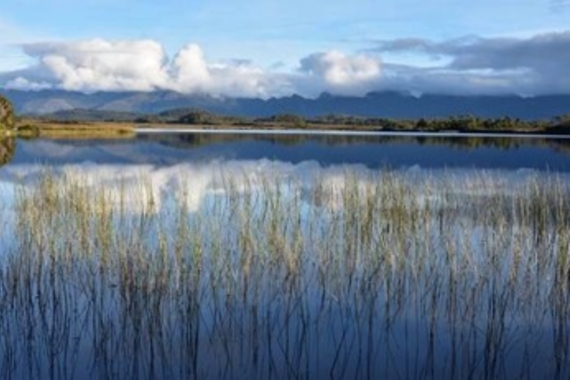
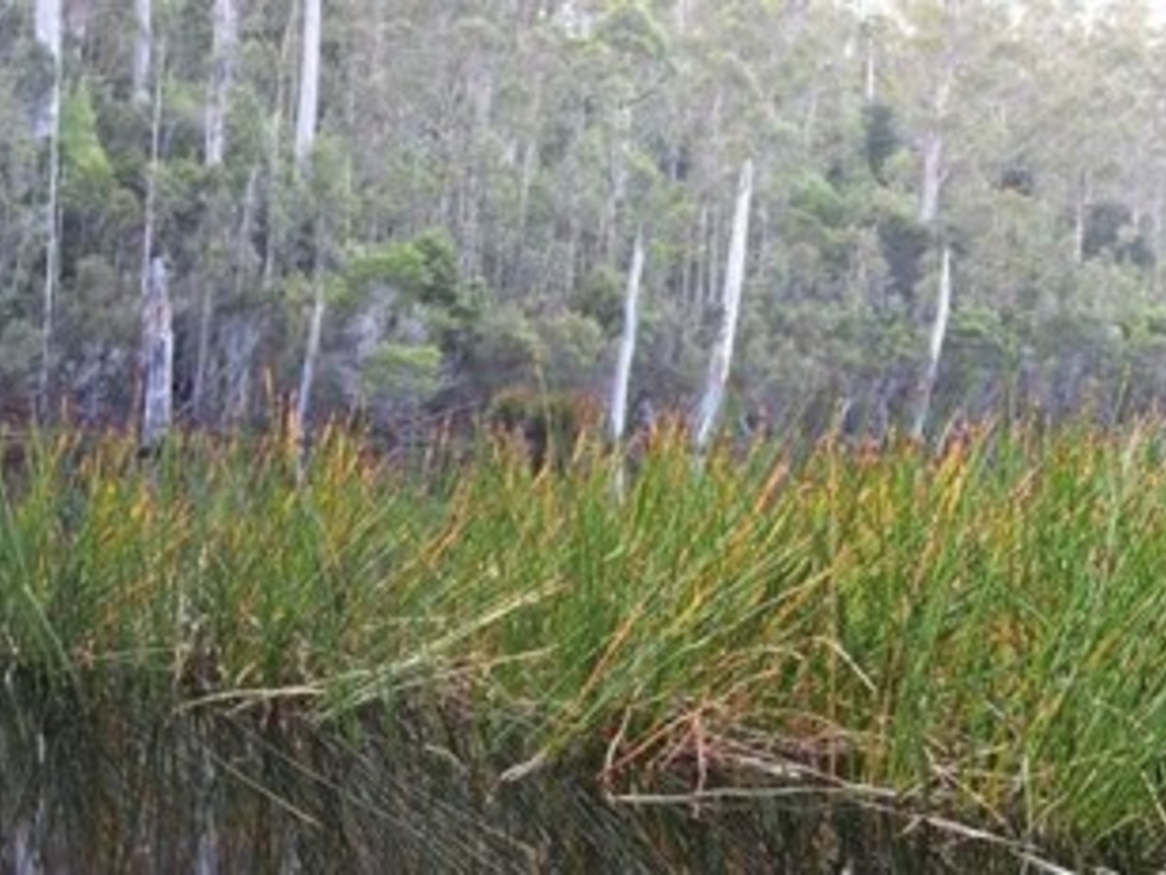
Eleocharis sphacelata in a palustrine wetland, Tasmania’s largest expanse of wilderness, Southwest National Park, Australia. Credit: T Lobato-de Magalhães
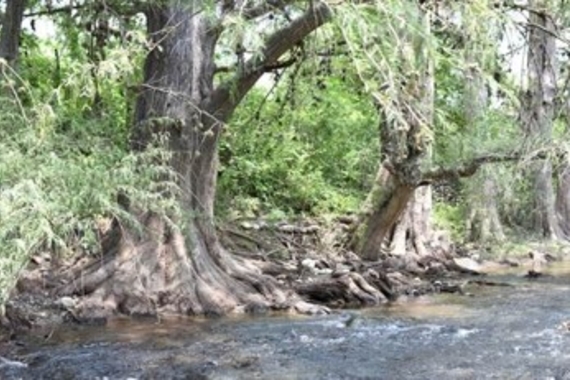
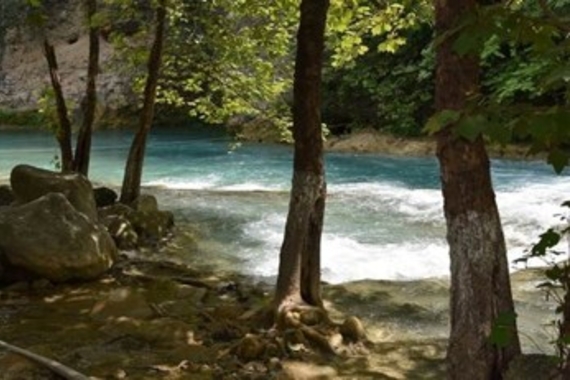
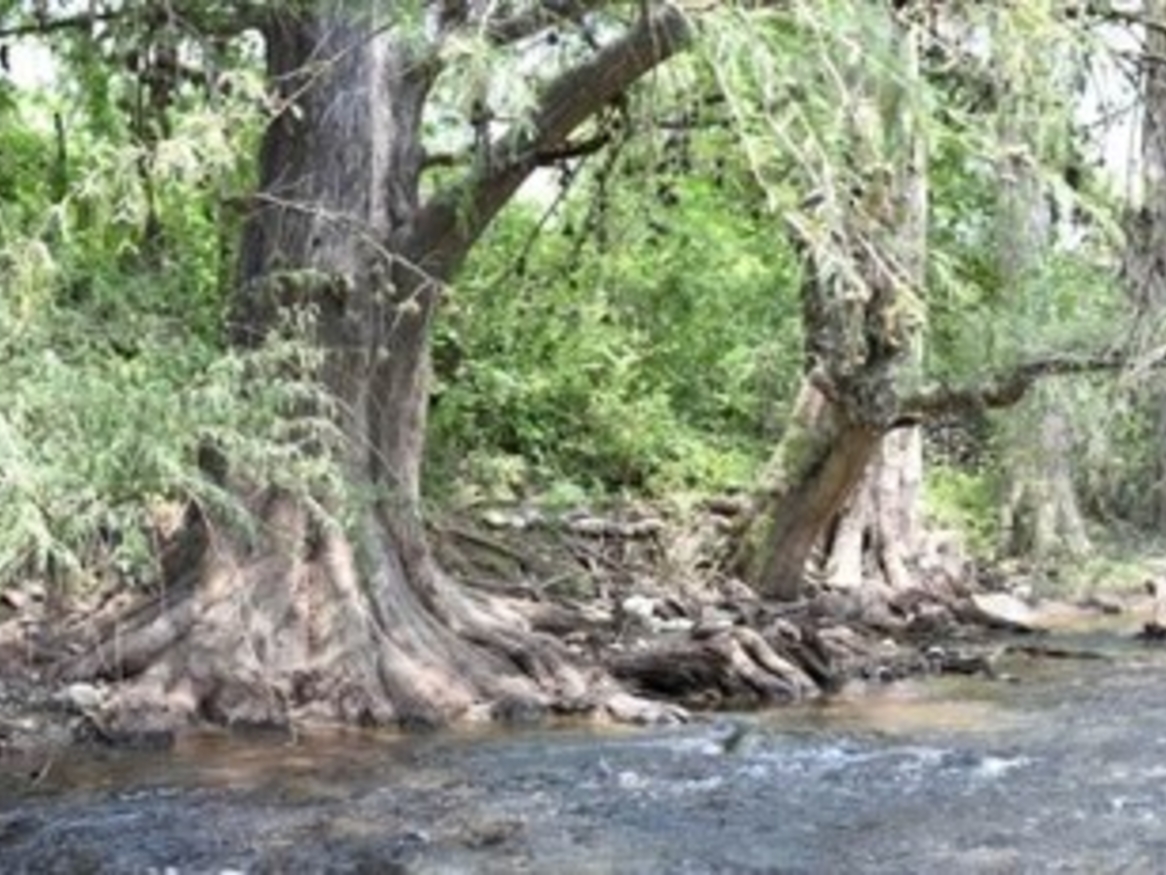
Taxodium mucronatum in a riverine wetland, Jalpan River, Mexico. Credit: T Lobato-de Magalhães
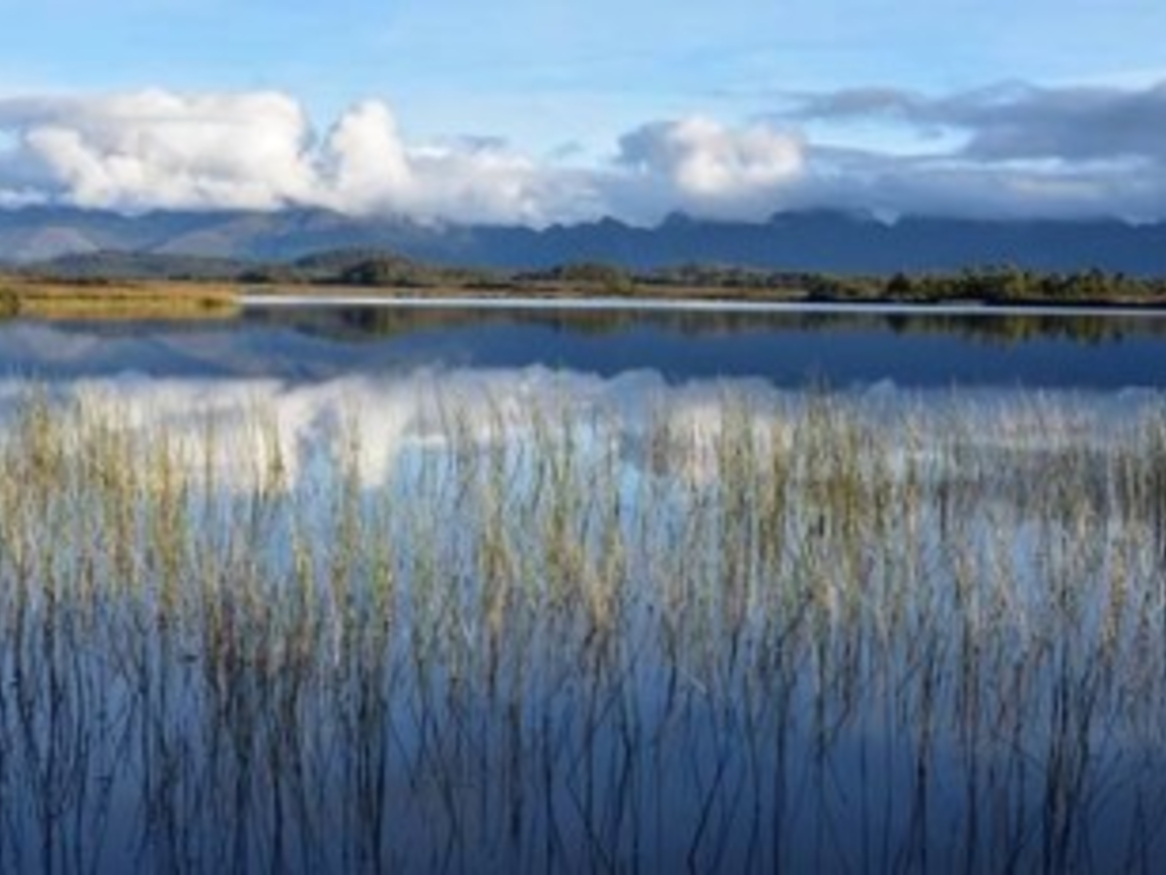
Eleocharis acuta in a palustrine wetland, Edgar Pond, Tasmania’s largest expanse of wilderness, Southwest National Park, Australia. Credit: T Lobato-de Magalhães
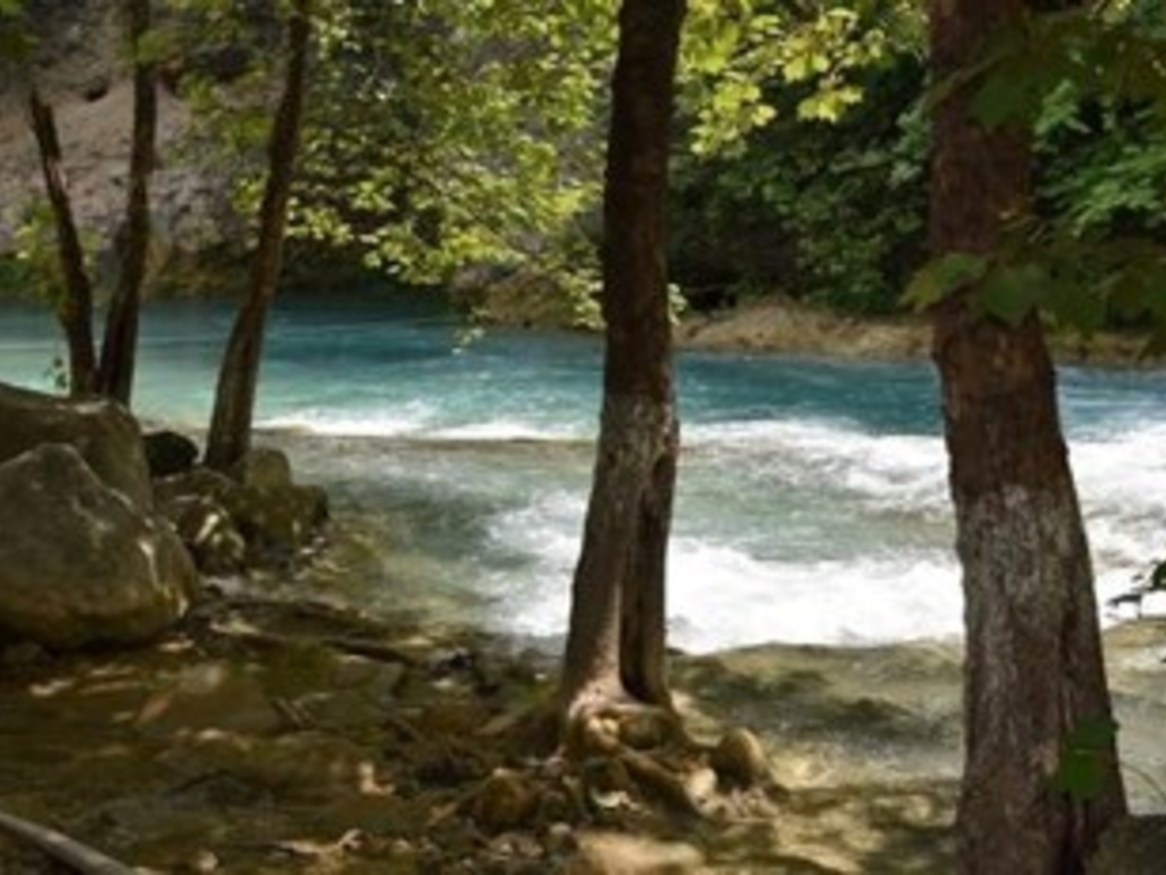
Platanus mexicana in a riverine wetland, Ayutla River, Mexico. Credit: T Lobato-de Magalhães
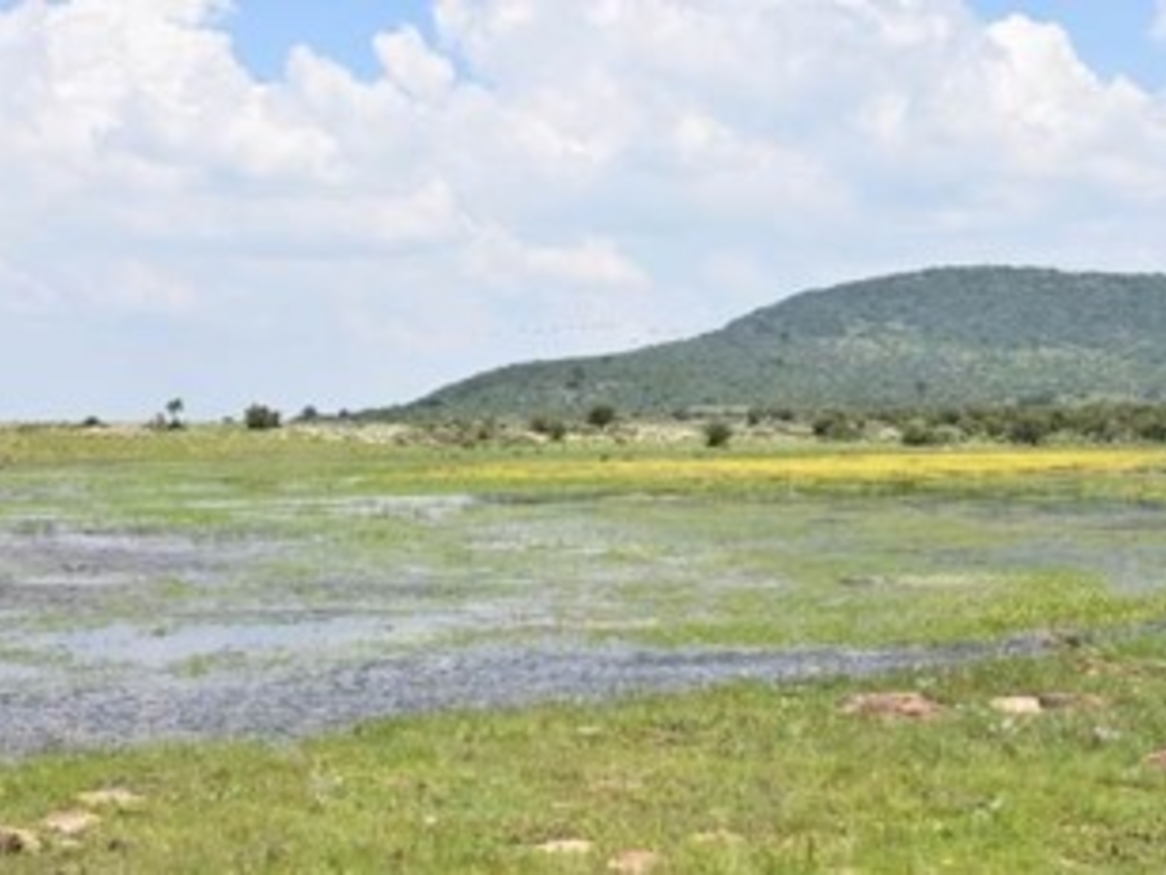
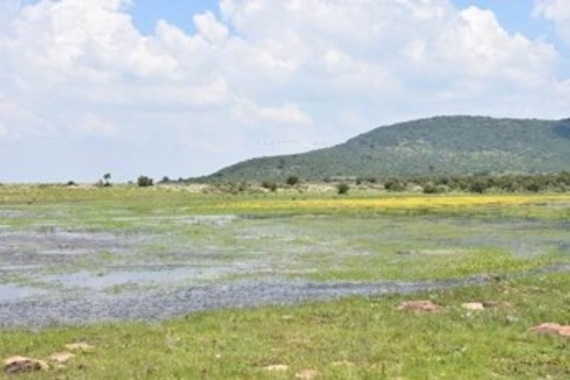
Nymphoides fallax (yellow flowers) in a temporary wetland, Central Mexico highlands. Credit: T Lobato-de Magalhães