Lake Baikal Foundation joins IUCN
The Lake Baikal Foundation has officially joined IUCN, bringing to the Union its experience in freshwater ecosystem conservation, applied scientific research and the management of environmental pressures on protected areas. We warmly welcome the Foundation as a new Member and look forward to strengthening cooperation to conserve the exceptional biodiversity of Lake Baikal and other vulnerable aquatic ecosystems.
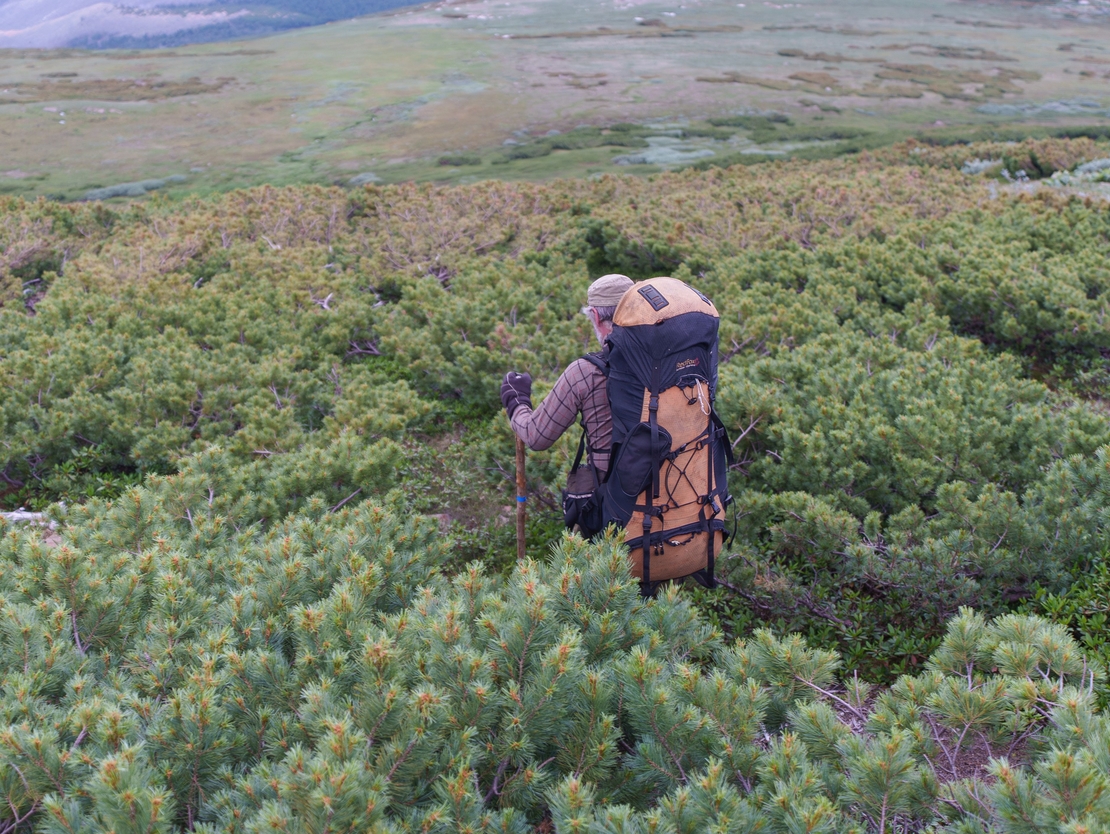
A scientist on the Khamar-Daban reindeer herd expedition
The Foundation is active in the Baikal Natural Area, a highly protected ecological zone spanning over 540,000 square kilometres in southern Siberia, Russia that surrounds Lake Baikal, the world’s oldest and deepest freshwater lake, and the UNESCO World Heritage Site.
“Joining IUCN is an important opportunity to connect our work in the Baikal Natural Area with a global community of conservation experts,” said Anastasia Tsvetkova, Lake Baikal Foundation CEO. “We look forward to strengthening our methods and conservation standards, exchanging knowledge and sharing experience from Baikal with organisations working to protect vulnerable freshwater ecosystems,” she added.
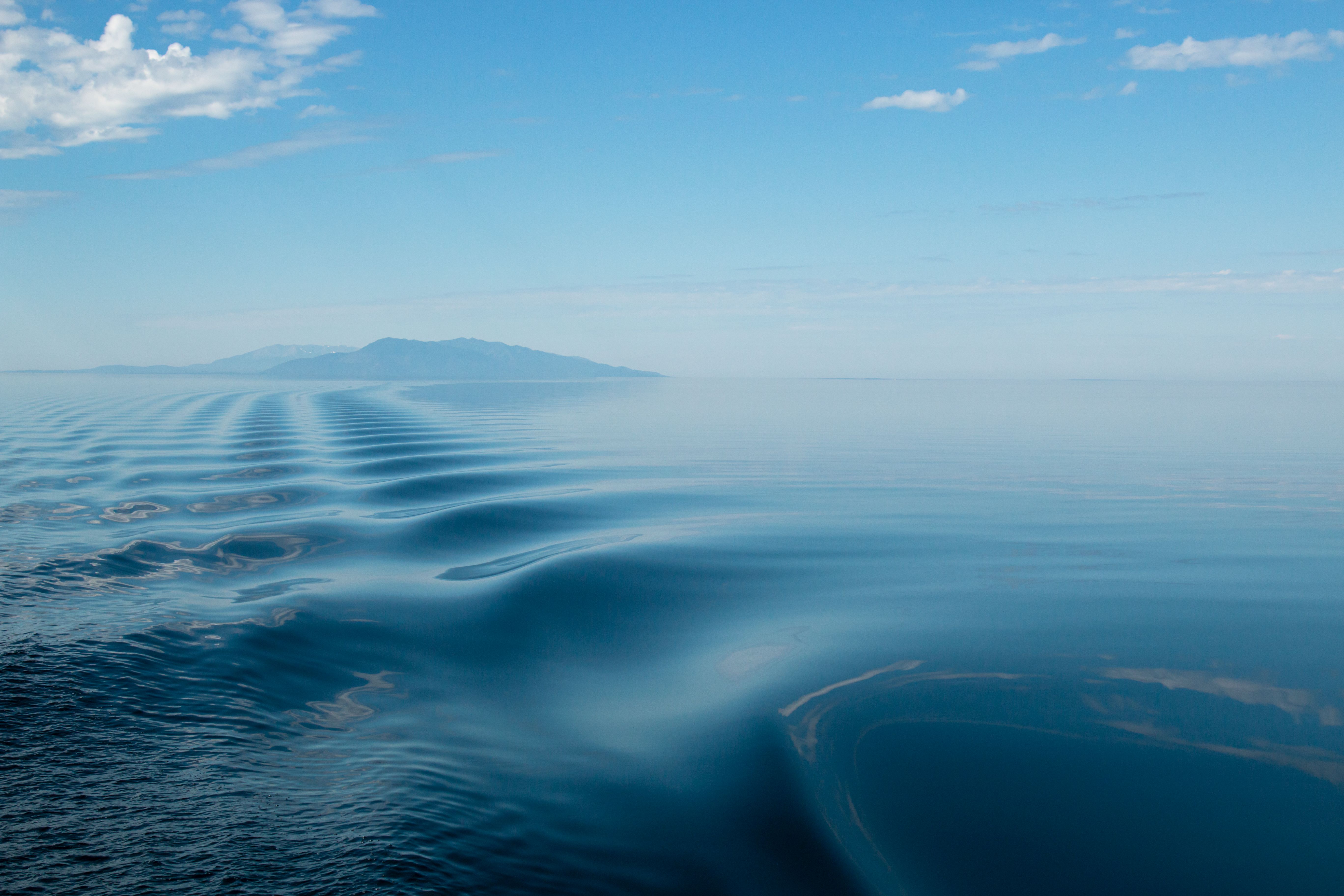
©LBF
Protecting Lake Baikal’s unique biodiversity and restoring the surrounding forests
Established in 2016, the Lake Baikal Foundation supports scientific research and practical environmental solutions to preserve Lake Baikal and promote the sustainable development of the surrounding area. It brings together scientists, protected area managers, public institutions, businesses and local communities, helping translate scientific knowledge into conservation action and management decisions.
Biodiversity conservation is central to the Foundation’s work. Its programmes support the study and protection of the Baikal seal (Pusa sibirica), the lake’s only mammal and one of its best-known endemic species, while also examining how tourism and other human activities affect its habitats. The Foundation also works to conserve the small and isolated Khamar-Daban population of wild forest reindeer, the endangered Olkhon vole (Alticola olchonensis) and rare endemic plants found on Olkhon Island and in the surrounding region.
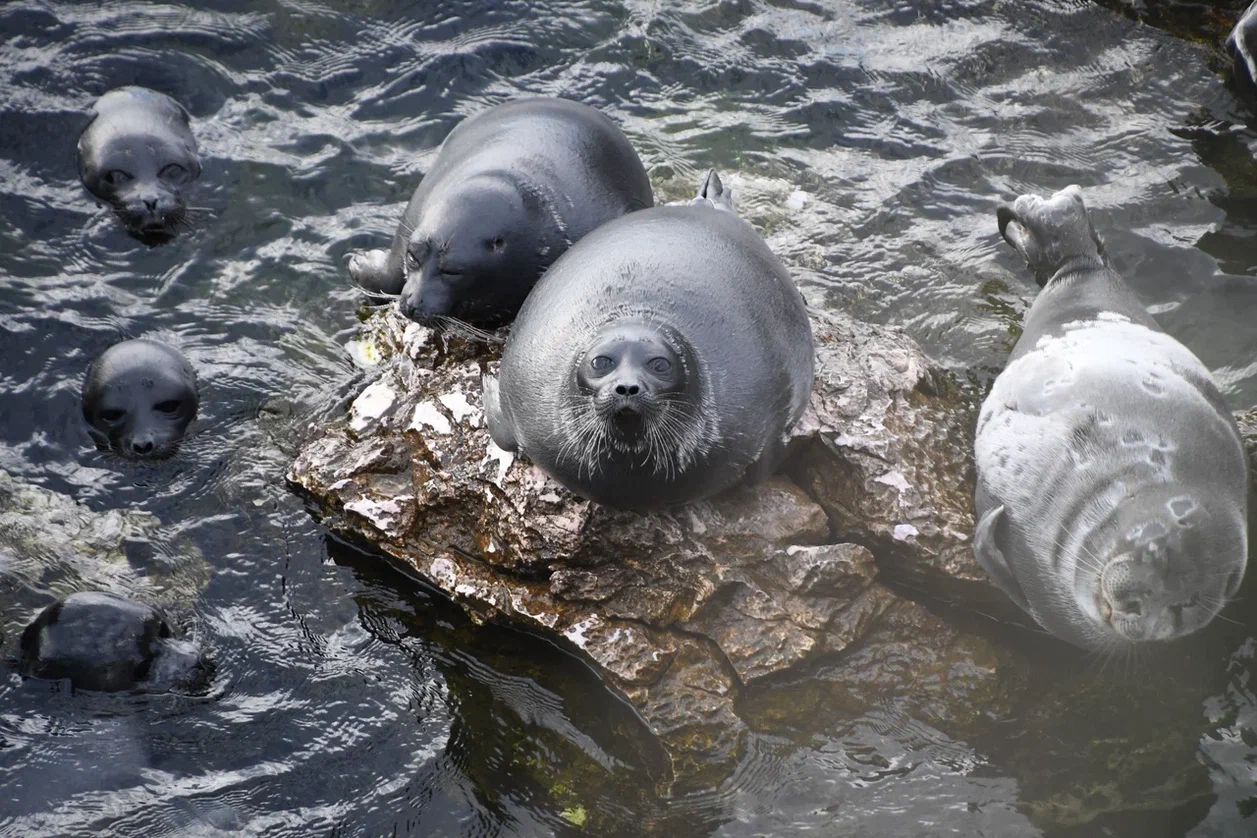
©IEE RAS
These initiatives combine field research, long-term monitoring and practical measures to protect important habitats and guide the management of protected areas. Through its Green Platform project, for example, the Foundation has helped develop a digital information system on rare plants to support science-based conservation planning and zoning.
Forest restoration is another important area of work. In 2023 and 2024, the Foundation supported the planting of more than 90,000 pine and cedar seedlings in fire-affected areas of the Republic of Buryatia. Its approach includes careful site and species selection, followed by several years of monitoring and care to improve the long-term success of restoration.
The Foundation is also beginning to apply its experience beyond Lake Baikal, including by contributing to conservation planning for the Caspian seal (Pusa caspica).
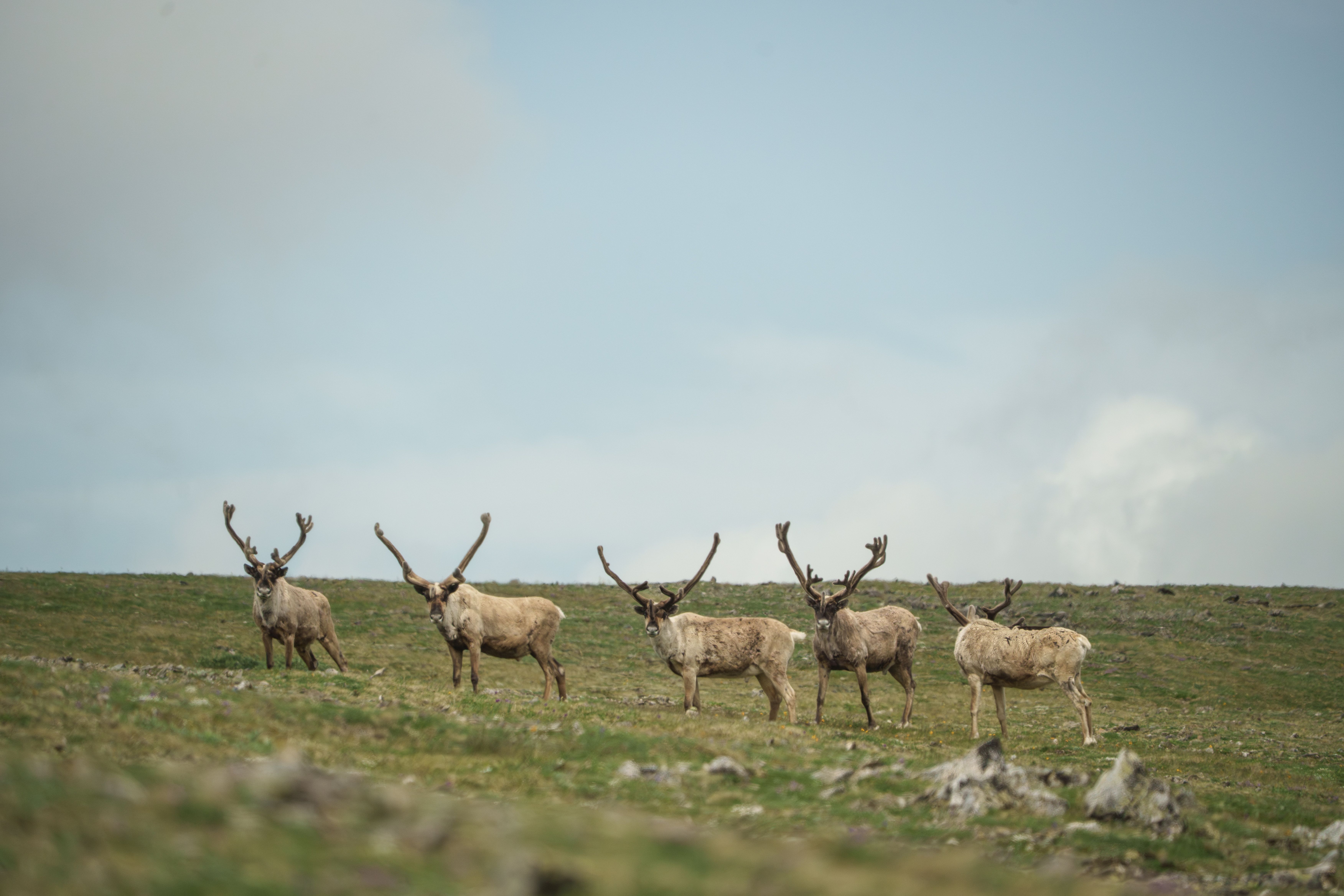
Khamar-Daban, ©LBF
Strengthening cooperation for freshwater ecosystems
By joining IUCN, the Lake Baikal Foundation will be able to engage more closely with the Union’s global network of Members and Commission experts as well as the Secretariat. This will create new opportunities to exchange scientific and practical knowledge, strengthen the application of international conservation standards and contribute experience from one of the world’s most distinctive freshwater ecosystems.
The  Foundation’s membership also provides an opportunity to connect work at Lake Baikal with wider international discussions on biodiversity, protected areas, freshwater conservation, sustainable tourism and ecosystem restoration.
Through this cooperation, IUCN and the Lake Baikal Foundation can help advance the protection of endemic species while supporting the people and institutions responsible for managing these exceptional natural areas.
For more information, visit the Lake Baikal Foundation’s website.
To learn who can become an IUCN Member and how, please visit this page.


