Fayçal Ait Boumallassa is a Conservation Biologist and Scientific Associate Researcher affiliated with the Museum of Natural History of Marrakech MHNM (Cadi Ayyad University) and the Polydisciplinary ...
IUCN COMMISSION GROUP
IUCN CEM Dryland, Desert and Oasis Ecosystems Specialist Group

Group leadership
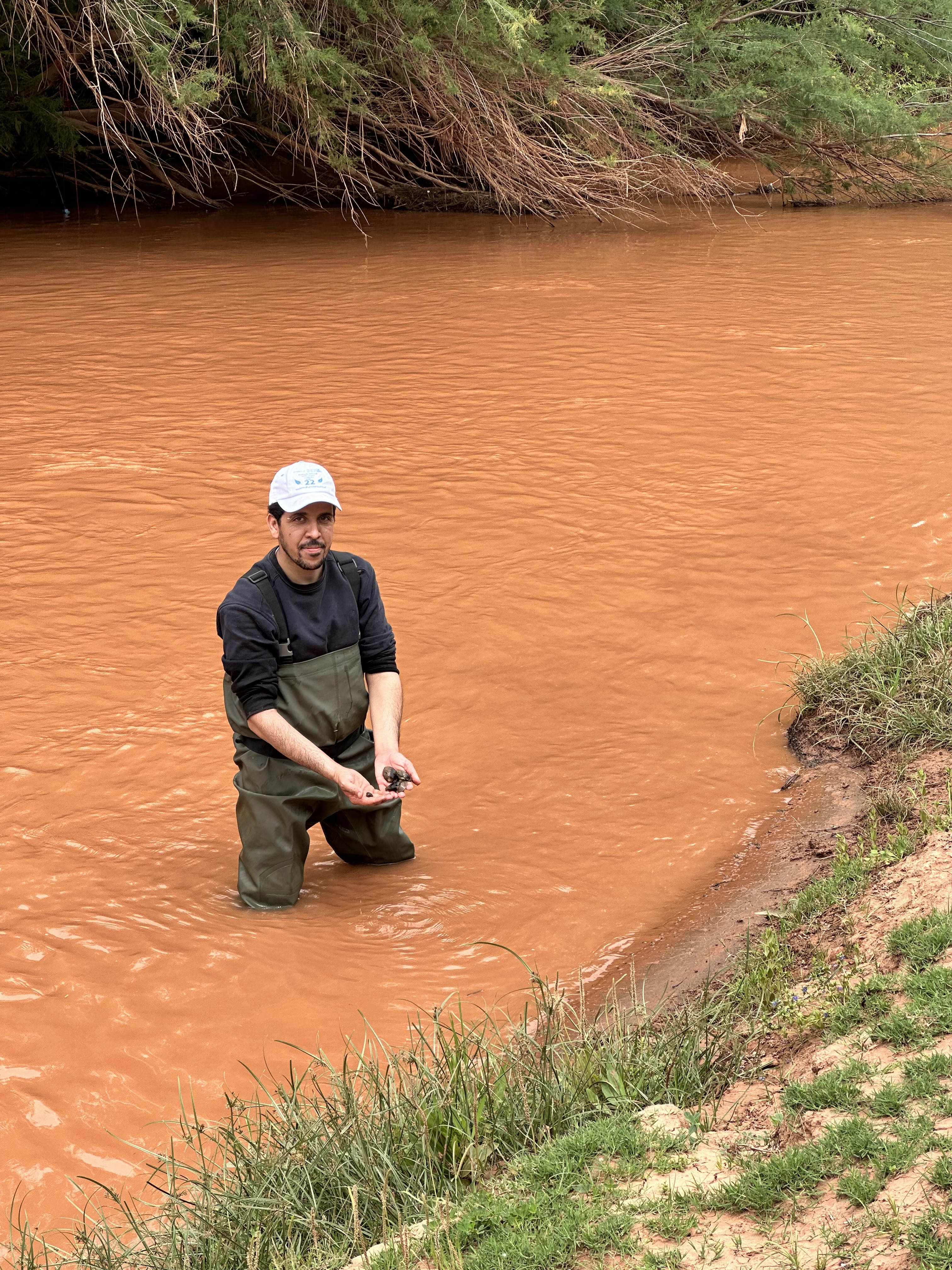
Mr faycal ait boumallassa
Lead
Fayçal Ait Boumallassa is a Conservation Biologist and Scientific Associate Researcher affiliated with the Museum of Natural History of Marrakech MHNM (Cadi Ayyad University) and the Polydisciplinary Faculty of Béni Mellal (Sultan Moulay Slimane University), Morocco. He specializes in ichthyofaunal assemblages and the functional diversity of aquatic ecosystems, with particular emphasis on the genetics, ecology, population biology, trophic diversity, and spatial distribution of endemic Moroccan freshwater ichthyofauna. Fayçal has led and contributed to multiple conservation projects across Morocco's most ecologically sensitive landscapes including mountain, Saharian, and oasis environments. His fieldwork spans biodiversity assessments, species monitoring, and applied conservation planning in Key Biodiversity Areas of the High Atlas region. He is a member of the Moroccan National Committee of IUCN and the IUCN Commission on Ecosystem Management (CEM, 2026–2029). He is also a long-standing member of AESVT, with over 13 years of active engagement in environmental education.
Ms Areej JARADAT
Commission Member
Areej Jaradat is an ecologist currently working as a Senior Studies Researcher at UAE University. She focuses on ecosystem conservation. Academically, she has developed solid expertise in ecological research including spatial analyses and climate change impacts on species distribution. Her research experience includes planning and executing scientific studies, designing experiments, and conducting extensive fieldwork. She is skilled in spatial data analysis using tools such as RStudio and ArcGIS and has contributed to peer-reviewed publications and scientific literature. Beyond academia, Areej has built diverse professional and volunteer experience in conservation and ecosystem management. She has contributed to wildlife monitoring projects, environmental policy plans, and community awareness initiatives across the UAE. Through roles with organizations such as the Emirates Nature-WWF, Dubai Desert Conservation Reserve, and the IUCN Commission on Ecosystem Management, she actively supported biodiversity conservation, research outreach, and sustainability efforts while mentoring students and engaging the public in environmental stewardship.
Areej Jaradat is an ecologist currently working as a Senior Studies Researcher at UAE University. She focuses on ecosystem conservation. Academically, she has developed solid expertise in ecological ...
The floristic biodiversity of the oasis ecosystem and its arid domain constitutes a natural heritage of plant species: annuals, biennials or perennials for multiple uses: fodder, condiments, aromatic and medicinal.
Similarly, the land fauna of the oasis is rich and plays a biological and ecological role in the other biological components of the oasis ecosystem (symbiosis and complementarity) and in the production of manure on site, in addition to its economic function.
Oasis systems and landscapes are intimately linked to human action. In oases, water use systems constitute a very elaborate form of collective irrigation, the conception of which is very old, based on the pooling and sharing of resources.
Oasis ecosystems, defined as ecological entities designed by humans to ensure a certain degree of local socio-economic stability, may be subject to the most threatening impacts in view of their extreme vulnerability to socio-economic and environmental changes (particularly climatic). These impacts clearly translate into high risks of desertification, degradation of water and soil resources, and loss of faunal and floral biodiversity. These risks would negatively affect the productivity of these ecosystems and reduce their social, ecological and economic roles in the arid and Saharan regions of the countries concerned.
Hence the importance of promoting conservation initiatives for this natural and cultural heritage, with the aim of strengthening the resilience of these ecosystems and their capacity to adapt to climate change.
Objectives of the Desert and Oasis Ecosystems Specialist Group:
- To deepen analyses and exchange thoughts on the state of play of the main challenges and issues characterising oasis ecosystems in the different countries in terms of sustainable management, governance systems, risk assessment, resilience and adaptation to climate change through meetings and exchanges;
- Raising the awareness of decision-makers on the importance of the oasis ecosystem in the natural environment and on the economic and social conditions of the oasis population;
- Raising the awareness of countries on the safeguarding of oasis biodiversity, conservation of genetic resources and better management of water resources in oases;
- Strengthening national human capacities in terms of safeguarding, conserving and promoting oasis products through exchanges of experience between the different countries;
- Helping to draw up Local Development Plans (LDPs) for oases, based on the geographical, topographical and biological characteristics of the various oases;
- To promote and encourage scientific research on the oasis world.