James Slade is the founder of the WCPA Wildlife Crime Prevention Group and the Wildlife Crime Prevention Specialist for Re:wild, an NGO which protects and restores the wild, through collaborative and ...
IUCN COMMISSION GROUP
IUCN WCPA Wildlife Crime Prevention Specialist Group

Group leadership

Mr James SLADE
Co-Chair
James Slade is the founder of the WCPA Wildlife Crime Prevention Group and the Wildlife Crime Prevention Specialist for Re:wild, an NGO which protects and restores the wild, through collaborative and locally partnered conservation efforts. He works with partners to develop and implement crime prevention strategies and create area-specific approaches supporting law enforcement efforts and protected area field staff. Before joining Re:wild, James spent over a decade living and working with rangers, managing anti-poaching operations in Southern Africa. James is a founding member of the Universal Ranger Support Alliance, a Professional Member of the Game Rangers Association of Africa and serves as the SMART Partnership Capacity Council Chair.
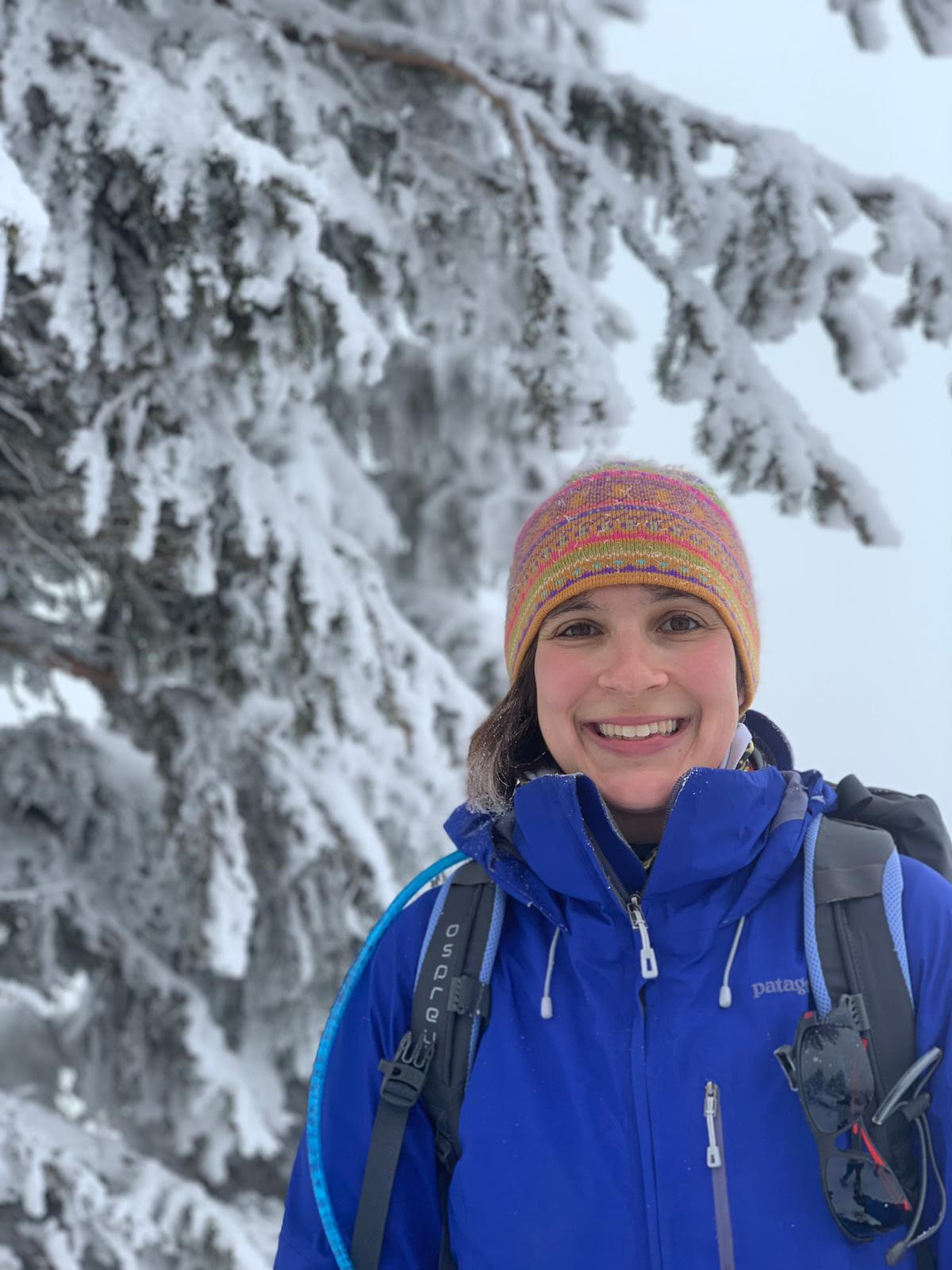
Dr Julie VIOLLAZ
Co-Chair
Julie Viollaz is the co-founder of the WCPA Wildlife Crime Prevention Specialist Group and is currently on a professional sabbatical. She worked as Fauna & Flora’s Chief of Party for the USAID Combating Wildlife Trafficking Activity until June 2025. Previously, as wildlife crime research officer, she expanded UNODC’s work to include convicted wildlife crime offender interviews and a review of “what works” for countering wildlife crime. Holding a Ph.D. in Criminal Justice (CUNY Graduate Center) and a B.A. in Biology (Mount Holyoke College), she specializes in field interventions applying crime prevention techniques to wildlife poaching/trafficking. She serves on the board of the Center for Problem Oriented Policing’s wilderness problems group and is part of WCS’s SNAPP Working Group evaluating best practices for deterring wildlife offenders.
Julie Viollaz is the co-founder of the WCPA Wildlife Crime Prevention Specialist Group and is currently on a professional sabbatical. She worked as Fauna & Flora’s Chief of Party for the USAID ...

Ms. Sarah Gluszek
Coordinator
Sarah Gluszek is the co-founder of the WCPA Wildlife Crime Prevention Specialist Group. She has an LLB Law with Criminology (University of Manchester) and MSc Conservation Science (Imperial College London). She has worked for over a decade on global wildlife crime and illegal wildlife trade programmes with Fauna & Flora, WCS, WWF, UNODC, Cheetah Conservation Fund, Michigan State University, Endangered Species International and BirdLife Malta. While working as a Senior Technical Specialist in Wildlife Trade with Fauna & Flora, she collaboratively developed the Situational Crime Prevention Toolkit, and shared technical advice and learning between teams in Africa, Caribbean, Eurasia, Latin America and Southeast Asia.
Coordinator
Sarah Gluszek is the co-founder of the WCPA Wildlife Crime Prevention Specialist Group. She has an LLB Law with Criminology (University of Manchester) and MSc Conservation Science (Imperial ...
Goals and Objectives
Species threats from illegal activities are complex problems that require an understanding of human behaviour as much as biodiversity. Launched in 2025, the Wildlife Crime Prevention Specialist Group (WCP SG) aims to:
- Provide alternative and complementary approaches to area protection beyond punishment-driven law enforcement
- Promote the correct, ethical, and effective implementation of these approaches through knowledge exchange and capacity development
- Establish and improve best practice in wildlife crime prevention through rigorous evaluation and learning
- Create a unified narrative and understanding of what wildlife crime prevention is as a conservation approach
- Operationalise a Working group on the Competences for Wildlife Crime Prevention
What is wildlife crime prevention?
In the context of Protected and Conserved Areas, wildlife crime prevention refers to the strategies and actions aimed at reducing illegal and harmful activities, such as capturing, coursing, cutting, electrocuting, netting, poisoning, shooting, snaring, trapping, or uprooting protected wild fauna, flora or fungi. It is a proactive approach drawn from criminological methods that combines strengthened law enforcement, community-based efforts and behaviour change. The aim of this is to prevent biodiversity damage and further harm by addressing the threats before they occur and avoiding site-based conflict. Applying wildlife crime prevention at sites requires interventions to be context-specific, based on problem analysis, subject to monitoring and evaluation and incorporated into adaptive management structures.
Our objectives:
- To have group members engaged in researching, developing and testing new approaches to wildlife crime prevention.
- To provide the Protected and Conserved Area community with up-to-date information on the methods and benefits of wildlife crime prevention approaches.
- To present practical examples and case studies on the correct and effective use of preventive methods to mitigate wildlife crime/harmful activities at the international, national, and local levels.
Become a member
If you are interested in joining the IUCN WCPA Wildlife Crime Prevention Specialist Group, please contact [email protected]. Criteria for membership includes having knowledge or experience in the following:
- Wildlife crime prevention methods and application
- Crime prevention methods and their application to other crime types
- Wildlife protection efforts in Protected and Conserved Areas
To join the group, you will first need to become a WCPA member.
Resources
Click below to see the Terms of Reference for the IUCN WCPA Wildlife Crime Prevention Specialist Group – April 2025