Interbeing
When we dissolve the myth of separation, equity and collaboration cease to be aspirational goals – they become innate. If we are nature, conservation is an act of self-care. If we are community, governance is a dialogue of mutual thriving. This shift transforms power itself: from domination (power over) and resistance (power under) to co-creation (power with), rooted in the quiet strength of power within – the awareness of our interconnectedness. Arowah Cleaver explores the concept of interbeing through the teachings of Zen Master Thich Nhat Hanh.
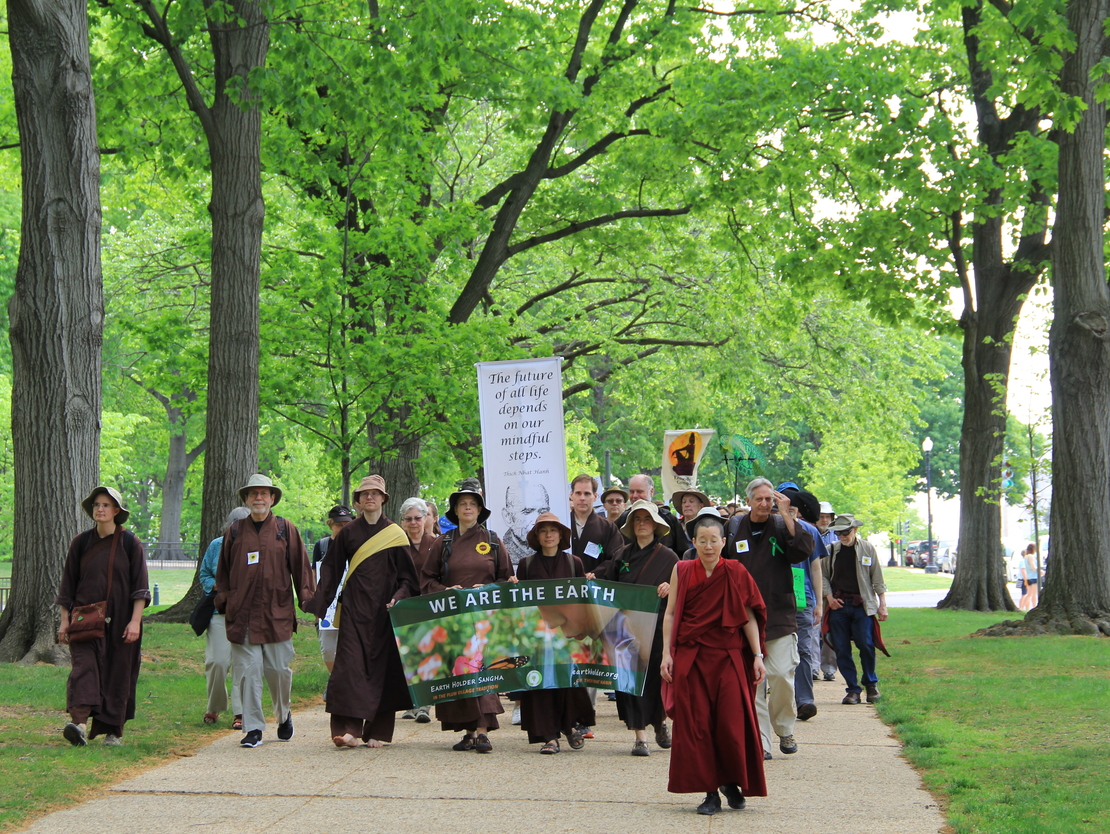
Reimagining relationships can come through questioning the absolute view of separation. This philosophy is beautifully encapsulated in the term “interbeing” from Vietnamese activist, poet and Zen Master Thich Nhat Hahn. This idea is also held in the term “cosmovisions” in indigenous South American thought, or “ubuntu” in South African culture. Increasingly scientific thought is also coming round to this paradigm through systems thinking and the idea of symbiotic relationships.
When we lose the idea of separation there are no steps that need to be taken towards equitable and collaborative dynamics; it becomes self-evident. If we are nature, we are simply conserving for our own wellbeing. If we are a community, we are simply finding the best ways for us to live together. Instead of objective worldviews where we are removed from the system, we see ourselves as an integral part of the system. This way we are truly in relationship with it.
With the worldview of separation, it leads to relationships with unbalanced power dynamics. This creates ‘power over’, where there is domination, enforcement or coercion. Traditionally, policy uses a ‘power over’ dynamic to be effective. Policy might then be opposed through a ‘power under’ relationship, for example when local communities organise and fight back against policies they don’t like. What interbeing facilitates is ‘power with’, reimagining the relationship entirely. This is because interbeing allows ‘power within’, a strength or quality of awareness.
Interested in the full article? Check out the next issue of Policy Matters, coming October 2025.

Disclaimer
Opinions expressed in posts featured on any Crossroads or other blogs are those of the authors and do not necessarily reflect the opinions of IUCN or a consensus of its Member organisations.