Kristen Walker Painemilla travaille pour Conserva- tion International (CI) depuis plus de 20 ans ; elle est vice-présidente principale et directrice générale du Center for Communities and Conservation ...
Membres du comité de direction de la CPEES
Le comité directeur de la CPEES est nommé conformément aux statuts et au règlement de l'UICN et aide le président et le vice-président à orienter et à coordonner les activités de la Commission.

Kristen WALKER-PAINEMILLA - Commission Chair
Kristen Walker Painemilla travaille pour Conserva- tion International (CI) depuis plus de 20 ans ; elle est vice-présidente principale et directrice générale du Center for Communities and Conservation. Dans le cadre de ses fonctions, Kristen dirige les efforts visant à garantir que l'organisation et la communauté de la conservation au sens large mettent en œuvre une approche de la conservation centrée sur l'être humain. Le soutien du centre aux femmes en tant que gardiennes de la conservation et décideurs est au cœur de ce travail. Dans le cadre de la mission de Conservation International, Kristen fournit un leadership institutionnel et une assistance technique complète sur une série de politiques sociales et internationales liées aux peuples autochtones et aux communautés locales, au genre, aux approches fondées sur les droits de l'homme et aux garanties sociales, ainsi qu'aux engagements avec la communauté de la paix et du développement. Avant la création du Centre pour les communautés et la conservation, Kristen a dirigé le Centre politique pour l'environnement et la paix de CI, doté d'un budget de 50 millions de dollars, à la tête d'une équipe de 40 personnes. Le Policy Center permet à CI d'influencer les priorités mondiales en matière de conservation, les politiques et les financements publics qui ciblent les principaux processus d'élaboration des politiques internationales, régionales et nationales, afin d'amplifier le travail de CI et de créer un plus grand bien-être pour les populations du monde entier. Avant de diriger les efforts du Policy Center, Kristen était vice-présidente chargée de la gouvernance sociale et environnementale au Centre pour l'environnement et la paix de CI.
Ce travail a notamment porté sur la politique sociale et internationale, ainsi que sur les partenariats pour la paix et le développement. Kristen continue de fournir un leadership institutionnel et une assistance technique complète sur une série de questions de politique internationale (biodiversité, changement climatique et développement durable), de politique sociale (peuples autochtones, approches fondées sur les droits et sauvegardes sociales) et s'engage avec la communauté de la paix et du développement pour faire avancer la mission de CI. En 2003, Kristen a créé le Programme pour les peuples indigènes et traditionnels (PPIT) à CI afin de consolider le travail de CI avec des partenaires communautaires clés et de renforcer la capacité collective des peuples indigènes et traditionnels et de CI à atteindre des objectifs mutuels.

Dr Melanie ZURBA
Deputy Chair, Commission on Environmental, Economic, and Social Policy
Dr. Zurba’s has been a member of CEESP since 2011, and is the former Chair of the CEESP Theme for Governance, Equity, and Rights (TGER). She is also an Associate Professor at Dalhousie University in Canada where work focuses on projects that are developed and implemented in collaboration with communities on topics related to equity, reconciliation, wellbeing, and nature-culture connection. Dr. Zurba has contributed to IUCN policy through her leadership of the Intergens report, which was instrumental in directing the IUCN Youth Strategy 2022-2030. Her more recent work on IUCN policy is focused on the creation of equitable and meaningful spaces for Indigenous and local communities in global policy forums, as well as presenting research in support of the development of a formal truth and reconciliation process within IUCN.
Deputy Chair, Commission on Environmental, Economic, and Social Policy
Dr. Zurba’s has been a member of CEESP since 2011, and is the former Chair of the CEESP Theme for Governance, Equity, and Rights ...
MS Jessica CAMPESE
Steering Committee Member
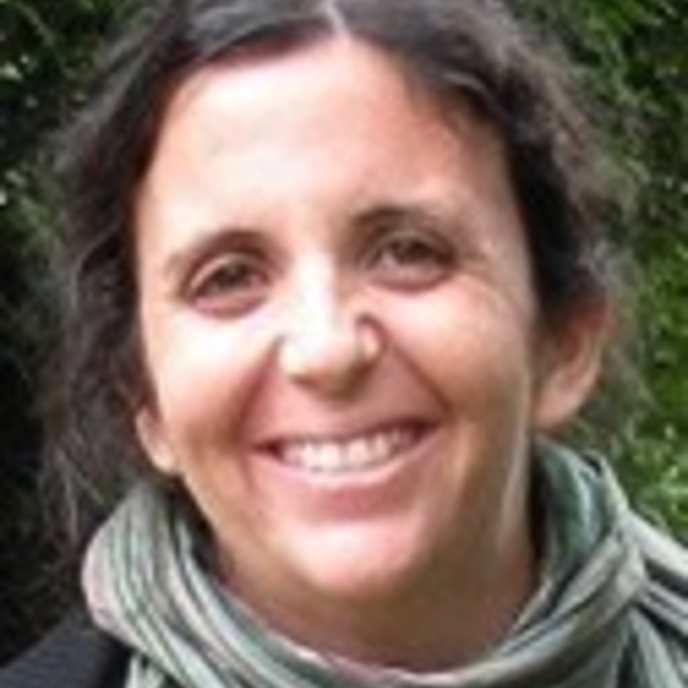
Jessica Campese is a conservation practitioner, researcher, and policy analyst with more than 15 years of experience working at the intersection of environmental governance, human rights, and biodiversity conservation. Her work has focused on strengthening equitable governance systems and advancing the role of Indigenous Peoples and local communities in conservation decision-making processes at local, national, and global levels.
She has built a strong professional trajectory working with civil society organizations, international NGOs, and multilateral platforms, contributing to the design and implementation of approaches that integrate human rights, gender equity, and social justice into conservation policy and practice. Her work has consistently emphasized that effective conservation outcomes depend on legitimate, inclusive, and accountable governance systems.
Jessica has been closely associated with organizations such as the ICCA Consortium, where she has contributed to advancing the recognition and support of Indigenous Peoples’ and local communities’ conserved territories and areas (ICCAs), as well as to strengthening governance vitality and community-led conservation. Through this work, she has helped bridge grassroots realities with global policy discussions, ensuring that local perspectives inform international conservation frameworks.
Within the International Union for Conservation of Nature (IUCN), she has been an active contributor to the Commission on Environmental, Economic and Social Policy (CEESP), including serving as Co-Chair of the Natural Resource Governance Framework (NRGF). The NRGF is one of IUCN’s flagship analytical frameworks, designed to assess and strengthen governance quality in natural resource management. Through her leadership in this initiative, she has contributed to shaping global thinking on governance effectiveness, equity, legitimacy, and accountability in conservation.
Her work within IUCN has also included engagement in global policy dialogues and knowledge production processes, contributing to the development of guidance, tools, and analyses that inform conservation practice and decision-making across scales. She has participated in international fora, including the IUCN World Conservation Congress, and has contributed to advancing rights-based approaches within global conservation agendas.
Jessica Campese holds a Master’s degree in Public Policy and has lived and worked in multiple regions, including the United States, Tanzania, and Switzerland. This diverse experience has allowed her to develop a strong comparative perspective on governance challenges and opportunities across different socio-political and ecological contexts.
Steering Committee Member
Jessica Campese is a conservation practitioner, researcher, and policy analyst with more than 15 years of experience working at the intersection of environmental governance ...
Dr Neil DAWSON
Steering Committee Member
Neil Dawson is a social scientist and conservation governance expert whose work focuses on the relationships between biodiversity conservation, human well-being, environmental justice, and sustainable livelihoods. His research and practice have consistently examined how conservation policies and interventions affect people, particularly Indigenous Peoples and local communities, and how more equitable and inclusive approaches can lead to better outcomes for both nature and society.
He has been affiliated with the University of East Anglia (UEA), where he has been a Research Fellow and part of the Global Environmental Justice Group. Through his academic work, he has contributed to advancing interdisciplinary research that connects ecological sustainability with social justice, governance systems, and development pathways. His research has been conducted across multiple regions, including sub-Saharan Africa, South and Southeast Asia, and Latin America, providing him with a strong comparative perspective on conservation challenges and opportunities.
Neil Dawson has been actively engaged in global research and policy networks, including collaborations with organizations such as the Earth System Governance Project and other academic and policy platforms that explore the governance of environmental change. His work has contributed to key debates on trade-offs between conservation and development, the role of knowledge systems in shaping policy, and the need to center human well-being within conservation frameworks.
Within the International Union for Conservation of Nature (IUCN), he has been an active member of the Commission on Environmental, Economic and Social Policy (CEESP), contributing to the development of knowledge and dialogue on governance, livelihoods, and justice in conservation. He has participated in multiple IUCN World Conservation Congresses and international discussions, helping to bring critical perspectives on equity, power, and knowledge systems into conservation debates.
His research has been widely published in leading academic journals and policy platforms, addressing topics such as protected area governance, environmental justice, agrarian change, and the social impacts of conservation and development policies. His work has been particularly influential in highlighting how conservation efforts can unintentionally reinforce inequalities if governance systems are not inclusive and accountable.
Neil Dawson brings to CEESP a strong analytical and critical perspective, combined with a commitment to ensuring that conservation contributes to human well-being and social justice. His work helps challenge conventional approaches and supports the development of more transformative, people-centered models of conservation.
Within CEESP, he will lead the Specialist Group on People-Centered Restoration, contributing to advancing restoration approaches that integrate social equity, livelihoods, and local knowledge systems, and helping to ensure that restoration efforts deliver both ecological and social benefits at scale.
Steering Committee Member
Neil Dawson is a social scientist and conservation governance expert whose work focuses on the relationships between biodiversity conservation, human well-being ...
Ms Fatima EL-AARABY
Steering Committee member
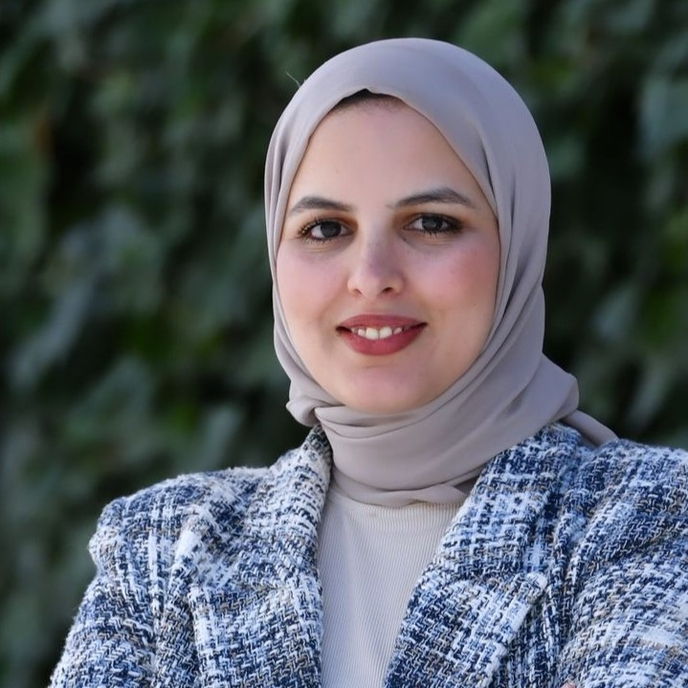
Fatima El-Aaraby is a Moroccan researcher, young leader, and UN biodiversity advocate pursuing a PhD on the distribution and conservation of terrestrial mammals in Morocco. She holds a Master’s degree in Ecology Engineering and Biodiversity Management, with extensive fieldwork experience at the local level. With more than 12 years of experience working with NGOs at local and global levels, she has actively and enthusiastically engaged youth worldwide and strengthened the capacities of girls through leadership and community-based initiatives. A very active and enthusiastic member within IUCN, Fatima combines a strong academic and research background with extensive knowledge and experience in global and local advocacy, especially on gender and youth issues. She has mobilized youth from different regions to participate meaningfully in the CBD processes and within IUCN structures. Fatima currently serves as a Project Officer with the CBD Women’s Caucus, working on communication, outreach, and coordinating initiatives and events that promote gender-responsive and inclusive biodiversity policies. She also works as a Research Assistant with CASCADE and serves as the Youth Regional Professional Focal Point for Africa within the IUCN CEESP Commission. Rooted in rural Morocco, her work bridges science, community perspectives, and global biodiversity negotiations.
Steering Committee member
Fatima El-Aaraby is a Moroccan researcher, young leader, and UN biodiversity advocate pursuing a PhD on the distribution and conservation of terrestrial mammals in Morocco ...

Dr Elise HUFFER
Regional Vice Chair, Oceania
Elise’s interests and work are in the areas of culture, conservation and development and the relationships between them in Oceania. She is an Adjunct Associate Professor at the Oceania Centre for Arts and Culture at the University of the South Pacific as well as a consultant working throughout the region. She is chair of the Nature Culture Working Group, one of the six working groups of the Pacific Islands Roundtable on Nature Conservation (PIRT), which implements the Framework on Nature Conservation and Protected Areas in the Pacific Islands Region 2021-2025. She is also a member of the Ocean Rights and Kinship Network. She has been Vice-Chair CEESP Oceania since 2017.
Regional Vice Chair, Oceania
Elise’s interests and work are in the areas of culture, conservation and development and the relationships between them in Oceania. She is an Adjunct Associate Professor at ...

Mrs Mahnaz KADHEMI
Regional Vice Chair, West Asia
Mahnaz Kadhemi is a member of the Environmental Citizenship Program, one of Bahrain Women Association for Human Development’s programs. She joined IUCN in 2002. Professionally, she has held positions as the Personal Assistant for Top Executives in an Arbitration Centre and in different Offshore Banks, for the past 38 years. She studied at Concordia University, in Montreal, Canada and she is fluent in Arabic, English and Persian. She strongly believes that every human should live a life of purpose and serve to make this world a better place. She has come to realise her immense passion for ecology throughout her 38 years of being immersed in jobs that feel distant from connection with our Mother Earth. She realizes that influencing change in the way that people perceive nature and the ecosystem as a whole is a tedious process that requires addressing obstacles and challenges. With this in mind, she began her self-learning journey in everything relating to the ecosystem, engaging in intensive volunteer work--despite her job as a full-time employee and a mother--working within environmental project teams that won international awards and drawing strategies that address environmental issues on the local level, hand in hand with stakeholders and activists. She made it her life mission to change the way that people perceive and interact with the natural world--inspiring the circle of people around her and conveying the need to change behaviors and practices toward the planet until we fulfil everyone’s dream: a world where all creatures live in peace and harmony.
Regional Vice Chair, West Asia
Mahnaz Kadhemi is a member of the Environmental Citizenship Program, one of Bahrain Women Association for Human Development’s programs. She joined IUCN in 2002 ...
Mr Pablo CRIMER
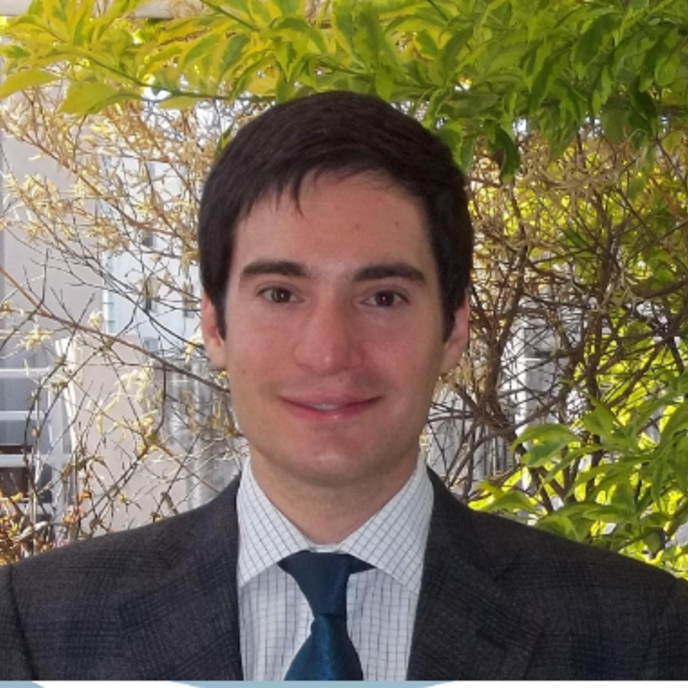
Regional Vice Chair, South America Pablo Crimer has more than 15 years’ experience providing legal advice on environmental, social, governance and sustainability matters to corporations. He focuses on project development, stakeholder engagement, environmental impact assessment, risk management, compliance, permitting, and public policy, among others.
He is a Senior Associate at the Environmental Law practice area of Bruchou & Funes de Rioja Law Firm (Argentina), and a part-time professor at Universidad de San Andrés Law School (Argentina).
His recent work features advice on carbon credits and markets, green financing, natural-based solutions, community engagement, indigenous people consultation, regulatory advocacy, supply chain ESG due diligence, among others.
Regional Vice Chair, South America Pablo Crimer has more than 15 years’ experience providing legal advice on environmental, social, governance and sustainability matters to corporations. He focuses ...

Dr Emmanuel NUESIRI
Natural Resource Governance Framework
Dr. Emmanuel O. Nuesiri is Chair of the IUCN CEESP Natural Resource Governance Framework (NRGF) Working Group. He is an expert in natural resource governance, climate change policy, and social equity, with over 20 years of experience working across Africa, Europe, and North America. Emmanuel has led research, policy, and capacity-building projects for organizations including the African Climate Policy Center (ACPC), FAO, Intergovernmental Science-Policy Platform on Biodiversity and Ecosystem Services (IPBES), IUCN, and Friends of the Earth. He has published extensively on forest governance, rights-based conservation, and climate justice, and is passionate about advancing inclusive, locally responsive governance that empowers Indigenous Peoples and local communities.
Natural Resource Governance Framework
Dr. Emmanuel O. Nuesiri is Chair of the IUCN CEESP Natural Resource Governance Framework (NRGF) Working Group. He is an expert in natural resource governance ...

Dr Michael PAINTER
Regional Vice Chair, North America
Michael Painter is an ecological anthropologist, with a Ph.D. from the University of Florida. His long-term research interests have focused on the social and economic factors that shape how people use land and natural resources. After completing his Ph.D., Michael worked at the Institute for Development Anthropology, a private, non-profit research and education institute dedicated to integrating social science perspectives into conservation and development initiatives. He was also a technical advisor to the Botswana Department of Wildlife and National Parks, where he led a team that monitored the impacts of Community-based Natural Resource Management (CBNRM). Michael has worked with the Wildlife Conservation Society (WCS) since 1997, except for a two-year period at the Gordon and Betty Moore Foundation, from 2015-2017. At WCS, Michael played diverse roles, including country director, first in Bolivia, then in Peru, and director of the Amazon program. Upon moving to the US, Michael worked as an associate director of the Latin America and Caribbean program, and director of what was then called the Conservation and Quality of Human Life initiative. In these roles, he focused helping WCS build effective conservation partnerships with Indigenous Peoples and local communities, and undertook several innovative initiatives with Indigenous organizations, supporting their efforts to strengthen their ability to engage more effectively with government agencies, donors, and private companies. He helped establish the Conservation Initiative on Human Rights (CIHR) and has represented WCS in CIHR. He was also part of the group that helped set up the WCS Institutional Review Board, a federally registered body responsible for reviewing human subjects research conducted by WCS, to ensure that the organization complies with all U.S. federal and international standards. In 2015, Michael joined the staff of Gordon and Betty Moore Foundation, where he was a Program Officer in the Andes Amazon Initiative (AAI), of the Environmental Conservation Program. In 2017, Michael returned to WCS as a senior technical advisor. He serves as a member of WCS's Social Safeguards Management Team and chairs the WCS Institutional Review Board, Michael also provides support to field programs on issues related to human livelihoods and governance. Michael retired from full-time work at WCS in 2021, but continues to provide support on a part-time basis to the Rights and Communities Program and the Andes, Amazon and Orinoco Regional Program.
Regional Vice Chair, North America
Michael Painter is an ecological anthropologist, with a Ph.D. from the University of Florida. His long-term research interests have focused on the social and economic ...
Dr Jacob PARK
Theme on Economics and Regenerative Finance
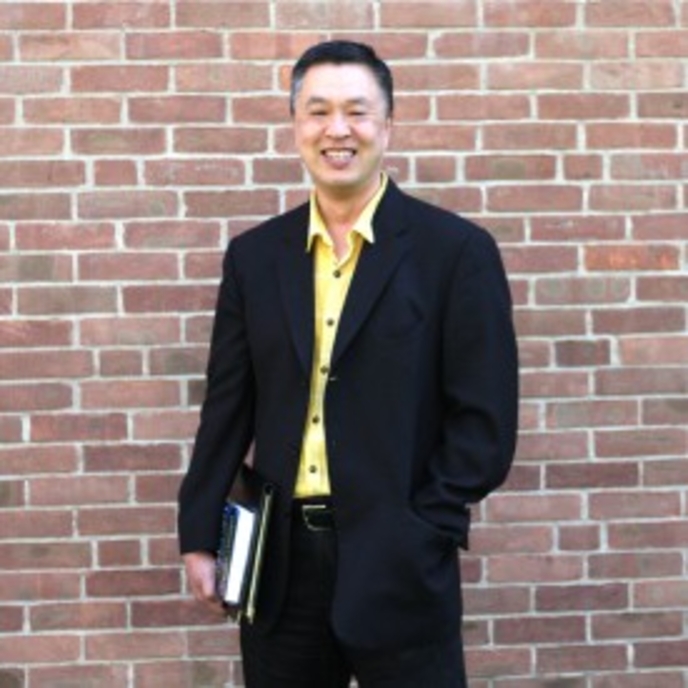
Jacob Park is Associate Professor in Vermont State University (Castleton) https://www.castleton.edu/directory/faculty-staff-directory/details/jacob-park and Visiting Professor at the University of Johannesburg (https://www.uj.ac.za/members/prof-jacob-park) who specializes in the social and environmental dimensions of innovation, entrepreneurship, and international business, with special focus/expertise in emerging and developing economies in Africa, Asia-Pacific, and Caribbean islands regions.
Theme on Economics and Regenerative Finance
Jacob Park is Associate Professor in Vermont State University (Castleton) https://www.castleton.edu/directory/faculty-staff-directory/details/jacob-park and ...
Mr Galeo SAINTZ
Chair, IUCN CEESP Task Force on Migration, Environmental Change and Conflict
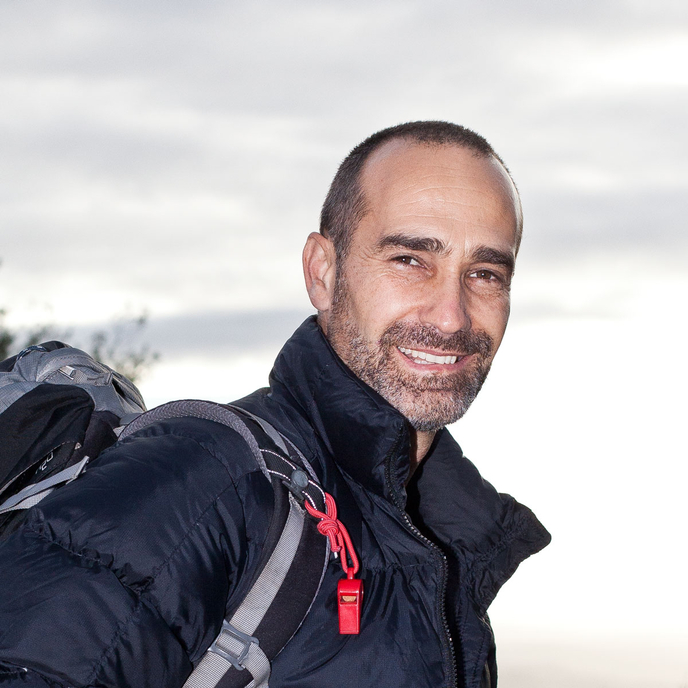
Galeo Saintz is an international conservation, trails and environmental peace practitioner and consultant. He is founder and co-founder of multiple biodiversity corridor conservation and trails related initiatives in his home country of South Africa, and served as Founding Chair of the World Trails Network, Switzerland, for 10 years. His work supports development of trail standards and accreditation systems. On-going research interests focus on how trails and conservation intersect through biodiversity corridors. Highlight achievements include mobilising and leading the formation of a global association for trails supporting 8 International Task Teams working for the betterment of trails in all regions of the world. Co-Chair of the IUCN CEESP Theme on Environment and Peace, and Co-Chair of the IUCN CEESP Task Force on Migration, Environmental Change and Conflict. Co-founder and expedition lead for various conservation awareness focused expeditions.
Chair, IUCN CEESP Task Force on Migration, Environmental Change and Conflict
Galeo Saintz is an international conservation, trails and environmental peace practitioner and consultant. He is founder and ...
Ms Jennifer CORPUZ
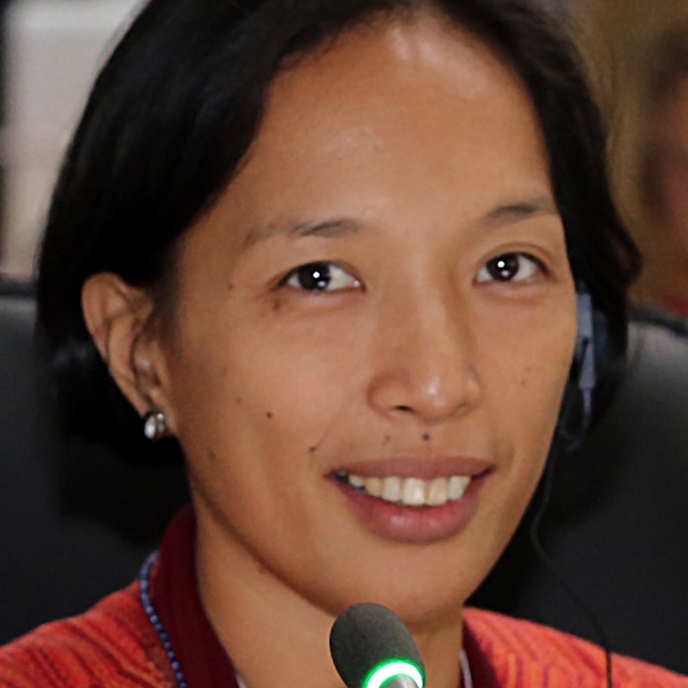
I am an Indigenous woman from the Kankanaey Igorot People of Besao, Mountain Province in the Philippines. I am a lawyer by profession, having obtained my Bachelor of Laws degree from the University of the Philippines, and my Master of Laws degree from the University of Arizona in Tucson, Arizona, USA. As Fellow and Strategic Advisor to Nia Tero, a US Foundation that supports Indigenous Peoples' self-determination, governance and tenure, I advise on the organization's engagement in the CBD, UNFCCC, and other global processes that impact Indigenous Peoples. I was appointed by the President of the UN ECOSOC as a member of the UN Permanent Forum on Indigenous Issues (UNPFII) for the 2026-2028 term.
I am an Indigenous woman from the Kankanaey Igorot People of Besao, Mountain Province in the Philippines. I am a lawyer by profession, having obtained my Bachelor of Laws degree from the University of ...

Dr Melanie ZURBA
Deputy Chair, Commission on Environmental, Economic, and Social Policy
Dr. Zurba’s has been a member of CEESP since 2011, and is the former Chair of the CEESP Theme for Governance, Equity, and Rights (TGER). She is also an Associate Professor at Dalhousie University in Canada where work focuses on projects that are developed and implemented in collaboration with communities on topics related to equity, reconciliation, wellbeing, and nature-culture connection. Dr. Zurba has contributed to IUCN policy through her leadership of the Intergens report, which was instrumental in directing the IUCN Youth Strategy 2022-2030. Her more recent work on IUCN policy is focused on the creation of equitable and meaningful spaces for Indigenous and local communities in global policy forums, as well as presenting research in support of the development of a formal truth and reconciliation process within IUCN.
Deputy Chair, Commission on Environmental, Economic, and Social Policy
Dr. Zurba’s has been a member of CEESP since 2011, and is the former Chair of the CEESP Theme for Governance, Equity, and Rights ...
Iben MUNCK
Executive Officer.
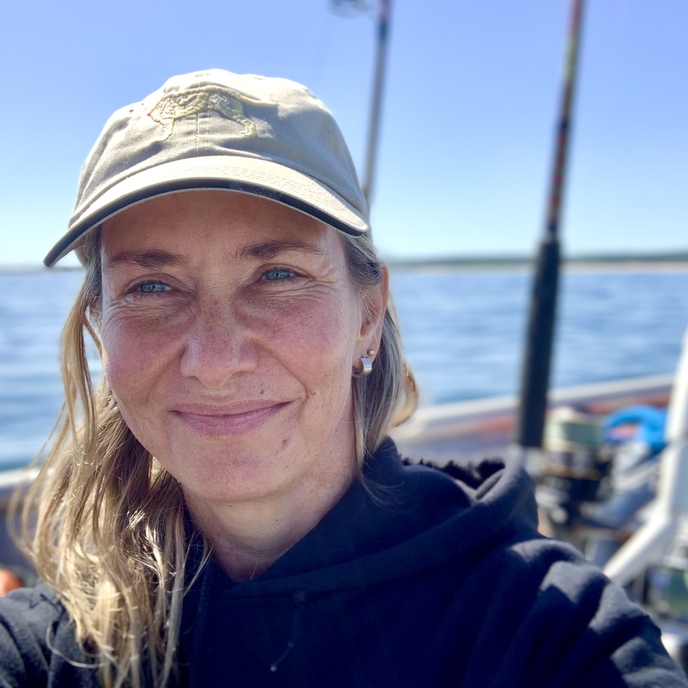
Iben Munck is the Executive Officer for IUCN’s Commission on Environmental, Economic, and Social Policy, as well as Executive and Communications Manager for Conservation International’s Center for Communities and Conservation. She holds a Masters Degree in Nonprofit Management and speaks French, German, Danish, and English. She serves on the Advisory Council of the Stellwagen Bank National Marine Sanctuary, a wild ocean place near an urban world, between Cape Ann and Cape Cod, Massachusetts. Iben’s first career was in tourism, leading land tours in Morocco, Thailand, France, England, Scotland, Costa Rica, and the USA. She then spent four years at sea as an excursion manager on Cunard’s cruise ships, observing the often negative environmental, economic, and social impacts of ill-considered development along coastlines, and the frequent damage to local small businesses by large tourism corporations. Decades of travel and living in different cultures and countries provided her with a deep commitment to community empowerment and nature conservation. She changed careers to focus on nature conservation, working in a variety of roles for the International Fund for Animal Welfare, including responding to marine mammal strandings around Cape Cod, cleaning oiled seabirds, and as the organization’s Elephant Program Officer, before taking a position with Conservation International. She also owns a lodging business on Cape Cod, providing her with a deep understanding of the local tourism-driven economy and allowing her to share her love for the exceptional beauty of Cape Cod with friends and travelers.
Executive Officer.
Iben Munck is the Executive Officer for IUCN’s Commission on Environmental, Economic, and Social Policy, as well as Executive and Communications Manager for Conservation ...

Ms Monipher MUSASA
Regional Vice Chair, CEESP Africa
Growing up in a community that lived outside a protected area, Monipher has from a young age, learnt to appreciate the rich biodiversity of her country, Malawi, which led me her to pursue a career in conservation. Monipher has considerable experience in conservation policy having worked for the Government of Malawi, in its implementation of programmes and initiatives that fulfil its obligations under the Convention of Biological Diversity (CBD). She is an experienced coordinator and negotiator, having negotiated for several years on the Convention on Biological Diversity and its protocols for Malawi and has vast knowledge on linking best practices learnt from national level implementation into international policy negotiations. In addition to leading IFAW’s engagement in the CBD, Monipher's role involves advocating IFAW's positions to African governments across the range of international conventions and agreements that fall within the remit of IFAW’s international policy program, and supporting IFAW’s engagement with African regional forums. She holds a Master of Philosophy in Conservation Leadership from University of Cambridge in UK with special interests on integration of conservation and development, local community property rights to land and natural resources (ownership, control, access, and use), ecosystem valuations, economic and social incentives for conservation for the poor and vulnerable sections of society.
Regional Vice Chair, CEESP Africa
Growing up in a community that lived outside a protected area, Monipher has from a young age, learnt to appreciate the rich biodiversity of her country, Malawi ...

Swetha STOTRA BHASHYAM
Chair - IUCN CEESP Young Professional.
Swetha Stotra Bhashyam is the Global South Focal Point of the Global Youth Biodiversity Network (GYBN). GYBN is a youth network of more than 1 million members, 600 member organizations, and 45 regional and national chapters, and is the official youth constituency of the Convention on Biological Diversity. Swetha Stotra Bhashyam is a wildlife biologist from India. She holds a master's degree in wildlife biology and conservation. She has dedicated the past 11 years of her life to working with several grassroots and international organizations in helping to conserve biodiversity and creating a just transition. She joined the Global Youth Biodiversity Network in 2012 and has been working on policy advocacy under the Convention on Biological Diversity since then. Swetha has helped mobilize a vibrant movement for biodiversity within the youth community and has led in the effort to coordinate the creation of over 45 GYBN regional and national chapters. In the future, Swetha hopes to channel her energy into working on international projects that are meaningful, just, and impactful on the ground.
Chair - IUCN CEESP Young Professional.
Swetha Stotra Bhashyam is the Global South Focal Point of the Global Youth Biodiversity Network (GYBN). GYBN is a youth network of more than 1 million members ...