Nigel Collar is a Leventis Fellow in Conservation Biology with BirdLife International, where he has worked for 45 years in a variety of roles, including the compilation of the International Bird Red ...
IUCN COMMISSION GROUP
IUCN SSC Bustard Specialist Group

Overview and description
With nearly two-thirds of bustard species at conservation risk, this group represents one of the most threatened families of birds worldwide. The BSG is a collaborative and mutually-supportive network of species experts and conservation practitioners committed to preventing further declines and advancing the full recovery of all species of bustards. Through ethical research, timely information-sharing, inclusive conservation planning and science-based conservation actions, the group works to safeguard bustard populations and their habitats.
Group leadership
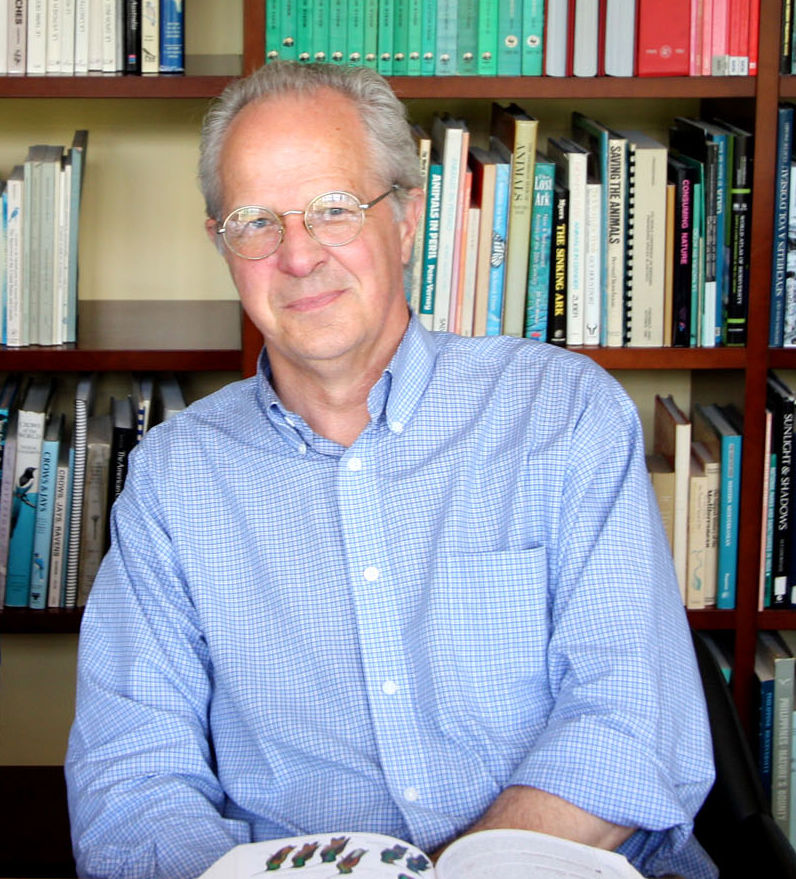
Prof Nigel COLLAR
Nigel Collar is a Leventis Fellow in Conservation Biology with BirdLife International, where he has worked for 45 years in a variety of roles, including the compilation of the International Bird Red Data Book. He served as Chairman of the ICBP Bustard Group 1978-1982, and became chair (now co-chair) of the group when it was reconstituted under the aegis of IUCN SSC in 2012.

Dr Mimi KESSLER
Co-Chair
Mimi Kessler is a PhD biologist who has worked on the ecology and conservation of bustards for over twenty years. Her experience includes over seven cumulative years in countries of Eurasia, largely in rural areas on community-based conservation and research programs, and four years in southwest Asia directing policy and research on bustard species. Major scientific accomplishments of her research team include the first telemetry to identify the Great Bustard’s long-distance migratory route in Asia, and the first analyses to describe the genetic divergence of the eastern subspecies of the Great Bustard. With her collaborators, Dr Kessler has developed and advanced a series of successful conservation proposals for bustard species under the Convention on Migratory Species, and serves on the IUCN delegation at CMS COPs. She is a founder and member of the Coordination Unit of the Bustards Without Borders initiative. As a consultant, she has developed conservation recommendations for two Critically Endangered bustard species, as well as guidance for the reduction and mitigation of harm to bustards from energy developments.
Mimi Kessler is a PhD biologist who has worked on the ecology and conservation of bustards for over twenty years. Her experience includes over seven cumulative years in countries of Eurasia, largely ...

Ms Christel GRIFFIOEN
Co-Chair
Christel Griffioen is an international conservation practitioner with more than 20 years of experience designing and leading species conservation programmes across Europe, the Middle East, Madagascar, and Cambodia. She began her career in zoological and conservation breeding settings in the Middle East and Europe, before expanding her work over the past decade into field-based conservation in Madagascar and Cambodia. She specialises in the development and delivery of integrated conservation strategies that combine science-based field action, conservation breeding, and community engagement to achieve measurable outcomes for threatened species.
Her primary focus is on bird and chelonian conservation, with extensive experience working on critically endangered species including the Bengal Florican, White-shouldered Ibis, Giant Ibis, Elongated Tortoise, Radiated Tortoise, and Southern River Terrapin. She has played a key role in developing and supporting conservation breeding and population recovery programmes, alongside coordinated field-based conservation actions for highly threatened species.
Christel is committed to strengthening linkages between in situ and ex situ conservation, applying the One Plan Approach to ensure cohesive and collaborative species recovery efforts. Throughout her career, she has built and led multidisciplinary teams, secured international funding, and developed strong partnerships with governments, NGOs, conservation breeding centres, and zoological institutions.
Recognized for her collaborative leadership, technical expertise, and delivery under challenging field conditions, she works to advance evidence-based conservation solutions that generate tangible and lasting impact for biodiversity and the people working to protect it.
Christel Griffioen is an international conservation practitioner with more than 20 years of experience designing and leading species conservation programmes across Europe, the Middle East, Madagascar ...
About our work
During the 2025–2029 quadrennium, bustards face escalating threats from the rapid expansion of energy infrastructure and intensifying agriculture across their open habitats, increasing the risk of population extirpations and even extinction from the wild. Unsustainable hunting and poaching continue to deplete wild populations, while the consequences of intensive captive breeding remain under-researched.
The BSG is committed to:
- Providing timely consultations and interventions ...

Our mission
Advance research and conservation actions aligned with IUCN best practices to halt declines and improve the status of bustards and their habitats worldwide.
Supporting the Species Conservation Cycle
Within the rubric of IUCN SSC’s Species Conservation Cycle, the group and its members undertake the following activities:
1
Network
Facilitate communication and collaboration among species experts and conservation actors who share the vision of maintaining healthy and sustainable bustard populations
2
Assess
Contribute to IUCN Red List assessments, conduct research to clarify species status and threats, and share data promptly with the conservation community
3
Plan
Develop and promote Action Plans for bustards, providing guidance to governments, NGOs, and infrastructure developers to improve conservation outcomes
4
Act
Lead and coordinate conservation initiatives, engaging diverse stakeholders including local communities, agricultural and energy sectors, and government actors. Develop policy proposals within relevant conservation agreements to advance conservation measures for bustards
5
Communicate
Raise awareness, appreciation, and concern for bustards among the public, stakeholders, and conservation actors. Share data, research findings, and promote evidence-based approaches to address threats to bustards and their habitats
Resources
Annual Report

Learn about BSG’s work and results in 2024 and 2025.
Previous reports:
BSG Annual Report 2023
BSG Annual Report 2022
BSG Annual Report 2021
BSG Annual Report 2020
BSG Annual Report 2019
BSG Annual Report 2018
BSG Annual Report 2016-2017
Juvenile Asian Houbara (Chlamydotis macqueenii). An ongoing research project is aimed at studying the population trends, demography and migration of this Vulnerable species in Uzbekistan. Photo by John Burnside
Photo: John Burnside

Near Threatened Little Bustard (Tetrax tetrax), Kazakhstan. Photo by Mimi Kessler
Photo: Mimi Kessler

Virtual meeting.
Photo: Bustard Specialist Group


