People are at the core of IUCN’s vision for a just, resilient, and sustainable future. The People Programme Area of the IUCN’s Nature 2030 Programme recognises that conservation can only succeed when rooted in human rights, social equity, and inclusive governance. It calls for a world where the rights, responsibilities, and roles of all people, especially women, youth, and local communities, are respected and empowered.

Despite this vision, many governance systems remain inequitable and ineffective. Conservation commitments are often weakly enforced, and the benefits of nature are unequally shared. In response to these challenges, the IUCN Regional Office for Eastern Europe and Central Asia (ECARO) has been working to strengthen natural resource governance and promote inclusive, community-led conservation.
Through a diverse portfolio of initiatives, IUCN ECARO supports transparent, participatory decision-making processes that empower local communities, enhance institutional capacities, and foster accountability in natural resource management. These efforts contribute to equitable policy development, more effective resource management, and stronger regional cooperation. Special emphasis is placed on the inclusion of women, youth, and marginalised groups in governance structures, ensuring that diverse perspectives shape climate and conservation policies across the region.
The outcomes of these initiatives underscore IUCN’s role in building a future where biodiversity thrives, and communities are empowered to influence the decisions that affect their environment, health, and well-being.
Our core initiatives
Promoting rights-based conservation: One Health in Nature Conservation in Central Asia Project
The IKI-funded project One Health in Nature Conservation in Central Asia: Enhancing landscape resilience to zoonotic disease emergence by consolidating nature conservation systems, coordinated by IUCN ECARO, has initiated a regional effort to embed inclusive conservation governance and the One Health approach across five Central Asian countries: Kazakhstan, Kyrgyzstan, Tajikistan, Turkmenistan, and Uzbekistan.
In 2025, the project established critical institutional foundations, including the signing of a Host State Agreement and the opening of IUCN’s first regional office in Central Asia. It also formalised collaborations with more than a dozen local partners, ranging from research institutes to civil society organisations, paving the way for participatory and rights-based approaches to conservation and health.
Over the last two years, the project brought together 158 participants in regional dialogues and capacity-building events with strong participation from women experts. Youth engagement was also initiated through the inclusion of early-career professionals in consultations and exchanges. These actions are the early steps toward more inclusive and gender-responsive governance of Protected and Conserved Areas.
To ensure long-term equity and effectiveness, the project developed several participatory tools, including stakeholder engagement plans and a framework for assessing conservation governance quality aligned with IUCN’s Green List Standard. These tools aim to promote the voices of marginalised groups and ensure transparent benefit-sharing within conservation landscapes.
By linking biodiversity conservation with human health, equity, and rights, the One Health in Nature Conservation in Central Asia project exemplifies IUCN’s vision for integrated, people-centered conservation.

Strengthening community resilience through Nature-based Solutions: The ADAPT initiative
The initiative ADAPT: Nature-based Solutions for Resilient Societies in the Western Balkans, led by the IUCN ECARO in close collaboration with key partners from six Western Balkan economies and with the support of the Sweden, through the Swedish International Development Cooperation Agency (Sida), strengthened the capacities of local communities and institutions to address climate change and disaster risks through the implementation of Nature-based Solutions (NbS).
ADAPT empowered local actors such as public institutions, civil society organisations, natural resource managers, and women-led organisations by delivering targeted training and technical support. Over 120 participants across six Western Balkan economies were trained in NbS principles, planning, and implementation. Among them, 48 decision-makers and resource managers gained expertise in climate-smart planning. A study tour to Bonn, Germany enabled 18 regional policymakers and practitioners to exchange knowledge with international institutions.
The project placed a strong emphasis on gender inclusion, actively supporting women-led organisations and ensuring the meaningful participation of women in decision-making processes related to disaster risk reduction and climate adaptation.
On-the-ground NbS interventions in Albania and Serbia, improved adaptive capacity of local communities to clime change, and supported biodiversity and livelihoods. ADAPT also promoted policy integration, embedding NbS into local development and risk reduction strategies.
Building on the success of the first phase, the second phase: ADAPT 2.0: Nature-based Solutions for Climate Change Mitigation and Adaptation in the Western Balkans, has been implemented since October 2024. ADAPT 2.0 aims to deepen knowledge, scale up efforts, and foster regional collaboration, further embedding NbS into policy and practice across the region.

Enhancing regional cooperation and inclusive biodiversity governance: Biodiversity Task Force of the Western Balkans (BDTF WB)
As the Secretariat of the Biodiversity Task Force of the Western Balkans (BDTF WB), IUCN ECARO plays a key role in fostering regional collaboration, inclusive policy development, and alignment with global biodiversity goals. Established in 2017 under the auspices of the Regional Working Group on Environment (RWG Env) of the Regional Cooperation Council (RCC), the BDTF WB serves as a unique regional platform that supports dialogue among governments, civil society, and international partners to mainstream biodiversity into sustainable development and environmental policy.
Since 2020, the BDTF WB has evolved into a key implementation mechanism of the Green Agenda for the Western Balkans (GAWB), the region’s pathway for aligning with the European Green Deal and global biodiversity targets. The Greening the Western Balkans project, coordinated by IUCN through the BDTF WB, focuses on improving planning, implementation, and monitoring of the biodiversity and nature pillar of the GAWB. The project directly supports the European Union’s goal of protecting at least 30% of land and sea by 2030, as well as the Global Biodiversity Framework.
At its core, the BDTF WB promotes participatory governance and regional ownership of biodiversity goals. By engaging ministries, protected area agencies, research institutions, and civil society, it fosters shared priorities and coordinated action across borders. The platform also strengthens regional advocacy and mobilises funding for conservation, creating enabling conditions for long-term environmental governance.
Through its role in the BDTF WB, IUCN ECARO contributes to the People Programme Area by promoting inclusive regional structures, transparent decision-making, and cross-sectoral cooperation.

Advocating equitable and inclusive river governance and community participation: Vjosa Wild River National Park
Following the declaration of the Vjosa River as Europe’s first Wild River National Park in 2023, IUCN and partners continued their work to ensure the park becomes fully operational inclusive, and effective in practice, laying the groundwork for participatory governance and setting an international benchmark for rights-based river conservation.
Through technical support and close cooperation with national institutions, IUCN helped develop the Integrated Management Plan (IMP) for the park, aligned with both Albanian legislation and IUCN global standards, including the Green List of Protected and Conserved Areas. The planning process was inclusive, culminating in public consultations across the Vjosa Valley that gathered over 130 local stakeholders, including farmers, youth, community representatives, and women-led groups. Their voices helped shape the final plan, which was formally approved by the Albanian government in September 2024.
In support of accountable and inclusive governance, IUCN provided technical guidance for the establishment of a dedicated Administration Office for the Park and is engaged in preparing new staff for effective management through Green List training and capacity-building. The governance model promotes transparency, local participation, and coordination with the nomination of the Vjosa Valley as a UNESCO Biosphere Reserve. IUCN is also facilitating transboundary dialogue with Greece to protect the river’s upper catchment, aiming to support the creation of Europe’s first transboundary wild river national park.
The Vjosa initiative has become a symbol of participatory conservation, featured in international forums, exhibitions, and podcasts. Through visual storytelling and multi-platform outreach, including the Vjosa StoryMap and Stories from Vjosa exhibition, the project celebrates the communities who stood up for their river and continue to guide its future.
The Vjosa Wild River National Park exemplifies how empowering communities and protecting nature can go hand in hand, even in the most complex conservation landscapes.

Strengthening participatory governance and accountability in protected area management in Serbia: Together for the Environment Project (TEP)
Through the Together for the Environment Project (TEP), IUCN was working to catalyse system-wide change in Serbia’s nature protection framework by embedding inclusive governance, transparency, and community engagement at the heart of protected area (PA) management. The initiative, led by Belgrade Open School, aimed to conduct a comprehensive analysis of Serbia’s PA management system, its legislation, institutions, effectiveness, and governance standards, with the aim of aligning it with global best practices, including IUCN’s World Commission on Protected Areas (WCPA) guidelines.
In the initial year, IUCN initiated the system-wide assessment by coordinating a participatory process to identify a representative sample of 41 protected areas across Serbia. The selection reflected a balance of ecosystem types, geographical distribution, PA categories, governance structures, and willingness to engage.
Recognising that sustainable conservation depends on collaborative governance, IUCN facilitated field visits and consultations with national park authorities and local communities, while also engaging key national stakeholders.
Initial training on project proposal writing was delivered to equip managers in Serbia with the essential skills for developing successful project proposals, thereby increasing their chances of securing additional funding vital for the effective management of protected areas and biodiversity conservation.

Empowering people for conservation: Western Tien-Shan and Living Buna
Across the Western Tien-Shan World Heritage Site and Albania’s Buna River delta, IUCN has placed people at the heart of conservation efforts. In Kazakhstan, Kyrgyzstan, and Uzbekistan, over 100 individuals—including park rangers, CSO representatives, and government officials—received tailored training in transboundary conservation, fundraising, GIS-based monitoring, and the IUCN Green List Standard. These efforts fostered collaboration, trust, and shared learning across borders, while equipping local actors with tools to engage in long-term conservation planning.
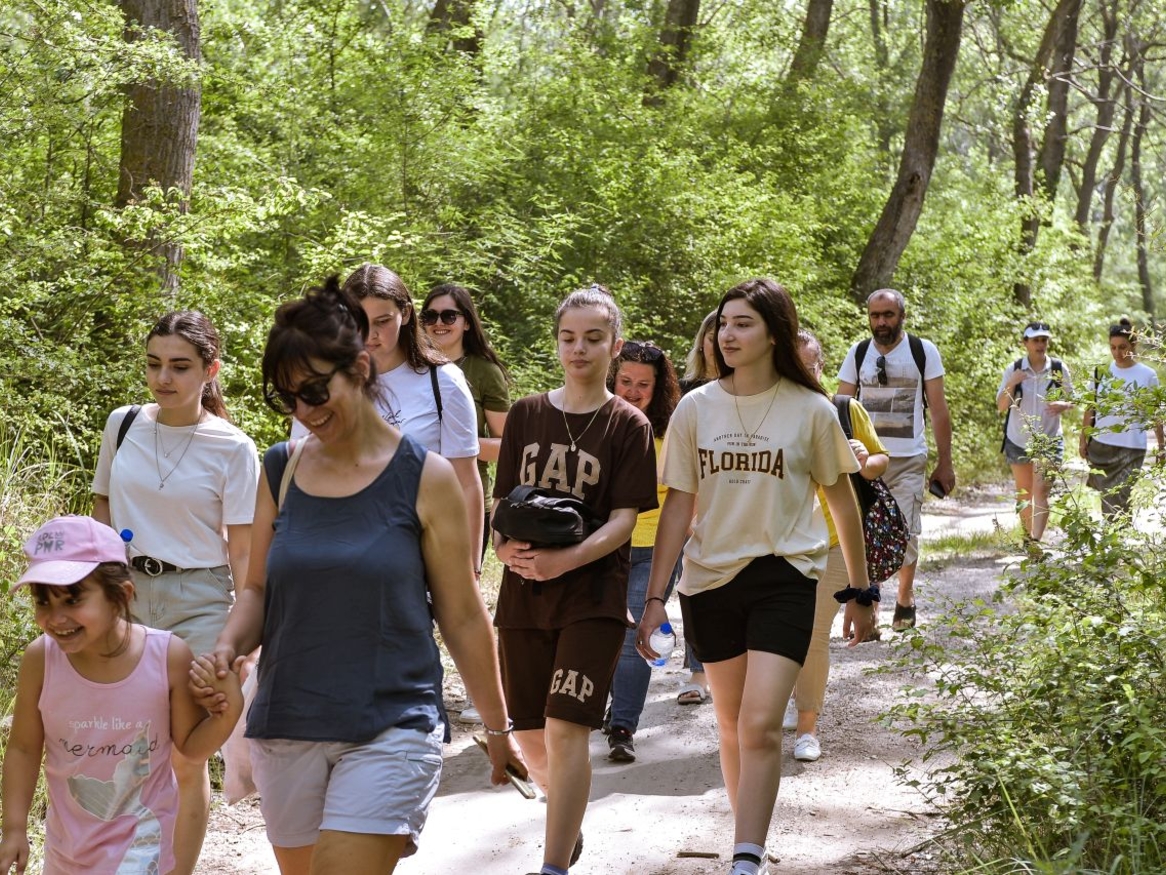
In Albania, the Living Buna project strengthened wetland governance by supporting local institutions and launching a small grants programme that funded 23 community-led initiatives. Capacity-building activities reached protected area staff, educators, youth, and local businesses, covering topics such as eco-tourism, climate-smart agriculture, and habitat monitoring. A study tour to Spain further enabled peer learning in wetland management and community engagement.
Both initiatives demonstrate how investing in local knowledge, inclusive training, and community leadership builds stronger, more resilient conservation outcomes across the region.
Photo: IUCN ECARO

Photo: IUCN ECARO
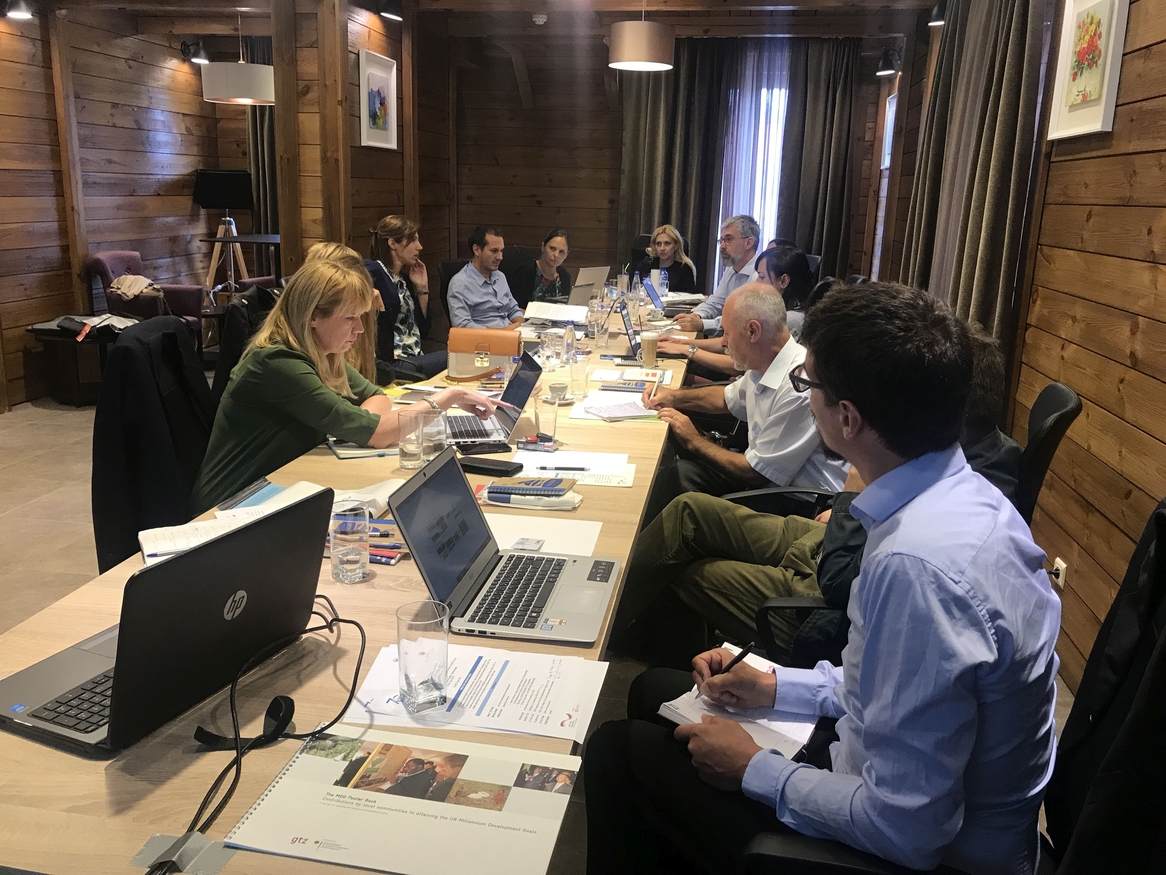
Photo: IUCN ECARO

Photo: IUCN ECARO
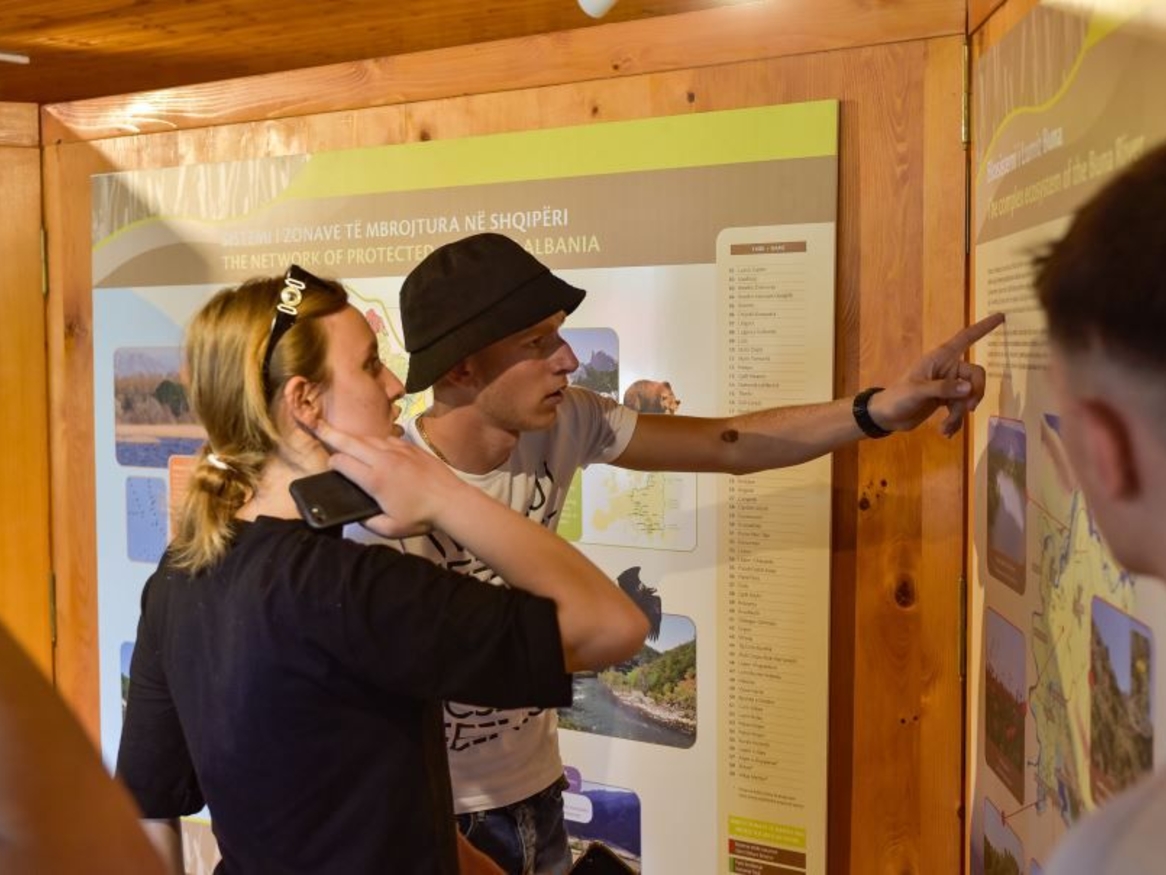
Photo: IUCN ECARO




The Bangladesh Forest Department (BFD) and IUCN Bangladesh, with support from Agence Française de…

Each year, International Women's Day is an opportunity to recognise the women advancing change in…

On 14 January 2026, in Dhaka, the Bangladesh Forest Department and IUCN Bangladesh formally signed…