Celebrating International Day of Forests 2026: How IUCN is Conserving and Restoring Forests Worldwide
The International Day of Forests, observed annually on March 21st, raises awareness and serves as a reminder of the importance of forest ecosystems. “Forests and Economies” was selected as the theme for 2026, highlighting the central role of forests in sustaining livelihoods and economic opportunities across sectors.
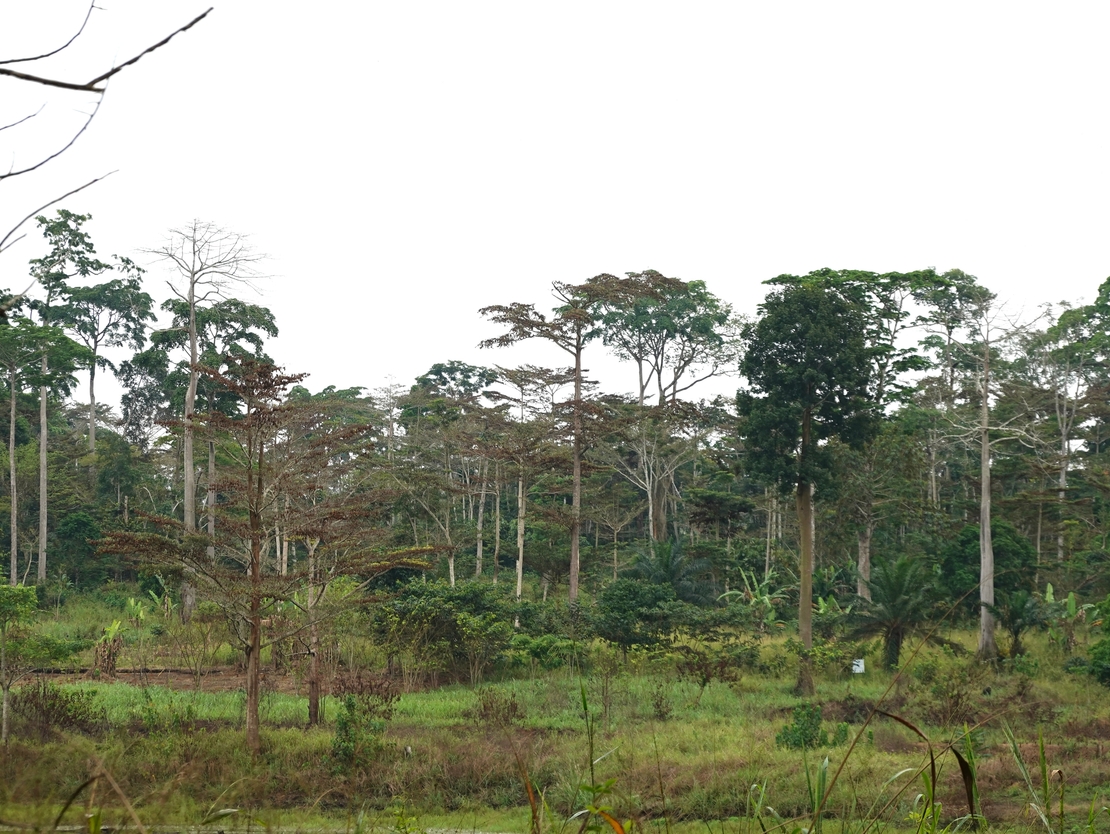
Forests are some of our planets most valuable ecosystems. These unique landscapes play a crucial role in regulating climate, sustaining communities, and supporting biodiversity. As our planet continues to face challenges at the hands of a changing environment, the importance of recognising the crucial role of forest ecosystems has only become increasingly apparent. Thus, since its proclamation by the UN General Assembly in 2012, March 21st has served as the International Day of Forests—a day to celebrate all types of forests and trees around the world.
Each year, through the Collaborative Partnership on Forests (CPF), a theme is selected for the International Day of Forests. This year’s event will focus on the connection between forests and economies. More than 1.6 billion people depend on forests for subsistence, income or employment. In total, the forest sector provides at least 13 million formal jobs and another 45-50 million additional jobs in informal and small-scale forest enterprises. These ecosystems are crucial to providing food, fuel, shelter, and income, especially in the face of economic shocks, conflicts, and climate-related crises. However, forests continue to be excluded from economic conversations. Therefore, this International Day of Forests foregrounds these ecosystems as landscapes at the heart of sustainable, resilient, and lasting economies.
How Forests Are Prioritised at IUCN
As outlined in IUCN’s 2026-2029 Programme, IUCN is dedicated to conserving and protecting terrestrial landscapes, like forests. Within this pillar, advancing the rights and interests of forest communities and implementing effective forest and land-use policies is central. Thus, IUCN projects not only protect and restore these vital ecosystems, but equip decision-makers with information, design policies, develop tools, strengthen capacity, and embed community voices and needs in forest management. Across policy, science, education, and financing, IUCN is committed to the future of forests.
Building on this idea, IUCN is also committed to aligning financial and economic systems with nature. Economic systems often overlook the value of landscapes like forests. Thus, IUCN’s Programme highlights the need and pathways for governments, stakeholders, and policymakers to better understand and operate in a world where nature and economies are increasingly intertwined.
“On this year’s International Day of Forests, we are reminded how integral forests are to the livelihoods and wellbeing of people,” said Grethel Aguilar, IUCN Director General. “At IUCN, we are advancing forest conservation globally while working alongside the local communities that rely on these ecosystems. Protecting, conserving, and restoring forests ensures that they can continue to sustainably benefit communities and economies—not just today, but for generations to come.”
IUCN Resolutions at the Intersection of Forests and Economies
Beyond the 2026-2029 Programme, IUCN has advanced work at the intersection of forests economies in recent years through Resolutions and Recommendations, as evidenced by the passing of 38 forest-related Resolutions at the 2025 IUCN World Conservation Congress held last October in Abu Dhabi. Together, these Resolutions build upon IUCN’s existing commitments to forests, calling for actions ranging from the improvement of tree planting practices and reporting on ecological corridors to the prevention of anthropogenic forest fires.
Notably, several of these recent resolutions focus directly on the intersection of forests and economies. For example, Resolution 71—entitled “Recognising the Model Forest Act to enhance forest protection, conservation, restoration and sustainable management of forests”—acknowledges that “economic and social development and environmental protection are interdependent and mutually reinforcing components of sustainable forest management.” The Resolution thus endorses Model Forest Act* to facilitate knowledge sharing, capacity building, implementation, and sustainable governance in forest management. Similarly, Resolution 83—entitled “Developing a circular and sustainable bioeconomy for sustainable food and agriculture” – notes forestry as a key contributor to developing bioeconomy's. Furthermore, it invites the implementation of ecosystem-based adaptation and climate-resilient practices into forestry strategies to “enhance biodiversity conservation, food security and community resilience in the face of climate change.”
Spotlighting IUCN’s Work on Forests and Economies
IUCN is supporting a wide range of projects and regional initiatives focused on forests and the role they play in sustainable livelihoods and economies. From implementation under the Critical Forest Biomes Integrated Programs in Asia, Africa, and Latin America, to global leadership under initiatives like the Bonn Challenge, IUCN is advancing essential forest protection and restoration work across the globe. Moreover, IUCN is closely engaged in partnerships like the Collaborative Partnership on Forests (CPF) and the Global Partnership on Forest and Landscape Restoration (GPFLR), working alongside partner organisations to embed forest conservation in global dialogues while staying rooted in local realities.
“At IUCN, our approach to forest conservation is holistic and rooted in the needs of local communities and landscapes,” said Chetan Kumar, Global Head of Forests and Grasslands at IUCN. “We bridge evidence, policy, and practice to keep standing forests intact while simultaneously restoring degraded ecosystems. By working alongside diverse stakeholders and communities, we also make sure that the needs of people—including their economic and livelihood needs—are integrated into forest management approaches.”
Strengthening Conservation of Primary Forests through Partnership Enhancement and Coordination of Support
With funding from the Global Environment Facility (GEF), and in partnership with the United Nations Forum on Forests (UNFF), the Food and Agriculture Organization (FAO), the Collaborative Partnership on Forests (CPF), Wild Heritage, and Griffith University, IUCN is strengthening global conservation of primary forests. These high-integrity, intact forest ecosystems are not only essential to human health, climate regulation, and biodiversity, but they also contribute meaningfully to economies – particularly through ecosystem services.
This initiative aims to strengthen the conservation of tropical primary forests worldwide through increased awareness among government and donor decision-makers and stakeholders, aiming to raise awareness of their importance in combating climate change, biodiversity loss, and land degradation. The project was developed in response to the urgent need for greater global recognition of the critical ecological role primary forests play in sustaining biodiversity, regulating the climate, and supporting the livelihoods and wellbeing of Indigenous Peoples and local communities. Despite their irreplaceable value, primary forests remain underrepresented in international forest policy, finance mechanisms, and national reporting frameworks; a strong need remains for increased supportive funding and investments, as well as improved policy coherence within and between countries. This initiative aims to fill that gap by consolidating efforts across institutions, partners, and platforms to position primary forest conservation as a global priority.
Primary forests are underappreciated in part because their immense value comes from ecosystem services which go unrecognised in the market. They store more carbon than other forest types and reduce natural disaster risk, functions which are essential mitigating economic losses and damages caused by climate change. They also harbour immense biodiversity and contribute to the informal forest sector, supporting the livelihoods and subsistence of local communities and Indigenous Peoples, in particular. Finally, primary forests are a major defence against zoonotic disease spillover and drinking water contamination; as they disappear, people are more likely to contract illnesses like Ebola, malaria, and waterborne disease, increasing pressure on health systems and reducing people’s ability to work. Protecting primary forests and their economic benefits is therefore essential, especially in tropical countries where the largest swaths of these ecosystems remain intact.

The Restoration Initiative (TRI)
Supported by the Global Environment Facility (GEF) and implemented by IUCN, FAO and UNEP, The Restoration Initiative (TRI) has brought together multiple countries across Africa and Asia to overcome barriers to forest and landscape restoration. Effective solutions to these barriers have notably included developing bankable projects, mobilising diverse funding sources, and strengthening policy and governance frameworks. By integrating ecological restoration with income generation and inclusive stakeholder engagement, TRI has helped to channel significant financial resources into restoration while supporting resilient livelihoods and long-term economic development.
Effective restoration goes beyond science and recognises the multifaceted nature of making lasting change, and TRI’s efforts have created enabling environments where public and private finance can support restoration, guiding credit and insurance decisions that align with restoration objectives. For example, in São Tomé and Príncipe, restoration reshaped the financial system to support a green economy. Through TRI, financial institutions, regulators and businesses were trained on green finance, enabling banks and insurers to better integrate environmental risks and support restoration-friendly investments. At the same time, partnerships with local enterprises, such as companies sustainably harvesting products from forest landscapes, demonstrated how restoration can generate economic value while protecting ecosystems.

The International Model Forest Network (IMFN)
Established by the government of Canada in 1995, the International Model Forest Network (IMFN) is a voluntary global community of practice working toward the sustainable management of forest‐based landscapes and natural resources through the Model Forest approach. This Network, encompassing 60+ Model Forests across more than 35 countries and 70 million hectares, prioritises conservation and restoration alongside the social, economic, and environmental goals of local communities. Central to the Model Forest approach is the idea that forests are deeply intertwined with the people and communities who interact with them, and thus questions of governance, finance, education, and economic livelihoods are inspirable from forest management. IUCN’s collaboration with the IMFN is specifically targeted toward designing and implementing tailored intervention packages with partner Model Forests to enhance FLR planning, monitoring, and implementation capacities, with a focus on applying gender-forward approaches to strengthen women's roles in FLR.
For example, through the Model Forest approach, Baisha Village, located within China’s Lin’an Model Forest, has been able to transform its economy through a transition from excessive logging to community driven non-timber forest product (NTFP) production. First joining the IMFN in 1999, Lin’an has since increased forest cover from 60% to 90%, established an engineer's association to act as a body to provide technical and scientific in the transition to NTFPs, and driven socioeconomic development, ecotourism, and agroforestry. Through the cultivation of products like hickory, bamboo, and tea, Lin’an has not only driven ecological restoration and economic growth but created an economy that works with rather than against forest ecosystems.

The Forest Landscape Restoration (FLR) Hub
The Forest Landscape Restoration (FLR) Hub initiative—funded by Germany’s Federal Ministry for Environment, Nature Conservation and Nuclear Safety (BMUKN), the International Climate Initiative (IKI), and the Swiss Agency for Development and Cooperation (SDC), and implemented by IUCN, WWF, and WRI—is supporting actors in Brazil, Colombia, Madagascar, Peru, Tanzania and Uganda to turn restoration commitments into concrete action on the ground. Through coordinated technical support, knowledge exchange, and investment facilitation, the initiative aims to restore 200,000 hectares of degraded landscapes, enhance biodiversity, and leverage EUR 20 million in restoration finance.
A central pillar of the FLR Hub focuses on strengthening the conditions that allow restoration projects to attract investments to scale-up. The initiative and its partners work to develop and strengthen existing financing pipelines for restoration projects and connect them with potential investors and funding mechanisms. This includes identifying promising projects, providing technical assistance to improve their investment readiness, and facilitating links with public and private finance. This approach also supports the mobilisation of diverse financing sources, including grants, concessional funding, blended finance, and impact investment, all of which are critical to scaling restoration globally.
Together, the Hub’s activities support sustainable production systems that combine environmental restoration with income generation. Examples include agroforestry practices that improve soil health and farm productivity, sustainable forest products that strengthen local value chains, and restoration enterprises that create new green jobs. In several landscapes, restoration is also supporting nature-based economic activities such as non-timber forest products, honey production, and ecotourism. By linking restoration to sustainable livelihoods, these approaches ensure that communities are not only stewards of restored landscapes, but also beneficiaries of the economic opportunities they create.

The Forest Farm Facility (FFF)
Initially launched in 2012 as a partnership between FAO, IIED, Agricord, and IUCN, the Forest and Farm Facility (FFF) supports forest and farm producer organisations (FFPOs) to gain access to direct financial support and technical assistance, with emphasis on supporting smallholders, rural women’s groups, local communities, and Indigenous Peoples’ Organisations. More specifically, this programme provides direct financial support and technical assistance to strengthen FFPO capacity to develop sustainable businesses, improve access to markets and finance, engage in policy processes, and enhance environmental and technical knowledge to support climate change adaptation and resilience. Through capacity development and efforts to increase the visibility of national and regional FFPO platforms, the FFF aims to ensure that farmers’ voices are represented in decision-making related to climate finance, sustainable landscapes, and forest governance.
For example, in Nepal, FFF supported an initiative aimed at reducing forest fire risk while improving livelihoods for women. The project centred around collecting and using forest debris to create biofertilizer, replacing chemical fertilizers, improving soil quality, and creating 400 income opportunities for community members—the majority of which were women. This success story is just one example of the power of addressing economic, forest, and farm issues in tandem. By looking at the forestry, agriculture, and economic sectors as intertwined actors, FFF has been able to support projects that improve livelihoods across the board.

Looking Ahead for Forests
The International Day of Forests shines a spotlight on some of our planet’s most essential ecosystems; however, it is imperative that these landscapes’ value and protection is given attention year-round. Whether it be their role in preventing biodiversity loss, combatting land degradation, maintaining human and planetary health, mitigating the effects of climate change, or ensuring the livelihoods of global communities, forests are a central solution. IUCN is committed to protecting, conserving, and restoring these ecosystems for people, economies, and nature, not just today, but every day of the year.
*The Model Forest Act Initiative (MoFAI) should not be confused with the International Model Forest Network (IMFN).


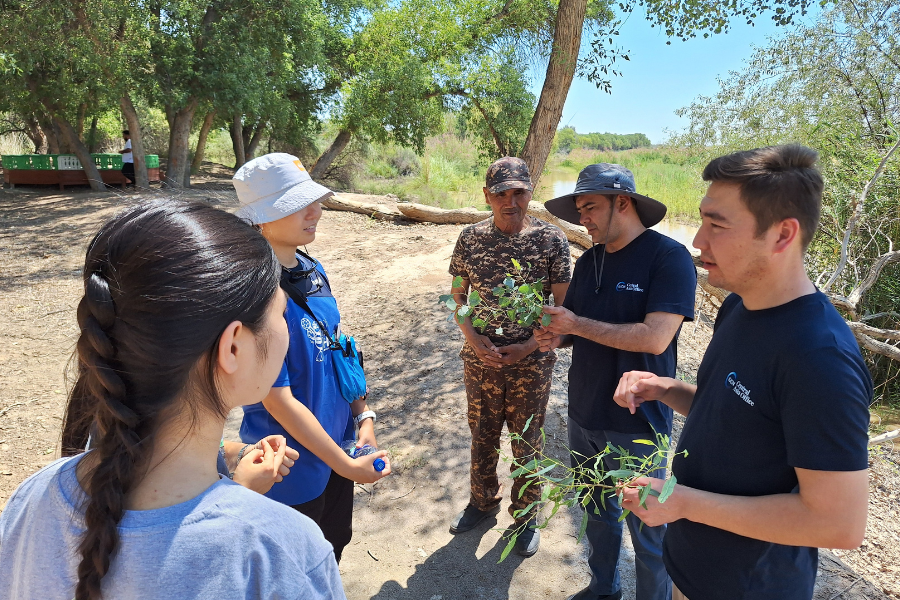
In Kashkadarya, Khorezm and the Republic of Karakalpakstan, local communities are helping turn…
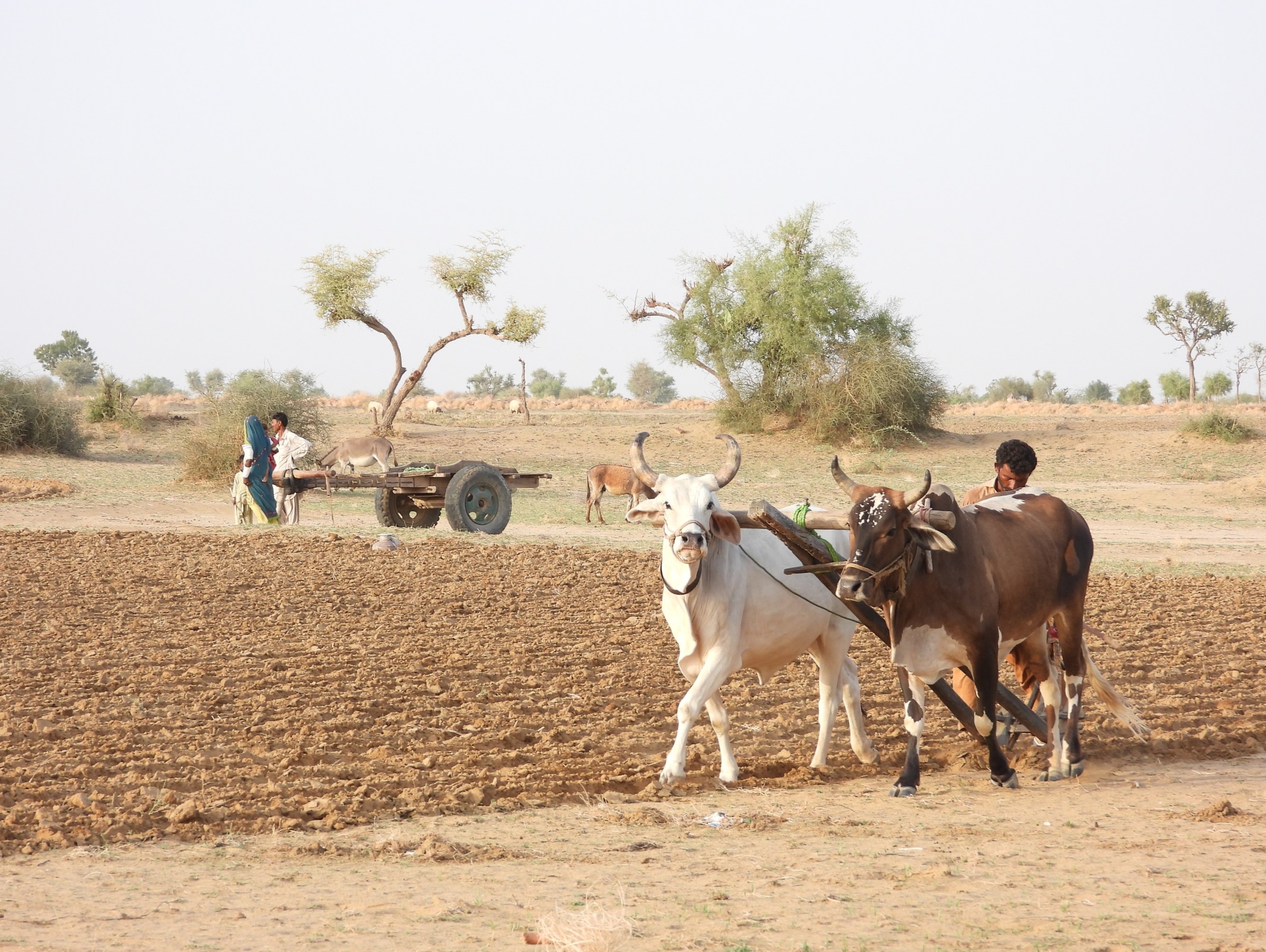
The third in a five-part series, this webinar brought together speakers from across West and…

This week, the Yerevan Municipality hosted the inaugural ceremony marking the establishment of the…