Every autumn, millions of monarch butterflies travel more than 4,000 kilometres from southern Canada to the forests of central Mexico, completing one of the most extraordinary migrations on the planet. From scientific research to direct work with local communities, IUCN and its Members contribute to the conservation of this fascinating natural phenomenon through initiatives to strengthen the resilience of the butterfly’s forest habitat and the livelihoods of people in the area.


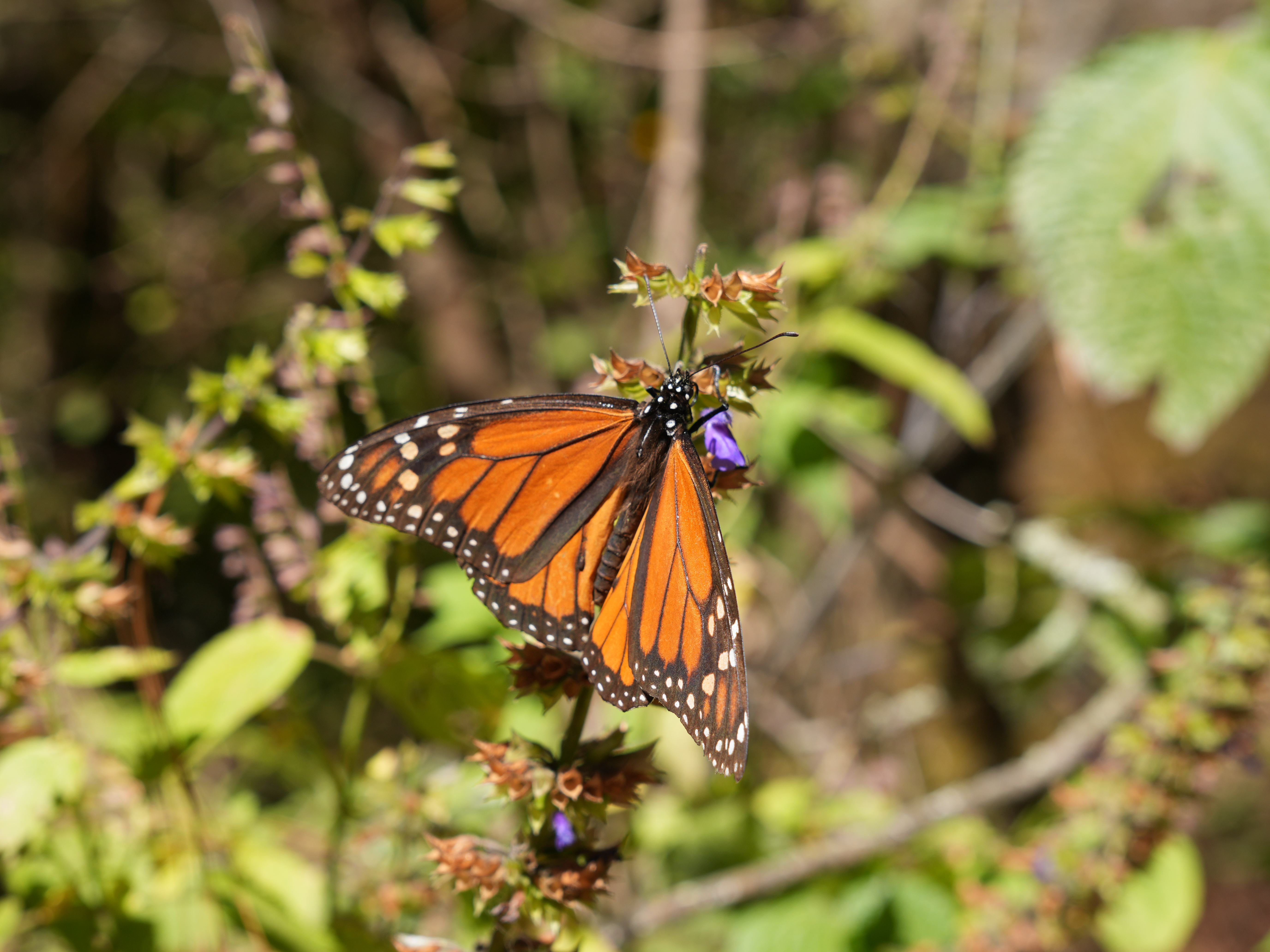
The migratory monarch butterfly is Vulnerable on The IUCN Red List of Threatened Species™, and considered to be at risk of extinction. While seasonal changes in the expression of certain genes help activate the migratory state, the butterflies' ability to orient themselves and remain on-course is based on a solar compass regulated by biological clocks in their antennae. 

Giulia Clerici/IUCN

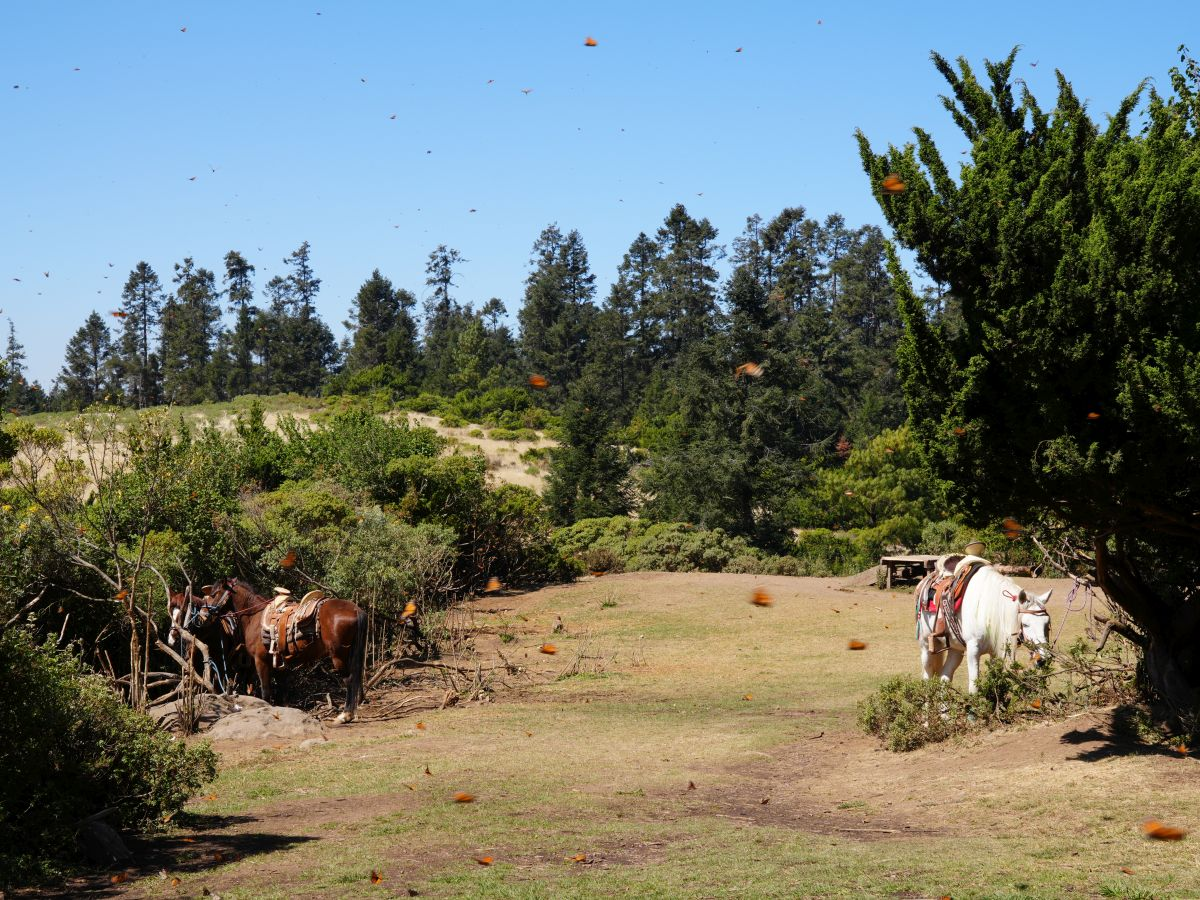
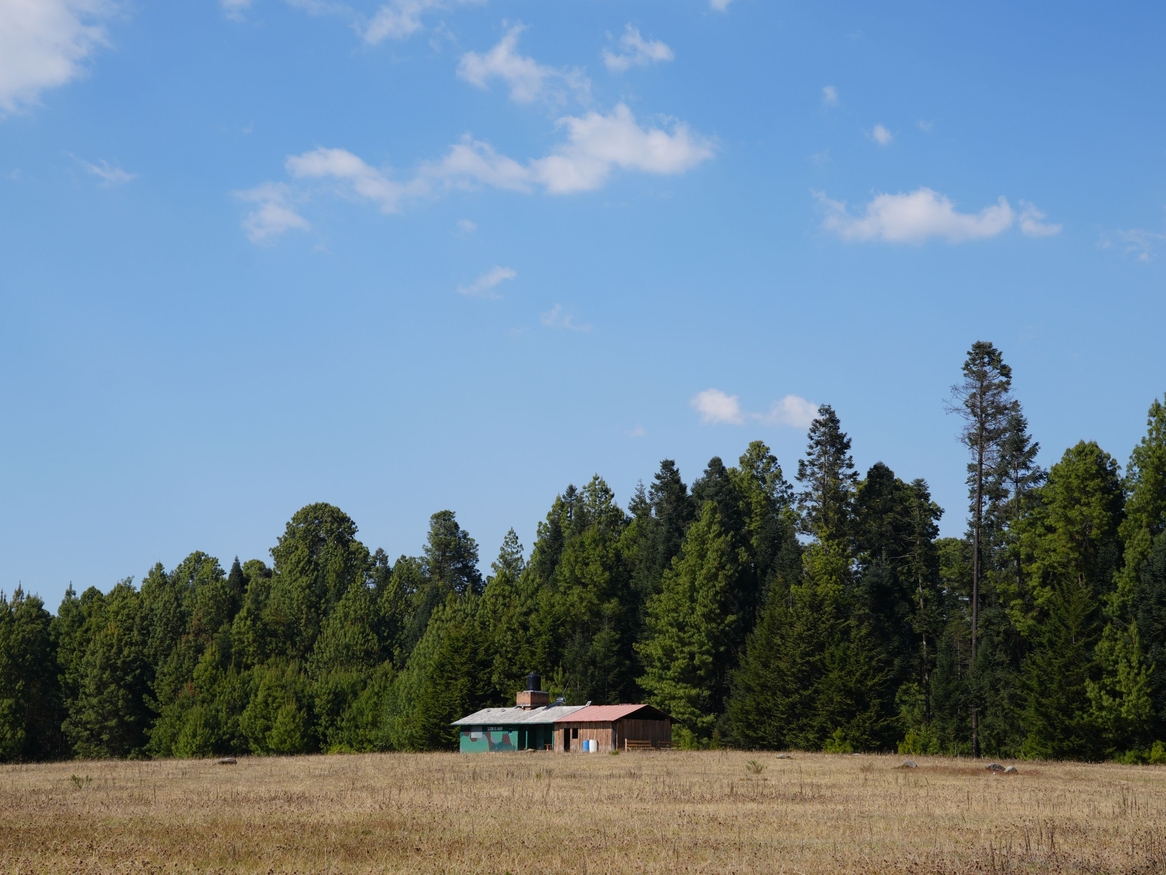
Each year, between November and March, millions of migratory monarch butterflies (Danaus plexippus plexippus) hibernate in the dense oyamel fir and pine forests of the states of Mexico and Michoacán, completing a journey of more than 4,000 kilometres that begins in the Great Lakes region of southern Canada.

The butterflies that arrive in the forests of Michoacán in the autumn descend from those that travelled north in March of the same year. Along the way, three to four generations are born and die before the journey is over.

Toward the end of summer, the so-called Methuselah generation is born, distinguished by its extraordinary longevity: it can live up to eight months, nearly three times longer than other generations. These are the butterflies that undertake the entire journey across Canada and the United States to return to their winter nesting sites in central Mexico.

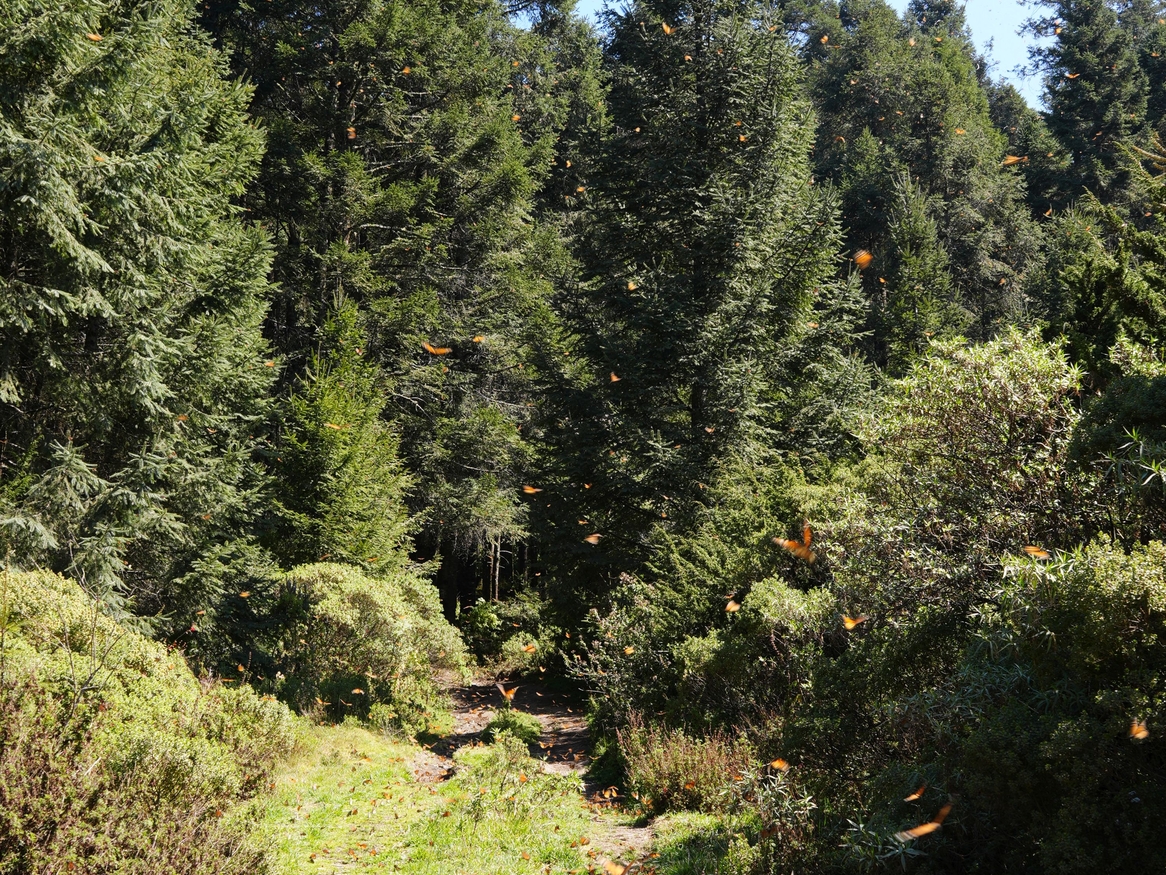
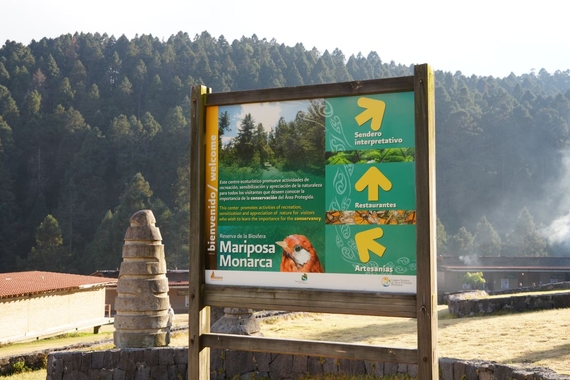
The Mexican winter sites were discovered in 1975 by Canadian zoologists Fred and Nora Urquhart, who, with the help of thousands of volunteers, mapped the butterflies’ migratory route by placing tiny tags on their wings. The Monarch Butterfly Biosphere Reserve was established in 2000, covering 56,259 hectares. In 2008, the reserve was declared a World Heritage Site by the United Nations Educational, Scientific and Cultural Organization (UNESCO).


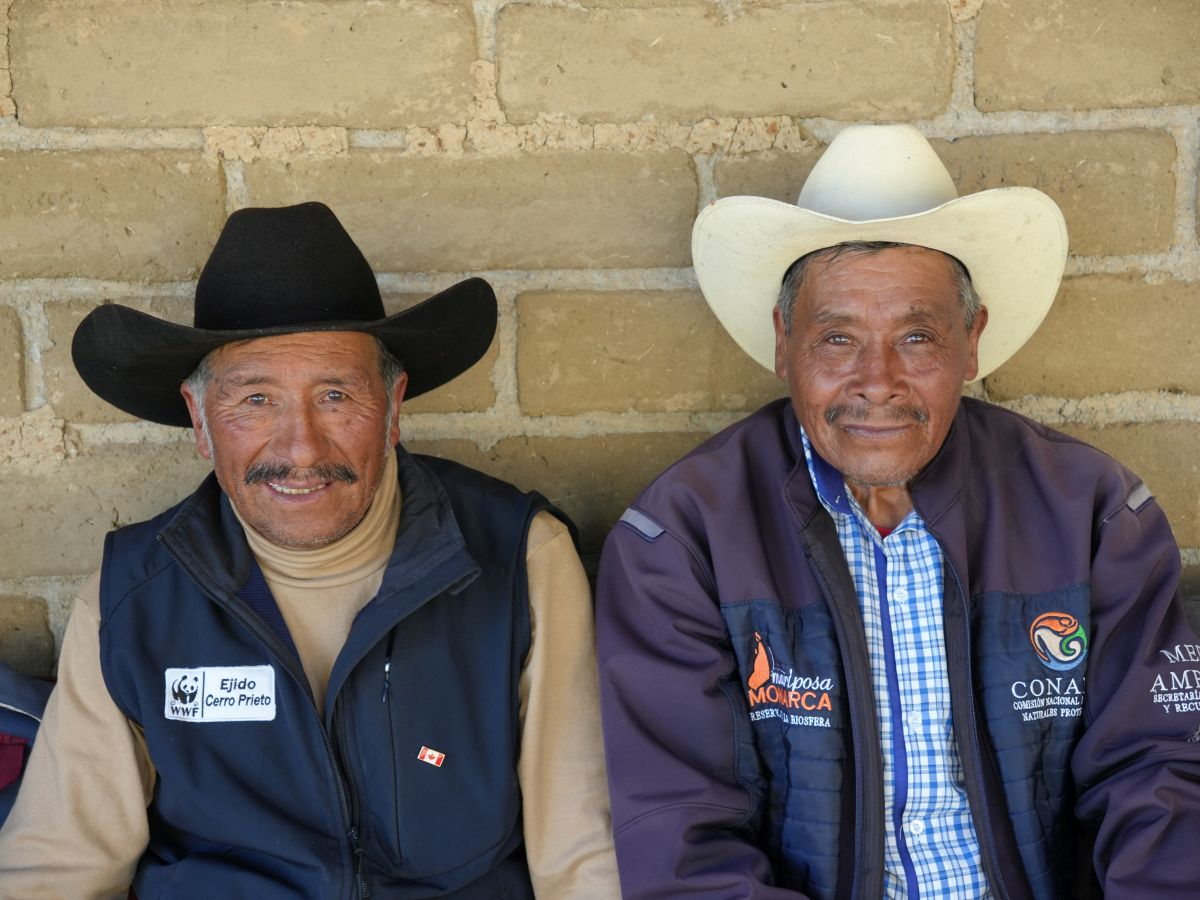
More than 27,800 people, the owners of the territory, live within the reserve, distributed across 68 ejidos (a kind of communal agricultural land), 12 Indigenous communities and 41 small private properties.

Giulia Clerici/IUCN
Giulia Clerici/IUCN


These forests also capture water that feeds the Cutzamala System, which supplies more than five million people in Mexico City and its metropolitan area.

Paradoxically, when the reserve was declared a protected area, local people who depended on the forest for their livelihoods were left with no income – resulting in an increase in illegal logging and the degradation of the forest. An organisation called Alternare was set up in response, with a simple premise: when communities have dignified and sustainable livelihoods, pressures on the reserve’s natural resources decrease. An IUCN Member organisation, Alternare has now worked with rural and Indigenous communities in the Monarch Butterfly Biosphere Reserve in Michoacán for 28 years.

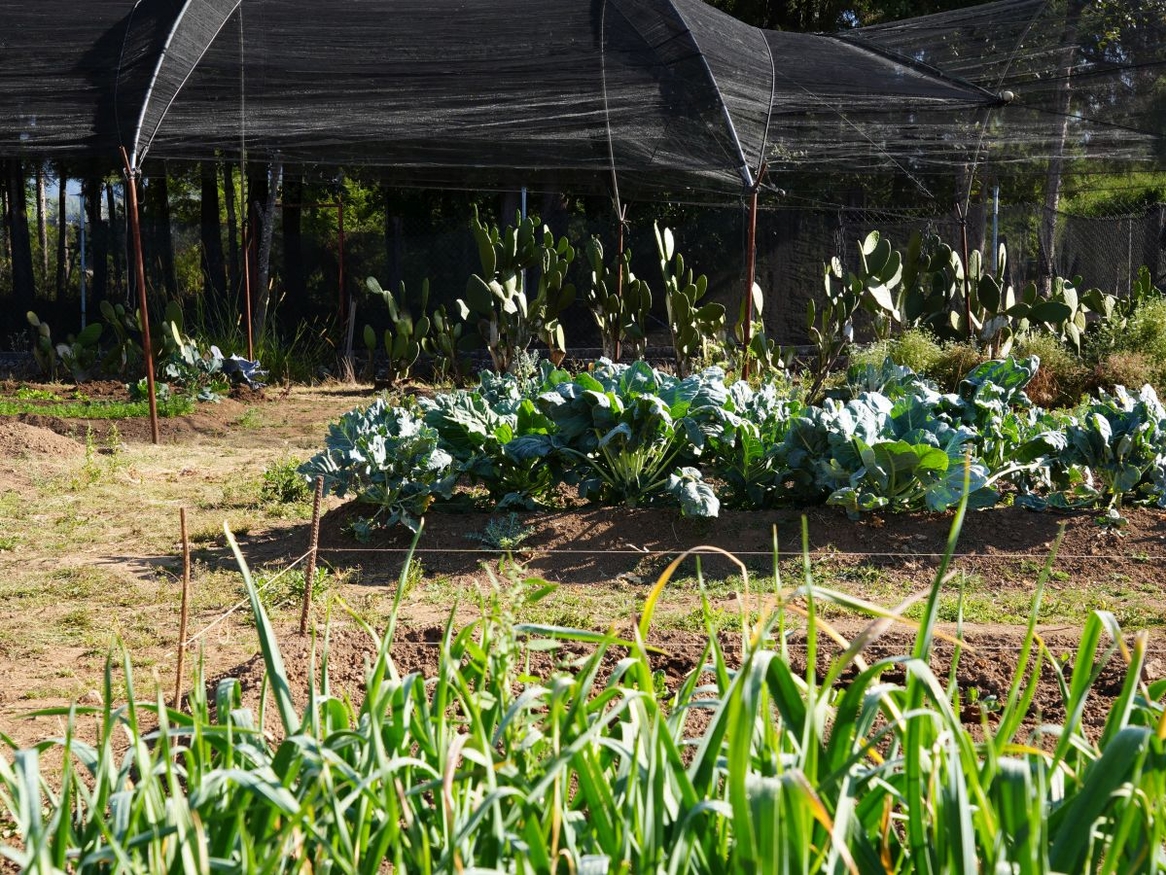
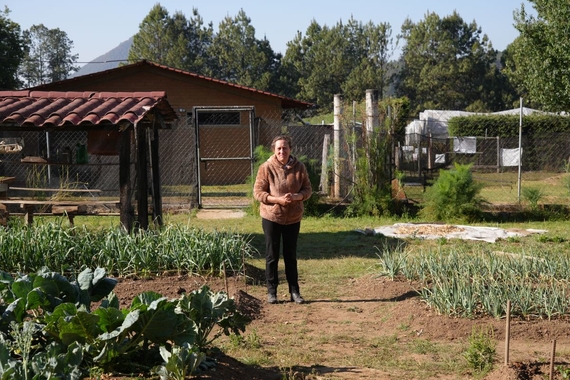
At its Demonstration and Training Centre in Aporo, Michoacán, Alternare runs a free, nine-month course to train people to become instructors in sustainable agricultural and contsruction techniques. Today, 215 instructors trained through this programme have replicated what they have learned in 15 states across Mexico.  

Alternare teaches these same skills in its surrounding communities. To date, 10,200 people have benefited, 98% of whom are women.

“It is very moving to visit communities and see how women replicate their knowledge, building a stove for a sister or helping a sister-in-law build a biofilter. At Alternare, we are convinced that we must strengthen the governance of natural resources and the social fabric of communities, while providing livelihood alternatives. The key has been building trust with communities over 28 years of uninterrupted work, from farmer to farmer.” – Karen Vega, Director of Alternare

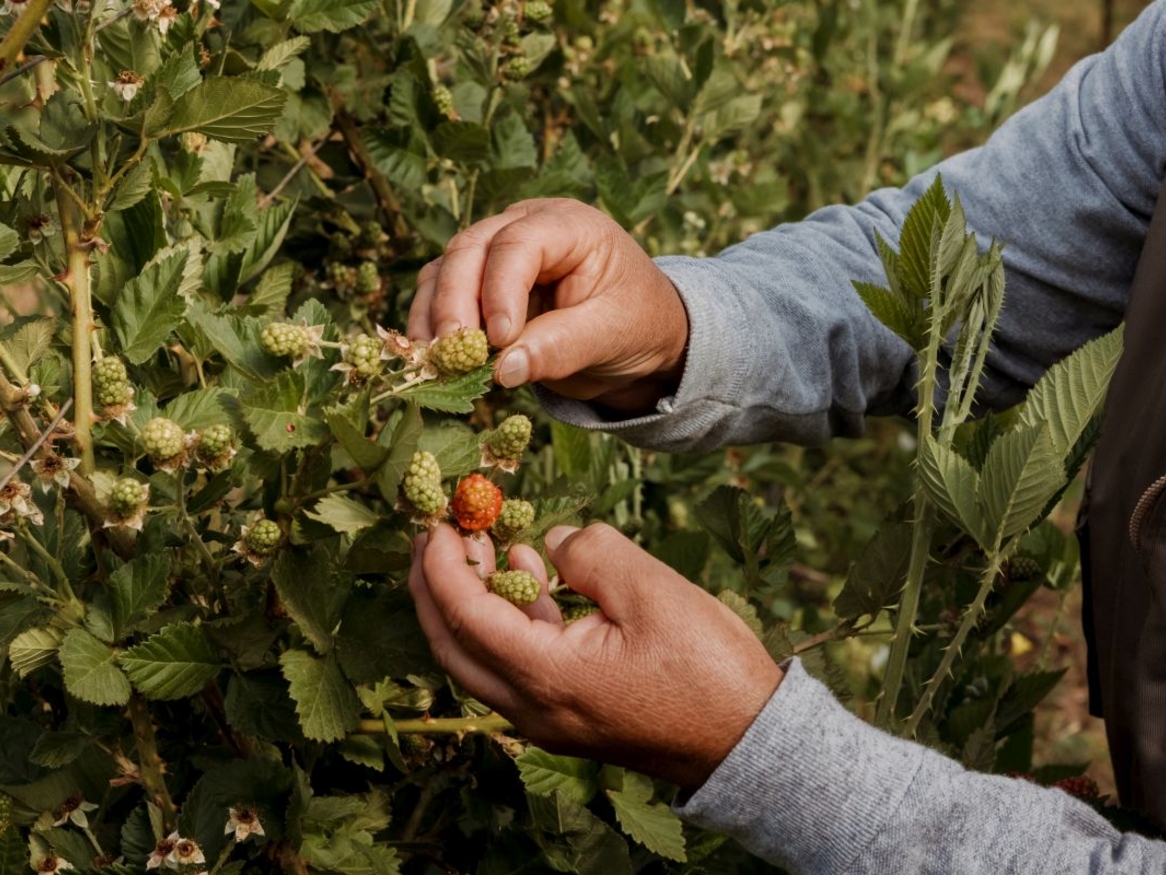
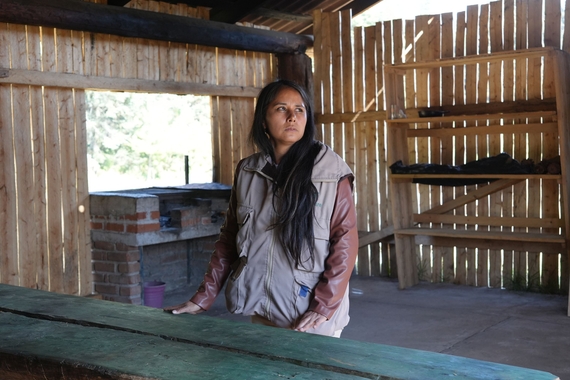
“There are no opportunities to study in the communities, so after secondary school I had to move to a boarding school to graduate as an agricultural engineer. I hadn’t planned to return to my community, but by chance I came back during a vacation and was asked to work on reforestation projects. Later I lost that job, and since I’ve always liked farming, I thought: if I’m not going to earn money, at least I’ll produce my own food. I enrolled in Alternare’s course, with a plan to grow food for myself and generate some income.

“Communities care deeply for the forest, and in the end we all benefit from that, as we all breathe, drink water and use wood products. We are all involved, though we often leave the work to the communities. Personally, what I like is helping them continue conserving while having more resources and dignified livelihoods.” – Edith Julieta Ángeles Blanco, a member of the El Paso ejido community.

Giulia Clerici/IUCN


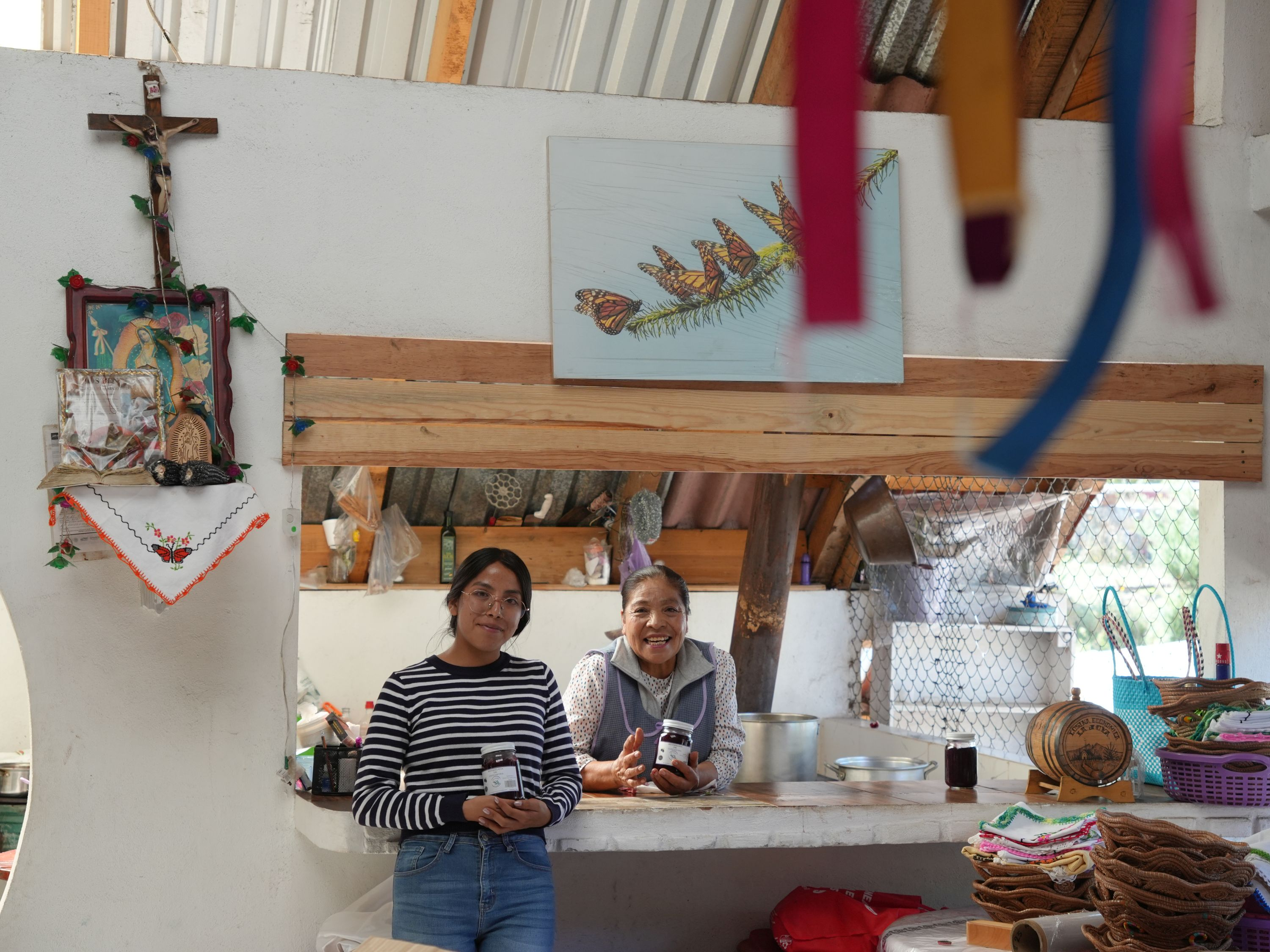
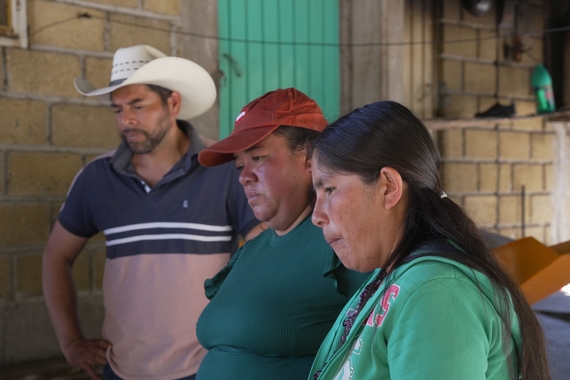
 Alternare supports women’s groups producing honey, medicinal plant products, soaps, vegetables and organic fertilisers. Doña Luz and Esmeralda are part of the women’s collective Los Cedros. At their small mountain restaurant La Joya, near the El Rosario Monarch Butterfly Sanctuary, they offer organic food grown in their gardens using sustainable production techniques promoted by Alternare.

Alternare also assists communities in reforestation and spring protection, as well as water, climate and wildlife monitoring, combining traditional knowledge with new technologies.  

Despite these efforts to support the reserve, challenges persist. The average area occupied by migratory monarch butterflies in Mexico has gradually decreased, from around nine hectares in the 1990s to two hectares in the 2000s. While recent estimates indicate a 64% increase in the species’ population this year, the long-term trend remains one of decline.  

In Mexico, the main pressures threatening the survival of the migratory monarch butterfly include legal and illegal logging, deforestation for agriculture – particularly avocado cultivation – and urban development. Meanwhile, pesticides and herbicides used in intensive agriculture throughout the species’ range kill both the butterflies and milkweed (Asclepias), the host plant on which their larvae depend. Climate change is also a rapidly growing threat: droughts and temperature extremes limit milkweed growth, increase the frequency of forest fires and trigger earlier migrations.


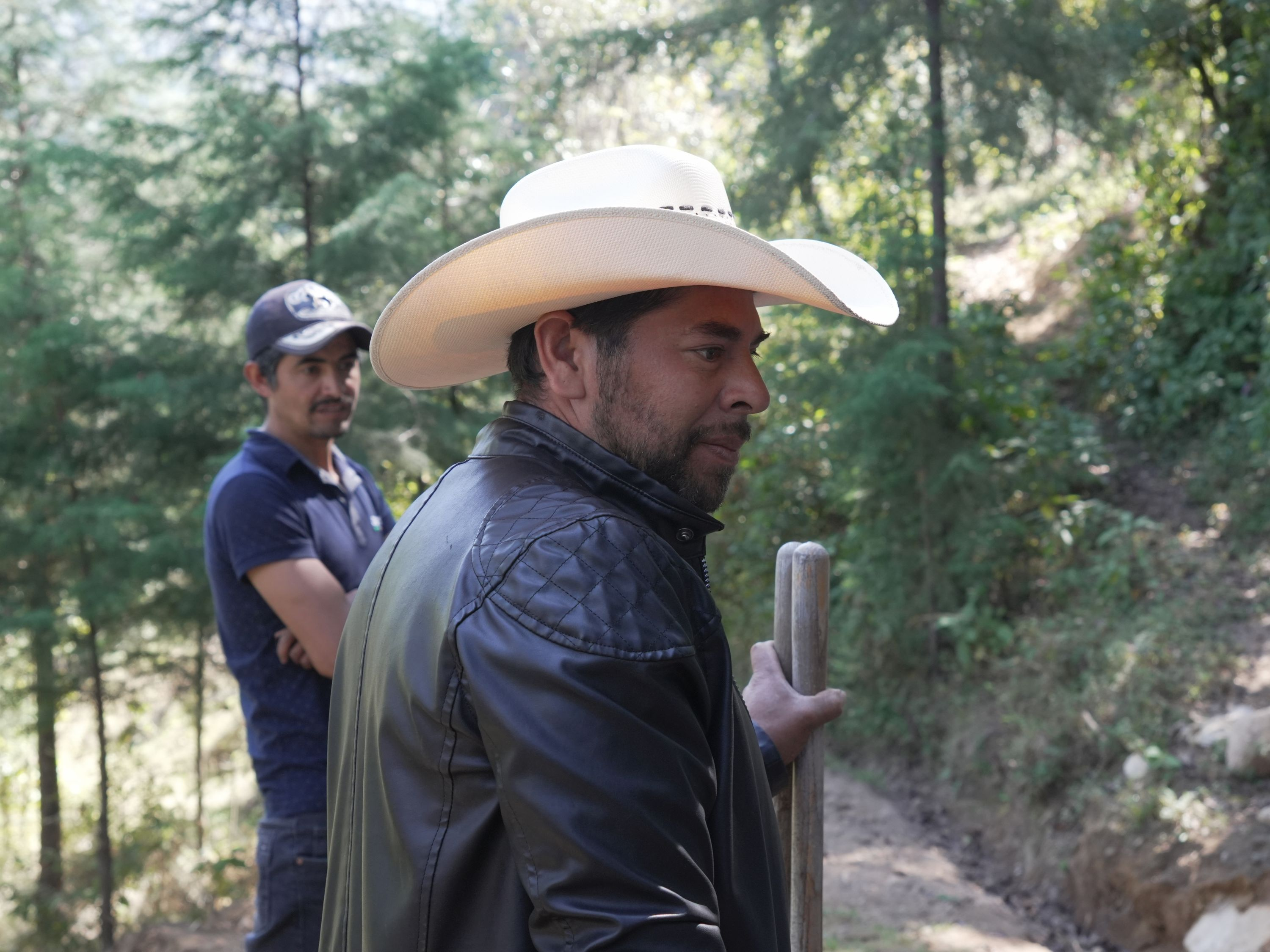
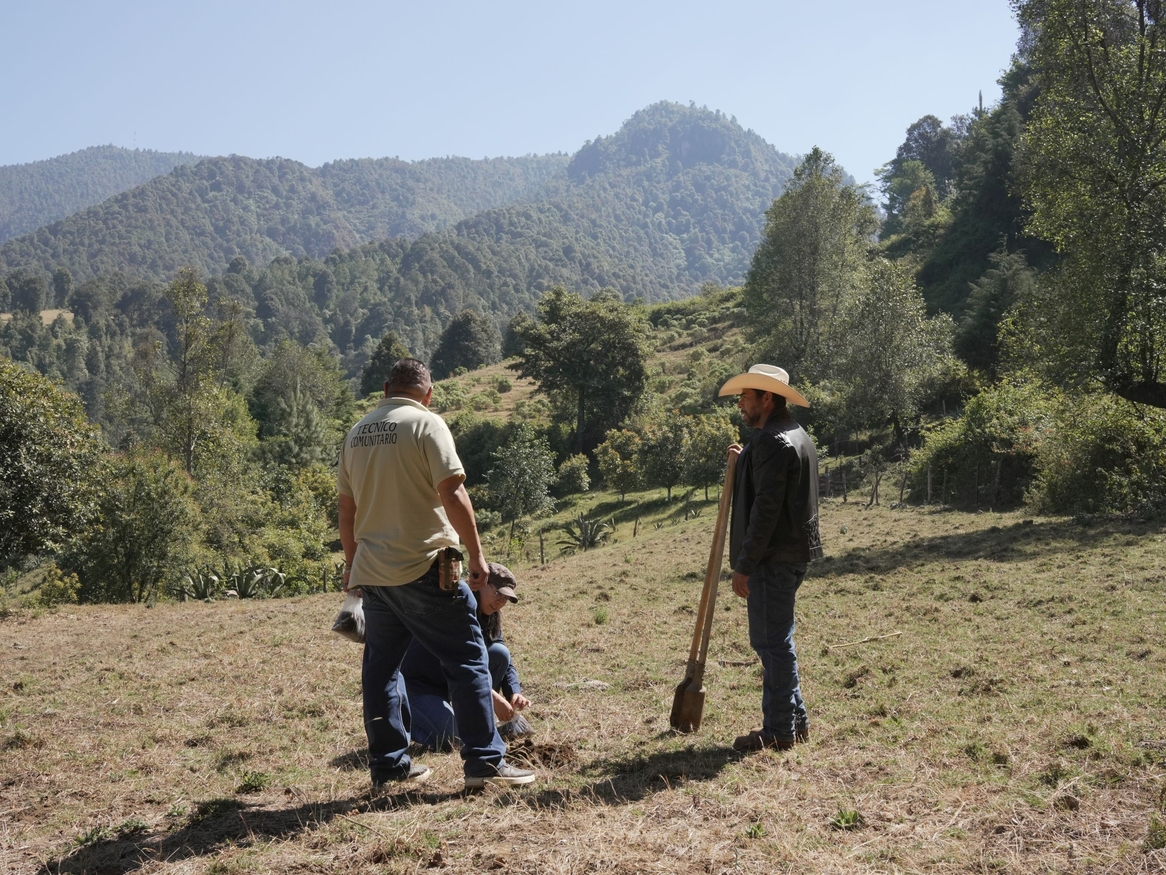
Alfonso Martínez is a cattle and maize producer in the community of San Nicolás Romero. Over the years, he has witnessed firsthand how climate change has altered natural cycles and affected land productivity.

Giulia Clerici/IUCN

“In the 1990s the average temperature was about 16 degrees Celsius; now it’s 22–25. Years ago, rivers ran here, and today it’s dry. All of this is a result of deforestation. When our great-grandparents arrived from different parts of Mexico about 120 years ago, this area was virgin forest, which was cut down to build the railway. When the work ended, they settled here and started growing maize, beans, peas and wheat.

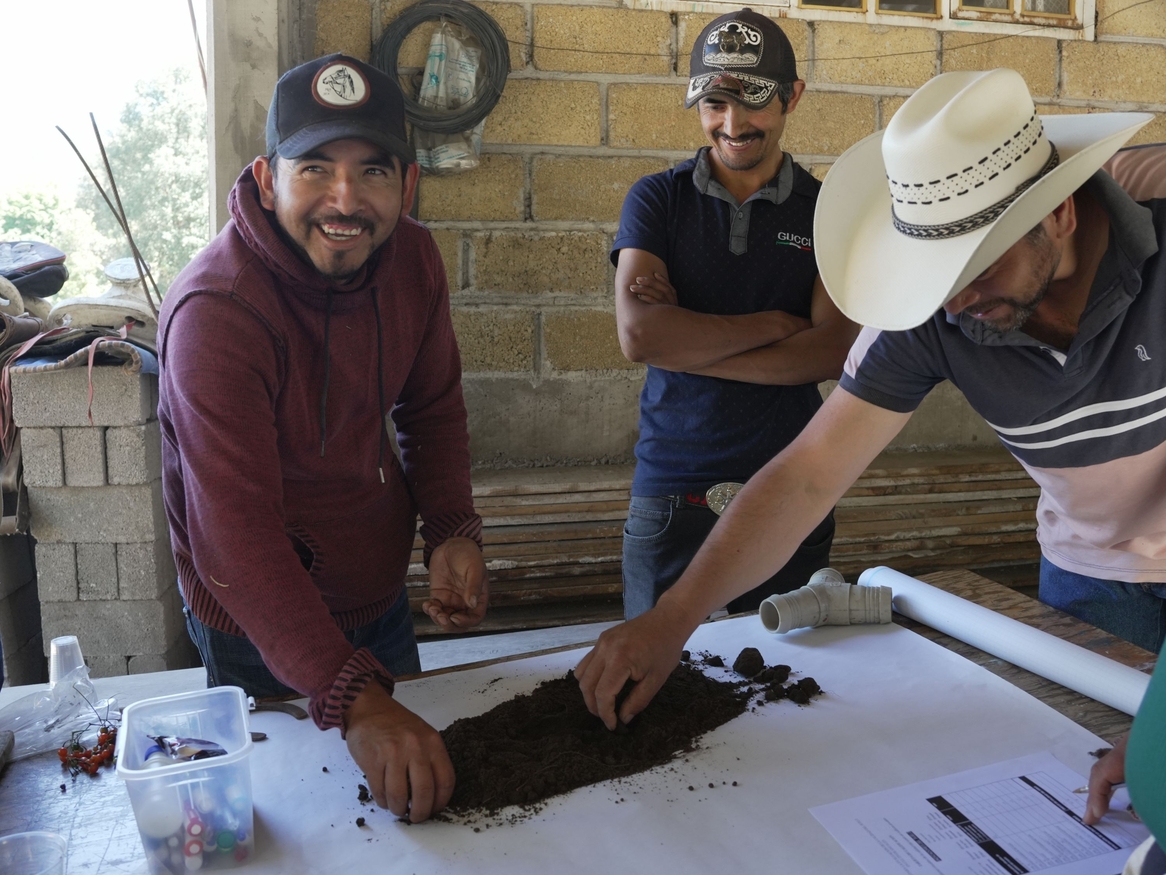
“Together with this group of producers, we are working to better understand our role within the ecosystem and the impacts of our actions. We are also identifying improvement measures, such as enhancing forage production for cattle to reduce grazing time within the reserve. If those of us who live at the forest’s edge don’t take care of it, the rest of the municipality will lack water and other services the forest provides. It’s a chain. We are the main beneficiaries, but also the main responsible ones. That’s why we are trying to raise awareness.” – Alfonso Martínez

Alfonso Martínez is one of the beneficiaries of the SaBERES project, an initiative funded by the International Climate Initiative of the German Federal Ministry for the Environment, Climate Action, Nature Conservation and Nuclear Safety, and implemented by a consortium led by the World Resources Institute, of which IUCN is a member. The project promotes climate change adaptation among small-scale Mexican producers through Ecosystem-based Adaptation strategies and technical support.

The experience of Alternare and SaBERES shows that protecting the migration of the monarch butterfly means much more than conserving an iconic species. It involves strengthening the communities that steward the forests, recovering sustainable production practices, and understanding that the health of ecosystems and the well-being of people are deeply interconnected. Only in this way can this extraordinary journey continue year after year.