IUCN Kenya hands over BIODEV2030 policy briefs to government, anchoring biodiversity action in agriculture, forestry, and livestock sectors
IUCN Kenya programme officially launched and handed over a series of BIODEV2030 policy briefs on agriculture, forestry, and livestock to the Ministry of Environment, Climate Change and Forestry, the Kenya Agricultural and Livestock Research Organization (KALRO), and the State Department for Livestock Development. The launch turns continental biodiversity ambition into localized, sector-ready mainstreaming strategies, directly echoing this year’s International Day for Biological Diversity theme, “Acting locally for global impact.”
Charles Oluchina, IUCN ESARO Regional Programme Coordinator, handing over the BIODEV2030 Kenya policy briefs to Mayiani Saino, Deputy Director, MEAs at the State Department for Environment and Climate Change, Kenya

Representatives from IUCN, Ministry of Environment, Climate Change and Forestry, County Government of Kajiado, the Kenya Agricultural and Livestock Research Organization (KALRO), the State Department for Livestock Development, Amboseli Ecosystem Trust and Matonyok Organization at the launch of the BIODEV2030 Kenya agriculture, forestry, and livestock policy briefs.

Participants at the launch of the BIODEV2030 Kenya agriculture, forestry, and livestock policy briefs.

The three briefs translate scientific evidence and multi-stakeholder dialogue into concrete policy recommendations for sectors that form the backbone of Kenya’s economy and livelihoods. Agriculture, which contributes 33% of GDP and 40% of employment, is addressed through measures to curb monoculture expansion and excessive pesticide use. The forestry brief targets illegal logging and weak regulation that threaten critical water towers and carbon sinks, while the livestock brief – supporting over 12 million pastoralists – offers pathways to reverse rangeland degradation and strengthen insecure land tenure.
Speaking at the launch, Charles Oluchina, IUCN Eastern and Southern Africa Regional Programme Coordinator, noted the project’s contribution to national processes. “BIODEV2030 has contributed to important national policy conversations and processes, including support to biodiversity mainstreaming within productive sectors, policy analysis, and the development of evidence-based recommendations that can strengthen implementation of Kenya’s National Biodiversity Strategy and Action Plan,” he said.
Mayiani Saino, Deputy Director, Multilateral Environmental Agreements at the State Department for Environment and Climate Change, described the initiative as a catalyst for government-led conservation. “BIODEV2030 is an impactful project that has propelled government priorities in biodiversity conservation and has enhanced partnerships to achieve these priorities,” Saino remarked.
Reinforcing the critical link between nature and development, James Ngugi, Chief Officer of Kajiado County, noted, “There is a strong nexus between biodiversity conservation and broader development planning – the two cannot be separated.”
The call to anchor action in community ownership was echoed by John Kasaine of the Amboseli Ecosystem Trust. “We must strengthen financing, partnerships, and capacity building for community-led restoration. Local ownership is non-negotiable for lasting ecosystem outcomes,” Kasaine said.
The launch formed part of the ongoing BIODEV2030 Legacy Workshop, where partners are reflecting on achievements and charting pathways to scale up biodiversity-positive investments beyond the project’s completion in May 2026.
Read the Kenya policy briefs on agriculture, forestry and livestock.
About BIODEV2030
Implemented by IUCN and WWF-France, coordinated by Expertise France, and funded by the Agence Française de Développement (AFD), the BIODEV2030 project (Phase 2: 2024–2026) offers an innovative approach to biodiversity mainstreaming based on science and multi-stakeholder dialogue. It supports 15 countries, including Kenya, to implement the Kunming-Montreal Global Biodiversity Framework by transforming production practices to harmonize biodiversity conservation with economic development. Specifically, the project aims to steer a national vision for the sectoral integration of biodiversity and to support changes in production practices.
In Kenya, phase 1 identified priority sectors: horticulture, livestock production, and agroforestry. Building on this, phase 2 accelerates biodiversity mainstreaming through policy reforms, stakeholder capacity building, and bankable biodiversity investment opportunities at landscape level.
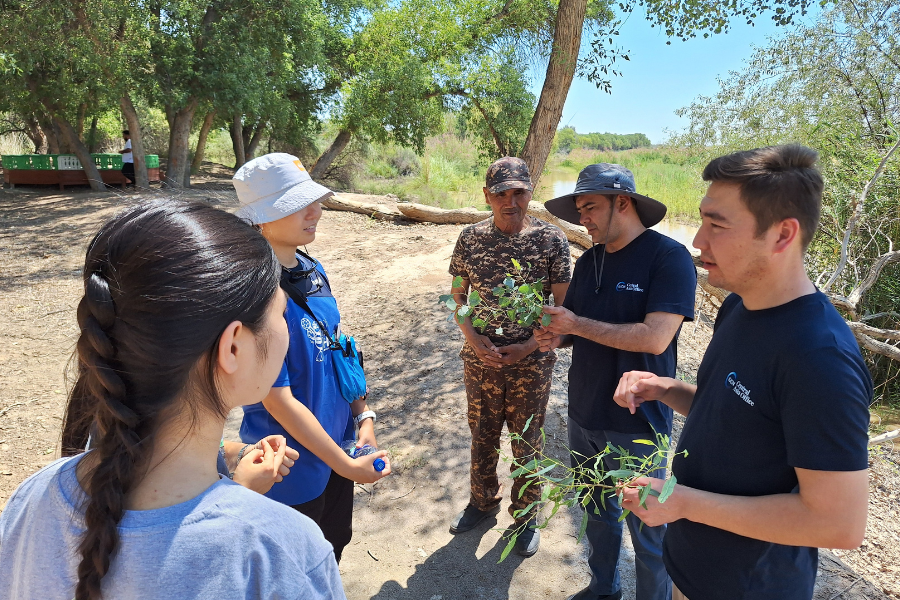
In Kashkadarya, Khorezm and the Republic of Karakalpakstan, local communities are helping turn…
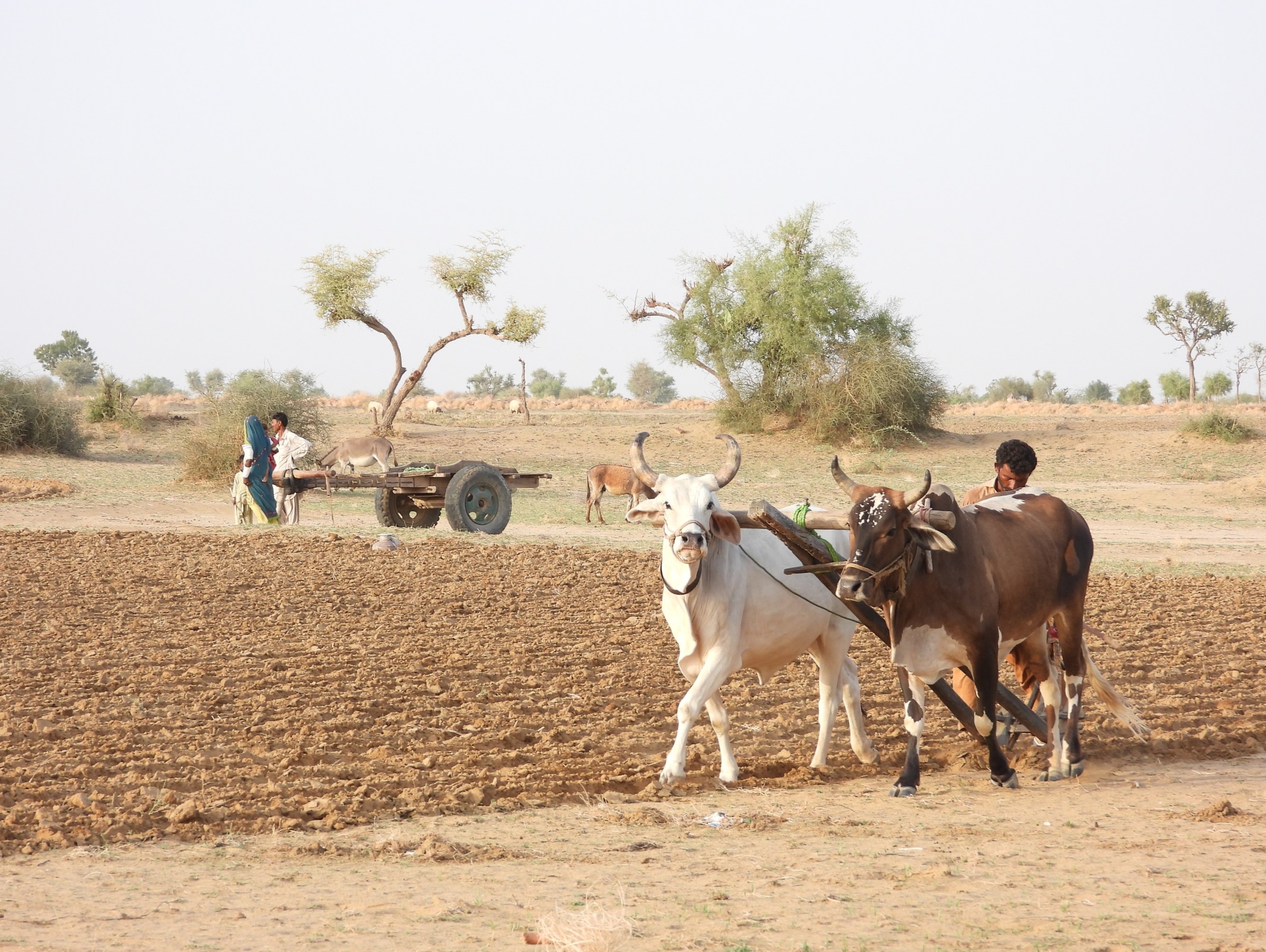
The third in a five-part series, this webinar brought together speakers from across West and…

This week, the Yerevan Municipality hosted the inaugural ceremony marking the establishment of the…