How can women's leadership, the recognition of cultural diversity, and cooperation between territories contribute to more inclusive and sustainable governance of shared waters at the local level? That was the central question addressed by the binational gathering "Women Leaders of Titicaca: Governance Achievements," held on July 17 and 18, 2026, in Puno, Peru.
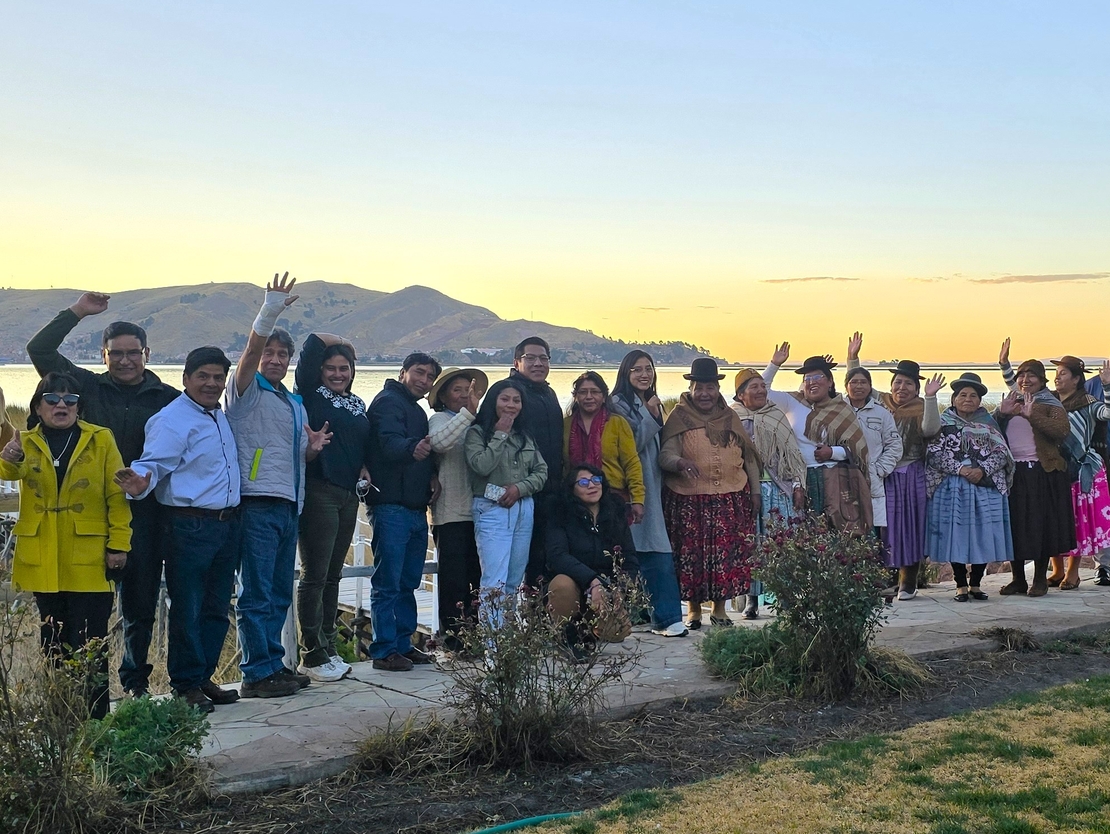
The event marked the culmination of a process of organizational, technical, and advocacy strengthening carried out during the fifth phase (2022–2026) of the BRIDGE project, "Building Dialogues for Good Water Governance," implemented by the International Union for Conservation of Nature (IUCN) with funding from the Swiss Agency for Development and Cooperation (SDC), and with the support of Agua Sustentable (an IUCN member) as its on-the-ground partner.
A Path of Strengthening in Defense of Lake Titicaca
For more than a decade, BRIDGE has promoted cooperation and governance of transboundary waters in South America, building capacities, facilitating dialogue among stakeholders, and creating favorable conditions for the sustainable management of shared basins. Within this framework, one of the most notable results has been the strengthening of women's leadership in the protection and management of water resources, in recognition of their historic role in this field.
In the Lake Titicaca basin, IUCN has, since 2017, supported women leaders through training and capacity-building processes related to water governance, water quality monitoring, climate change adaptation, and ecosystem conservation. Thanks to this work, the leaders themselves have driven environmental monitoring campaigns, clean-up efforts, and community actions to protect the lake.
During BRIDGE's fifth phase, this support focused on strengthening women's organizational structure and consolidating their advocacy capacity, driving a participatory process that culminated in the formal establishment of the Association of Women United for the Defense of the Lake Titicaca Basin, "LIDERESAS," through the granting of its legal status. This achievement represents a fundamental step toward strengthening their representation, consolidating local governance, and expanding their capacity to act in defense of water resources and the territories they inhabit.
Transboundary Governance with a Gender and Intercultural Approach
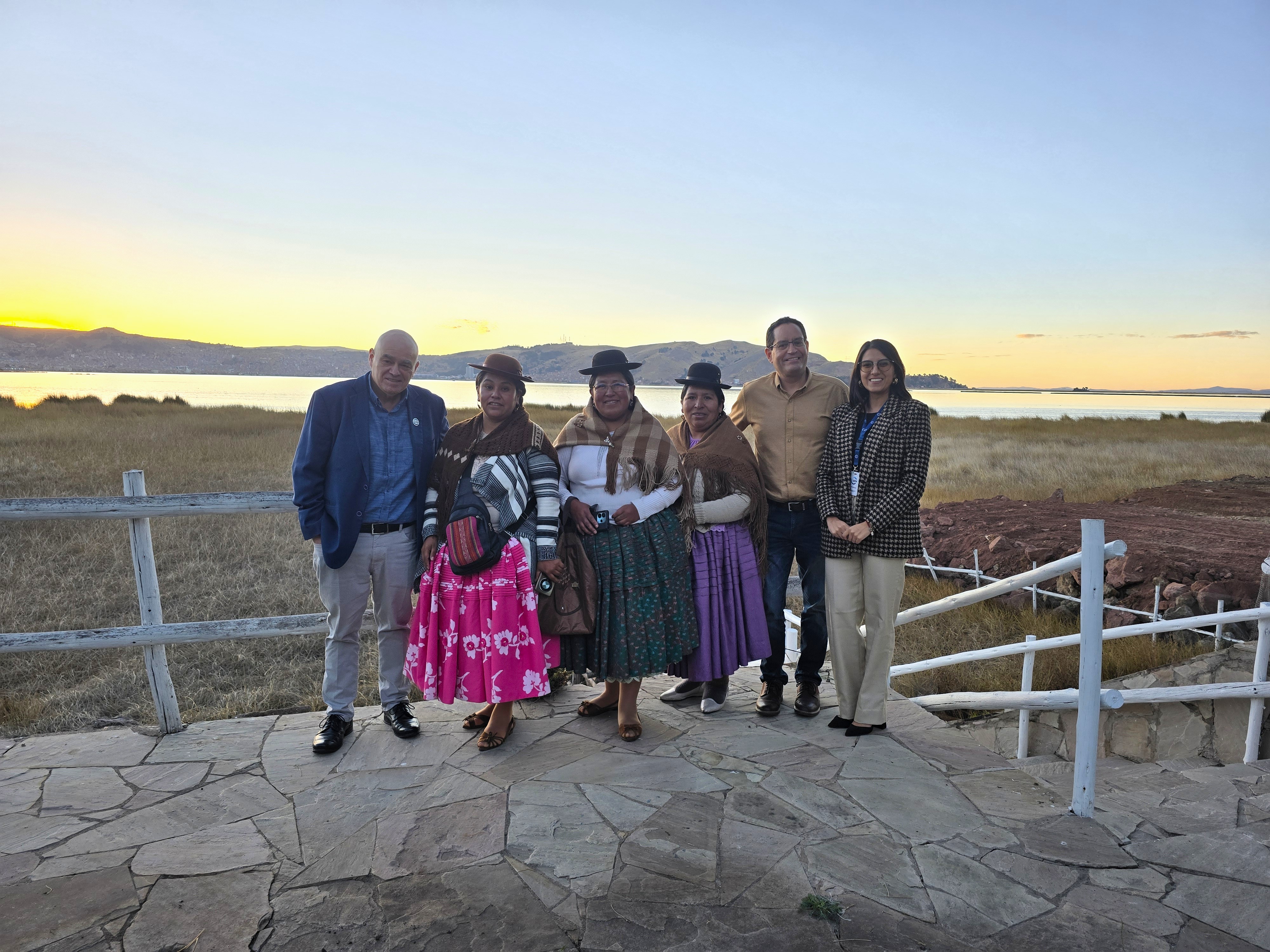
The experience of Lake Titicaca's women leaders reflects BRIDGE's commitment to promoting water governance processes that recognize the diversity of stakeholders present in shared territories and strengthen their participation in decision-making.
In a basin where peoples, cultures, and ways of life closely tied to water converge, strengthening women's leadership also means recognizing ancestral knowledge, community practices, and territorial perspectives that enrich the sustainable management of water resources. In this way, the gender and intercultural approach promoted by BRIDGE helps build governance processes that are more equitable, inclusive, and representative, capable of responding to the environmental and social challenges facing Lake Titicaca.
Tools to Strengthen Collective Action
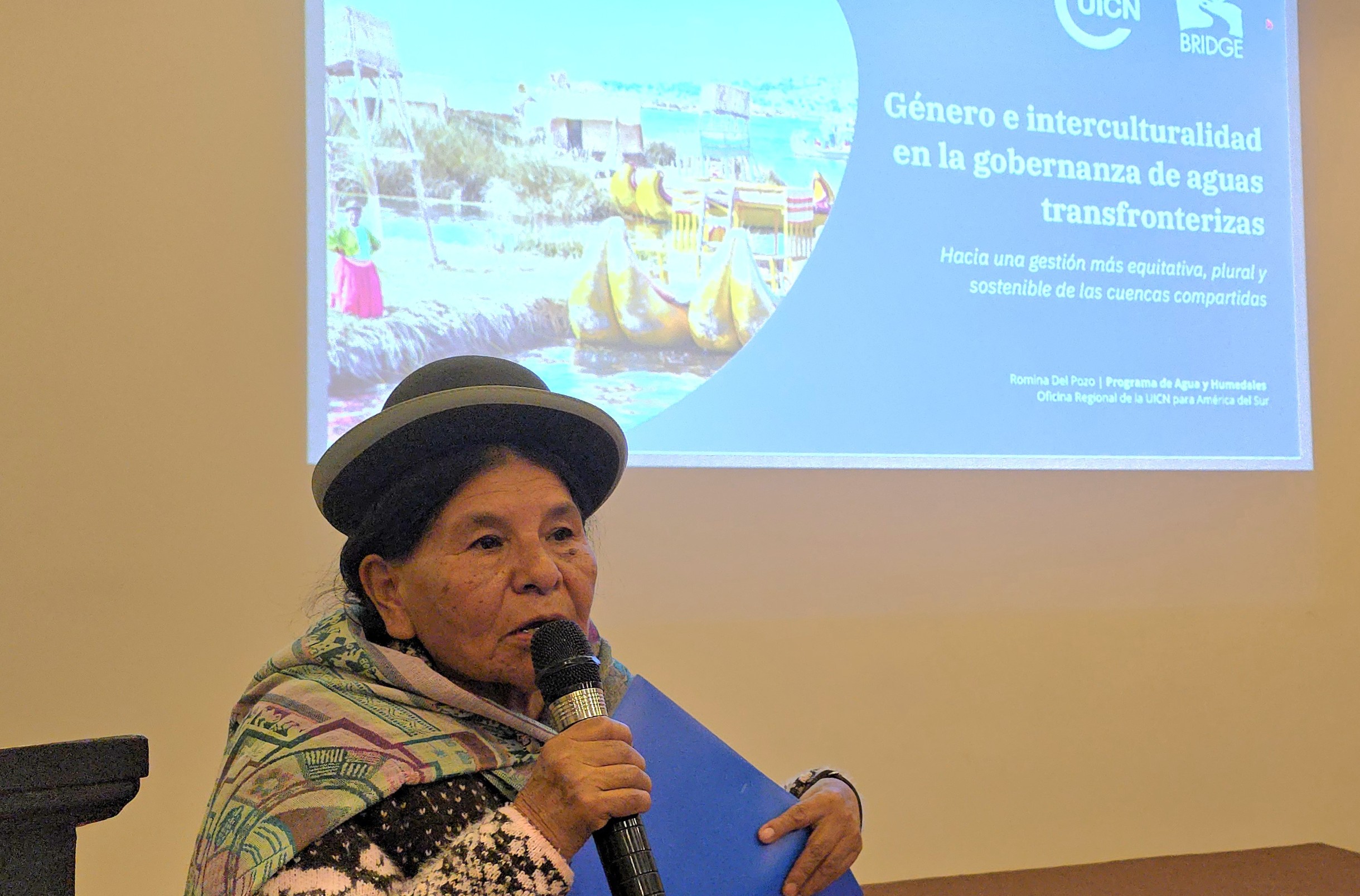
As part of the event, certificates were presented to the association's governing committee, along with a recognition issued by the municipal government of Copacabana, Bolivia, to the association's representative in Peru, acknowledging the binational nature of the basin. The main results and tools developed during the strengthening process led by BRIDGE with the support of Agua Sustentable were also shared. These include the Guide for Repopulating Native Fish Species of Lake Titicaca – Bolivia, aimed at strengthening local capacities for the conservation of native species and the sustainable management of the lake, and the Binational Strategic Action Plan of the Network of Women United for the Defense of the Water of Lake Titicaca, built collectively to guide the joint work of women leaders from Bolivia and Peru.
The results of paralegal training sessions conducted with the leaders were also presented, along with Yanapa Red, an artificial intelligence application that allows users to report cases of pollution in Lake Titicaca and receive guidance on the legal procedures available to address them.
One of the most significant moments of the gathering was the validation of the Binational Strategic Action Plan, an instrument that will strengthen coordination between women's organizations in Bolivia and Peru and help consolidate a shared vision for the protection of Lake Titicaca and its water resources. This validation was sealed with the signing of a binational agreement, in which the leaders present committed to the priority actions they will carry out in the short term as an autonomous association.
Women Building Bridges for Water Governance
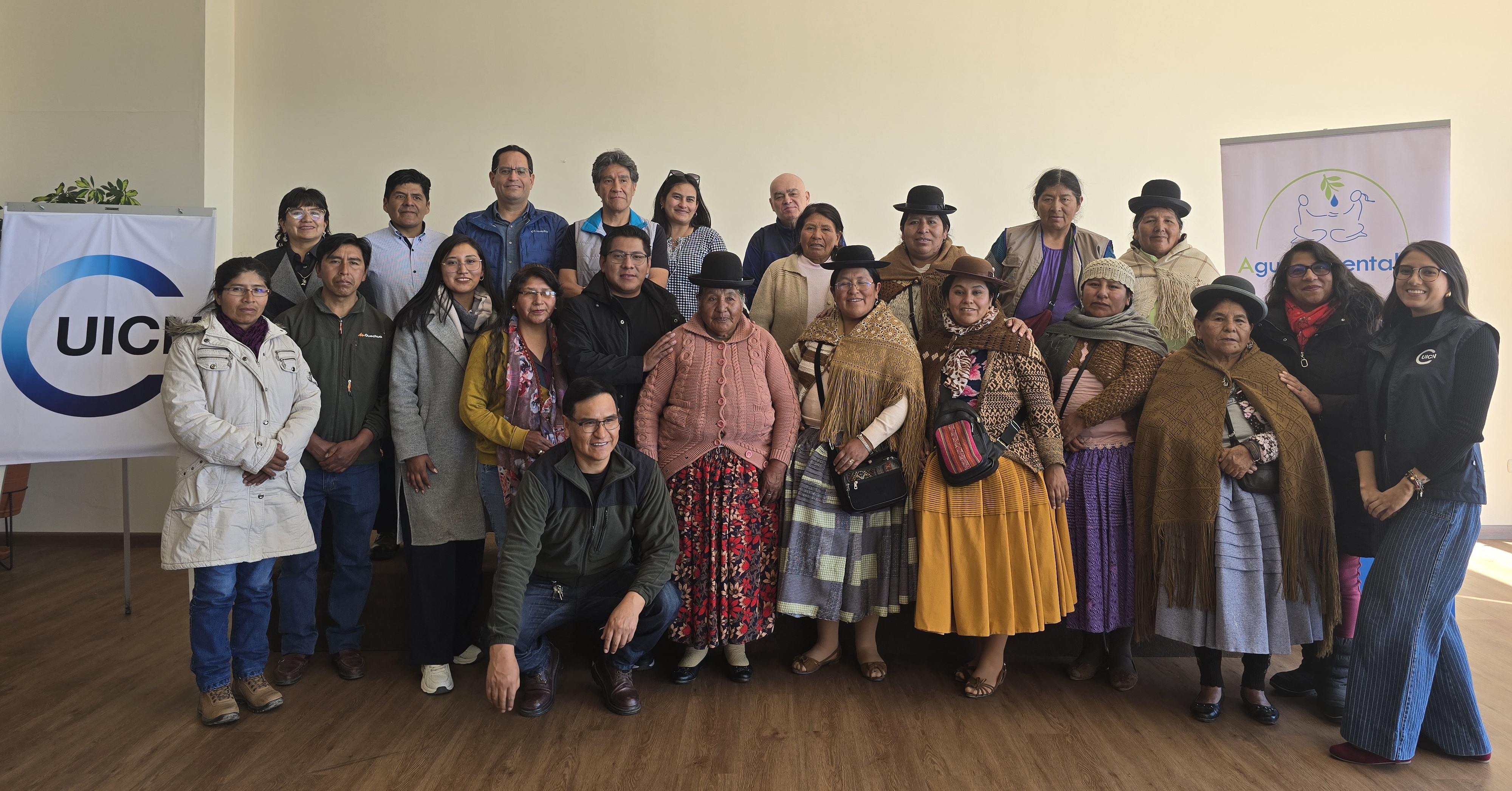
The event brought together nine women leaders representing the association in Bolivia and four women leaders representing the network in Peru, who exchanged experiences, identified common challenges, and reaffirmed their commitment to defending Lake Titicaca. More than a closing meeting, this gathering was an opportunity to strengthen cooperative ties, forge new alliances, and plan joint actions for the future.
The experience of Lake Titicaca's women leaders is an inspiring example of how transboundary cooperation can be built from the territories themselves and from the people who live daily alongside shared water resources. It also shows that women's active participation is essential to driving sustainable solutions, strengthening local governance, and promoting more inclusive water management over the long term.
Through initiatives like this one, BRIDGE continues to contribute to strengthening the governance of transboundary waters in South America, promoting dialogue, cooperation, and the construction of a shared vision for sustainable water management—one in which gender equality, interculturality, and the effective participation of communities hold a central place.


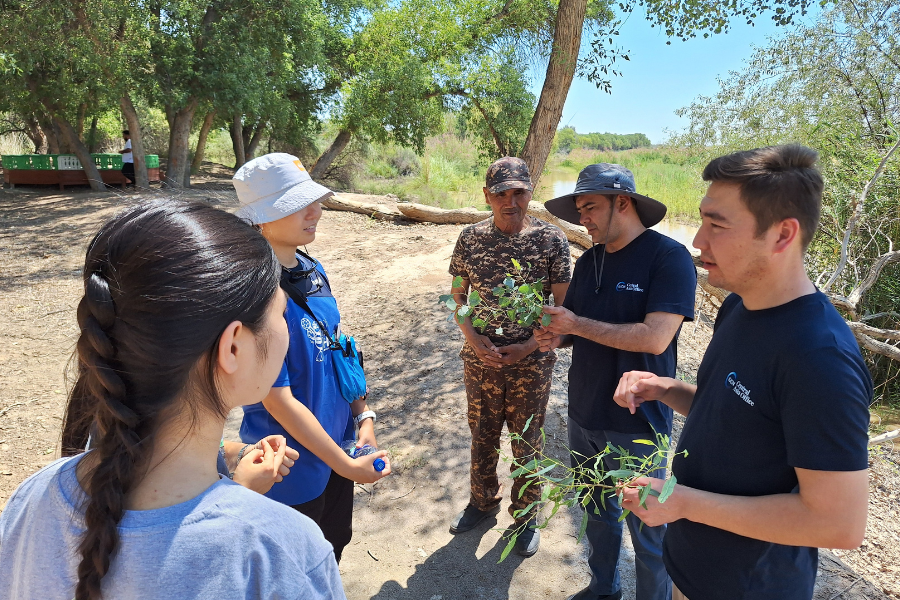
In Kashkadarya, Khorezm and the Republic of Karakalpakstan, local communities are helping turn…
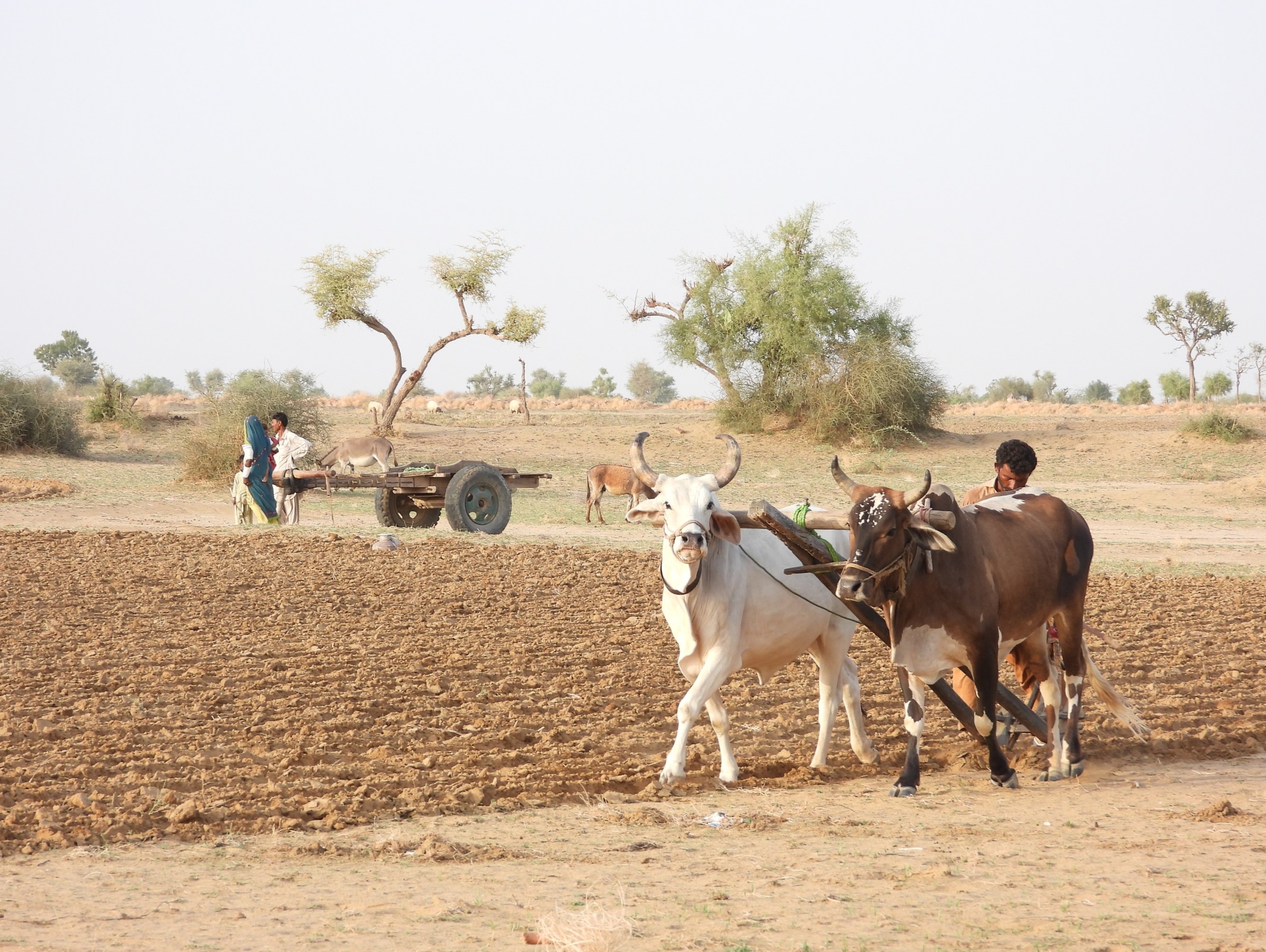
The third in a five-part series, this webinar brought together speakers from across West and…

This week, the Yerevan Municipality hosted the inaugural ceremony marking the establishment of the…