CSS Macaronesia - Loro Parque Fundación

Based on Tenerife Island, the Center for Species Survival Macaronesia (CSSM) was established in 2022. This Center aims to assess the current situation of biodiversity in Macaronesia, a geographical region that comprises five archipelagos in the Atlantic Ocean: the Azores, Madeira, the Selvagens Islands, Canary Islands, and Cape Verde. This region is a biodiversity hotspot with a large number of endemic species, and therefore important for conservation strategies and priorities.
The Center for the Survival of Species Macaronesia (CSSM) in partnership with the IUCN Species Survival Commission (SSC) and Loro Parque Foundation (LPF) aims to provide assessment, planning and action for species conservation in the biogeographic region of Macaronesia. This region is a biodiversity hot spot with a high level of endemism in flora and fauna. From a marine perspective, is characterized by the Canary Current Large Marine Ecosystem (CCLME). The CCLME is one of the four major upwelling systems in the world and creates 8% of the primary production in the world ocean. This primary production supports many species of marine mammals, fishes and birds and other organisms. All these characteristics make Macaronesia a key region of great importance for the conservation of both marine and terrestrial organisms.
Since Macaronesia is made up of 5 archipelagos belonging to different countries, coordinated actions are necessary to generate effective conservation plans at the regional level. It is there that the CSSM aims to serve as a driving force for conservation in the Region.
The CSSM plans to collaborate with other CSS, NGOs, Zoos, regional governments, communities and other stakeholders related to the conservation of species to influence the creation of favourable policies for the survival of the species.
Since the Center was created this 2022, the first step was to review the assessments carried out by IUCN to understand the extinction risks of species in Macaronesia. The CSSM is also focused on obtaining information regarding species that are yet to be assessed and species that lack adequate protection by the government authorities despite the threat to their survival.
The review of the assessments carried out by IUCN, reports 3447 species globally assessed in Macaronesia since 1996. Eleven species have gone extinct and 734 species are under threat: 243 species are Critically Endangered, 256 are Endangered and 235 are Vulnerable. Plants are the most threatened group as they represent 38% of Critically Endangered and 44% of Endangered species. Arthropods are the second most threatened group, 1216 species (35%) are Macaronesian endemism, of which 542 species (45%) are under threat. However, the extinction risks and the groups under threat vary within the region, highlighting the uniqueness of the archipelagos and the importance of their conservation. In this sense, the CSSM aims to promote the partnership between the different institutions to ignite the conservation efforts in Macaronesia.
Focusing on the Canary Islands, the IUCN has categorised 208 species in danger of extinction (Critically Endangered and Endangered categories). However, there is a 72% discrepancy and a 28% concordance between the categories given by the IUCN Red List and the Canarian catalogue of protected species. Besides, there are 17 species that, despite being listed as endangered by the IUCN and the Canary Islands Government (concordance), do not have recovery and/or conservation plans.
Supporting the Species Conservation
1
Conduct IUCN Red List assessments for species in Macaronesia and Spain
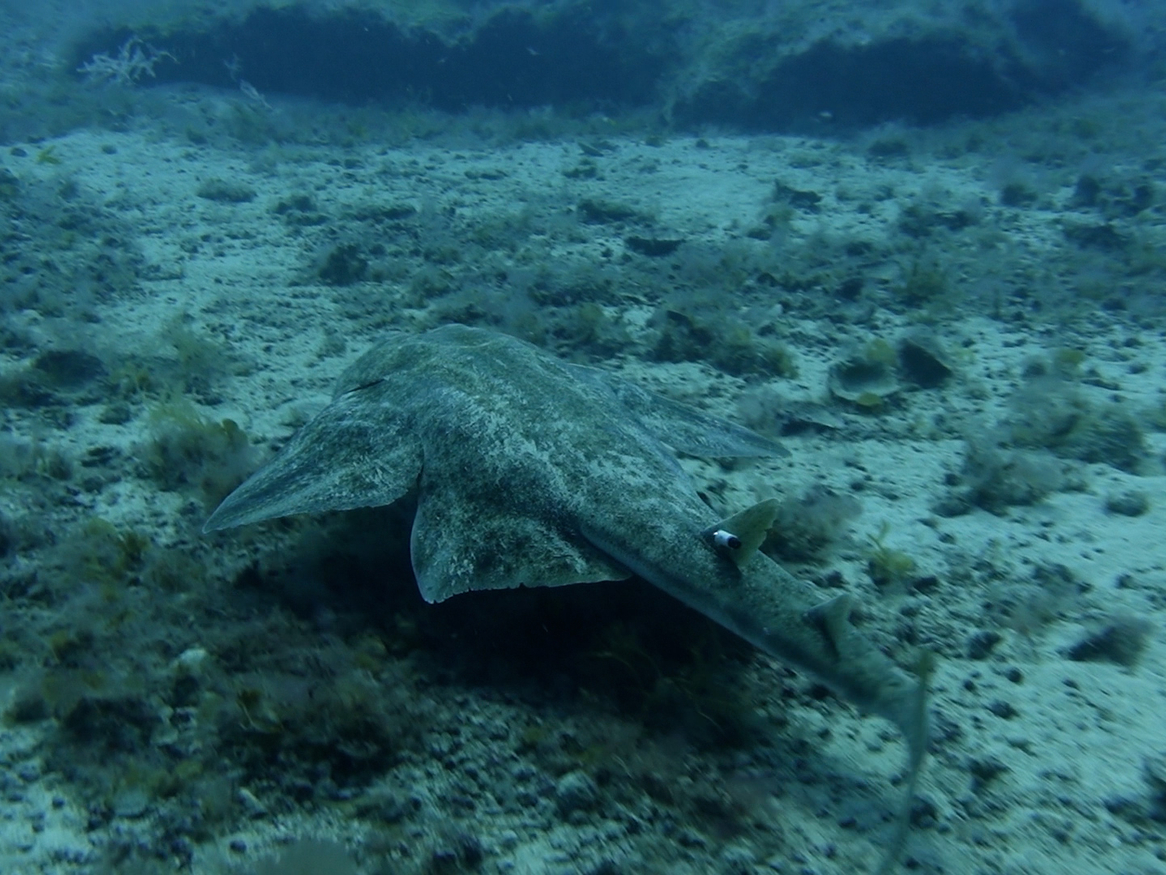
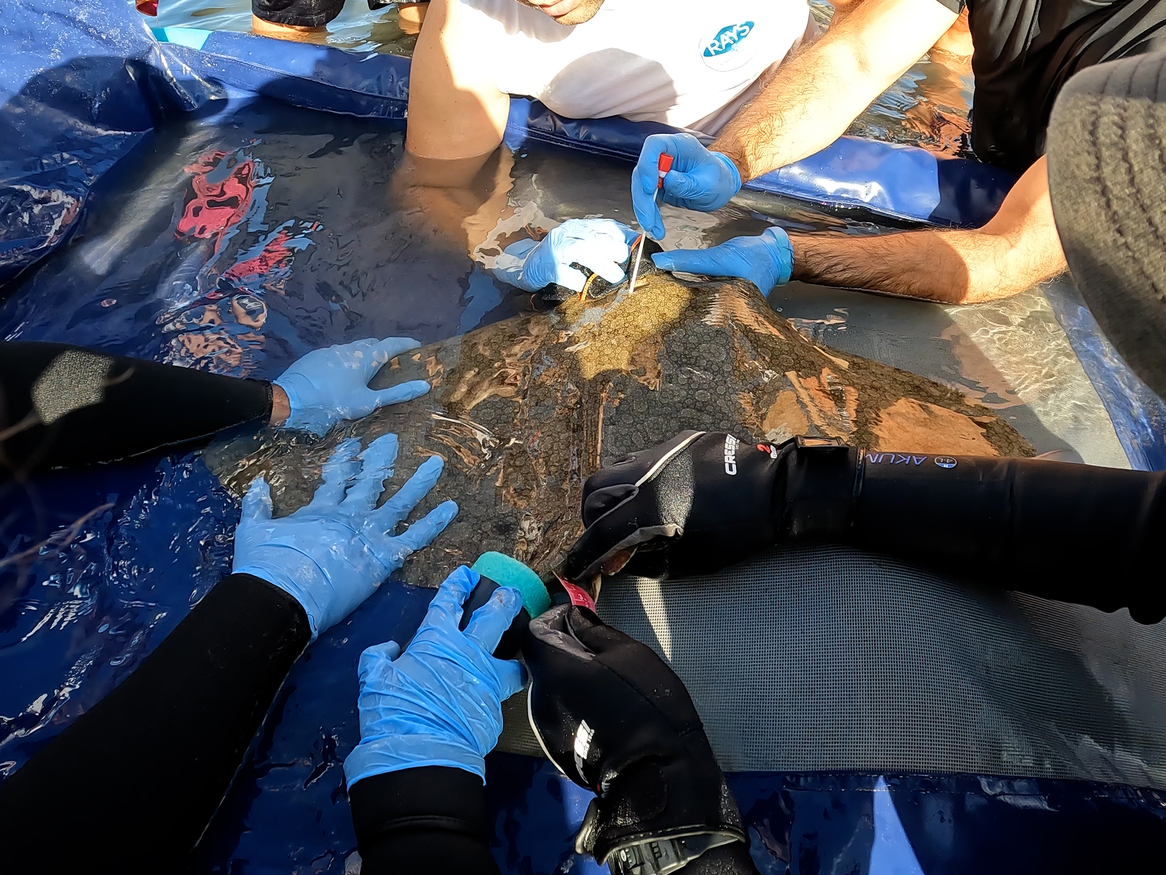
To understand the extinction risks of species in Macaronesia, the first step of the CSSM was a review of the assessments carried out by IUCN. Over the following years, data collection and reassessment of species have been carried out in collaboration with National Specialists and the University of La Laguna (ULL). Several taxa, including Canary arthropods and snails as well as Galeorhinus galeus, Squatina squatina, and Gymnura altavela, were reassessed through field campaigns and conservation workshops coordinated by the center via CanBIO. This work represents a significant step towards planning targeted conservation actions and the allocation of financial resources.
In parallel, studies on endemic species from the Canary Islands have been proposed for inclusion in the Green List. Currently, SSC Macaronesia is participating in Reverse the Red movement supporting strategic conservation projects and reintroduction of threatened wild parrots such as yellow-eared parrot (Ognorhynchus icterotis), grey-breasted parakeet (Pyrrhura griseipectus) and Lear’s Macaw (Anodorhynchus leari).
2
Collaborate in the creation of the Marine Biodiversity Sanctuary in Macaronesia
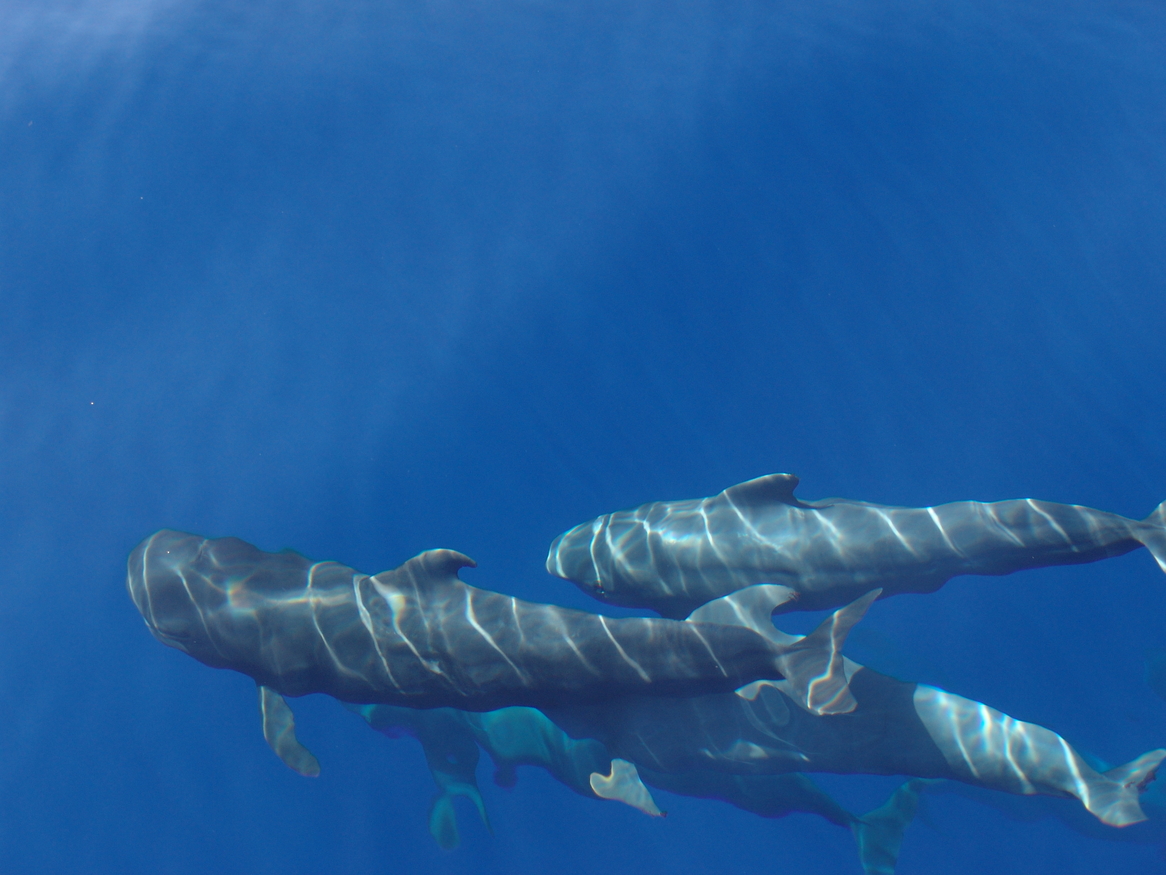
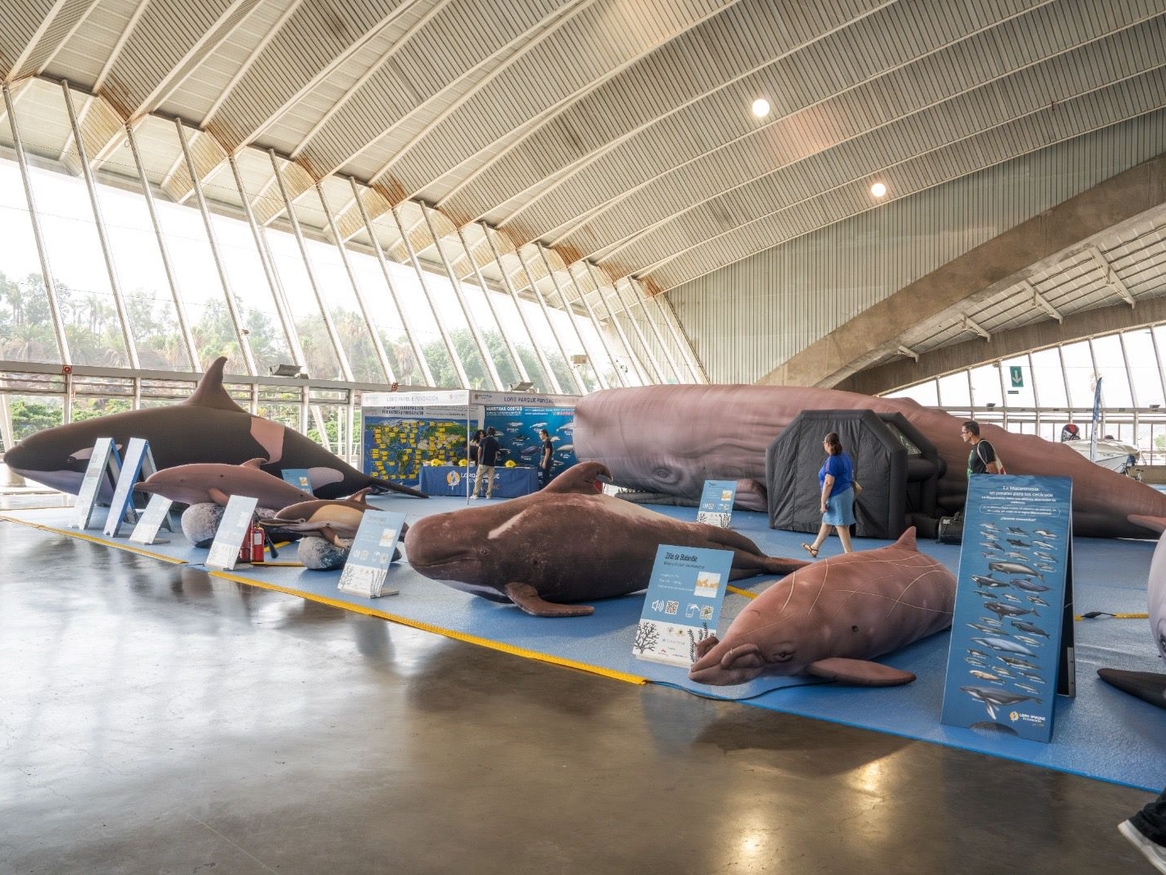
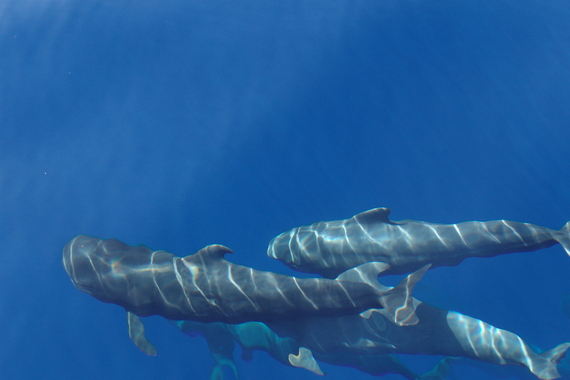
The Canary Current Large Marine Ecosystem (CCLME) is one of the world's major upwelling systems and accounts for 8% of global primary production. It supports numerous species and local communities, making its conservation essential for the sustainability of the ecosystem.To achieve it, SSC Macaronesia is collaborating in the establishment of a marine sanctuary and in the extension of the moratorium on sonar in this region. The Manifesto for marine biodiversity in Macaronesia was developed in collaboration with all Macaronesian universities.
Moreover, a network among islands has been supported along with the acquisition and organization of materials for stranded cetaceans, providing not only the necessary equipment but also the training for responsible personnel.
3
Engagement and Educational conservation initiatives
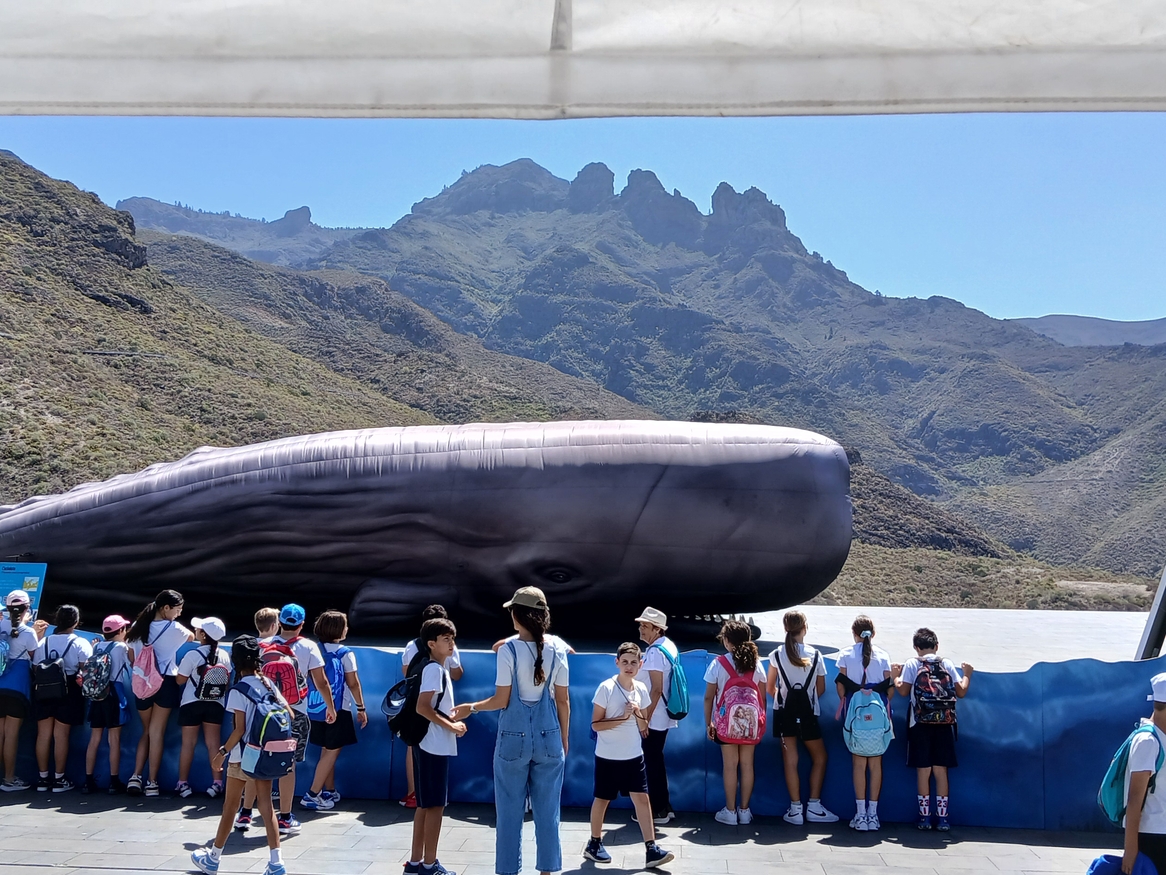
Strengthen the CSSM’s conservation impact by expanding partnerships with government authorities, zoos, aquariums, specialist groups, academic institutions, and communities; supporting staff capacity building; contributing to IUCN SSC-led conservation initiatives; promoting the establishment of the NSSG in Spain; participating in key IUCN SSC and Reverse the Red events; maintaining active communication across SSC networks; and increasing the visibility of conservation efforts through collaboration, multilingual publications, stakeholder engagement, and media outreach.
Meet our team
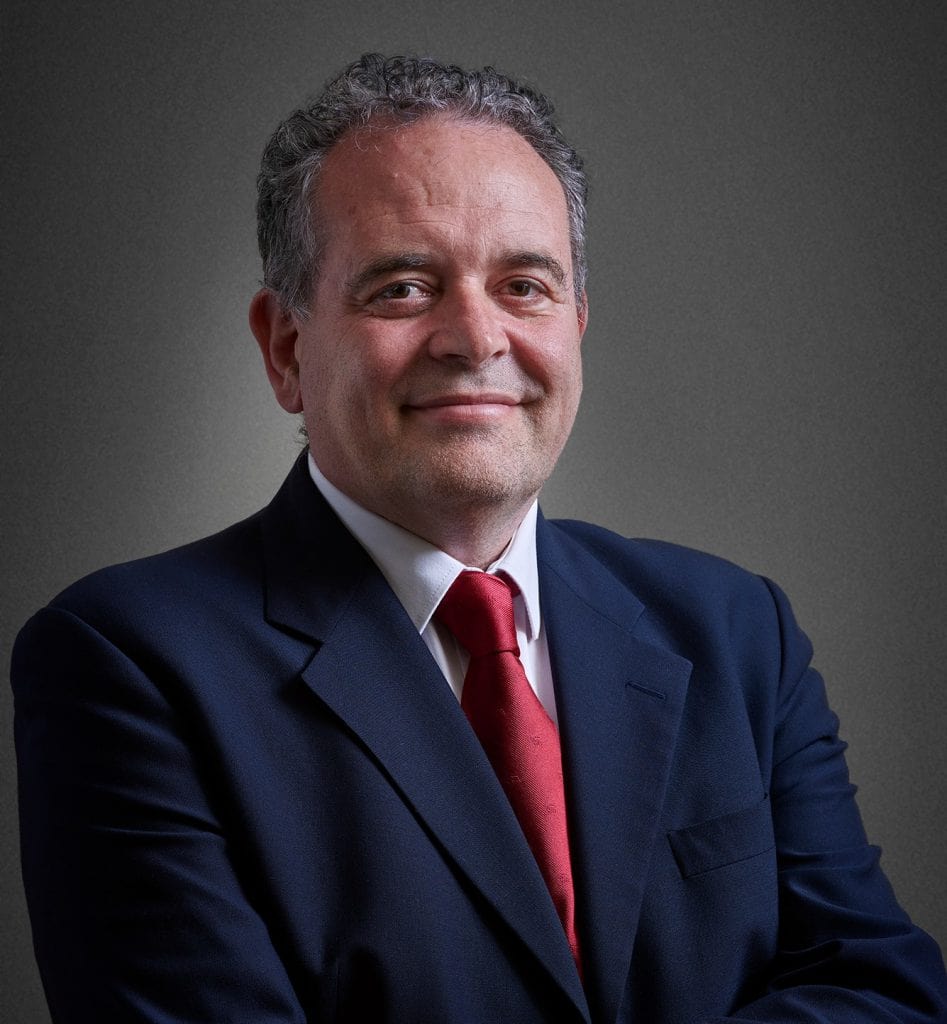
Javier Almunia
Director
PhD in Marine Science from the University of Las Palmas de Gran Canaria. He is currently the President of the Iberian Association of Zoos and Aquariums (AIZA) and an Assistant Professor at the University of La Laguna. He worked as Director of Loro Parque Fundación, a non-profit organization where he led international programs of marine conservation, biodiversity monitoring, and environmental education focusing on the well-being of cetaceans, bioacoustics, and impacts of climate change. Author of more than 40 scientific articles and 70 congress communications, and has contributed to the advance of best practices in animal conservation, welfare, and education.
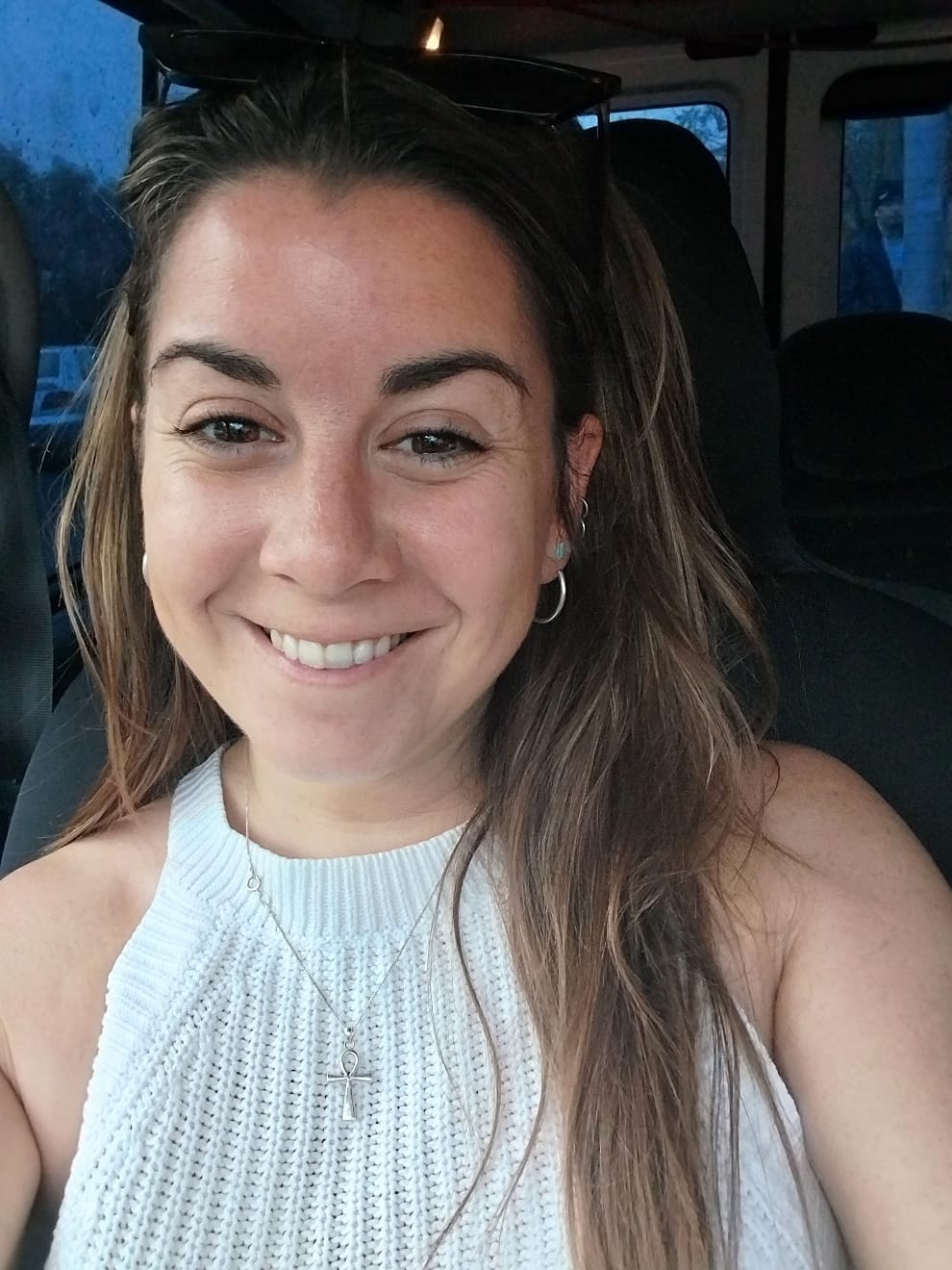
Lara Martinez
Species Survival Officer
Part of the Center for Species Survival Macaronesia (CSSM) team since 2025, working as a Species Survival Officer. The role focuses on the assessment and conservation of endemic species in the region, coordinating technical workshops for the reassessment of species on the IUCN Red List and facilitating collaboration among experts, universities, and public administrations. Work closely with IUCN SSC specialist groups and researchers from several universities, including the University of La Laguna, on the reassessment of Red List species present in the Canary Islands. In addition, contributes to strategic initiatives such as the creation of a marine biodiversity sanctuary in Macaronesia and the strengthening of cooperation networks with public administrations, scientific institutions, and the zoo and aquarium sector.
EXPERTISE: Species conservation action, Species conservation science

Celine García
Species Survival Officer
A biologist graduated from the University of La Laguna, with a strong interest in biodiversity conservation. She has previous experience in plant conservation projects working with protected endemic species. She recently joined the Center for Species Survival Macaronesia (CSSM) team as a new member. Her responsibilities include the reassessment of species for the IUCN Red List, supporting project management and coordination, and collaborating with national and international experts. She also contributes to the preparation of technical reports and to strategic initiatives such as the marine biodiversity sanctuary in this region.
EXPERTISE: Species conservation action, Species conservation science
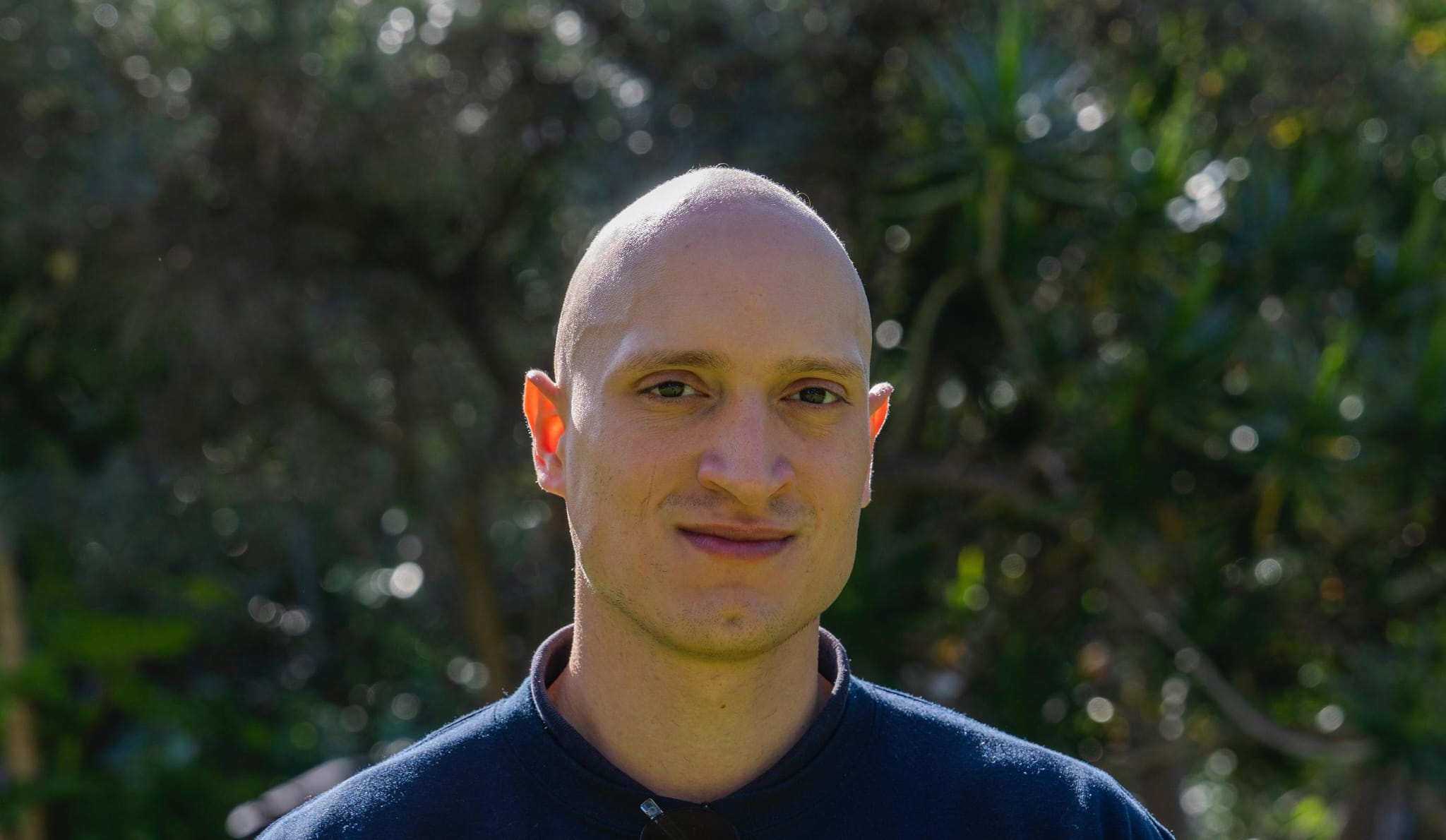
Yusef Amaioua
Communication Officer
Journalist graduated from the University of La Laguna, specializing in corporate communications. He has managed communications for the CSSM since its inauguration in 2022. In addition, Amaioua has been part of the Communications Department of the Loro Parque Group and Loro Parque Fundación for over four years, raising awareness of the biodiversity conservation work carried out by both organizations. His responsibilities include managing media relations, creating content for the official channels of these institutions, and developing strategic communications plans, among others.