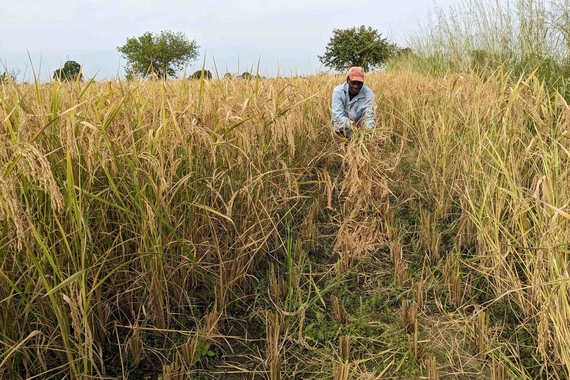
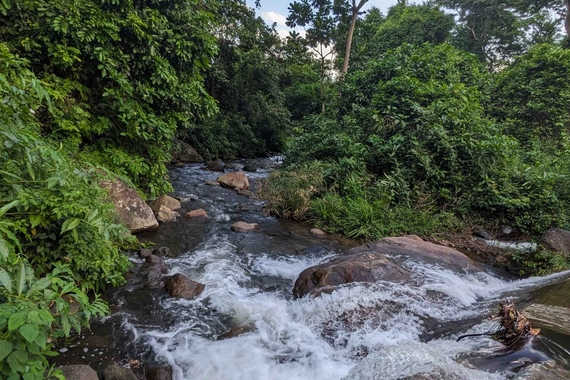
Tanzania is among Africa’s most ecologically diverse countries, with globally significant terrestrial, freshwater, and marine ecosystems. These systems support livelihoods, economic activity and regional climate regulation. Ongoing pressures from land-use change, biodiversity loss, and climate change position Tanzania as a priority country for IUCN’s conservation and sustainable development interventions.
In Tanzania, IUCN is dedicated to preserving and restoring the natural environment by aligning our efforts with the country's national development strategies and environmental priorities. Our work is focused on addressing critical challenges such as rapid land use changes, biodiversity loss and the impacts of climate change. Through science-based partnerships, we influence progressive policies that enable sustainable and climate-resilient natural resource management that align with national development priorities.
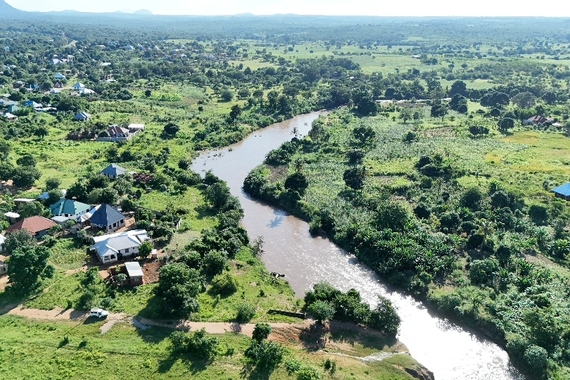
For over 30 years, IUCN Tanzania has partnered with local and international stakeholders to implement large-scale, impactful projects, driving positive change and fostering a harmonious relationship between people and nature through programs implemented across priority landscapes such as the Southern Agricultural Growth Corridor of Tanzania (SAGCOT), the Great Lakes region, transboundary river basins, the northern Acacia–savannah systems, the southern Miombo woodlands, and coastal and marine seascapes. Our vision is a future where Tanzania’s natural heritage is valued, protected, and thrives, contributing to the well-being of its people and the health of the planet.
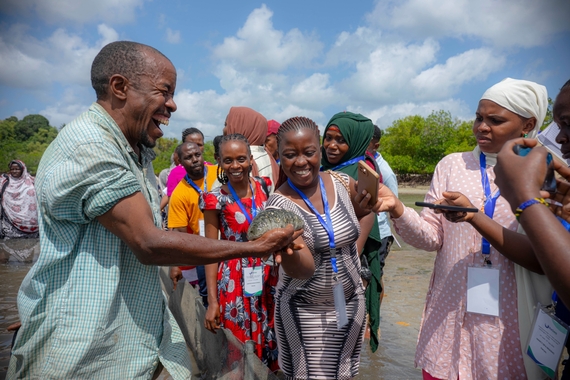
Our work includes safeguarding the unmatched mosaic of ecologically significant conservation areas; securing viable populations of the country’s unique and iconic species, reconnecting high-value watersheds and basin ecosystems. We support the restoration of forest, grassland and coastal ecosystems while harnessing the potential of the blue economy and building capacity for locally led and inclusive conservation.
IUCN Tanzania has contributed to nationally significant conservation outcomes through the introduction and institutionalization of Integrated Coastal Zone Management approaches, support to the establishment of Tanzania’s first marine parks, and the advancement of transboundary water and ecosystem governance. Its work has strengthened community-based natural resource management and informed national policies on biodiversity conservation, climate change, water resources, and coastal governance, while promoting integrated approaches that link ecosystem conservation with livelihoods and climate resilience.
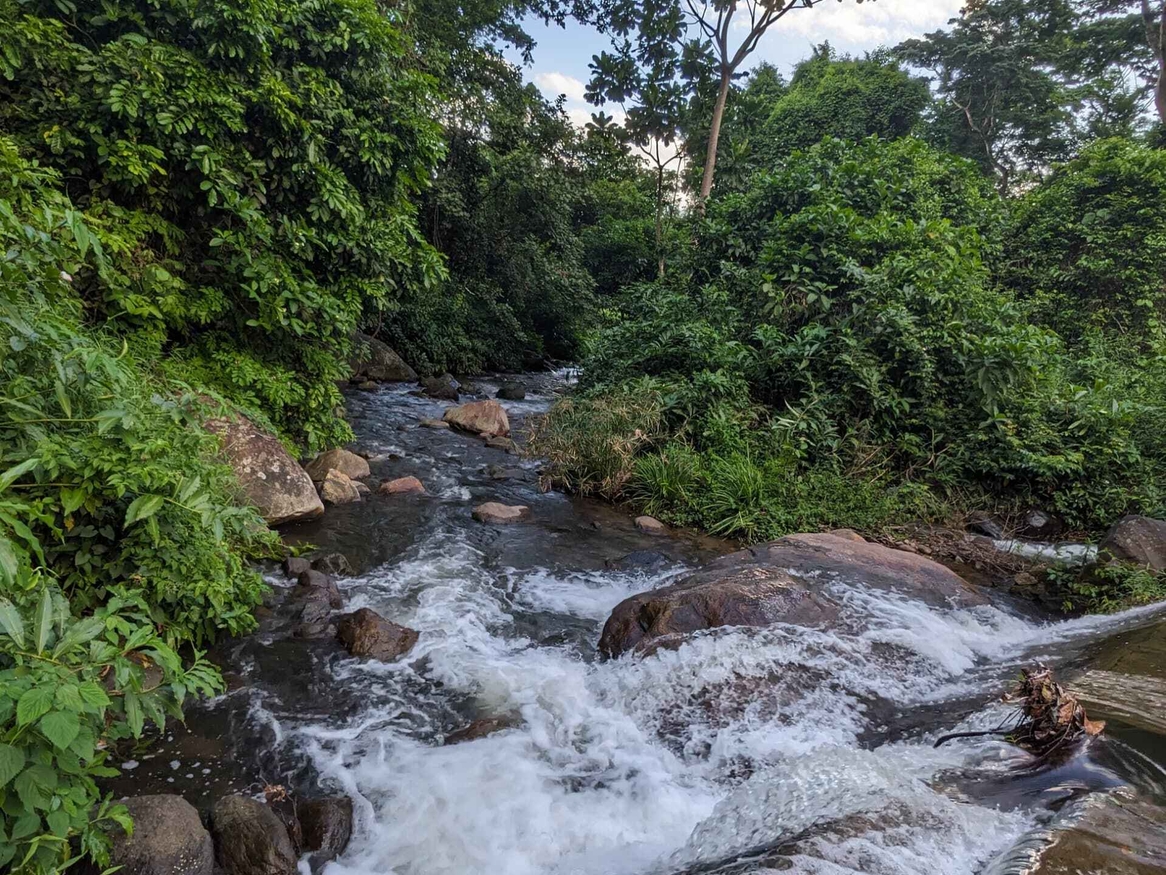
The Freshwater Challenge (FWC) is a country-led initiative that aims to support, integrate and accelerate the restoration of 300,000 km of degraded rivers and 350 million hectares of degraded wetlands by 2030, as well as conserve intact freshwater ecosystems. 50+ countries and the European Union have joined the Freshwater Challenge so far.
IUCN is one of the core partners of the Freshwater Challenge, and the Executing Agency responsible for implementing the GEF-8 project: Freshwater Challenge: Accelerating Restoration and Conservation of Freshwater.
Our Mission
IUCN's Mission in TanzaniaThe mission for the IUCN Tanzania programme is to support the realization of a healthy and resilient environment that sustains the social, economic aspirations of the people of Tanzania.
Our Objectives
Objectives for IUCN in Tanzania- Conservation of critical natural habitat.
- Facilitating coastal and ocean resilience management in vital seascapes.
- Supporting integrated water resources management plans and initiatives.
- Capacity building for climate change adaptation and mitigation across sectors.
- Fostering sustainable land management in agriculture, rangelands & forest landscapes


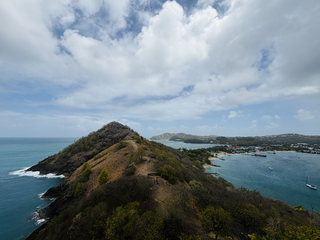


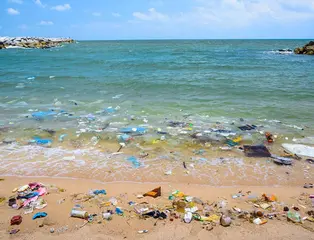





Photo: IUCN Tanzania
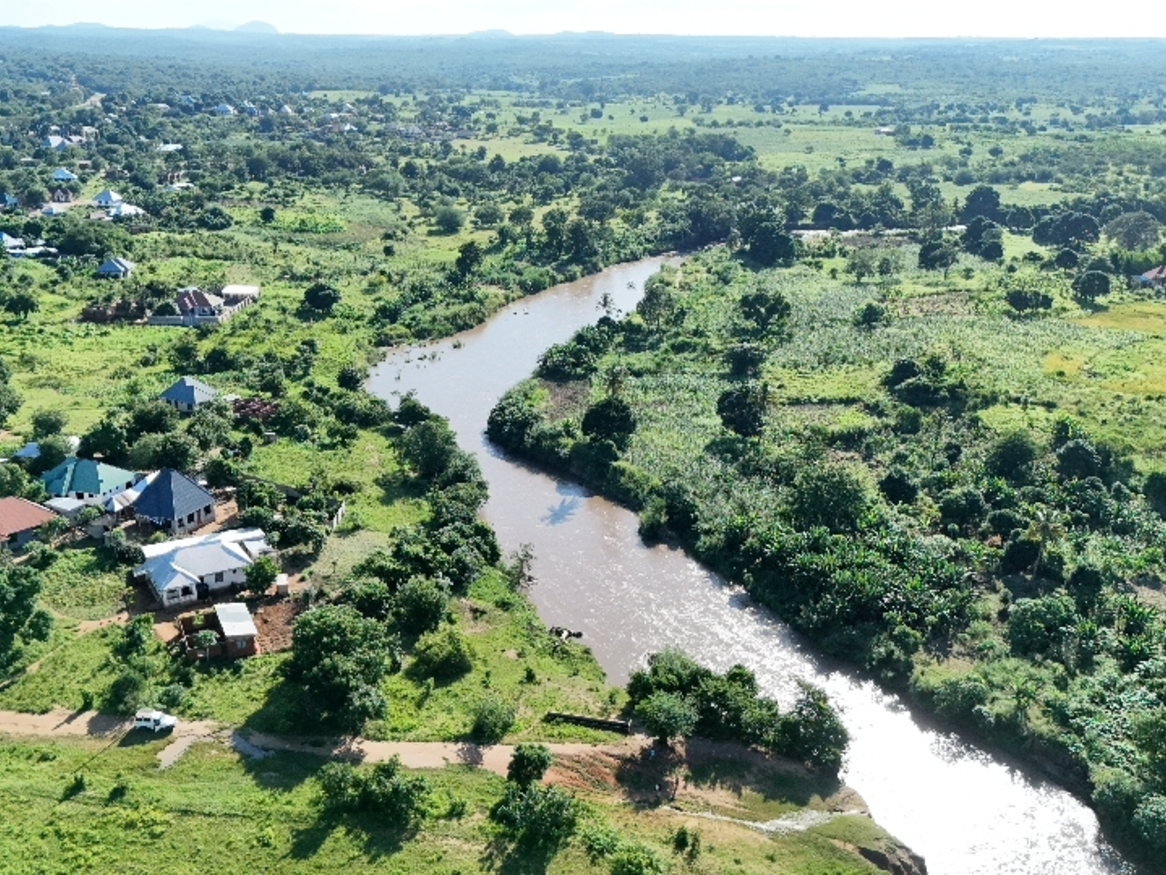
Photo: ReSea Project
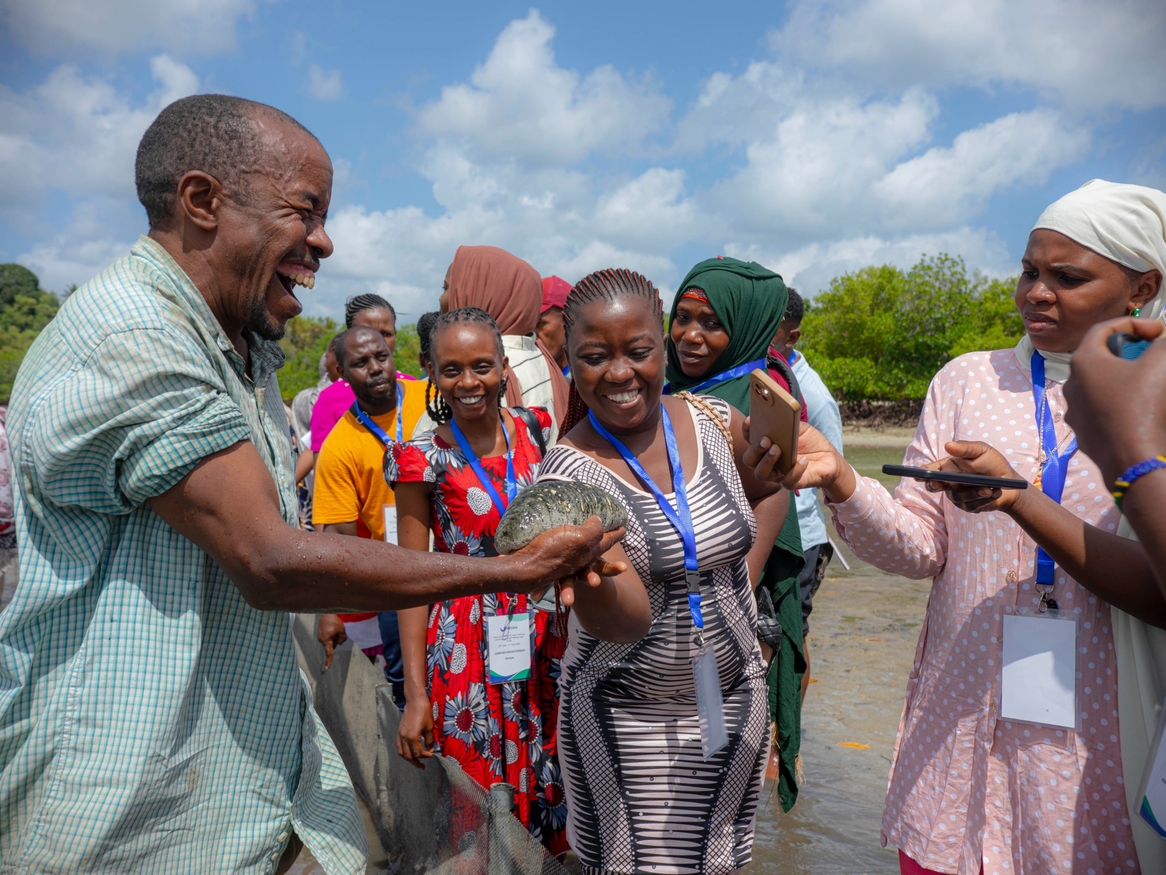
Photo: Filbert Minja
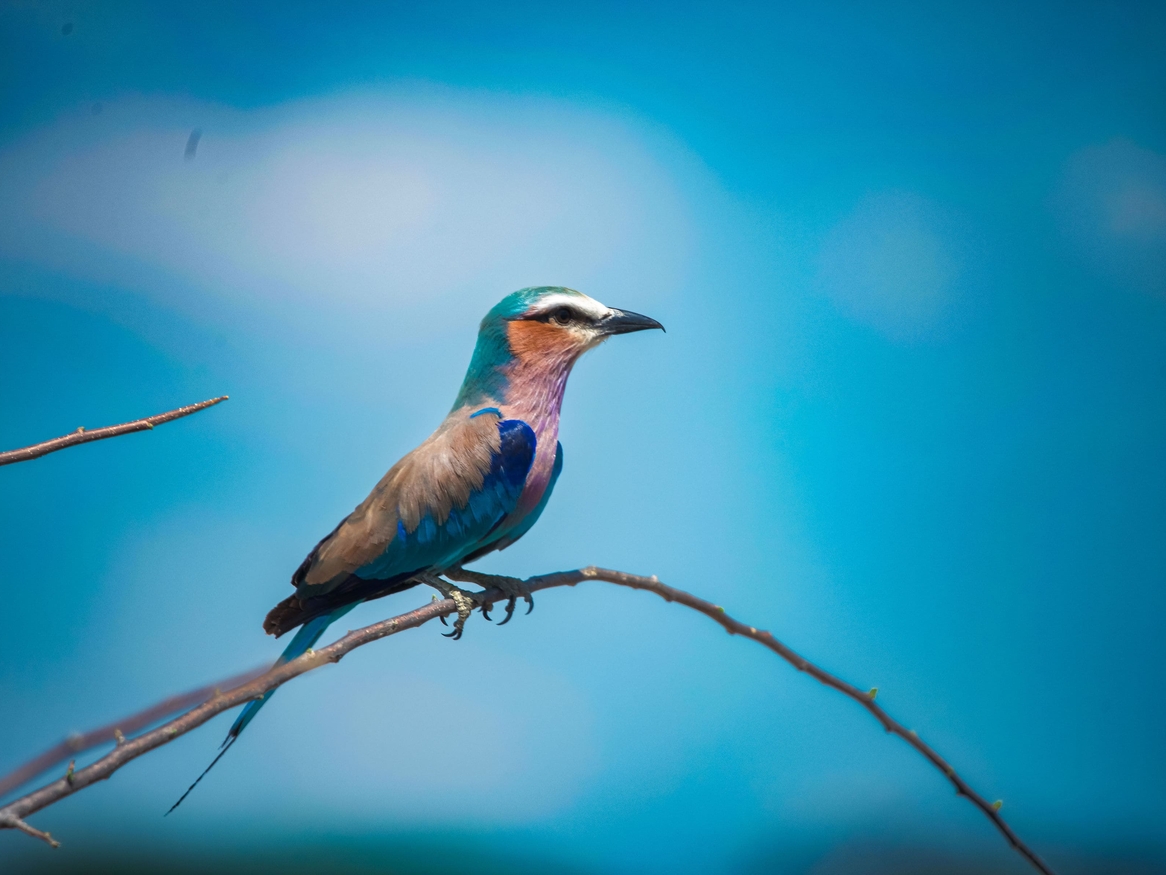
Photo: Suzan Danda
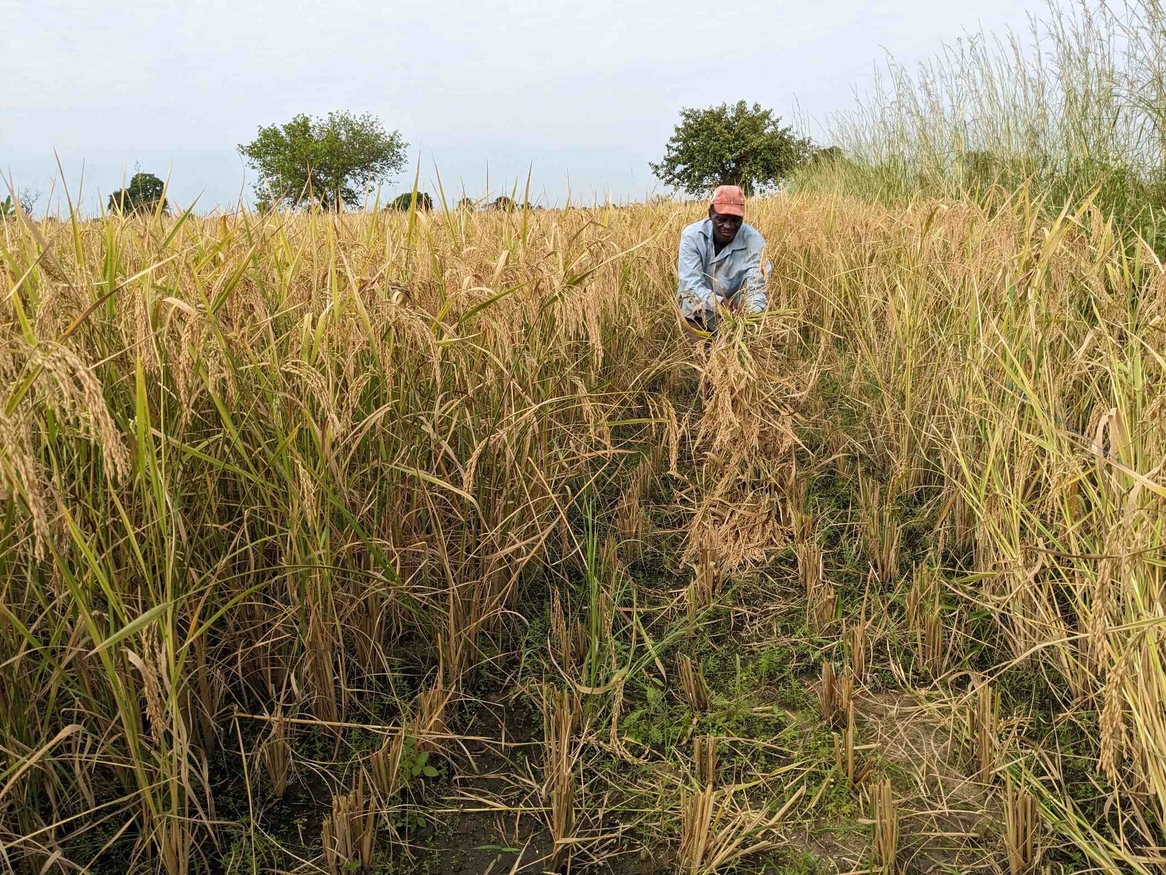
Photo: TRI Project/IUCN Tanzania
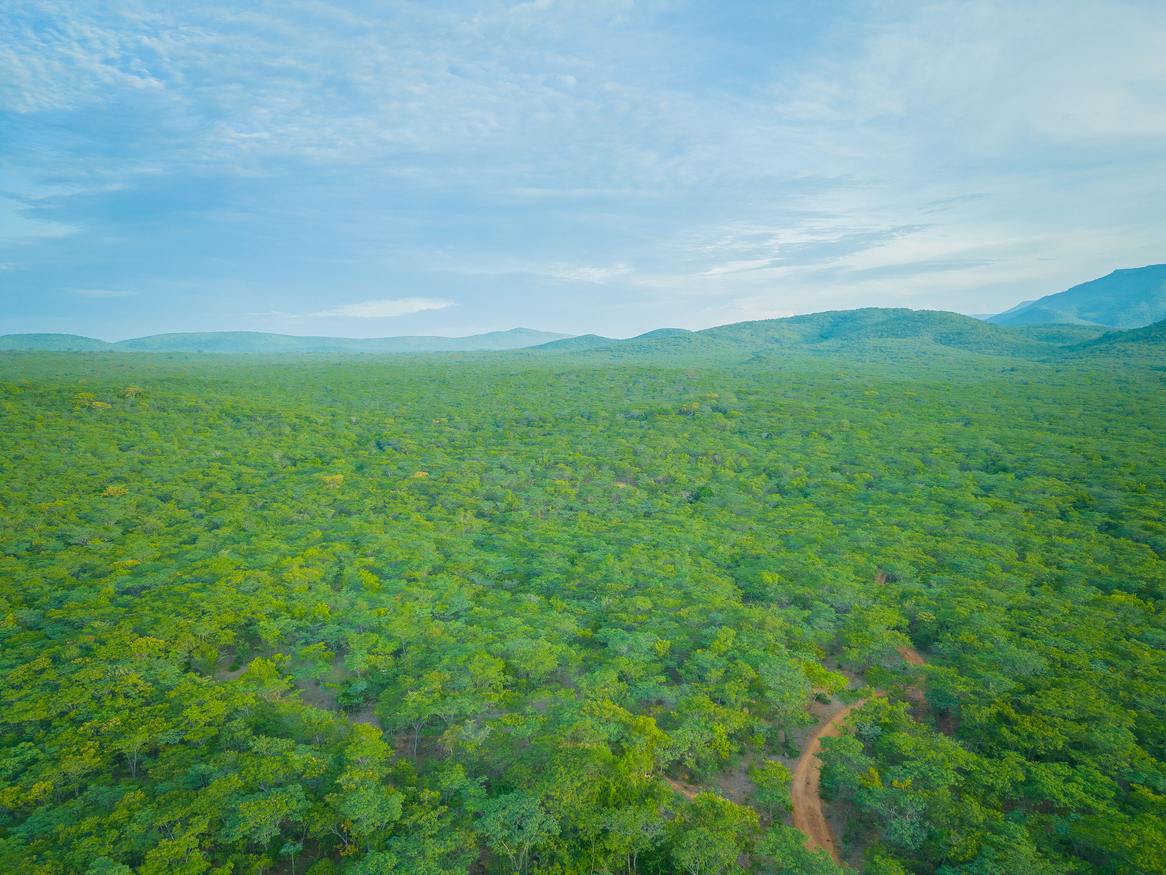
Photo: Anthony Mhagama