
IUCN SSC Amphibian Specialist Group
Overview and description
- Description:
-
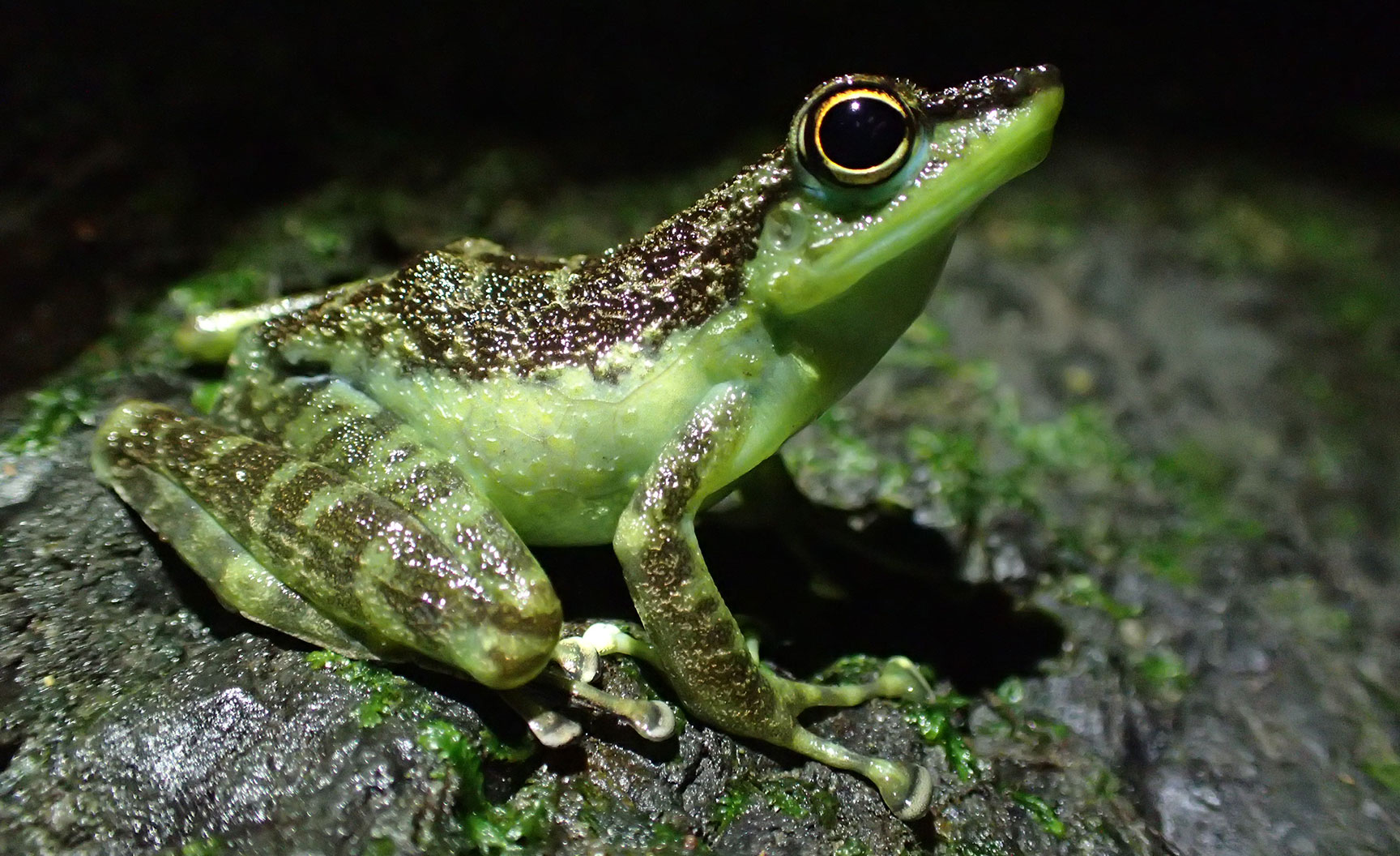
Amphibians are the most threatened vertebrate class on Earth, with 41% of species threatened with extinction according to The IUCN Red List of Threatened Species. The IUCN SSC Amphibian Specialist ...
Group leadership

Dr Ariadne ANGULO

Mrs Janice CHANSON
More about the Specialist Group
Amphibians declines and extinctions have been an ongoing concern for decades, but it wasn’t until 2004 that we got a much clearer picture of the extent of the issue, when the Global Amphibian Assessment (GAA) provided the first comprehensive overview of amphibian extinction risk in the world. The results that emerged were nothing short of alarming, with one in every three amphibian species threatened with extinction and one in every four species with ...
MISSION
ASG provides the scientific foundation to inform amphibian conservation action around the world. More specifically, the ASG stimulates, develops and conducts scientific research to inform the conservation of amphibians and their habitats around the world, supports the assessment of the conservation status of amphibian biodiversity and informs the general public of amphibian conservation-related issues and priorities.
Specialist Group work
Given the very broad taxonomic and geographic (global) scope of the ASG, our priorities are regionally (Regional Groups), thematically (ACAP Thematic Working Groups), and extinction risk-informed (Amphibian Red List Authority).
Our Strategic Plan

We support and mobilize a global network to achieve shared, strategic amphibian conservation goals.
Annual Report
Learn about ASG’s work and results in 2023 and the years before.
Previous reports:
2022 ASG Annual Report
2021 ASG Annual Report
2019 ASG Annual Report
2018 ASG Annual Report
2016-2017 Annual Report
Projects of the Specialist Group
The ASG has several strategic components that allow it to take a multi-pronged approach to global amphibian research and conservation. Below you’ll find links to some of ASG’s key components.
At a glance

Sign up for an IUCN newsletter