Fostering Water and Environmental Security in the Neun – Ca and Ma Transboundary River Basins and Related Coastal Areas (the Lao People’s Democratic Republic and Viet Nam)

Project summary

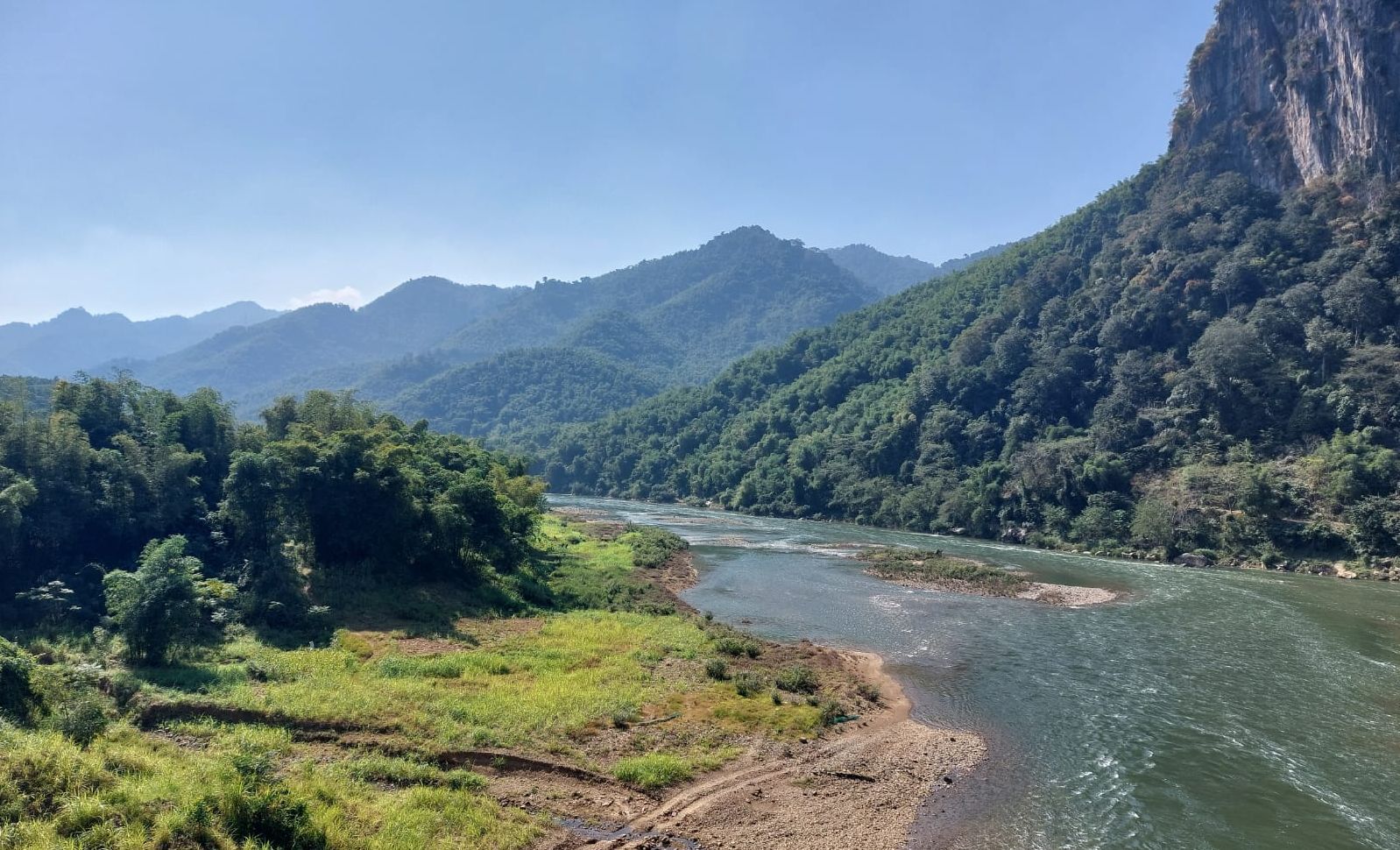
This is the first bilateral GEF project of the Lao People’s Democratic Republic and Viet Nam, focusing on shared rivers of Neun – Ca and Ma. These two transboundary rivers are adjacent, with similar-sized basins, comparable characteristics and water and environmental management challenges. Key challenges include hydropower reservoirs causing significant changes to flow in the main rivers and in tributaries in both basins; deforestation and changes to forest cover impacting flows and sediment loads; agricultural expansion and deforestation; increasing water withdrawals associated with demographic growth and rapid economic development affecting environmental flows; and emergency releases from dams during extreme water events contributing to flooding.


Climate change is expected to be a major driver of hydrological transformation, affecting rainfall, temperature, evaporation and water quality. Future water scenarios show that flows through the system will tend to increase sharply, especially towards the end of the century. The greatest increase will be in wet season flows, signaling the possibility of major floods severely impacting economic development.

Continuing development in the two basins, combined with climate change, is affecting the populated coastal areas due to the degradation of fresh and near-shore marine waters quality, increasing frequency and magnitude of floods and droughts, seawater intrusion in coastal aquifers caused by groundwater overextraction and sea-level rise. The emerging situation is posing serious threats to water supply for the expanding coastal populations, their livelihoods (from fisheries and aquaculture) and to coastal habitats, such as mangroves, wetlands and fish refugia.


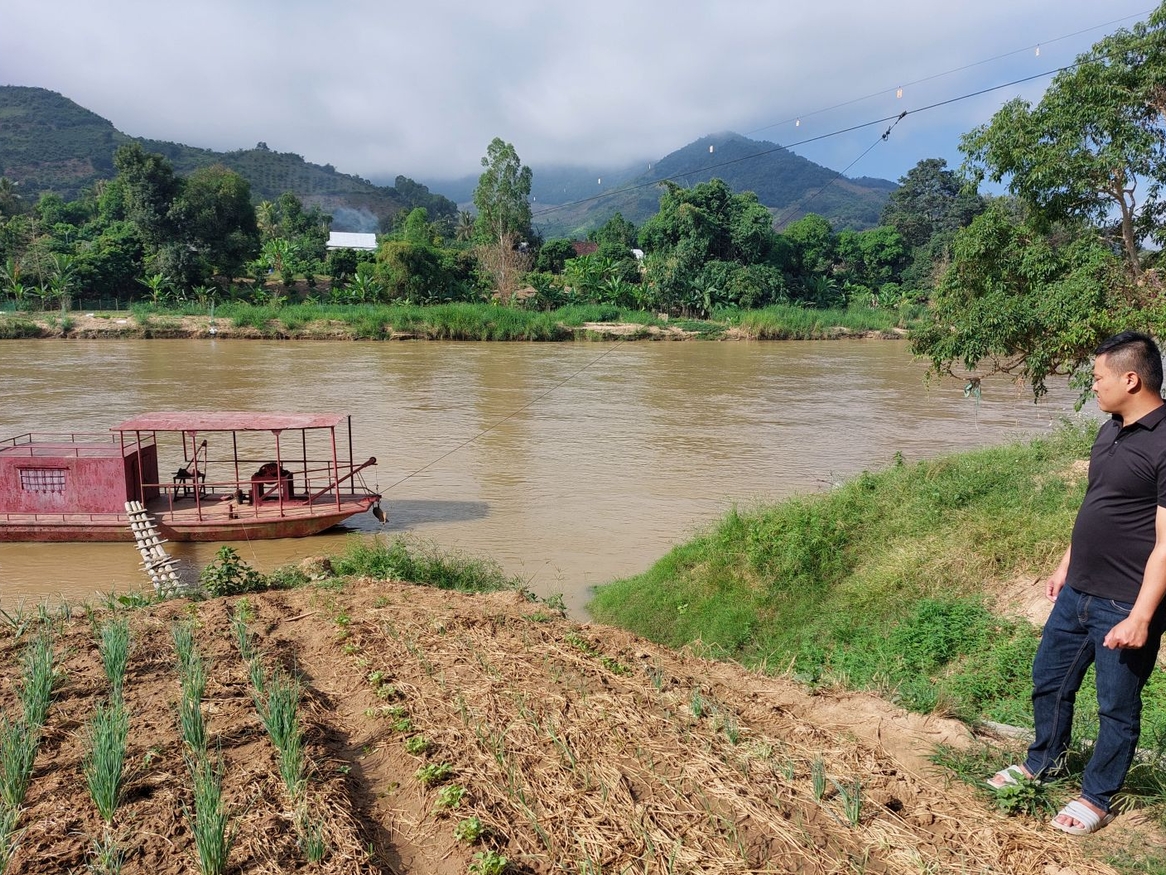
Ma river, Thanh Hoa Province
Ma river, Thanh Hoa Province © IUCN Viet Nam/Rien Dam


Project objective

To enable Viet Nam and the Lao People’s Democratic Republic to address freshwater resource management and ecosystem health in the transboundary Neun – Ca and Ma river basins and coastal zones by creating an enabling environment for transboundary cooperation and action.

Specific outcomes

  • Outcome 1: Consensus among countries on key transboundary concerns, including climate change and variability, reached through joint fact-findingstrengthens transboundary cooperation and opens the way to coordinated remedial actions.

  • Outcome 2: Enhanced water security, environmental sustainability and forecasting capabilities in both basins and their coastal areas achieved through the establishment of transboundary cooperation and information exchange frameworks and mechanisms.

  • Outcome 3: Countries resolve to joint actions reinforced by testing on the ground environmentally sound land and water management approaches, policies, practices and technologies, and share results and experiences.

  • Outcome 4: The process of reversing of degradation trends in the two basins galvanized as countries commit to sustain bilateral cooperation mechanisms and to undertake priority reforms and investments.

  • Outcome 5.1: The sustainability of project outcomes enhanced by the reinforcement of capacities of relevant national entities and of the interim transboundary cooperation body established as part of the project. 

  • Outcome 5.2: Benefits from the global to the local levels accrue through the sharing and dissemination of project experiences and lessons learned.


Establishing bi-national coordination mechanisms for the long-term effective management of Neun – Ca and Ma River basins is paramount for their sustainable development. Priorities are transboundary and conjunctive management of surface and groundwater resources while enhancing synergies with biodiversity conservation (e.g. biodiversity corridors), forest conservation and inland fisheries management, and resolving conflicts at the food, energy and environment nexus.

The proposed project will adopt a source to sea (S2S) approach, link with ongoing initiatives dealing with sectoral aspects, and directly inform the design, assessment, and planning of a range of investments in these sectors. It will represent a basis upon which to build transboundary cooperation, sound river basin management frameworks, strengthen water and environmental security and gender equality.

Project duration:

January 2024–December 2028

Project location:

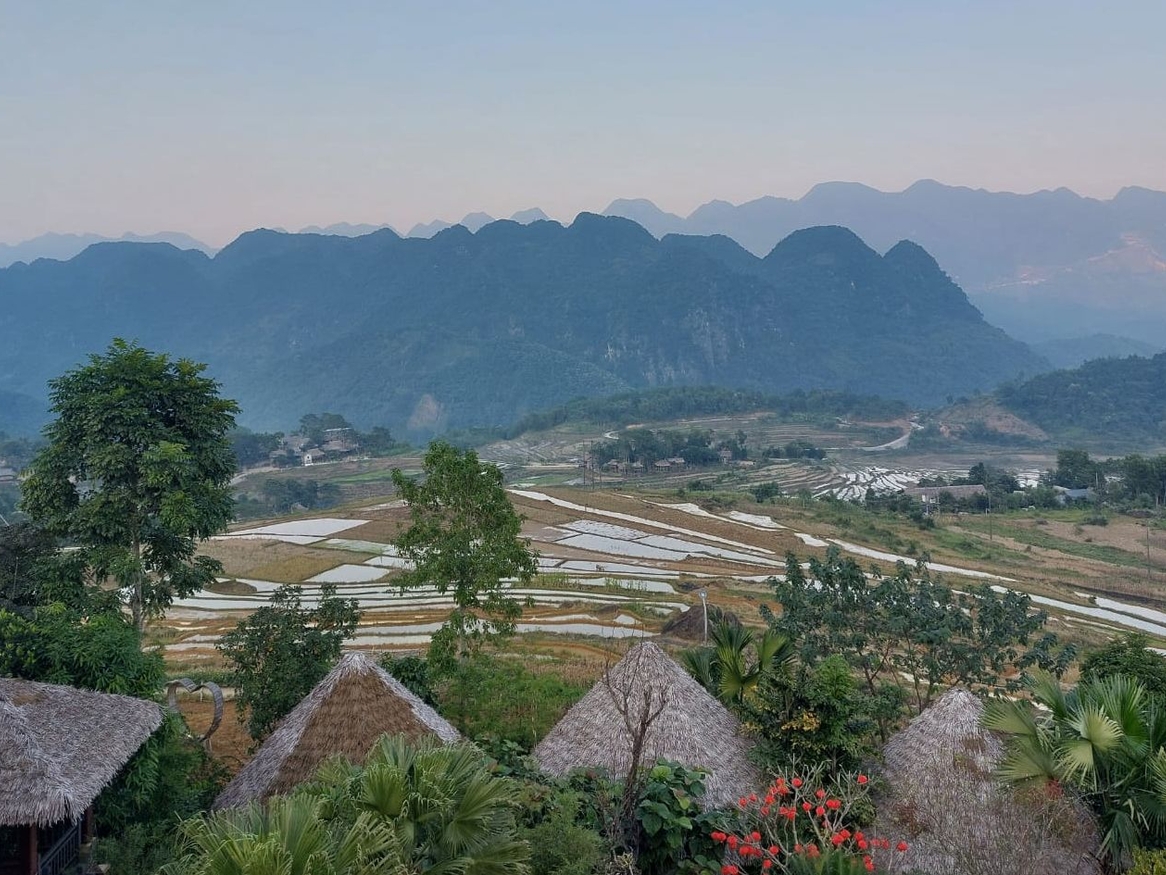
Hoa Binh, Nghe An, Thanh Hoa, Ha Tinh, Son La, and Dien Bien provinces in Viet Nam, Xiengkhouang and Houaphan provinces in the Lao People’s Democratic Republic.

Downloads:

Project factsheets in English LINK

Project factsheets in Lao LINK

Project factsheets in Vietnamese LINK

Project Grievance Redress Mechanism: Principals and Process LINK 
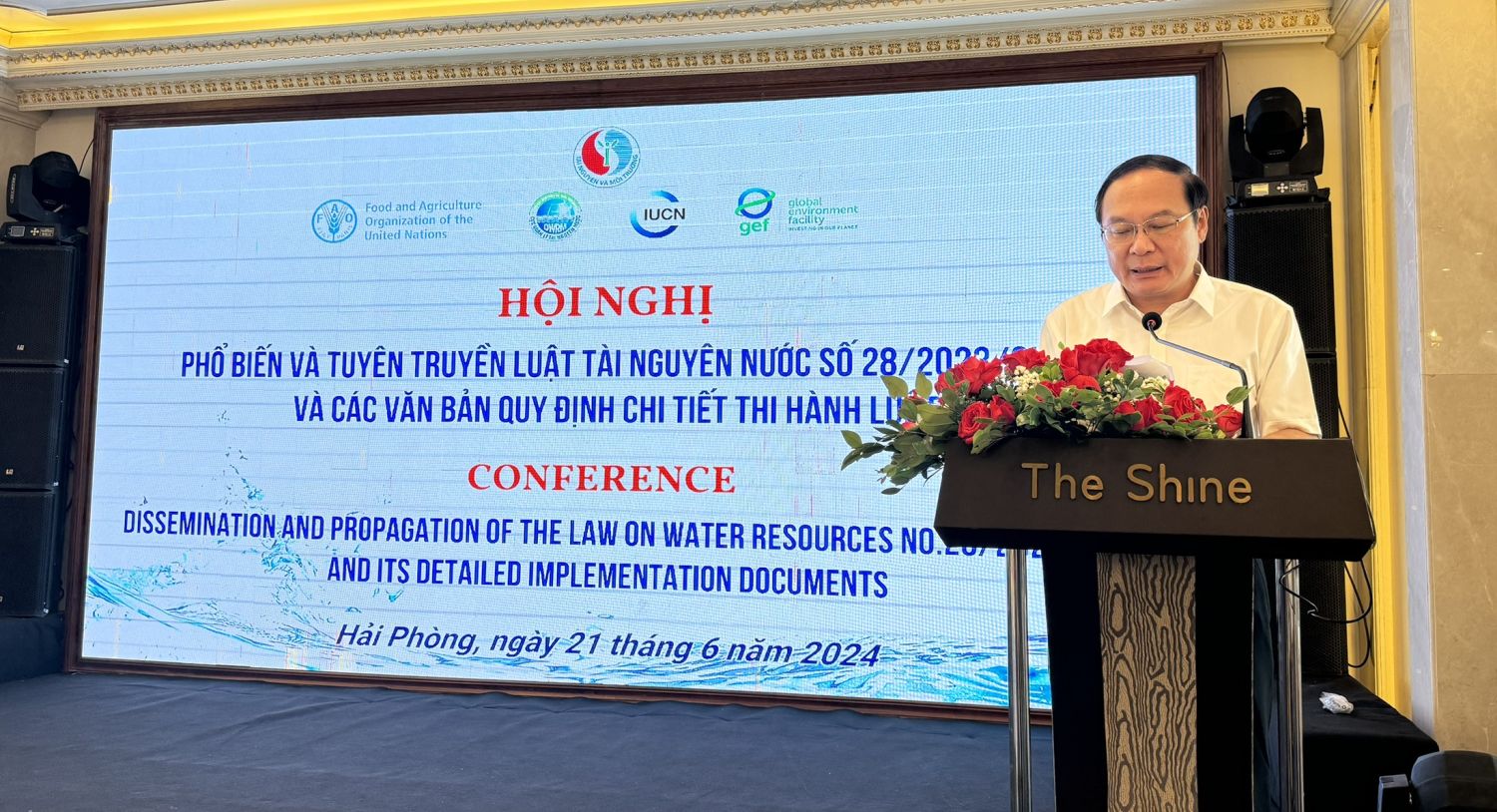
 

MONRE Vice Minister Le Cong Thanh
MONRE Vice Minister Le Cong Thanh delivered opening speech at workshop on Water Resources Law implementation in Hai Phong © IUCN Viet Nam


Contact

Chief Technical Advisor - Nguyen Duc Tuan

Email: [email protected]

Address: No. 2A, 298 Kim Ma, Van Phuc Diplomatic Compound 

Ba Dinh District, Ha Noi, Viet Nam.


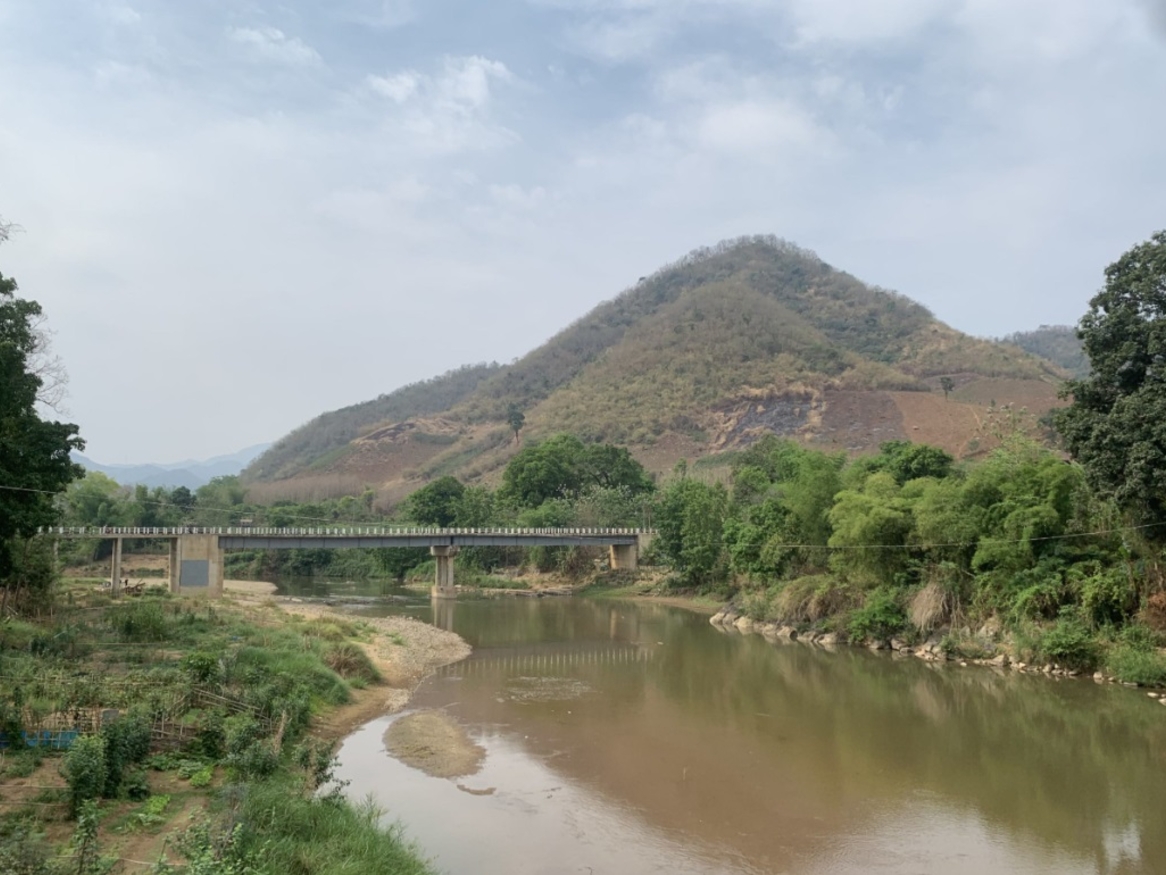
A domestic water reservoir
A domestic water reservoir in the upper Ma River © IUCN Viet Nam