Financing the implementation of the Global Plastics Treaty - Delivering Outcomes for People, Nature and Climate
Ahead of the convening of the INC Informal in-person Heads of Delegation meeting, taking place from 30 June – 03 July 2026, at the UN office in Nairobi (Kenya) a new brief funded by NORAD highlights the work that IUCN continues to do within the plastic pollution and biodiversity interlinkages and financing.
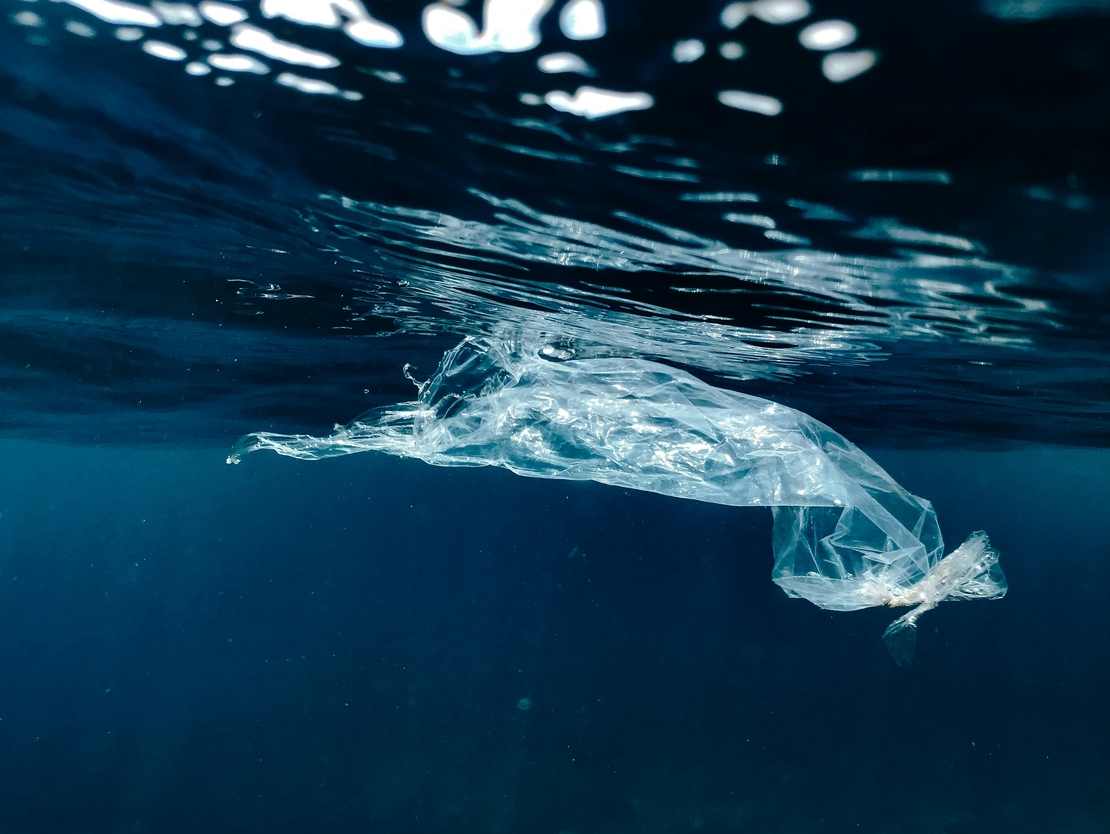
Plastic pollution affects terrestrial, freshwater, coastal and marine ecosystems, threatens food security and human health, and imposes significant economic costs on societies worldwide. Effective implementation of the future global Plastics Treaty represents an opportunity not only to reduce plastic pollution but also to advance biodiversity conservation, ecosystem restoration, climate resilience and sustainable development. An effective financial mechanism must support implementation across the full lifecycle of plastics, mobilize resources from multiple sources, respond to the needs of developing countries, and remain sufficiently flexible to evolve over time.
Drawing on lessons from other multilateral environmental agreements, including the Montreal Protocol, the Convention on Biological Diversity, the United Nations Framework Convention on Climate Change, and the Agreement on the Conservation and Sustainable Use of Marine Biological Diversity of Areas Beyond National Jurisdiction (BBNJ Agreement), the new IUCN and IUCN World Commission on Environmental Law (WCEL) Brief, funded through NORAD, on “Financing Implementation of the Global Plastics Treaty - Delivering Outcomes for People, Nature and Climate” identifies key considerations for negotiators and proposes 10 recommendations for a future plastics treaty financial mechanism.

The brief complements the NORAD funded IUCN legal and policy support, capacity building for negotiators such as the legal training at UNEA7, and practical solutions to help countries meet obligations across multiple international frameworks, including the Kunming-Montreal Global Biodiversity Framework and its Target 7 in particular:
Gaps and synergies between proposals for a Global Plastics Treaty and existing Multilateral Environmental Agreements – Policy and Legal analysis, developed jointly by IUCN WCEL (Translation in French, Spanish, and Portuguese)
A “Source-to-Sea” (S2S) approach to address marine plastic pollution: Policy, legal and institutional outlook (Translation in French, Spanish, and Portuguese)

As IUCN looks ahead to rolling out the 2026–2029 Programme and gets ready to implement the recently adopted IUCN Resolution 8.058 on “Advancing actions to end plastic pollution to protect human health, biodiversity and the environment” we aim to bridge global policy, regional and local conservation action, and regenerative economic models - helping countries and communities achieve healthy, resilient ecosystems and a just transition toward a nature positive circular and regenerative future.
In the INC Activities leading up to INC-5.4 IUCN and IUCN WCEL, as mandated by its members, will continue to play a catalytic role in supporting Member States in policy discussions, scaling up conservation solutions, and integrating plastics into the emerging paradigm of a Regenerative Blue Economy.

The Bangladesh Forest Department (BFD) and IUCN Bangladesh, with support from Agence Française de…

Each year, International Women's Day is an opportunity to recognise the women advancing change in…

On 14 January 2026, in Dhaka, the Bangladesh Forest Department and IUCN Bangladesh formally signed…