CSS Human Dimensions - Wilder Institute

Linking the health and livelihoods of local communities with the conservation and sustainable use of wild species.

Led by the Wilder Institute and hosted in Canada, the new IUCN CSS on Human Dimensions will address the critical—but often under-resourced social and cultural aspects of conservation. Our CSS is unique as it focuses on the connections between people and wildlife for co-benefits of species conservation and how human-centred actions and holistic conservation interventions can simultaneously support species conservation and human health, wellbeing and socio-economics.

About our work

Developed in close collaboration with the Sustainable Use & Livelihoods Specialist Group (SuLi) and the Biodiversity & Family Planning Task Force (BFPTF), our work is grounded in inclusive conservation—interweaving Indigenous, local, and western knowledge; shifting power dynamics towards local actors; ensuring all voices are included from idea creation and design through implementation and evaluation; promoting culturally centred and sensitive systems.

We’re building a global hub for knowledge and capacity sharing, starting with key focus areas and evolving as needs grow and emerge. Working with IUCN partners and others, the CSS will aim to provide and increase access and uptake of critical resources, tools, guidance, training and other support to conservation practitioners around the world. Our vision is to empower diverse and underrepresented actors by sharing and strengthening knowledge and capacity, with a goal to amplify conservation impact around the globe.  

Our workplan and actions will be guided by a network of and insights from small-scale conservation organizations globally, particularly from the Global South. These organizations can help address barriers to access, identify conservation practitioner groups in need, and highlight emerging topics within the human dimensions space that require further support. We will also consider emerging and newly developing issues and opportunities, based on our recently published Horizon Scan for Community-based Conservation.

Supporting the Species Conservation
1
Sustainable Use and Livelihoods

The sustainable use of wild species and how this supports both conservation and local livelihoods, particularly for Indigenous Peoples and local communities.

Sustainable use means use of species at a level in a way that maintains their viability to fulfil both present and future human needs, while avoiding or minimising negative impacts on ecosystems and species.

Livelihoods are the means through which people secure life’s essentials, draw on various assets like natural resources, social networks, and physical infrastructure, and are vital for rural communities living alongside wildlife.

Achieving sustainable use requires interdisciplinary collaboration to ensure a balance between human needs and ecological preservation.

2
Integration of Human Health

How integrating reproductive health interventions with other conservation actions leads to greater conservation, health and gender outcomes.

Human and environmental health are inextricably linked, conservation organisations are aware of the need to integrate community health actions within programming but need to do so more often, and successful conservation requires genuine and substantive action to further human health and associated gender equality outcomes.

We need greater understanding about why barriers to family planning are relevant to conservation, climate adaptation and climate resilience, a more supportive policy environment, and conservation programmes to include the removal of barriers to family planning when relevant.

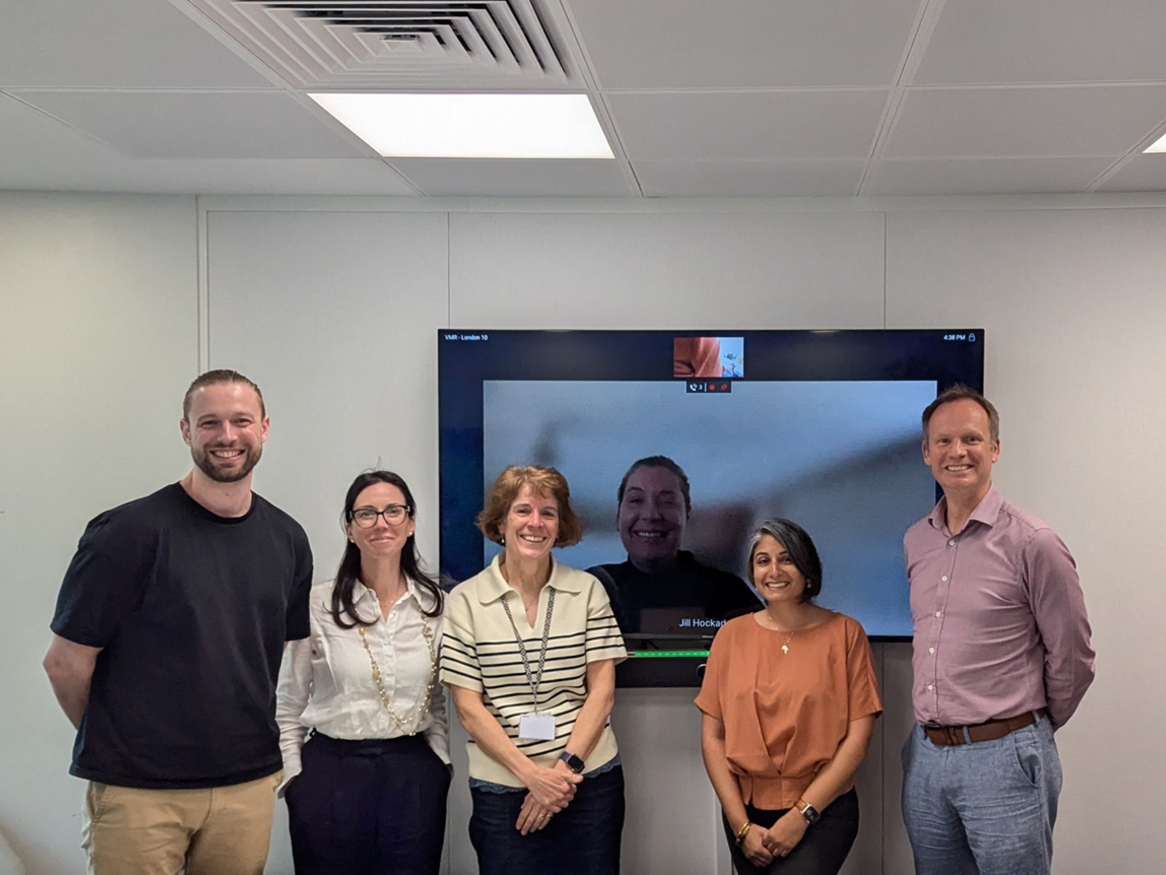
Meet our team

Nafeesa Esmail
Nafeesa Esmail

Head, Centre for Species Survival Human Dimensions.

Jill Hockaday
Jill Hockaday

Communications Lead, Centre for Species Survival Human Dimensions.