CSS India - Wildlife Trust of India
The Center for Species Survival India (CSS India) was established in 2023 through a formal partnership between the Wildlife Trust of India (WTI) and the IUCN Species Survival Commission (SSC). CSS India aims to bring together regional and global expertise to assess the extinction risk of India’s flora and fauna. This will be achieved by adopting the IUCN Red List and Green Status of Species standards and guidelines at the national level, aligning with Targets 6 and 7 of the IUCN Red List 2021-2030 Strategic Plan, and the broader 30x30 target of Kunming-Montreal Global Biodiversity Framework of Convention on Biological Diversity
The Centre for Species Survival India (CSS India) works in collaboration with the Government of India, national and international conservation organizations, research institutions, and other key stakeholders to strengthen species conservation efforts in India. It facilitates the use of IUCN tools and processes for conducting Red List and Green Status assessments at the national level, developing species-specific conservation action plans, fostering strategic partnerships, and enhancing capacity for effective biodiversity conservation. By enabling multi-stakeholder collaboration and creation of strategic documents, CSS India aims to enhance species recovery, promote impactful conservation actions, and ensure the long-term sustainability of India's rich biodiversity.
The efforts of CSS India align with national and global biodiversity targets and policies, including the National Biodiversity Strategy and Action Plan (NBSAP), Kunming-Montreal Global Biodiversity Framework (KM-GBF) of the Convention on Biological Diversity (CBD), UN Sustainable Development Goals (SDGs), and the Convention on International Trade in Endangered Species of Wild Fauna and Flora (CITES). Through science-based conservation and multi-stakeholder engagement, CSS India is dedicated to securing a sustainable future for biodiversity and strengthening species recovery efforts across the region.
Guided by the IUCN SSC’s Assess-Plan-Act framework, CSS India is committed to implementing the IUCN Red List methodology and assessment process at the national level. It also aims to expand the geographic and taxonomic scope of Red List and Green Status assessments in alignment with Targets 6 and 7 of the IUCN Red List 2021-2030 Strategic Plan.
Supporting the Species Conservation Cycle
Assess the extinction risk of India’s flora and fauna and measuring the recovery of species by adopting the IUCN Red List and Green Status of Species standards and guidelines at the national level and assist in the publication of the National Red Data Book of Species by 2030, conforming to the 30x30 target of CBD.
Specific goals could include:
1
Species assessment and prioritization
Utilizing the IUCN Red List to identify species at imminent risk of extinction and prioritize conservation actions accordingly.
2
Species recovery
Adopting the IUCN SSC Green Status of Species standards and methods to assess the recovery potential of species at the national level and to help the recovery of species in need.
3
Conservation planning
Facilitating the development of science-based conservation plans for high-priority species, focusing on habitat management, population monitoring, and threat mitigation strategies.
4
Capacity enhancement
Providing training for conservation practitioners in species assessment, conservation planning, and effective project implementation.
5
Stakeholder engagement
Establishing partnerships with a wide range of stakeholders, including government agencies, NGOs, local communities, and research institutions, to foster collaborative conservation action.
Meet our team

Rahul Kaul
Director
Rahul Kaul is the Director of the Centre for Species Survival India (CSS India) and the Chair of the IUCN SSC Galliformes Specialist Group. At CSS India, he leads efforts to advance species conservation through the implementation of IUCN Red List and Green Status assessments, the development of species conservation plans, and the promotion of strategic collaborations. His role involves overseeing conservation programs, building partnerships with stakeholders, and enhancing capacity for biodiversity conservation. His leadership is pivotal in driving science-based conservation strategies, focusing on species recovery and long-term ecological sustainability.
Director
Rahul Kaul is the Director of the Centre for Species Survival India (CSS India) and the Chair of the IUCN SSC Galliformes Specialist Group. At CSS India, he leads efforts to advance species ...

Prajna Panda
Project Lead
Currently serving as a key member of CSS India – Wildlife Trust of India, she works on various initiatives to support species conservation, focusing on species assessments, conservation planning, and stakeholder engagement. Her expertise lies in facilitating collaborative efforts between government agencies, NGOs, and local communities to ensure effective biodiversity conservation strategies.
Project Lead
Currently serving as a key member of CSS India – Wildlife Trust of India, she works on various initiatives to support species conservation, focusing on species assessments, conservation ...
EXPERTISE:
Species conservation action
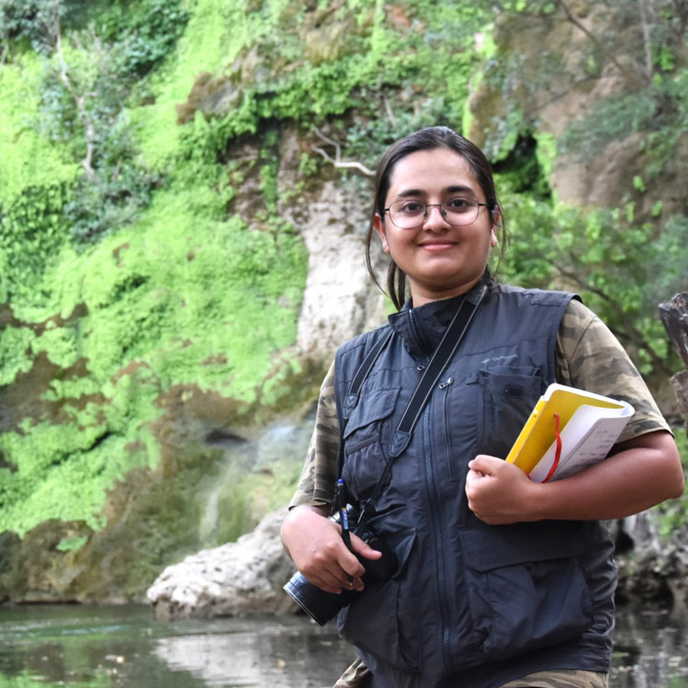
Sayanti Basak
Programme Officer
Sayanti is the Programme Officer at CSS India – Wildlife Trust of India. She is responsible for project planning and reviews, developing funding proposals, and collaborating on the National Red List and Green Status of Species assessments. She also facilitates stakeholder consultations, works closely with SSC Specialist Groups, supports conservation planning, and plays a key role in financial management. She has been working in the field of wildlife conservation for over six years, contributing to various conservation projects with a focus on aquatic ecosystems and mammalian species.
Programme Officer
Sayanti is the Programme Officer at CSS India – Wildlife Trust of India. She is responsible for project planning and reviews, developing funding proposals, and collaborating on the ...
EXPERTISE:
Species conservation action