Model Forests as Exemplars of Resilience: How IUCN and the IMFN are collaborating to support community-managed landscapes
Since 2024, IUCN has been collaborating with the International Model Forest Network (IMFN) to technically support five Model Forests across Asia, Africa and Latin America in initiating and scaling up sustainable forest landscape restoration and management. Through capacity-building for enhanced restoration planning as well as a focus on gender-responsive approaches, IUCN has helped communities throughout these forests to generate benefits across sectors—mitigating climate change, protecting biodiversity, and fostering sustainable economies.

Model Forests are integrated landscapes that prioritise forest conservation and restoration alongside the social, economic and environmental goals of local communities. These 'living laboratories' focus on a community-based approach to sustainable forest management, including voices across public and private sectors, community and government organisations, and research institutions alike. All Model Forests adhere to six key principles, specifically stakeholder partnerships, landscape level management, commitment to sustainability, participatory governance, a defined programme of activities, and promotion of knowledge-sharing, capacity-building, and networking. The International Model Forest Network (IMFN) is the global platform comprised of the world’s Model Forests and their regional networks.
IUCN and the IMFN began collaborating in 2024 through Canada’s Global Forest Leadership Program and the IMFN Climate Initiative. In particular, the IUCN Forest and Grasslands Team has worked with IUCN Regional Offices in South America, Asia, and Africa to achieve three major objectives in support of Model Forests. The project has aimed to:
- Bring tools and approaches to enhance Model Forest experiences and impacts on restoration target-setting, planning, delivery and monitoring.
- Enrich forest and landscape restoration efforts through gender-responsive approaches and guidance.
- Enhance visibility and amplify impact through expertise sharing and ramping up the visibility of Model Forests’ efforts globally and in countries.
Since the project began, IUCN has worked alongside the IMFN Secretariat, regional networks in Asia, Africa, and Latin America, and individual Model Forests to achieve these objectives. In particular, IUCN has worked with China’s Lin’an Model Forest, Thailand’s Ngao Model Forest, Bolivia’s Chiquitano Model Forest, and Cameroon’s Dja et Mpomo and Campo Ma’an Model Forests through a multi-country project. IUCN is also working with Balkhila Model Forest through other projects and initiatives, and more broadly, has engaged Model Forest stakeholders in country, regional, and international dialogues.
What IUCN and the IMFN Have Achieved Together
The partnership between IUCN and the IMFN has yielded meaningful results for people and nature across several countries. Through knowledge products, capacity-building workshops, cross-regional exchange, and amplification of Model Forest stories, these landscapes and the people who depend on them have been able to share their experiences and learn from those of others.
For example, IUCN launched a gender-forward forest landscape restoration (FLR) incubation and acceleration protocol for use in community-managed forest landscapes last year. This protocol—available in English, French, and Spanish—offers practical guidance on how to effectively use various tools and knowledge products for community forest restoration and conservation projects. It also promotes the integration of gender-responsive approaches into FLR projects and any related use of IUCN tools and knowledge products. This protocol demonstrates how incorporating equity and inclusion into ecosystem restoration is not only feasible, but makes for more effective conservation outcomes while benefitting communities in the process.
IUCN has since provided capacity-building and training sessions to Model Forest stakeholders on how to use this protocol, and communities are in turn exploring how to leverage tools to implement, monitor, and disseminate better FLR practices. A brief training video on this protocol is available to view below.
Moreover, Model Forests are already proving that stakeholder engagement and community leadership make a meaningful difference in how natural resources are governed and managed. Where men, women, youth, and Indigenous Peoples alike are all active participants in the management of Model Forests—as well as equal beneficiaries—landscapes are able to thrive. Biodiversity is improved, climate resilience is built into value chains, natural disaster risk is reduced, and people gain access to sustainable livelihood opportunities. The Model Forests in Cameroon, China, Bolivia, and Thailand have all shown this to be true.
However, the positive impacts of Model Forests are not only significant at the local level. Model Forests occupy the middle ground between policy and practice, translating global goals and national ambitions to the landscape scale. The IMFN is a beacon of hope as the triple planetary crisis intensifies, offering both success stories and lessons about adaptation, mitigation, and resilience which other forest-dependent communities can learn from. In turn, Model Forests are helping their countries reach national commitments under multilateral environmental agreements, including the Paris Agreement, the Global Biodiversity Framework (GBF), and Land Degradation Neutrality (LDN).
With the 31st session of the Conference of the Parties (COP31) to the (UNFCCC), the 17th session of the Conference of the Parties (COP17) to the United Nations Convention on Biological Diversity (CBD), and the 17th session of the Conference of the Parties (COP17) to the United Nations Convention to Combat Desertification (UNCCD) set to take place in late 2026, the international community can look to Model Forests as exemplars of community-led conservation that address climate, biodiversity, land degradation, and sustainable development concurrently. To learn more about how Model Forests sit at the intersection of policy and practice, watch the video below.
Ensuring A Future for Model Forests
Through the work of the IMFN, Model Forests have made significant advancements for forest ecosystems and the local communities which depend on them. The collaboration between IUCN and IMFN has enabled additional technical backstopping to reach Model Forests. However, despite their many successes, Model Forests remain at the forefront of the triple planetary crisis. They therefore require broader recognition and support to confront the realities of climate change, species extinction, and desertification, land degradation, and drought (DLDD). Strong partnerships with Model Forests, the various regional Model Forest networks, and the IMFN are needed across subnational, national, and international scales to ultimately ensure that these landscapes and communities can thrive far into the future.
Resources
To learn more about the how the Model Forest approach serving as an important solution to intertwined global challenges, the following resources are available to explore:

- IMFN and COP30: How Model Forests are at the forefront of community-based climate action and conservation
- Model Forests and Wildfire Brief
- Model Forests and Gender Brief
- Model Forests and Climate Change Brief
- Model Forests and Biodiversity Brief
To dive into individual Model Forests and the role they are each playing in achieving global restoration goals, explore the following resources:
- New PANORAMA Solutions in Focus publication demonstrates the impacts of Model Forests
- PANORAMA Solutions in Focus: Model Forests Around the World
- An Overview of Model Forests Around the World
- China’s Lin’an Model Forest
- Model Forests Around the World: China
- Thailand’s Ngao Model Forest
- Model Forests Around the World: Thailand
- Bolivia’s Chiquitano Model Forest
- Model Forests Around the World: Bolivia
- Cameroon’s Dja et Mpomo and Campo Ma’an Model Forests
- Model Forests Around the World: Cameroon
- IUCN and the African Model Forest Network (AMFN) build capacity in Africa’s community-managed forests
- IUCN and partners support Model Forests in Asia to advance sustainable landscape management


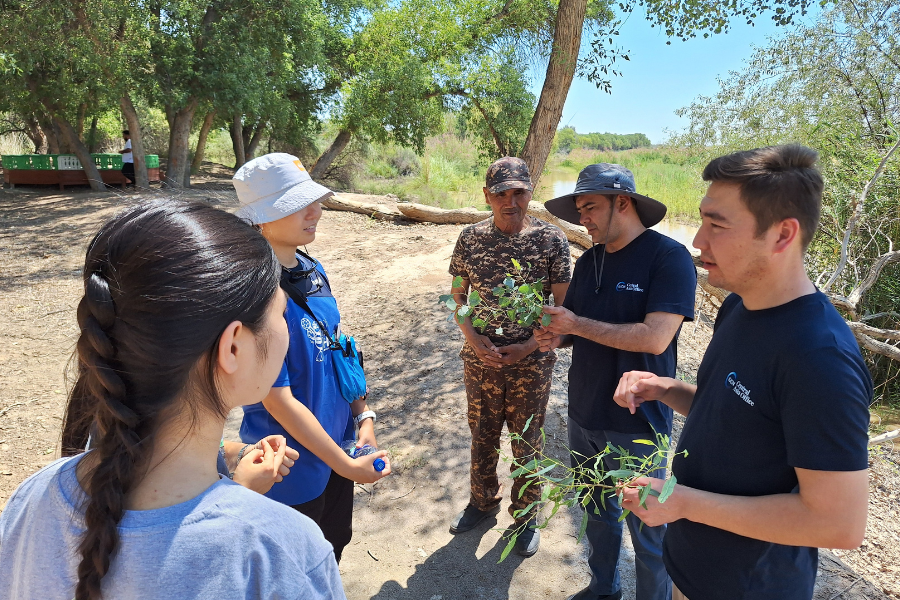
In Kashkadarya, Khorezm and the Republic of Karakalpakstan, local communities are helping turn…
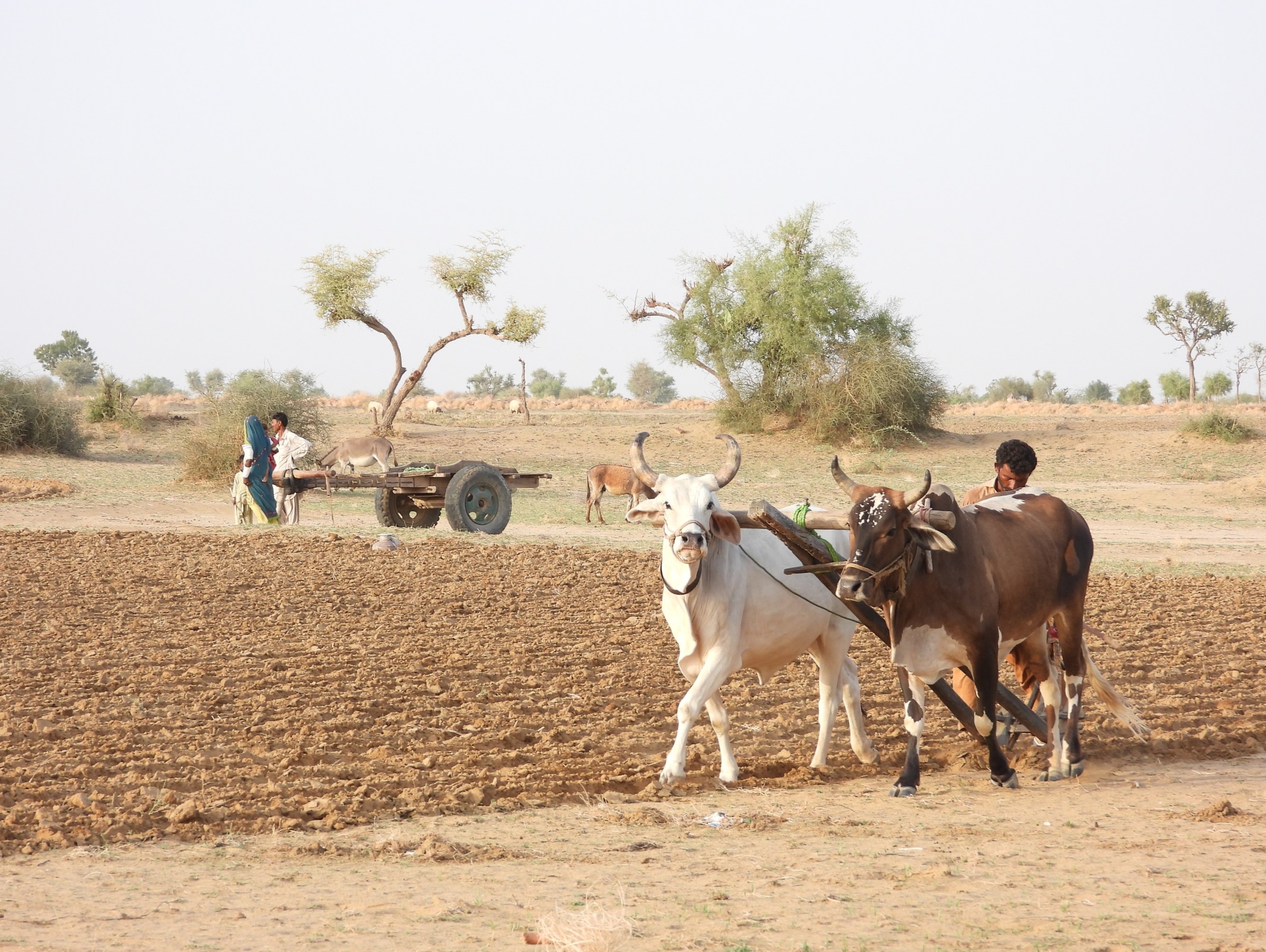
The third in a five-part series, this webinar brought together speakers from across West and…

This week, the Yerevan Municipality hosted the inaugural ceremony marking the establishment of the…