Enhancing climate Resilience for Biodiversity Hotspots in Jordan

The "Enhancing Climate Resilience for Biodiversity Hotspots in Jordan" (Taziz) project is designed to strengthen the resilience of vulnerable ecosystems and communities against the impacts of climate change. It emphasizes the essential role of well-managed protected areas in delivering ecosystem services and buffering biodiversity and communities from climate-related risks.
At the national level, the project focuses on integrating climate change and gender considerations into the design and management of Jordan’s Protected Area Network (JPAN), while improving governance and effectiveness.


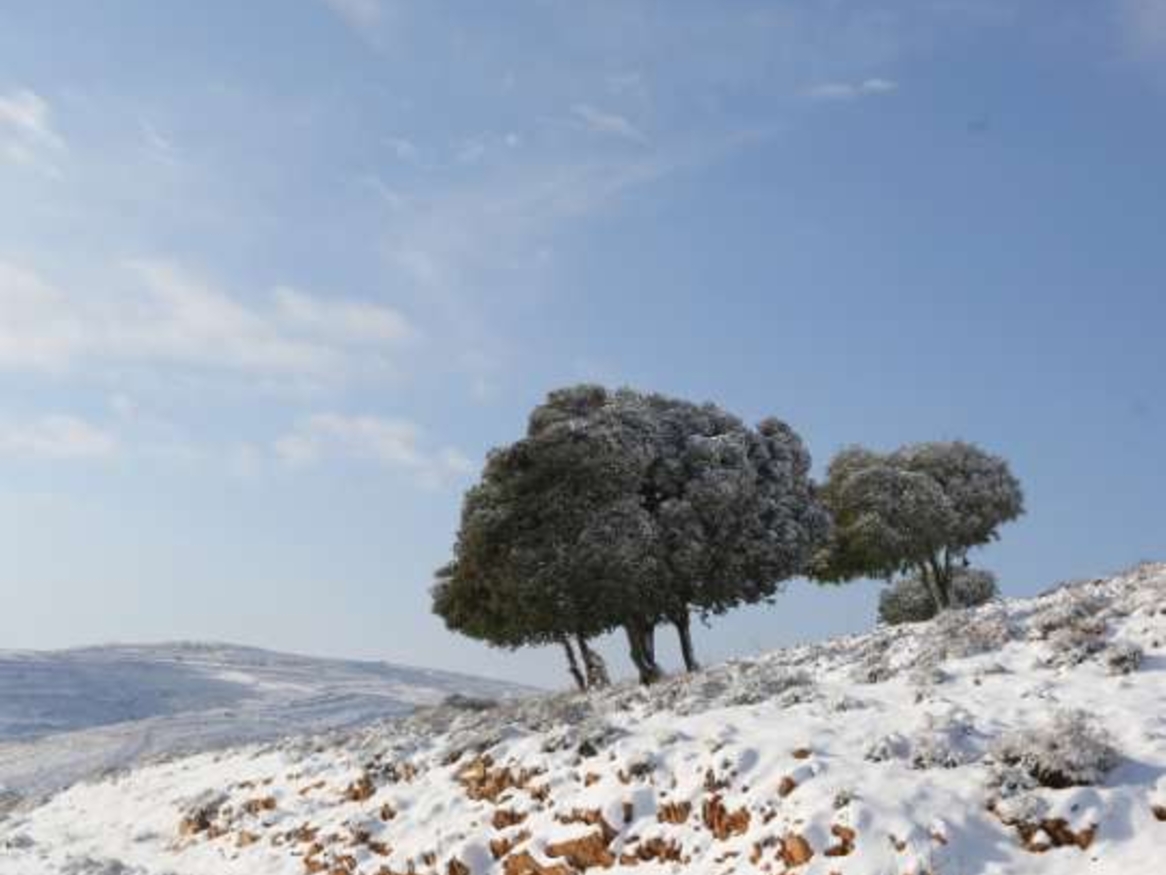
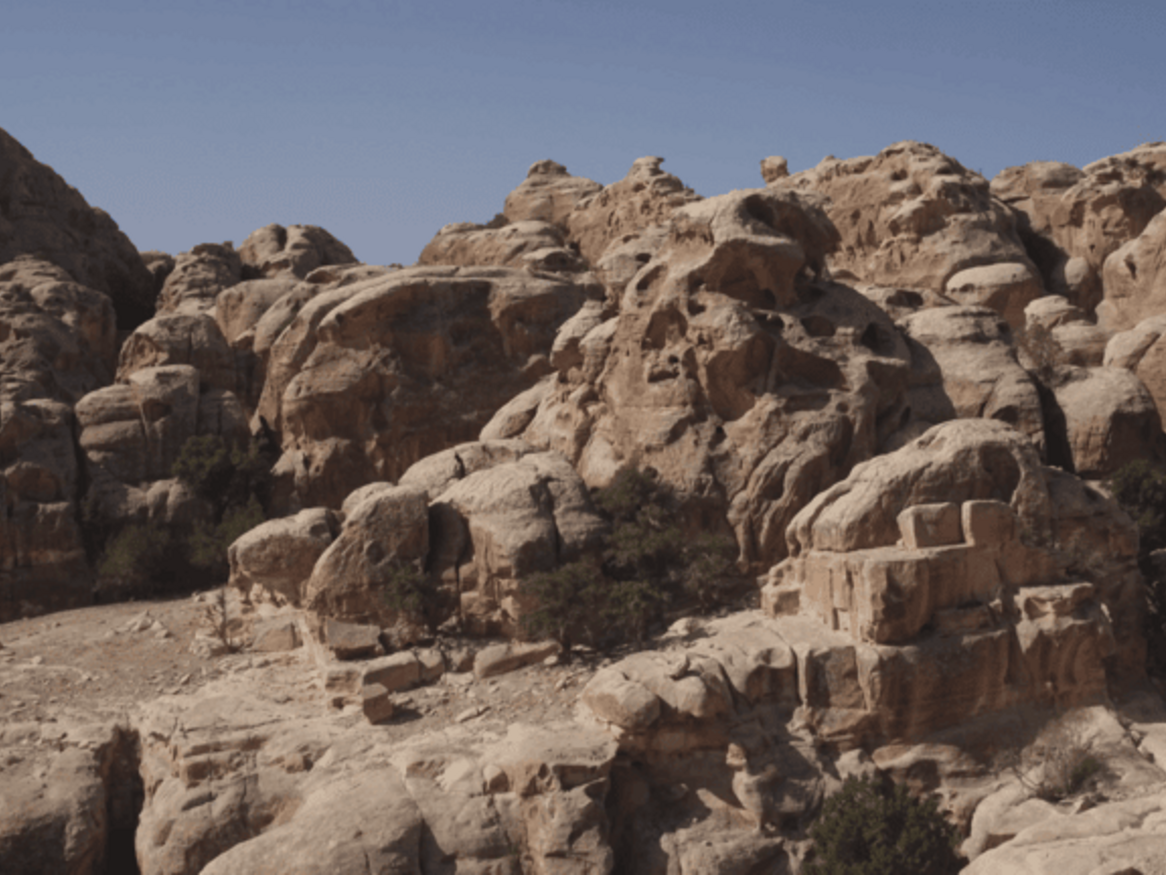
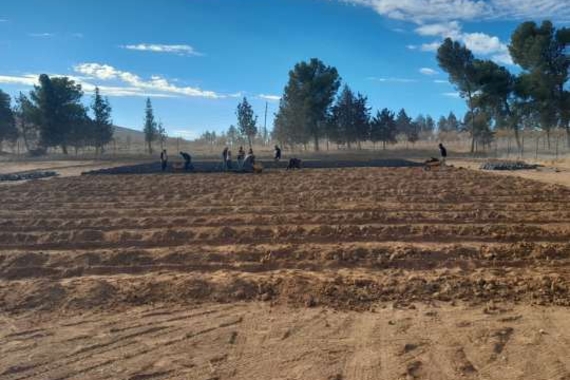
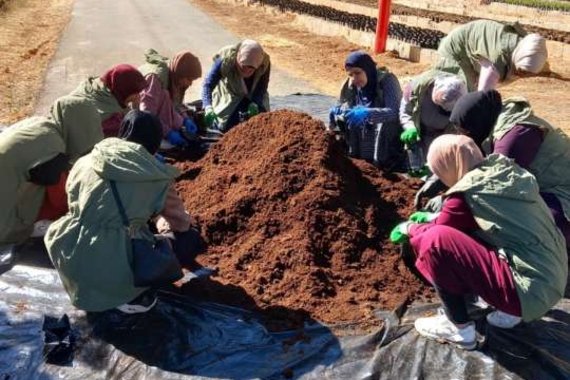
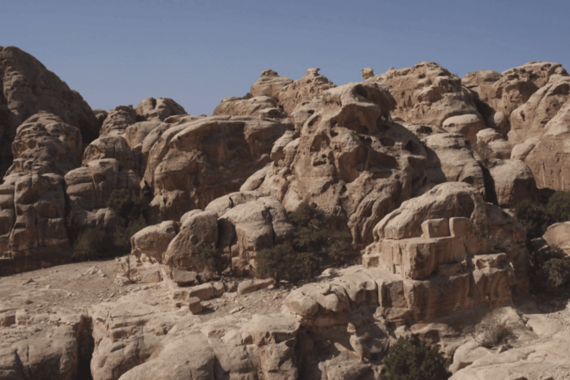
At the sub-national level, it applies Forest Landscape Restoration (FLR) approaches in Shoubak and Petra districts, engaging local communities—including marginalized groups such as women and youth—in restoration efforts.
Nature-based Solutions (NbS) form the project's core, offering sustainable and inclusive responses to environmental and societal challenges.

Location: Jordan, West Asia

Funded By: Global Affairs Canada (GAC)

Implemented By: International Union for Conservation of Nature (IUCN)

Key Achievements

  • Supported the drafting of the Jordan Protected Area New Network to proceed with the Governmental Endorsement.
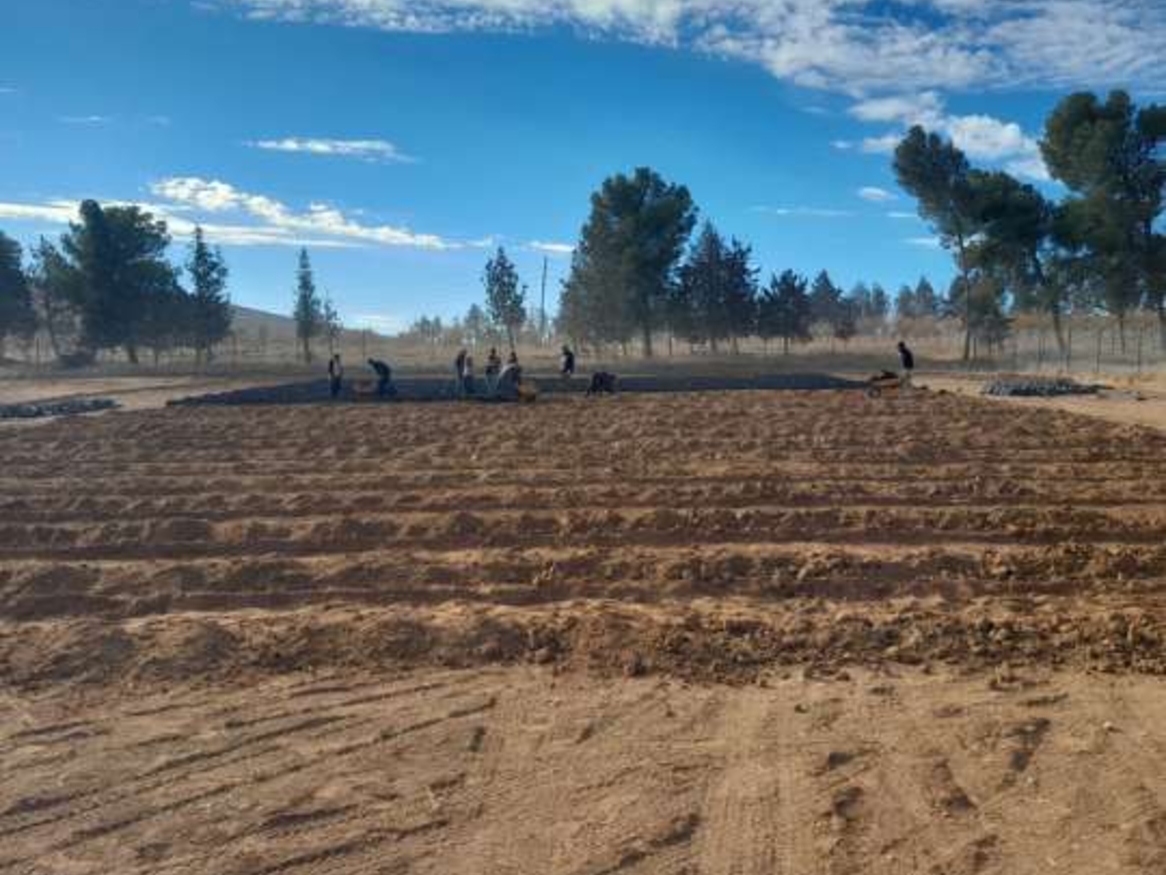
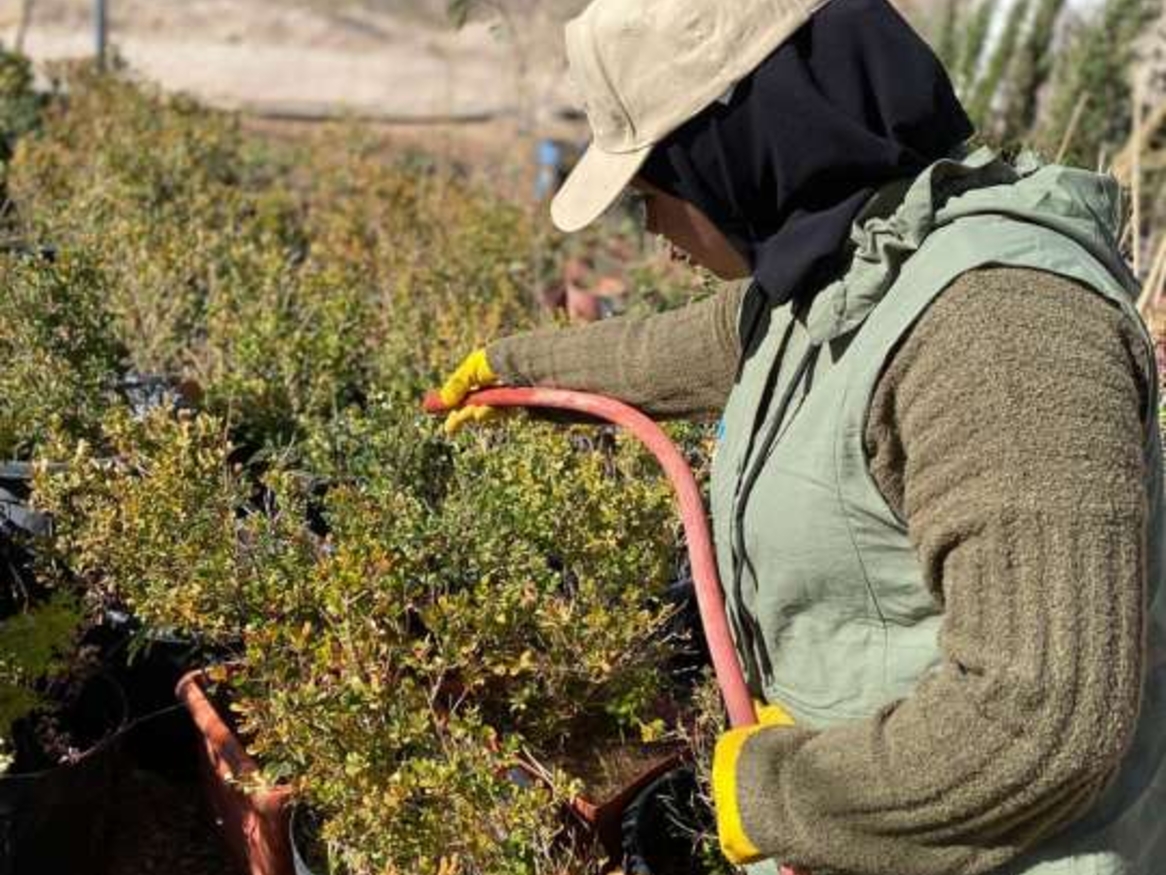
  • Applied ROAM Action plan and 450 Hectares out of 750 hectares restored in Petra and Shoubak, training 900+ local initiators (men and women) using gender-responsive restoration practices.
  • Launched JO-METT: Jordan’s first climate- and gender-sensitive PA management tool, to be published in Arabic.
  • Integrated climate change into the management programs of six protected areas.
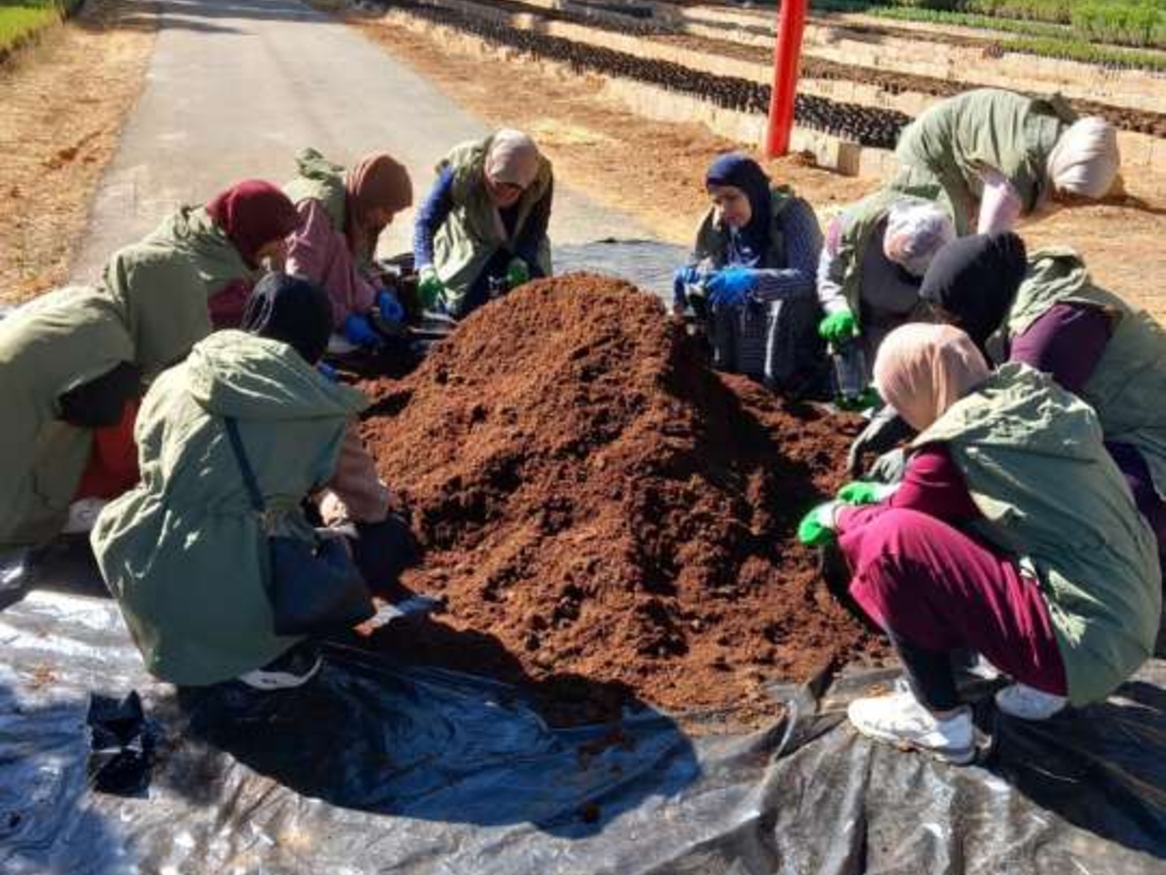
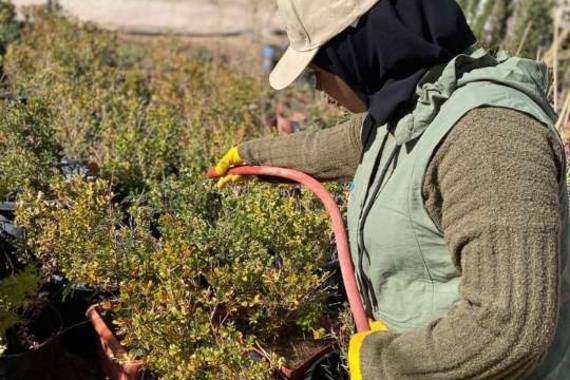
  • Upgraded Shoubak Nursery’s capacity to 300,000 native seedlings, contributing to Jordan’s 10 million tree initiative.
  • Piloted locally tailored NbS guidelines through participatory community workshops.
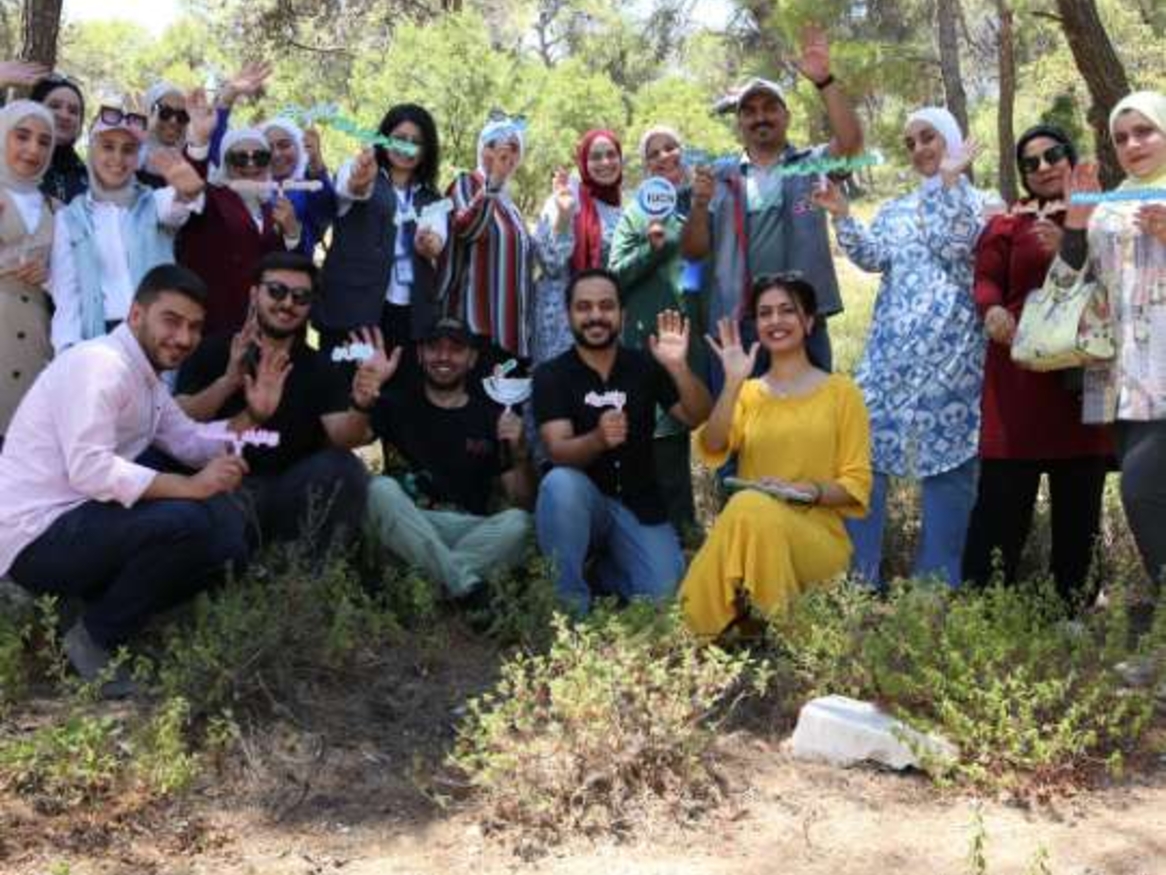
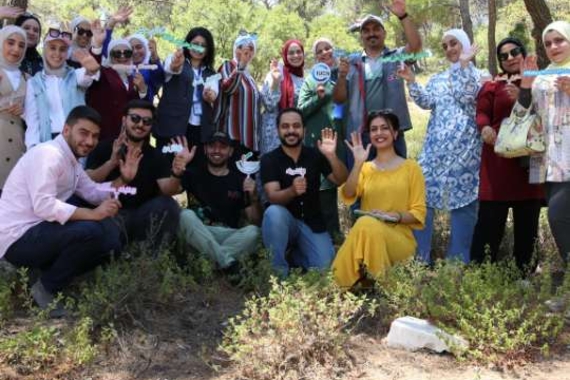
  • Trained over 1200+ stakeholders (especially women) in NbS, ROAM, systematic planning, climate resilience tools and other topics related to gender equity.
  • Produced the “Highly Environmental!” podcast featuring voices from Shoubak and Petra.
  • Collaborated with ILO to train PA managers and communities on decent work and labour rights in conservation.
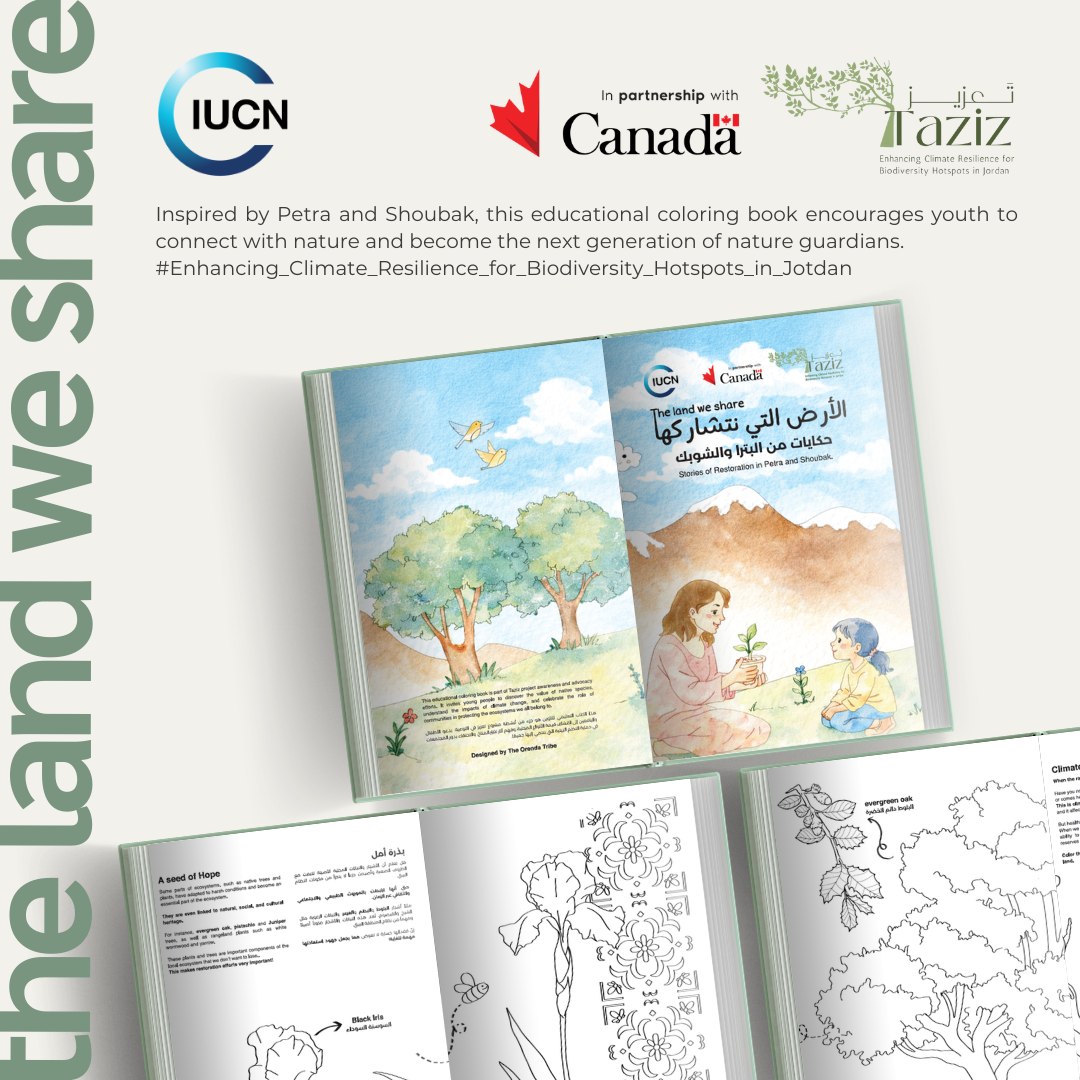
 

The Land We Share
The Land We Share

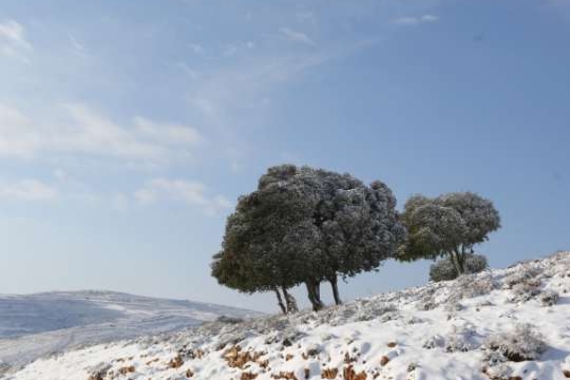
Do you know what native species grow in Petra and Shoubak?
Why are native trees so important for the land?

These are some of the questions explored in the educational coloring book “The Land We Share: Stories of Restoration in Petra and Shoubak.”

Inspired by the landscapes and communities of Petra and Shoubak, this book invites young readers to discover the value of native plants, understand the impact of climate change, and learn how local communities including women and youth protect the ecosystems we all share.

Through stories and illustrations “Taziz” project encourages youth to connect with nature and become the next generation of nature guardians, one of IUCN ROWA’s projects funded by Global Affairs Canada (GAC).